
Reviewed · METEORA MONASTERY TOURS
From Athens:Meteora Caves & Monasteries History Day Trip by Train
Meteora rises straight out of central Greece. This day trip pairs a scenic train journey with a small-group minivan tour of Meteora’s cliff-top monasteries, giving you a practical way to see one of Greece’s most unusual sights without arranging your own transport. I like the three monastery interiors included and the chance to view all six monasteries from the road. I also like the air-conditioned Mercedes minibus, Wi-Fi, USB chargers, and guides who often help with photos. The catch is simple: this is a very long day, with many hours spent on trains, buses, and roads for roughly four hours at Meteora.
The strongest part of the outing is the local guiding once you reach Kalambaka. Guides such as Joanna, Kris, Chrysa, Juliana, and Celia have been praised for clear explanations, friendly care, and good photo stops. The weakest part is the rail connection, which has sometimes required a bus transfer because of flood damage to the tracks. You need patience, cash for entrance fees, and enough energy for steep paths and monastery stairs.
In This Review
- The essential facts at a glance
- Why Meteora is worth the long ride
- Getting from Athens to Kalambaka
- Meeting your guide in Kalambaka
- The six monasteries and three interior visits
- The Hermit Caves and the giant rock views
- Lunch in Kastraki and free time in Kalambaka
- The real cost of the day
- Fitness, clothing, and comfort
- Who should book this Meteora day trip?
- Should you book it?
- FAQ
- How long does the Athens to Meteora tour take?
- Where do I catch the train in Athens?
- Will a guide meet me in Athens?
- How many monasteries can I visit?
- Are monastery entrance fees included?
- Is lunch included?
The essential facts at a glance
- Three monasteries inside: You visit three of the six active monasteries, depending on the day, while seeing all six from outside.
- Hermit caves included: The minivan route adds a stop at the Meteora caves, a feature not always included on basic monastery visits.
- Train tickets are sent by email: You travel independently from Athens and meet the local guide in Kalambaka.
- Up to 15 people: The smaller group can mean easier questions, better photo help, and less waiting.
- About 14 hours total: The day begins around 7:00 a.m. and can return to Athens around 10:00 p.m.
- Budget €5 per monastery: Entrance fees are not included, and monasteries accept cash rather than credit cards.
Why Meteora is worth the long ride
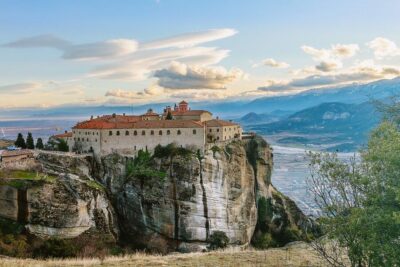
Meteora is not just another collection of old churches. Huge rock pillars rise above the town of Kalambaka, and Orthodox monasteries perch on ledges high above the valley. The setting is the main event. The buildings are remarkable, but the combination of cliffs, sky, stone, and religious tradition is what makes the place feel unlike anywhere else in Greece.
The monasteries were built over more than 700 years. Monks sought isolated rock pinnacles for prayer and protection, gradually creating religious communities in places that look almost impossible to reach. You will hear about that past during the drive and at the viewpoints, though this is not a private, in-depth historical seminar inside each building.
I especially like the way this tour lets you see Meteora from several angles. You view the monasteries from the road, stop for photographs, walk into three of them, and visit the hermit caves. That variety matters because each monastery has a different position and character, while the outside views often explain the setting better than the interiors do.
More Monastery Tours in Meteora
- Meteora Sunset with Monastery & Hermit Caves Tour in Small Group
★ 5.0 · 706 reviews - Meteora Small Group Hiking tour with Transfer and Monastery Visit
★ 5.0 · 484 reviews - Meteora: Morning Half Day Sightseeing and Monasteries Tour
★ 4.7 · 478 reviews
Getting from Athens to Kalambaka
Your day starts at Larissis Railway Station, Athens’ main train station. The departure is early, around 7:00 a.m., and you board without a guide beside you. Your train e-tickets arrive by email a few days before departure, so check your inbox carefully and contact the operator if they have not arrived.
Larissis Station sits above the Larissa metro stop. One useful detail is that the Athens train may leave from platform 8, but you should confirm the platform on the day. Check your carriage and seat number before boarding, since the train crew scans tickets during the ride.
The train journey gives you a long look at the Greek countryside. Fields, small towns, sunflowers, and distant mountains pass by the window. It is a peaceful part of the day if you enjoy watching a country go by, and the trip gives you time to rest, read, or play cards with your companions.
The transport arrangements can change. Flood damage has caused sections of the rail route to operate with a replacement bus between a station such as Paleofarsalos and Kalambaka. This can add confusion and extra time. In some cases, the bus section has felt cramped or warm, while the regular train has been comfortable enough. Read the instructions sent with your tickets and allow for a long day rather than expecting a quick, effortless ride.
Meeting your guide in Kalambaka
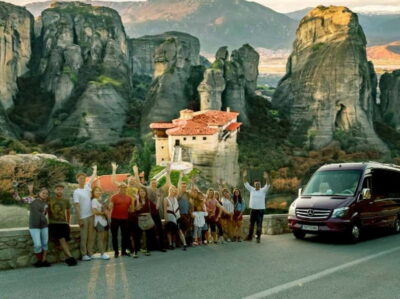
When you reach Kalambaka, a guide should meet you with a sign showing your name. From there, you join the local group and transfer to an air-conditioned Mercedes minibus or similar vehicle. The tour vehicle includes Wi-Fi and USB charging, useful after a morning spent taking photographs.
The group limit is 15 people, although transport arrangements can occasionally change. Most accounts describe the local guide and driver as the best part of the organized tour. Chrysa has been praised for her warmth and stories about the monasteries, while Joanna, Kris, Juliana, Celia, and other local guides have received strong praise for their care and explanations.
The guide is not a licensed monastery guide working inside each building. Instead, the tour leader explains the area, rock formations, religious traditions, and history while moving between stops. That distinction matters if you want detailed commentary in every chapel or museum room.
Drivers also play a useful role. They know where to stop for wide views and memorable photographs, and several guides or drivers have helped take pictures for couples, solo visitors, and families. That small service can make a real difference when you are traveling without another person to hold the camera.
The six monasteries and three interior visits
The route is built around all six remaining monasteries. You see each from the outside, then enter three based on the day’s opening schedule. The exact combination can vary, so do not book this expecting a specific trio every time.
Great Meteoron is the oldest and largest monastery. It is an important stop for understanding how the communities developed, but reaching the entrance involves stairs and uneven paths. If you have limited mobility or a knee problem, take your time and ask the guide about the easiest approach.
Varlaam is the second-largest monastery. It offers another strong view of the rock formations and adds variety after Great Meteoron. Its access route also involves steps, so comfortable shoes are essential.
Saint Stephen’s is the easiest monastery to reach. Its access makes it a helpful stop for anyone concerned about climbing, though you should still expect uneven ground and some walking.
Holy Trinity is the most difficult to access. Its dramatic position is familiar from a James Bond film, but the movie connection should not distract from the real challenge: stairs and a cliff-side route. The views are excellent, but this is the stop to approach honestly if you dislike heights or strenuous climbs.
Roussanou is relatively easy to access compared with some of the others. It sits beautifully among the rock towers and often provides one of the most photogenic views of the entire route.
Saint Nicholas is the first monastery you meet on the way into Meteora. It is smaller and important for its iconography, giving you a different experience from the larger complexes.
Inside the three monasteries, you may see chapels, religious art, icons, and old stone buildings. Dress respectfully for Orthodox religious sites. The tour provides access to three interiors, but the available time is limited by the train schedule. You will get a meaningful introduction, not an hour-by-hour study of every painting.
More Meteora monastery days:
- Meteora: Majestic Sunset Tour & Monasteries with Local Guide
★ 4.7 · 359 reviews - Meteora Monasteries Half-Day Small Group Tour with Transport
★ 5.0 · 339 reviews - Meteora: Panoramic Morning Small Group Tour with Local Guide
★ 4.7 · 334 reviews - Meteora Panoramic Morning Small Group Tour with Local Guide
★ 5.0 · 311 reviews
The Hermit Caves and the giant rock views
The Hermit Caves add a human side to Meteora’s dramatic setting. Long before roads brought visitors up the mountain, hermits used natural openings in the rocks as places of retreat and prayer. The stop helps you understand why these cliffs attracted religious communities in the first place.
The caves are also a good counterpoint to the grand monasteries. At the monasteries, you see organized religious buildings. At the caves, you get a sense of the solitude that came first. The route includes photo stops around the rock pillars, and your guide can point out views that are difficult to identify from the road alone.
Bring a phone or camera with plenty of battery. Wi-Fi and USB chargers are provided on the minibus, but a full day of photographs can still drain a device. One practical approach is to carry a power bank and save some storage before leaving Athens.
Lunch in Kastraki and free time in Kalambaka
The itinerary includes a short stop of about 20 minutes in Kastraki for lunch, a break, coffee, or a food-market visit. In practice, lunch may also be arranged at a local family restaurant, with a generous Greek meal available for about €15 according to the experience details.
The food is not included, so you should budget separately. The short stop is useful, but it is not a leisurely meal with plenty of time for wandering. If you prefer a quick coffee and snack, that may be the better choice.
After the monastery route, you have about an hour in Kalambaka before the return journey. This is enough time for lunch or coffee under the towering rocks, but not enough for a second major attraction. The guide gives you clear instructions for returning to the train station, which is important because the return trip is not accompanied by a guide from Athens.
The real cost of the day
The listed price is $126.71 per person. That includes round-trip train tickets, the local minibus, an English-speaking tour leader, bottled water, Wi-Fi, USB chargers, the exterior views of all six monasteries, three interior visits, and the hermit caves.
You still pay €5 for each monastery entrance, and cash is required. Since three monasteries are visited inside, plan on approximately €15 per person for admission. Lunch, travel to Larissis Station, insurance, and gratuities are also extra.
I consider the price fair if you have only one spare day and want someone else to organize the difficult part in Kalambaka. You get local transport, route planning, monastery access, and help with the return connection. The value drops if you dislike long train journeys or want several hours inside each monastery. In that case, an overnight stay in Kalambaka would give you a calmer visit and more time in the area.
Fitness, clothing, and comfort
You should be comfortable with a full day of sitting followed by several hours of walking. Paths can be steep, uneven, and exposed, and some monasteries require many stairs. One person with a recent knee replacement managed the route, but that does not make it easy for everyone.
Wear shoes with a firm grip. Bring water, sun protection, and a light layer for changing conditions. The minibus has air conditioning, but one rear-seat passenger found the cooling weak during a hot day, so dress for warmth as well as sun.
Most people can take part, and service animals are allowed. Still, the tour is not a good match if you need a slow pace, frequent long breaks, or step-free access. Ask yourself whether you can handle a 14-hour day before booking.
Who should book this Meteora day trip?
I would choose this tour if you are staying in Athens, have only one available day, and want to see Meteora without renting a car. It works particularly well for couples, families with older children, solo visitors, and anyone who values a local driver and guide once the train arrives.
Families can benefit from the informal style of the small group. One guide, Chrysa, was especially good at involving children aged 7 and 11 by giving them small history tasks during the route. That kind of personal attention is more likely in a group capped at 15 than on a large coach.
I would not choose it if your main goal is a slow study of Orthodox art or a relaxed mountain stay. The rail journey can take three and a half to four hours each way, and a replacement bus may be added. You spend much of the day in transit for around three to four hours of sightseeing.
The free cancellation policy allows cancellation at least 24 hours before the start time for a full refund. Weather-related cancellations offer a different date or a full refund. Keep an eye on the train-ticket email, since missing the train can ruin the entire day.
Should you book it?
Book this Meteora tour if the sight itself is high on your Greece wish list and you can accept the long journey. The cliff-top monasteries, hermit caves, wide views, and strong local guides make the destination worth serious effort.
Skip it for now if you have two days available. An overnight visit would reduce the pressure, give you more time in Kalambaka, and make the monasteries feel less like stops between train connections. For a one-day visit from Athens, though, this is one of the more practical ways to see Meteora, as long as you arrive prepared for stairs, cash payments, changing transport, and a very late return.
FAQ
How long does the Athens to Meteora tour take?
The experience lasts about 14 hours. The day begins around 7:00 a.m., and the return to Athens may be around 10:00 p.m.
Where do I catch the train in Athens?
You catch the train at Larissis Station, Athens’ main railway station. The station is above the Larissa metro stop, and one departure has used platform 8, so confirm the platform before boarding.
Will a guide meet me in Athens?
No. You travel from Athens independently using the train e-tickets sent by email. The local guide meets you in Kalambaka with a sign showing your name.
How many monasteries can I visit?
You see all six remaining monasteries from the outside and enter three of them. The three interior visits depend on the arrival day and monastery schedule.
Are monastery entrance fees included?
No. Entrance costs €5 per monastery, and cash is required because credit cards are not accepted for these fees.
Is lunch included?
No. Lunch is not included. The route provides a short break in Kastraki, and you have about an hour in Kalambaka for food or coffee.
More Historical Tours in Meteora
- Discover Meteora’s Monastic Heritage: Personalized Private Tour
★ 5.0 · 122 reviews - Historical Delphi One Day Tour with Arachova Stop & Expert Guide
★ 4.5 · 1,247 reviews - Historic Athens: Small Group Electric Bike Tour
★ 4.9 · 740 reviews - Naxos Half Day History and Culture Guided Tour
★ 5.0 · 491 reviews
More Train Experiences in Meteora
- Chersonissos: Mini-Train City Highlights Tour
★ 3.8 · 148 reviews - Corinth, Cave of Lakes, Odontotos Railway Private Tour with Greek Lunch Included
★ 5.0 · 141 reviews - Mount Olympus And Dion Full-Day Tour From Athens By Train
★ 4.5 · 59 reviews - From Athens: Meteora Train Trip with Overnight Stay
★ 4.8 · 40 reviews
Just added around Meteora
- Meteora Evening Tour with Breathtaking Sunset View★ 5.0 · 44 reviews
- Sunset Meteora Tour on E-Bike★ 5.0 · 46 reviews
- Private Tour: Meteora Tour with Transport from Kalambaka★ 5.0 · 50 reviews
- Meteora Motorized or Footlaunch Flight Experience★ 5.0 · 54 reviews
- Meteora Sunset Tour on E-bikes★ 5.0 · 54 reviews
- Meteora: Sunset Hike to Secret Caves★ 4.9 · 56 reviews
- Meteora: Guided Sunset Tour with Monasteries and Caves Visit★ 5.0 · 58 reviews
- Meteora: Monasteries Tour with Lunch and Athens Transfer Option★ 5.0 · 64 reviews
Meteora Monastery Tours, compared.
Meteora Monasteries Day Trip with Caves and Lunch
Read our review →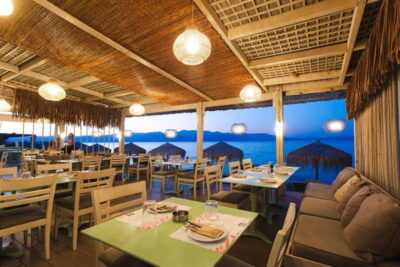

Meteora Tour with Local Guide and Greek Lunch
Read our review →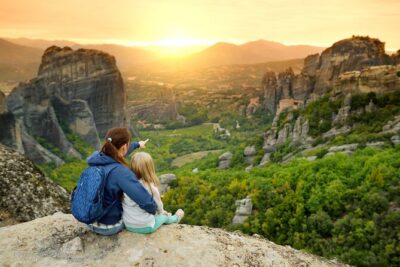
Meteora Monasteries, Caves & Coastal Stopovers with Lunch
Read our review →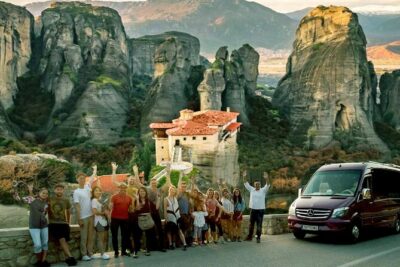
Meteora Monasteries & Caves DayTrip from Athens with Greek Lunch
Read our review →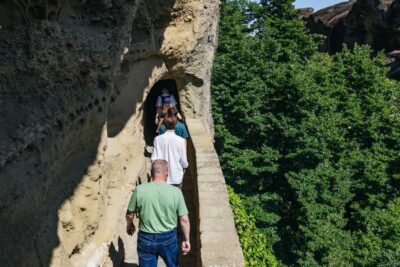
4-Day Classical Greece Tour: Epidaurus, Mycenae, Olympia, Delphi, Meteora
Read our review →Browse the lists this tour appears in