
Reviewed · METEORA MONASTERY TOURS
Meteora Monasteries & Caves DayTrip from Athens with Greek Lunch
Meteora looks almost invented. This long day from Athens makes the UNESCO World Heritage Site possible without a rental car, train planning, or an overnight stay. I especially like the panoramic circuit around all six monasteries and the chance to enter three of them, while guides such as Maria, Clement, and Giannis add useful stories to the views. The main drawback is the schedule: about 14 hours is a lot of road time for a few hours among the rocks.
The air-conditioned coach has Wi-Fi and USB chargers, and a stop at Kamena Vourla breaks up the ride beside the sea. I also like the visit to the Hermit Caves, which gives the day more meaning than a simple monastery photo stop. Still, weather, traffic, strikes, and the long return drive can affect how much time you actually get at Meteora.
In This Review
- Key points before you book
- Why Meteora is worth the long road from Athens
- Leaving Athens from Larissis Station
- Kamena Vourla gives you a useful break
- Kalambaka and Kastraki: the gateway to the rocks
- Optional lunch near Meteora
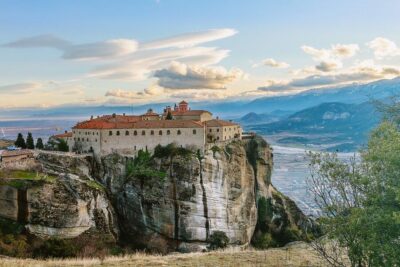
- Great Meteoron, the oldest and largest monastery
- Varlaam brings art, views, and more steps
- Hermit Caves and Saint Nicholas Badovas
- St Stephen offers the easiest monastery approach
- Holy Trinity is the postcard view
- Rousanou and Saint Nicholas complete the circuit
- The guide can make or break the day
- Weather and road delays need a realistic plan
- Who should book this Meteora tour?
- Should you book it?
- FAQ
- How long does the Meteora day trip from Athens last?
- Where does the tour depart from in Athens?
- How many monasteries do you visit?
- How much are the monastery entrance fees?
- Is lunch included?
- Is the tour suitable for people with mobility concerns?
- What clothing is required inside the monasteries?
- Is a guide available in languages other than English?
Key points before you book
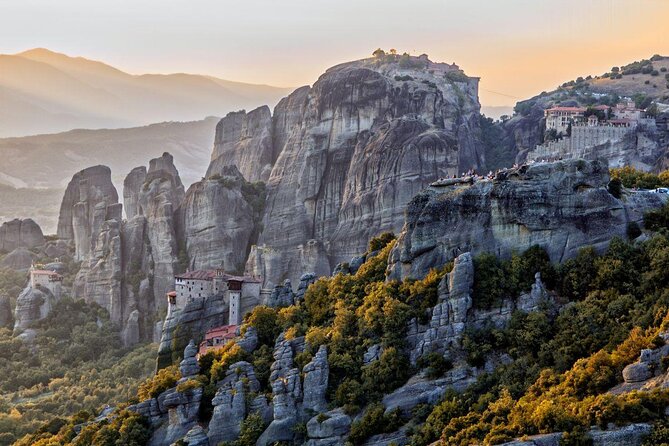
- Six monasteries in one circuit: You see all six from outside and stop to enter the three most popular.
- Hermit caves included: The cliffs reveal the early, solitary side of Meteora’s religious story.
- A very long Athens day: Departure is at 8:00 a.m., with arrival back near 10:30 p.m. under normal conditions.
- Three monastery entrance fees: Each monastery charges €5, payable in cash, and there is no ATM in the area.
- Guide quality matters: Maria and Clement receive especially warm praise for their energy, care, and storytelling.
- Lunch is optional: Add it when booking, or use the break to buy food or bring your own.
Why Meteora is worth the long road from Athens
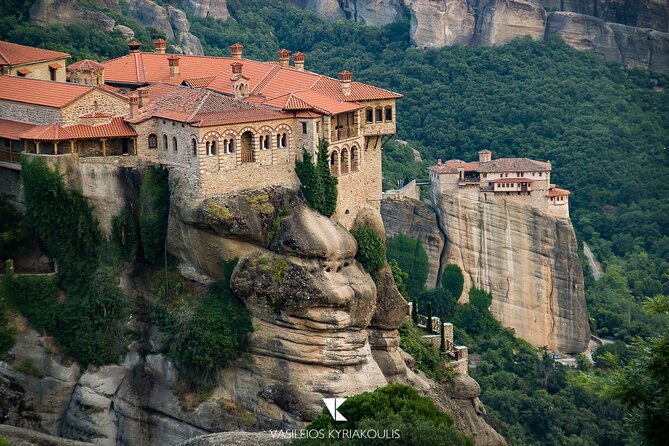
Meteora is one of Greece’s most unusual sights. Tall rock towers rise from the plain near Kalambaka, and monasteries sit on top of or against those cliffs. The setting is not just scenic. It explains why monks came here seeking solitude and why building a monastery required extraordinary effort.
From Athens, the coach takes roughly four hours each way in normal conditions. That makes this a demanding day, but it is also a practical answer for anyone with only a few days in Greece. You can see one of the country’s great sights without driving unfamiliar roads or arranging separate local transport.
The value is strongest when you compare the $87.07 starting price with the work involved. That price includes round-trip coach transport, a local tour leader, the Meteora circuit, photo stops, a map, and multilingual audio-guide access. Lunch costs extra if you select it. Monastery admission also costs extra, at €5 per monastery.
If you are staying longer in Greece, I would prefer an overnight near Kalambaka or Kastraki. You would have more time for the monasteries, the town, and walking routes. But if Athens is your base and your schedule is tight, this organized day is a sensible compromise.
More Monastery Tours in Athens
- Athens: Meteora Monasteries Day Trip with Caves and Lunch
★ 4.7 · 2,964 reviews - Athens: Meteora Monasteries Day Tour with Lunch
★ 4.8 · 2,196 reviews - Athens: Meteora Monasteries, Caves & Coastal Stopovers with Lunch
★ 4.5 · 1,432 reviews
Leaving Athens from Larissis Station
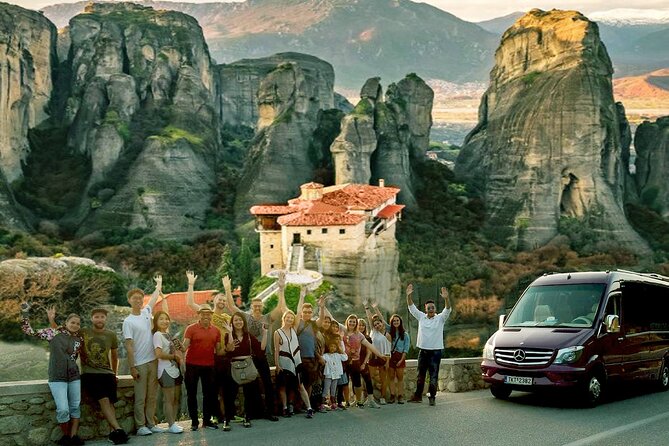
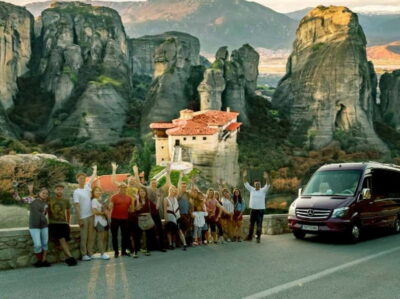
The day begins at Athens’ Larissis Station at 8:00 a.m. You need to be there at least 15 minutes early. The coach waits across the road from the station, with Meteora Thrones, Travel Center signs on the windows and side of the bus.
This detail matters. The supplier says it is not responsible if you miss the departure, so do not treat 8:00 as a loose suggestion. The activity ends back at the same meeting point, usually around 10:30 p.m.
The coach is air-conditioned and fitted with USB chargers. Free Wi-Fi is advertised, though one negative account reported that it was not working. Seat comfort may also vary. One person found the back row especially uncomfortable, while others described the bus as comfortable and the drivers as safe and professional.
The journey includes a short break midway. The road runs through central Greece, with countryside views and, during the Kamena Vourla stop, the coastline to your right. On a clear day, you can see Evia across the water.
Kamena Vourla gives you a useful break
The stop at Kamena Vourla lasts about 30 minutes. It is beside the sea, at a restaurant and rest stop used to break up the drive.
This is not a sightseeing stop in the usual sense. Think of it as a chance to stretch your legs, use the facilities, buy a snack, and look across the water. The pause makes the first half of the ride easier, especially if you are traveling with children.
Bring a small snack anyway. The day is long, and the timing can shift if traffic or road conditions cause delays. The tour information describes additional food stops, but the schedule can become compressed when the coach meets congestion.
Kalambaka and Kastraki: the gateway to the rocks
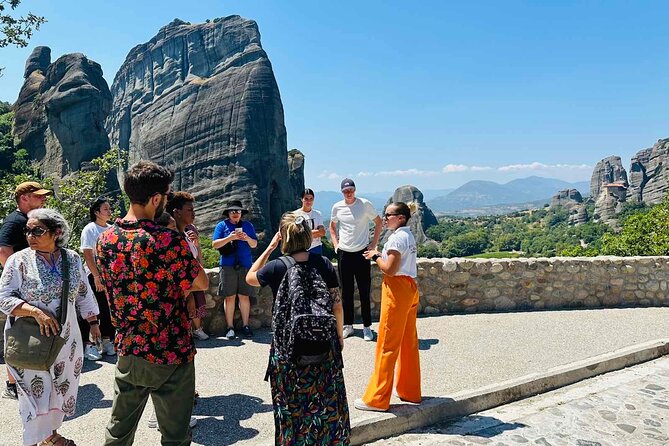
You reach Kalambaka around 12:30 p.m. under the planned schedule. Your local tour leader meets you at the bus stop. The route then takes you toward Kastraki, a small village below the rock towers.
Kastraki gives you the first close sense of Meteora’s scale. Stone houses and narrow roads sit beneath cliffs that seem too steep and high for monasteries to occupy. It is a quiet mountain village and a useful reminder that Meteora is a lived-in place, not only a monument.
The tour does not give you a long free period in Kastraki. You see the village during the monastery circuit and learn about the nearby town of Kalambaka. If you want cafés, shops, or a slower look at village life, an overnight visit would serve you better.
More Meteora monastery days:
- Athens: Meteora Tour with Local Guide and Greek Lunch
★ 4.8 · 1,561 reviews - From Athens: Delphi and Meteora 2-Day Guided Tour
★ 4.5 · 825 reviews - 4-Day Classical Greece Tour: Epidaurus, Mycenae, Olympia, Delphi, Meteora
★ 4.5 · 732 reviews - Athens: Meteora Monasteries, Hermit Caves Tour with Pickup
★ 4.5 · 724 reviews
Optional lunch near Meteora
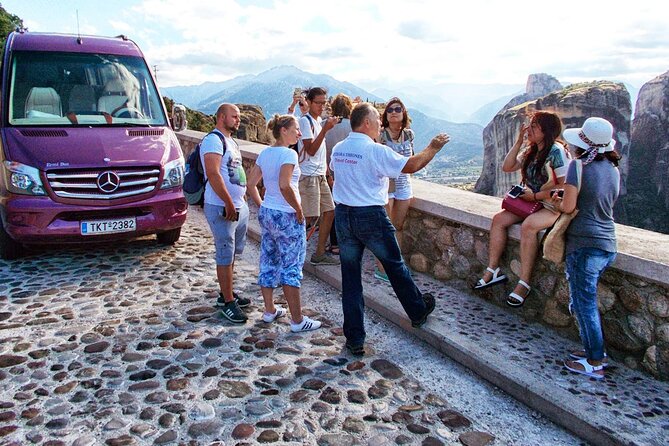
If you add lunch, the meal includes a main dish, Greek salad, bread, and water. Vegetarian and vegan choices are available. The selection is described as a choice of one dish from several options, and some meal descriptions refer to buffet-style service with choices such as pasta, fried fish, moussaka, chicken, rice, and Greek salad.
Expect a practical local meal, not a long restaurant experience. Some diners enjoyed the food and found it efficient and filling. Others found the setting closer to cafeteria service and the meal less impressive than the phrase best local restaurant suggests.
My advice is simple: include lunch if you value convenience and do not want to think about food during a packed day. Skip it if you are picky about meals, want more control, or prefer to buy food at a rest stop. The lunch break is about 30 minutes, so you will not have much time to linger.
Great Meteoron, the oldest and largest monastery
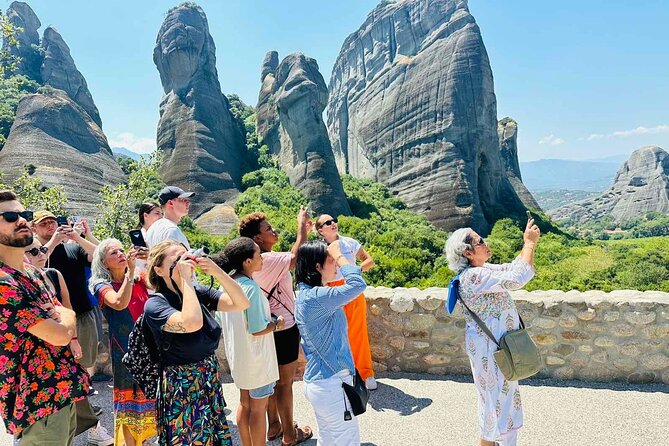
Great Meteoron is the headline stop. Founded in the 14th century by Saint Athanasios, it is the largest and oldest monastery in Meteora.
Inside, you can see chapels, frescoes, and a small museum. The position high above the plain gives you sweeping views of the surrounding rock formations. The approach includes steps, and the monastery has no elevator.
This is one of the places where sturdy shoes and a steady pace help. You do not need to race to the top. The tour allows about an hour here, which gives you time to climb, look through the religious rooms, and take photographs, though it is not enough for a slow exploration.
Admission is not included. Budget €5 in cash for each monastery you enter. Since there is no ATM in the area, prepare the money before leaving Athens.
Varlaam brings art, views, and more steps
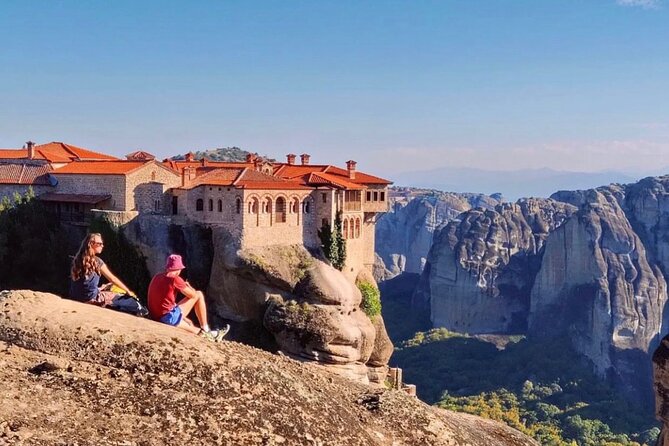
Varlaam is the second-largest monastery and dates from the 16th century. Its setting is dramatic, but the interior details make the visit worthwhile too.
You can see frescoes, a large wooden barrel, and a quiet courtyard. The climb rewards you with broad views across the valley and toward other rock pillars. The planned stop is about 45 minutes.
Great Meteoron and Varlaam are likely to be the most demanding pair for people who dislike stairs. The tour does not require you to enter every monastery, but the three interior visits involve climbing. Wear clothing suitable for a religious site and shoes that handle uneven steps.
Hermit Caves and Saint Nicholas Badovas
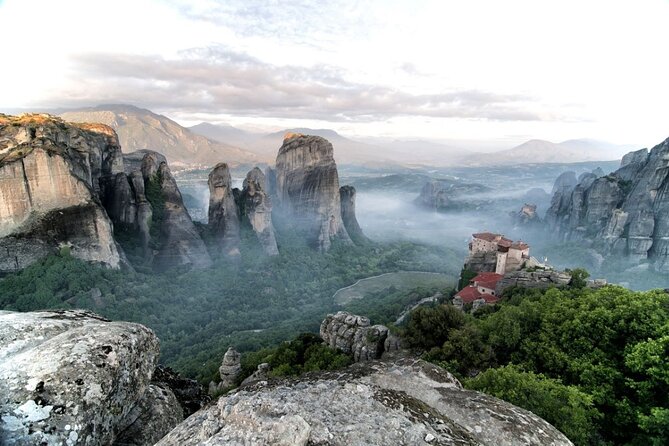
The Hermit Caves offer a different kind of encounter with Meteora. Before the larger monasteries developed, ascetics lived in small shelters cut into the cliffs. These caves show how severe and solitary early monastic life could be.
You also see the hermitage of Badovas and the cliffside Monastery of Saint Nicholas Badovas. This is a shorter stop, about 15 minutes, and the caves are mainly viewed as part of the guided route rather than explored like a hiking site.
I consider this one of the most valuable parts of the day. The large monasteries are spectacular, but the caves explain the beginning of the story. They make the place feel less like a collection of grand buildings and more like a remote religious community shaped by rock and solitude.
St Stephen offers the easiest monastery approach
Agios Stefanos, or St Stephen, is the most accessible of the six monasteries. A small bridge replaces a long stair climb, making this a helpful stop for anyone concerned about steep approaches.
It is now a nunnery. Inside, you can see frescoes and a peaceful chapel. The position gives views over Kalambaka and the plain below. The scheduled visit lasts about 40 minutes.
Modest clothing is required. Women need a skirt at or below the knee and may not wear trousers, shorts, or sleeveless tops. Men may not wear sleeveless shirts or shorts above the knee. Take these rules seriously, or you may not be allowed inside. It is wise to carry a cover-up or long skirt rather than rely on finding one at the entrance.
Holy Trinity is the postcard view
Holy Trinity is one of Meteora’s most recognizable monasteries. It sits on a steep rock and dates from the 15th century. The climb includes a path and stairs cut into the rock.
At the top, you get the kind of view that explains why Meteora attracts people from around the world. The rock towers, valley, and monastery architecture come together in one frame. The planned stop is about 35 minutes, so take photographs early and keep an eye on the meeting time.
This is not the easiest monastery for anyone with mobility concerns. There are no elevators, and the access route requires steps. The tour is suitable for most people, but you should be honest with yourself about balance, stamina, and steep climbs.
Rousanou and Saint Nicholas complete the circuit
Rousanou, also called Saint Barbara, sits on a narrow rock pillar and dates from the 16th century. It is now home to nuns and is known for its frescoes, architecture, and balconies with striking views.
The stop lasts about 35 minutes. It is a good place to pause after the harder climbs because the setting does much of the work. You can appreciate the monastery’s position without needing a long visit to understand why it is so photogenic.
Saint Nicholas Anapafsas is the smallest monastery in the group. Built on a narrow rock with limited space, it is compact but filled with important artwork, including frescoes by Theophanis Strelitzas. The planned visit lasts about 15 minutes.
The tour presents all six monasteries from the outside and enters the three most popular. The exact three can depend on opening hours, seasonal conditions, and the day’s timing. Road delays have caused some departures to reach Meteora late, which can result in a rushed visit or fewer interiors before closing.
The guide can make or break the day
The ride from Athens is long, and the guide does not join you until Kalambaka. During the coach portion, you should expect transport rather than a continuously narrated tour.
Once in Meteora, the local leader adds context about the monks, the caves, monasteries, and surrounding towns. Maria and Clement receive especially strong praise for being friendly, energetic, and attentive. Clement is also praised for bringing the history and geography to life for families with children. Giannis has been described as warm and well informed.
A multilingual smart audio guide is available in English, Spanish, French, Italian, German, Portuguese, Dutch, Polish, Russian, Japanese, Korean, and Chinese. The tour itself is guided in English or Spanish with a live local guide.
This arrangement gives you flexibility. You can listen to the audio guide in your preferred language while still asking the local leader practical questions. Do not expect a private guide inside each monastery. Commentary inside the holy sites is not included, though the audio guide is available.
Weather and road delays need a realistic plan
Meteora is at its best when the rock towers are clear, but mist and fog can change the day. Poor visibility may hide the monasteries and reduce the value of the photo stops. Check the forecast before booking if the views are your main reason for going.
Road conditions are the bigger risk. Farmers’ protests have caused highway blockages and long detours in the past, turning a four-hour ride into six hours or more. Some departures arrived late, saw fewer monasteries, or returned to Athens well after the planned time.
These disruptions are not normal on every departure, but they show why you should avoid scheduling an important flight, dinner reservation, or late-night connection immediately afterward. The planned return is about 10:30 p.m. Even without a protest, it is a full day.
Who should book this Meteora tour?
I would choose this trip if you are based in Athens, have limited time, and want the simplest way to reach Meteora. It suits people who prefer not to drive, families who appreciate scheduled breaks, and anyone who wants a broad overview rather than a slow, focused visit.
It is also a good fit if you want to see all six monasteries from different viewpoints. The coach handles the long road, the local guide handles the route, and the audio guide fills in details at your own pace.
I would hesitate if you dislike long bus rides, need a relaxed lunch, have difficulty with stairs, or want substantial time in Kalambaka and Kastraki. In those cases, stay overnight. Meteora rewards patience, and one day from Athens gives you the highlights but not much breathing room.
Should you book it?
Book this day trip if seeing Meteora is a priority and Athens is your only practical base. At $87.07, the transport, local guide, monastery circuit, photo stops, map, and audio options offer good value, especially compared with arranging a car and local route yourself.
Go in with clear expectations: this is an efficient sight-packed day, not a leisurely retreat. Bring cash for the €5 monastery fees, modest clothing, water, snacks, and a phone charger. If Maria, Clement, or Giannis leads your group, you are likely to get an especially warm and informative introduction to the site.
If you can spare one night, choose that instead. If you cannot, this tour is a worthwhile way to reach one of Greece’s most remarkable places, provided you are ready for the road.
FAQ
How long does the Meteora day trip from Athens last?
The experience lasts about 14 hours. It departs Larissis Station at 8:00 a.m. and is scheduled to return to the same meeting point around 10:30 p.m.
Where does the tour depart from in Athens?
The departure point is Athens’ Larissis Station. The coach waits across the road from the station and carries Meteora Thrones, Travel Center signs.
How many monasteries do you visit?
You see all six monasteries from panoramic viewpoints and visit inside the three most popular monasteries. Entrance fees are not included.
How much are the monastery entrance fees?
Each Meteora monastery charges €5 per person. You should bring cash because there is no ATM in the area.
Is lunch included?
Lunch is included only if you select that option when booking. The meal includes a main dish, Greek salad, bread, and water, with vegetarian and vegan choices available.
Is the tour suitable for people with mobility concerns?
The monasteries involve climbing steps, and there are no elevators. Agios Stefanos is the most accessible because it can be reached by a small bridge instead of a long staircase.
What clothing is required inside the monasteries?
Women need skirts at or below the knee and may not wear trousers, shorts, or sleeveless shirts. Men may not wear sleeveless clothing or shorts above the knee.
Is a guide available in languages other than English?
The live tour is guided in English or Spanish. A smart audio guide is available in English, French, Italian, Dutch, Spanish, Portuguese, Polish, Russian, Japanese, Korean, and Chinese.
More Lunch Experiences in Athens
- All Day Cruise -3 Islands to Agistri,Moni, Aegina with lunch and drinks included
★ 5.0 · 4,958 reviews - From Athens: Hydra, Poros, and Aegina Day Cruise with Lunch
★ 4.1 · 4,305 reviews - Athens cruise: Agistri, Moni/Metopi, Aegina with lunch & drinks
★ 5.0 · 1,783 reviews - Athens: Delphi Guided Trip with Optional Lunch and Entry
★ 4.7 · 1,553 reviews
Just added around Athens
- Athens Hotels to Athens Airport Private Departure Transfer★ 5.0 · 40 reviews
- Private One-way Transfer between Athens International Airport and Athens Hotels★ 4.5 · 40 reviews
- Athens: Acropolis Museum Ticket with Self-Guided Audio tour App★ 3.5 · 40 reviews
- From Athens: Meteora Train Trip with Overnight Stay★ 4.8 · 40 reviews
- Athens Photography Tour★ 5.0 · 40 reviews
- Athens: Acropolis Visit and City Night Tour★ 4.7 · 40 reviews
- Delphi Full Day Private Trip From Athens With Lunch Overlooking the Sea★ 5.0 · 40 reviews
- Acropolis & Plaka Neighbourhood Private Tour with Licensed Expert★ 5.0 · 40 reviews
Meteora Monastery Tours, compared.
Meteora Monasteries Day Trip with Caves and Lunch
Read our review →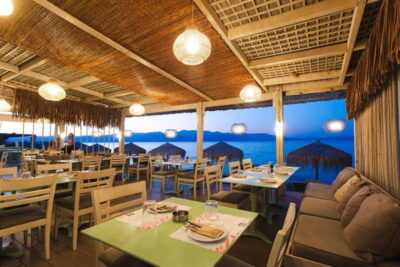

Meteora Tour with Local Guide and Greek Lunch
Read our review →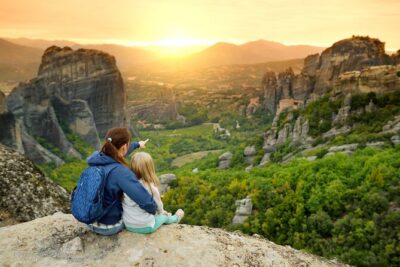
Meteora Monasteries, Caves & Coastal Stopovers with Lunch
Read our review →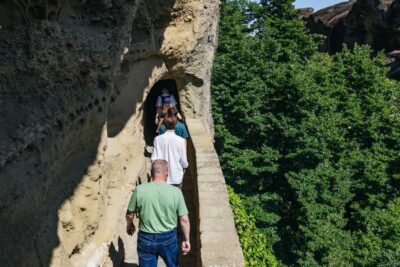
4-Day Classical Greece Tour: Epidaurus, Mycenae, Olympia, Delphi, Meteora
Read our review →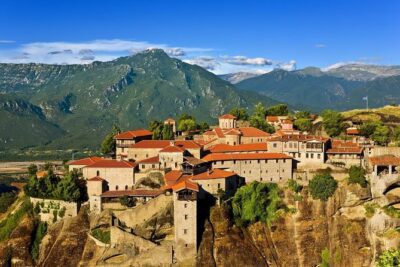
Meteora Monasteries, Hermit Caves Tour with Pickup
Read our review →Browse the lists this tour appears in