
Reviewed · MUSEUMS
Lychnostatis Open Air Museum: Entry Ticket with Add-Ons
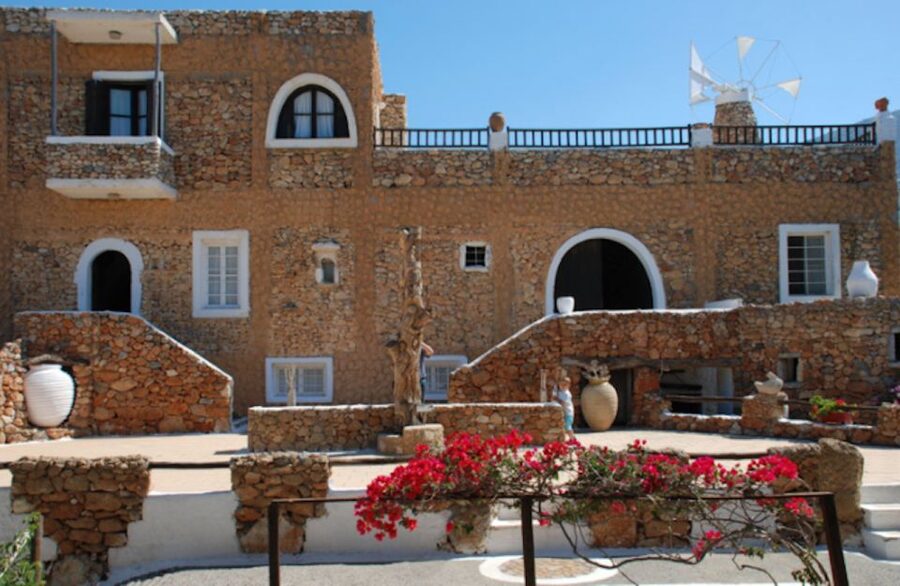
Step into old Crete without leaving Hersonissos. Lychnostatis Open Air Museum turns Cretan folk life into something you can see, touch, and understand, with traditional homes, working workshops, gardens, tools, and cultural displays arranged like a small village.
I like the way the museum connects ordinary objects to daily life from roughly 200 years ago. I also like the chance to finish with a traditional drink or sweet at the café, although the museum is self-guided unless you add the private tour, and the available guide language is Greek.
- Traditional Cretan homes: Enter dwellings furnished and arranged to show how people lived in the past.
- Working heritage displays: See an olive oil press, raki distillery, threshing floor, windmills, workshops, and everyday tools.
- Culture beyond buildings: The museum also covers Cretan nature, herbs, fruit, minerals, bees, wax, and local craft.
- Optional add-ons: Choose an audiovisual film or a private guided group tour for more context.
- A useful low-cost stop: At $10 per person, the ticket offers plenty to examine without requiring a full-day commitment.
- A traditional finish: Stop at the café for a typical Cretan drink or sweet after exploring.
In This Review
- What Makes Lychnostatis Different
- Traditional Houses and the Feel of Everyday Life
- Olive Oil, Raki, and the Work Behind the Food
- Workshops That Keep Old Skills Visible
- Gardens, Herbs, Minerals, and Cretan Nature
- Chapel, Theater, Library, and Temporary Exhibits
- Should You Add the Film or Private Tour?
- Timing, Access, and Getting There
- Practical Tips for a Better Visit
- Who Should Book Lychnostatis?
- FAQ
- Where is the Lychnostatis Open Air Museum?
- How much does admission cost?
- How long is the ticket valid?
- What does the entry ticket include?
- Is a guided tour available?
- Is an audiovisual film available?
- Is the museum wheelchair accessible?
- Can I cancel the booking?
What Makes Lychnostatis Different
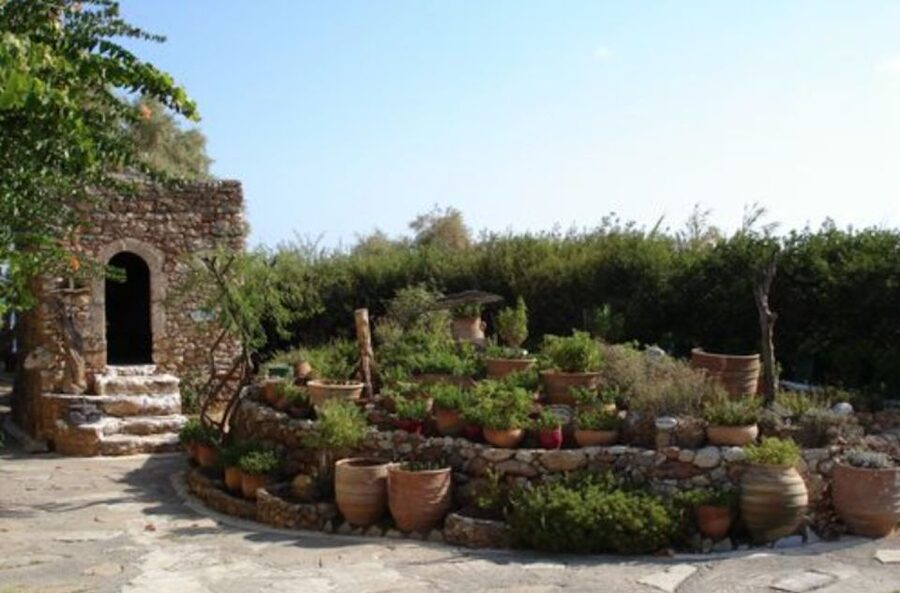
Many museums ask you to look through glass at objects from the past. Lychnostatis takes another route. It recreates parts of a Cretan village, so you can move from a traditional house to a distillery, then on to a weaving area, herb garden, or carpentry workshop.
That setting matters. A tool is easier to understand when you see it beside the work it supported. An olive press tells you more when you can place it within the wider story of farming, food, and household life.
The museum focuses on three connected subjects: Cretan folk tradition and ethnology, Cretan nature and the environment, and Cretan folk culture. You are not only looking at old furniture or farm equipment. You are seeing how materials, food, work, belief, and nature shaped life on the island.
The visit is also flexible. Your ticket gives you a full day of validity, but the museum does not require you to follow a fixed route or timetable. You can move at your own pace, spend longer in the areas that interest you, and add a film or private tour if you want more guidance.
Traditional Houses and the Feel of Everyday Life
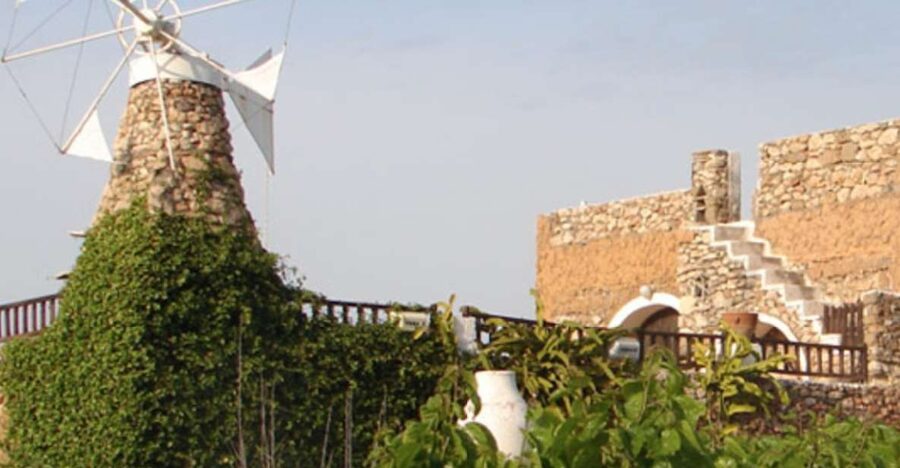
The traditional village house is one of the most useful places to begin. Entering the building gives you a sense of scale and routine that a written panel cannot provide. Rooms, tools, and household objects show how much of daily life depended on local materials and practical skill.
I would give this section time instead of rushing through it for the workshops. Look at how the home is arranged, notice the work implied by the objects, and think about the difference between seeing a tool alone and seeing it in a domestic setting.
The museum is designed to show Cretan life from about two centuries ago, while also presenting traditions that reach much further back. That does not mean every object belongs to one precise date. It means the displays help you connect older customs with the island’s longer cultural story.
This part should suit families particularly well. Children can understand a house, a mill, or a workshop more quickly than an abstract account of social history. Adults who enjoy architecture, food traditions, or rural life will also find plenty to inspect.
More Museums in Crete
- Crete: Knossos Palace and Museum E-Tickets with Audio Guides
★ 4.0 · 828 reviews - Heraklion Archaeological Museum Ticket & Audio Guide
★ 4.3 · 396 reviews - Minoans World 3D Museum & 9D Cinema
★ 4.5 · 315 reviews
Olive Oil, Raki, and the Work Behind the Food
The olive oil press and tsikoudia distillery give the museum a strong connection to Cretan food culture. Olive oil is not presented merely as something on a restaurant table. The press shows the labor and equipment behind a basic part of island cooking.
The raki distillery, also called a tsikoudia distillery, is another memorable stop. Tsikoudia is a traditional Cretan spirit, and seeing the distillery helps explain its place in local life. You may find this section especially rewarding if you have already encountered raki in a taverna and want to understand more about it.
The café provides a pleasant ending to this theme. You can stop for a typical beverage or sweet, though food and drinks are not included in the admission price. That extra cost is easy to plan for, and it gives you a chance to sit down after walking through the open-air grounds.
The museum also includes a threshing floor and windmills. These displays widen the story from finished food to farming, grain, and mechanical work. Together, the press, distillery, threshing floor, and windmills create one of the clearest sections of the visit.
Workshops That Keep Old Skills Visible
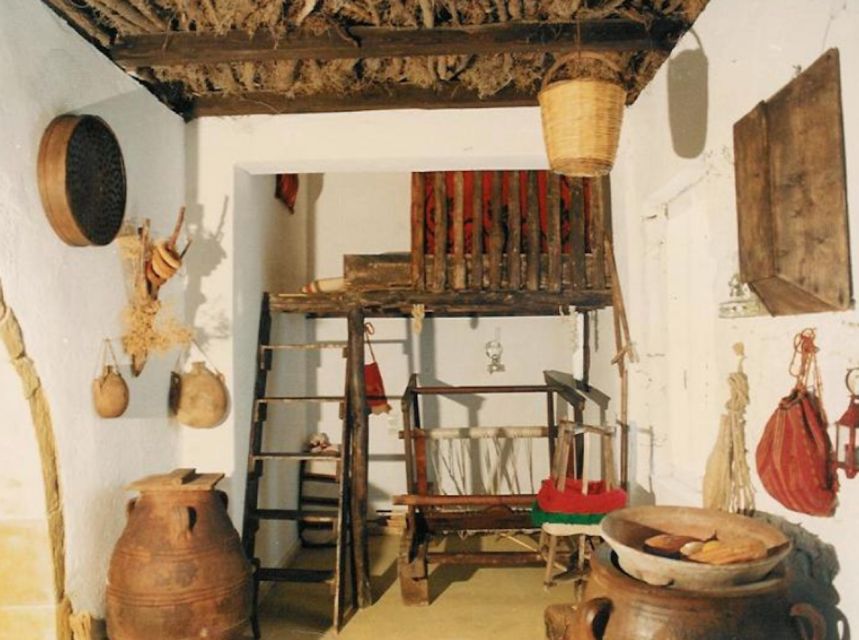
Lychnostatis includes a long list of craft and trade displays. You can see areas devoted to ceramics, weaving, plant dyeing, bees and wax, shoe-making, and carpentry.
These are not random collections of old objects. They show how useful goods were made before industrial products became common. A weaving workshop can help you understand the source of household textiles. A plant-dying area links craft to local vegetation. A shoe-making display connects raw materials with a finished item you would use every day.
The bees and wax workshop adds another practical thread. Wax had many uses, and beekeeping depended on both skill and the local environment. The museum’s approach lets you consider how one natural product could support household, craft, or community needs.
The ceramic shop and folk artists’ gallery offer a more visual side of Cretan culture. You can compare practical pottery with decorative work and see how traditional forms continue to influence local art. The souvenir shop is also on site, so you can browse after the main visit rather than carrying purchases around the whole museum.
You should not expect every workshop to operate like a live demonstration. The supplied information confirms the presence of these areas, but not a daily schedule of active craft production. Treat them as interpretive displays unless the museum tells you otherwise on the day.
Gardens, Herbs, Minerals, and Cretan Nature
The museum gives nature nearly as much attention as folk culture. Its grounds include a herbarium, Cretan fruit garden, herb garden, and an exhibition of minerals and stones.
This is useful because Cretan tradition did not develop separately from the island’s plants, soil, and animals. Herbs could be used in food or household practice. Fruit trees supported seasonal life. Stone and minerals formed part of the physical setting and the materials people worked with.
The gardens also break up the indoor and workshop sections. If you prefer an open-air visit to a series of enclosed rooms, you will appreciate the change of pace. At the same time, much of the experience takes place outside, so comfortable shoes and protection from strong sun are sensible choices, even though specific clothing advice is not provided.
The museum’s environmental displays make the visit broader than a simple folk museum. You get a picture of how local people used what was around them, rather than seeing culture as a collection of costumes and souvenirs.
More things to do in Crete:
- From Kissamos Port: Boat Cruise to Balos Lagoon & Gramvousa
★ 4.2 · 6,755 reviews - Crete: Day Trip to Agios Nikolaos and Spinalonga Island
★ 4.6 · 4,416 reviews - From Chania: Full-Day Samaria Gorge Trek Excursion & Guide
★ 4.6 · 3,191 reviews - Agios Nikolaos: Boat Trip to Spinalonga with Swim Stop
★ 4.4 · 3,031 reviews
Chapel, Theater, Library, and Temporary Exhibits
The chapel offers a look at the religious side of Cretan community life. It is one part of a larger group of buildings that also includes traditional dwellings and work spaces.
The library holds Cretan books and periodicals. You may not spend long there during a standard holiday visit, but it gives the museum a research and preservation role. If you have a strong interest in Cretan culture, the library offers a quieter place to see how the island’s story is recorded and studied.
There is also an auditorium with 100 seats for audiovisual shows, seminars, and similar events. An open-air theater with 250 seats hosts cultural and artistic events. The museum has a temporary exhibitions hall as well, so the exact material on display can change.
Do not assume an event is included or taking place during your visit. The facilities are part of the museum complex, but the available information does not provide a performance calendar or a guaranteed program. Ask at the entrance if an event or film is scheduled.
Should You Add the Film or Private Tour?
The basic ticket gives you free time to explore. That works well if you like reading displays, setting your own pace, and returning to sections that catch your attention.
The audiovisual film is a sensible add-on if you want a more structured introduction. It can help place the houses, tools, workshops, and natural displays within a wider story. The supplied information does not state the film’s running time or language, so ask before choosing it if those details matter to you.
The private guided group tour is the stronger choice if you want explanations as you go. The listed live guide language is Greek, which is important to note for anyone who does not speak Greek. A private tour may still suit you if someone in your group can translate, but you should confirm language arrangements before booking.
The feedback on the guided experience is especially positive. One German-speaking visitor described the guide as very kind and competent, with a helpful explanation of earlier life. That praise points to the main benefit of the tour option: the buildings become easier to interpret when someone explains how the pieces fit together.
If you choose the self-guided visit, do not see that as a weakness. The open-air layout gives you room to slow down and focus on what interests you. Just know that the experience will depend more on your own reading and observation.
Timing, Access, and Getting There
The activity is valid for one day, with starting times subject to availability. You do not need to squeeze the museum into a short timed slot, which makes it easy to pair with other plans in Crete.
Transportation is not included. You reach the Lychnostatis Open Air Museum by car or taxi and begin at the museum itself. The direct meeting point is useful if you are already staying nearby, but you should arrange your own transport before setting out.
The entry ticket includes skip-the-ticket-line access. That can save time during a busy period, although it does not remove the need to plan your arrival and transport.
The museum is listed as wheelchair accessible. Since the experience includes open-air paths, traditional buildings, gardens, and workshops, anyone with specific mobility needs should still confirm the route and access details directly before booking.
The ticket costs $10 per person. For that price, you get access to a large collection of buildings, cultural displays, nature areas, the library, gallery, temporary exhibition space, and museum facilities. Food, drinks, transportation, the film, and the private tour are separate, so the final cost depends on how many extras you choose.
I consider the base ticket good value for anyone interested in Cretan culture. The museum offers more substance than a quick photo stop, but you can still keep the visit flexible and spend only as long as your schedule allows.
Free cancellation up to 24 hours before the activity and the reserve-now, pay-later option add useful flexibility. Those terms matter if you are arranging several days around weather, transport, or changing plans.
Practical Tips for a Better Visit
Start with the traditional house, then work through the production areas. Seeing the home before the olive press, distillery, workshops, and gardens gives you a clearer sense of how household life connected with farming and craft.
Set aside time for the café rather than treating it as an afterthought. A traditional drink or sweet adds a direct taste of the culture presented around you, but remember that it is not included.
If you want the guided option, confirm that Greek works for your group. The available information lists Greek as the guide language, and the positive comments about the guidance refer to its clear and helpful delivery, not to multilingual service.
Carry patience for printed information. One Finnish visitor found some instruction sheets and handouts worn and damp, apparently from repeated handling. That is a small issue, but it means you may want to rely on the displays and guide rather than expecting every leaflet to be in perfect condition.
The museum can suit a broad range of interests:
- Families wanting a visual introduction to old Cretan life
- Adults interested in traditional homes, food, farming, or craft
- Visitors looking for more than beaches and resort streets
- People who prefer a flexible self-guided cultural stop
- Small groups that want a private Greek-language tour
It may be less satisfying if you want a modern museum with extensive digital interpretation, a guaranteed multilingual guide, or a full program of live demonstrations. The information confirms the workshops and facilities, but not a daily schedule of active events.
Who Should Book Lychnostatis?
I would book this experience if you want to understand Cretan culture through real places, tools, plants, and buildings rather than through a short display of souvenirs. The $10 admission is modest, and the range of exhibits gives you a good amount to explore.
Choose the private tour if explanation matters more to you than freedom to wander, but check the Greek-language detail first. Choose the film if you prefer a structured overview, and choose the basic ticket if you are happy to make your own connections.
You can skip it if your schedule has no room for a cultural stop or if you expect a fully guided, multilingual museum experience. For most people with an interest in how Cretans lived and worked, though, Lychnostatis offers a practical and worthwhile look at the island beyond its beaches.
FAQ
Where is the Lychnostatis Open Air Museum?
The museum is in Crete, Greece. You begin the experience at the museum and can reach it by car or taxi.
How much does admission cost?
The listed entry price is $10 per person. Optional audiovisual film and private guided tour arrangements may cost extra.
How long is the ticket valid?
The ticket is valid for one day. Starting times depend on availability.
What does the entry ticket include?
It includes museum admission and free time to explore the grounds and collections. Transportation, food, and drinks are not included.
Is a guided tour available?
Yes. You can add a private guided group tour. The listed live tour guide language is Greek.
Is an audiovisual film available?
Yes. An audiovisual film is available as an optional add-on. The provided details do not specify its duration or language.
Is the museum wheelchair accessible?
Yes. The activity is listed as wheelchair accessible.
Can I cancel the booking?
You can cancel up to 24 hours in advance for a full refund. A reserve-now, pay-later option is also available.
Just added around Crete
- Lasithi –Plateau Traditional Vilages★ 5.0 · 40 reviews
- The Palace of Knossos with Skip-the-Line Ticket★ 5.0 · 40 reviews
- Chania Morning Catamaran Cruise with Premium Lunch & Drinks★ 5.0 · 40 reviews
- From Chania: Preveli Palm Beach Day Tour★ 4.3 · 40 reviews
- Private South Crete Full-Day Tour-Spili, Kourtaliotiko & Preveli★ 5.0 · 40 reviews
- Stand-up Paddleboard Lazareta Experience Chania Crete (tour)★ 5.0 · 41 reviews
- Kissamos: Balos and Gramvousa Private Sailing Trip with Meal★ 4.8 · 41 reviews
- Knossos & Archaeological Museum Shared Guided Tour from Chania★ 5.0 · 41 reviews
Museums, compared.

Acropolis, Parthenon & Acropolis Museum Guided Tour
Read our review →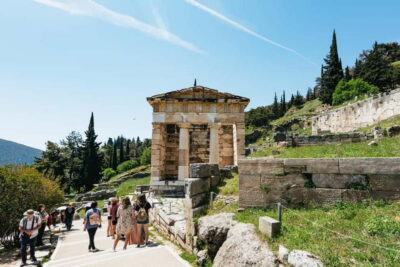
Mythology of Delphi, Museum and Arachova Guided Tour
Read our review →Acropolis, Parthenon & Acropolis Museum Guided Tour
Read our review →
Acropolis monuments & Parthenon Walking Tour with Optional Acropolis Museum
Read our review →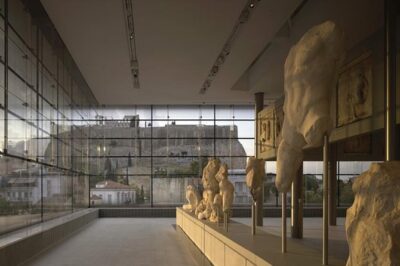
Athens All Included: Acropolis and Museum Guided Tour with Ticket
Read our review →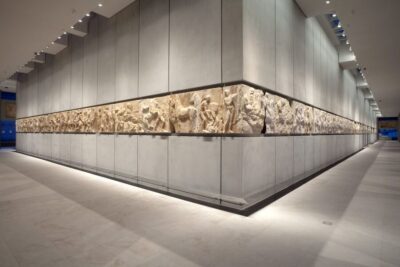
Acropolis Museum Ticket with optional Audio Guide
Read our review →
Small-Group Delphi, Museum & Arachova Day Trip
Read our review →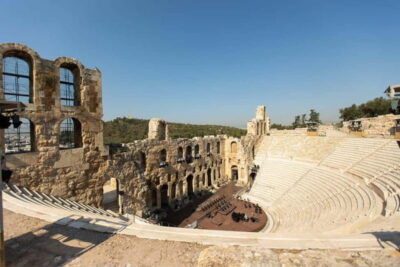
Parthenon & Acropolis Museum with Audio or Live Tour Option
Read our review →Browse the lists this tour appears in