
Reviewed · ACROPOLIS & PARTHENON TOURS
Athens: Acropolis, Parthenon & Acropolis Museum Guided Tour
Athens begins on a hill of marble. This Acropolis guided tour links the Parthenon, ancient theaters, temples, and the Acropolis Museum in one well-planned visit, with clear stories about mythology, politics, art, and daily life. I especially like the licensed guides, who bring the ruins to life without burying you in facts, and the museum visit, where original treasures sit beneath natural light and glass walkways. The main drawback is physical: you walk over uneven stone and uphill paths for three to four hours, so this is not a comfortable choice for anyone with mobility problems.
The tour costs about $40 per person, depending on the option you select. That is a fair price if you want context, ticket help, and both major sites in one outing. A private version costs more, but the standard group tour offers strong value, particularly when your guide is as engaging as Jason, Sotos, Chrysa, Giota, Ioannis, or Julia. One practical warning: there is no separate skip-the-line entrance at the Acropolis itself, although skip-the-line arrangements apply at ticket offices and the museum has a separate entrance.
In This Review
- Key points at a glance
- Why this Acropolis tour works well
- Starting at the Theater of Dionysus
- The Odeon and sanctuary below the summit
- Reaching the Propylaea and Temple of Nike
- The Erechtheion and its Caryatids
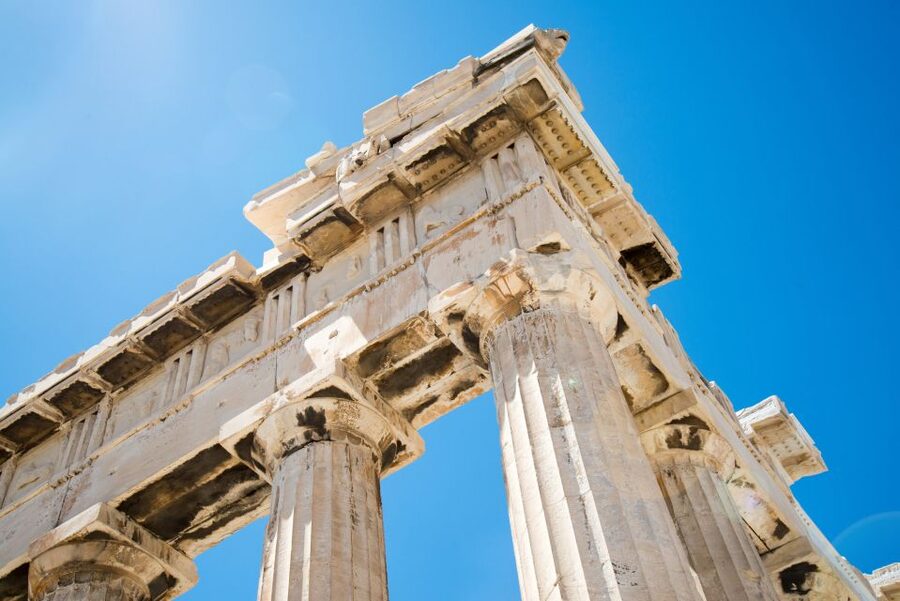
- The Parthenon, Athens’ defining monument
- A short break before the museum
- Inside the New Acropolis Museum
- Group tour or private option?
- What to wear and how to prepare
- Who should book this Athens tour?
- Should you book the Acropolis and museum tour?
- FAQ
- How long does the tour last?
- What language is the tour conducted in?
- Does the tour include the Acropolis ticket?
- Is there a skip-the-line entrance to the Acropolis?
- Does the museum have a separate entrance?
- Are food and drinks included?
- Is hotel pickup provided?
- What should I bring?
- Is the tour suitable for wheelchair users?
- Can children join the tour?
Key points at a glance
- See Athens’ main ancient monuments in one walk: The route covers the Dionysus Theater, Odeon of Herodes Atticus, Asclepius sanctuary, Propylaea, Temple of Nike, Erechtheion, and Parthenon.
- Hear clear stories from licensed guides: Jason, Sotos, Chrysa, Giota, Ioannis, and Julia have all received praise for lively explanations and strong English.
- Visit the Acropolis Museum after the hill: Original Caryatids, Parthenon sculptures, daily-life objects, and visible excavations give useful context for the ruins above.
- Expect a real walking tour: Uneven ground, steep sections, sun, and stairs make comfortable shoes, water, and a hat essential.
- Choose group or private touring: The shared option keeps the cost near $40, while a private group gives you more personal attention.
- Plan around the pace: The full experience generally lasts three to four hours, and some people may prefer to split the Acropolis and museum into separate visits.
Why this Acropolis tour works well
The Acropolis is easy to admire and surprisingly easy to misunderstand. You can see a grand column, take a photograph, and move on without knowing what the building did, who used it, or why the hill mattered so much to Athens. A good guide gives you that missing frame.
This experience begins with an English-speaking licensed guide who leads you through the monuments rather than simply pointing them out. The strongest part of the tour is the storytelling. Guides use history, mythology, and political context to explain how the Acropolis developed during the fifth century BCE and why the Parthenon became linked with democracy and Western civilization.
The guide quality appears to be one of the tour’s biggest strengths. Sotos was praised for his excellent English and wide command of Greek history. Jason earned repeated praise for his humor, passion, and ability to keep attention through the whole walk. Chrysa was described as friendly and well organized, while Giota helped put the city’s long timeline into perspective. Ioannis brought clear explanations and obvious affection for Athens, and Julia kept the tour enjoyable despite poor weather.
That range of guide names matters because group tours can vary with the person leading them. Here, the repeated pattern is encouraging: clear English, lively delivery, and enough information to make the places meaningful without turning the outing into a lecture.
More Museums in Athens
- Athens: Mythology of Delphi, Museum and Arachova Guided Tour
★ 4.6 · 4,008 reviews - Athens: Acropolis, Parthenon & Acropolis Museum Guided Tour
★ 4.8 · 3,579 reviews - Acropolis monuments & Parthenon Walking Tour with Optional Acropolis Museum
★ 5.0 · 2,678 reviews
Starting at the Theater of Dionysus
The Theater of Dionysus is a smart first stop because it introduces Athens as a city of performance, citizenship, and public debate. This is where famous ancient dramas and tragedies were first performed, making it more than a collection of worn stone seats.
Your guide explains the theater’s place in ancient Athenian life and helps you picture an audience gathered for drama rather than entertainment in the modern sense. The setting also gives you an early lesson in how the Acropolis hill works: many important religious and civic spaces were packed around and below the summit.
You will be walking on rough surfaces from the beginning. The theater area can feel easier than the upper hill, but it still calls for steady shoes. If you are traveling with young children, note that the experience is not suitable for children under six.
The Odeon and sanctuary below the summit
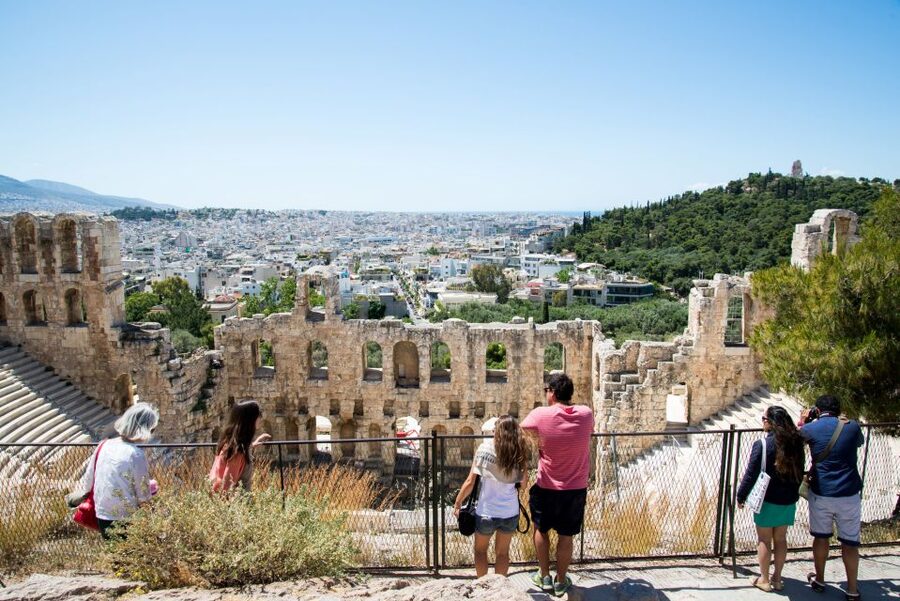
The route continues past the Odeon of Herodes Atticus, the large Roman-era performance space tucked into the southern side of the Acropolis. Its curved stone seating and dramatic setting make it one of the most striking views on the lower part of the hill.
The tour also includes the sanctuary of Asclepius, the ancient healing god. This stop adds a different note to the visit. The Acropolis was not only about grand temples and political identity. It also included places connected with health, ritual, and personal hopes.
I like this variety. Without these smaller stops, a visit can become a march toward the Parthenon. The guide helps you see the hill as a working religious center filled with different buildings and purposes.
The exact order can change because of weather, crowds, and the group’s pace. That flexibility is sensible, though it means your route may not match the sequence described when you book.
Reaching the Propylaea and Temple of Nike
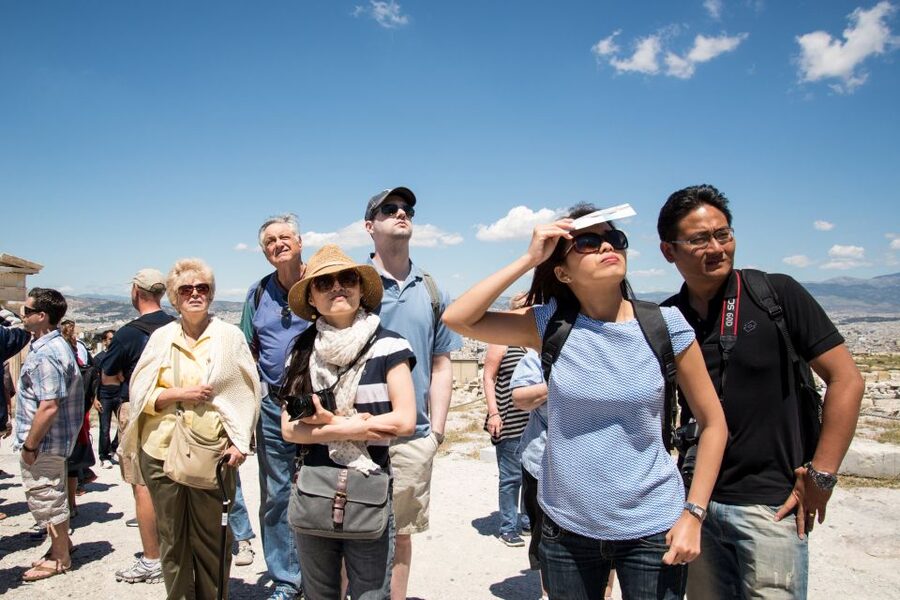
The Propylaea forms the monumental gateway to the summit. Even before you reach the Parthenon, this entrance makes an impression through its scale and careful design. It was meant to mark the transition from ordinary city space to a sacred hilltop.
Near the gateway is the small Temple of Nike, associated with victory. Its compact size can make it easy to overlook, particularly when the larger structures draw everyone’s attention. Your guide gives it a place in the larger story, explaining how each building had a role in the religious and civic identity of Athens.
This part of the route can be crowded. The tour includes disposable earphones for groups of more than eight people, which helps you hear the guide while moving through busy areas. Audio quality can still suffer when several groups nearby use similar equipment, so stay close and keep your guide in sight.
There is an important ticket detail here. The tour offers skip-the-line ticket options, but there is no separate skip-the-line entrance to the Acropolis itself. In other words, do not book this expecting a special fast lane directly onto the hill. The ticket service can still save time at the ticket offices, while the guide keeps the entry process organized.
More ways to see the Acropolis:
- Athens: Acropolis & up to 5 Archaeological Sites Combo Pass
★ 4.4 · 12,619 reviews - Athens: Acropolis Ticket with Optional Audio or Live Guide
★ 4.2 · 11,055 reviews - Athens: Acropolis and Parthenon Guided Walking Tour
★ 4.6 · 5,882 reviews - Athens: Acropolis Ticket with Audio Guide
★ 4.0 · 3,575 reviews
The Erechtheion and its Caryatids
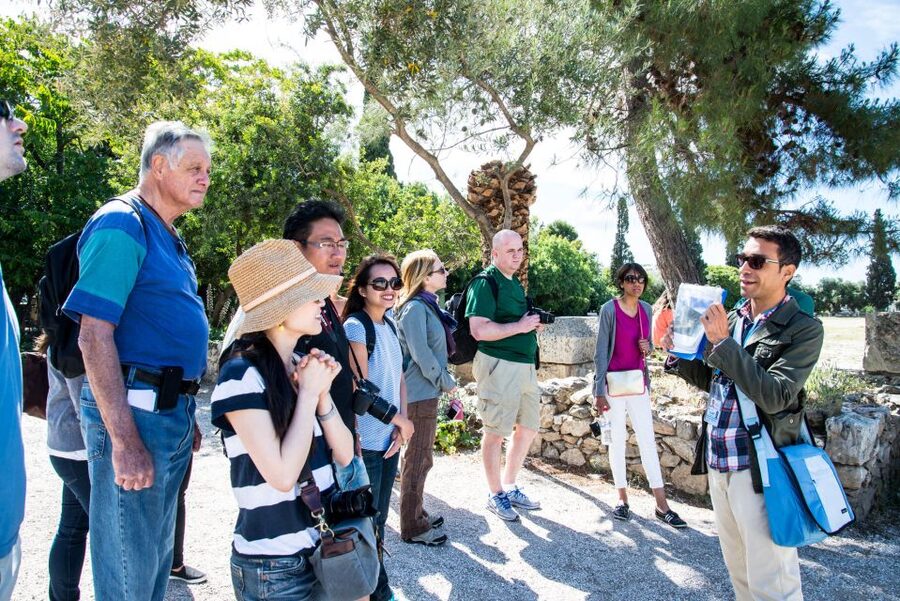
The Erechtheion is one of the most memorable buildings on the summit because of its unusual shape and the famous Caryatid porch. These sculpted female figures serve as architectural supports, replacing ordinary columns with human forms.
Your guide helps explain why the Erechtheion differs from the more symmetrical Parthenon. It was connected with several sacred traditions and had to accommodate more than one religious purpose. This is one of the moments where a guide adds real value. Without explanation, the building can look like an attractive but puzzling collection of columns and doorways.
The Acropolis Museum later gives you a closer look at the Caryatids. Five of the original figures are displayed there, while the sixth is in the British Museum. Seeing them in the museum after viewing the building above helps connect the surviving art with its original setting.
Take your time with photographs, but keep in mind that the upper hill is exposed. A hat, water, and light, comfortable clothes are useful, especially on warm days. Weather can also affect the pace and the order of the stops.
The Parthenon, Athens’ defining monument
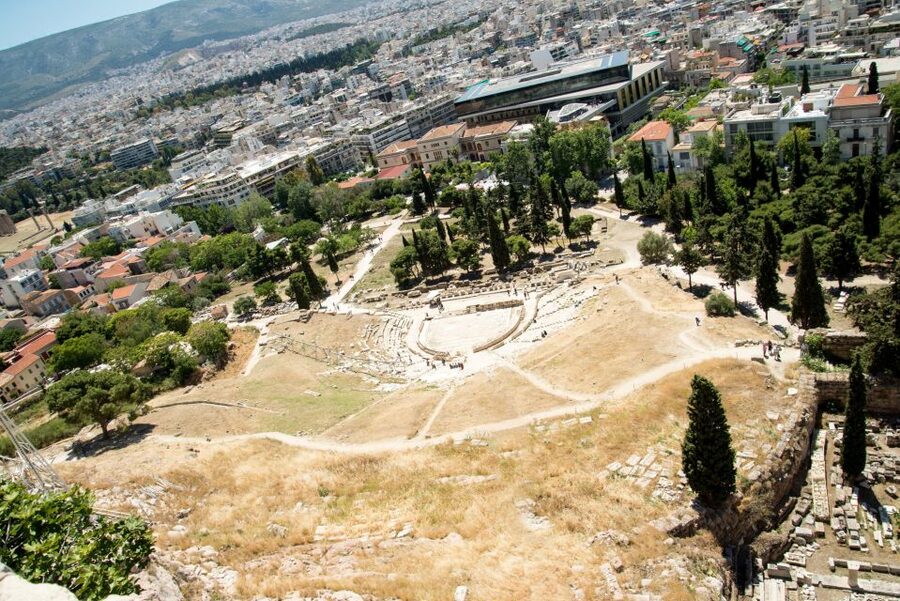
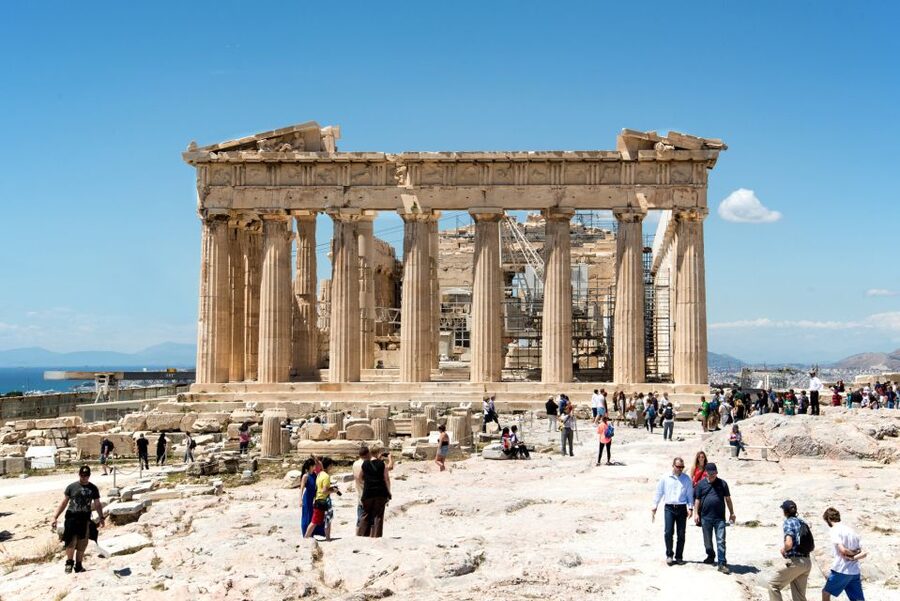
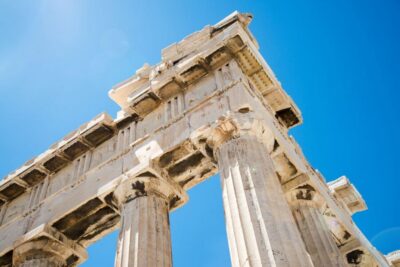
The Parthenon is the center of attention, and rightly so. Built in the fifth century BCE during the Golden Age of Pericles, it has become a symbol of Athens, democracy, and Western civilization.
A guide can point out the difference between simply seeing the building and understanding its purpose. The Parthenon was not designed as a modern museum or public hall. It was a temple dedicated to Athena, the city’s patron goddess, and part of a larger program of buildings that expressed Athenian power and religious identity.
You will see columns, damaged walls, carved fragments, and ongoing restoration rather than a complete ancient temple. That may sound obvious, but first-time visitors sometimes expect a fully intact monument. The beauty is in the surviving design, the setting, and the evidence of what the building once was.
This is also the busiest part of the route. Your guide provides the main explanation, then allows time for photographs and independent looking. That balance is important. You need the story, but you also need a few quiet minutes to take in the view and the scale of the hill.
The walk involves uneven surfaces and uphill sections. The experience is specifically unsuitable for wheelchair users and people with mobility impairments, heart problems, or serious difficulty walking. One review noted that an older couple managed the route, but that should not be treated as a promise that the terrain will suit everyone. Your own walking ability matters more than age.
A short break before the museum
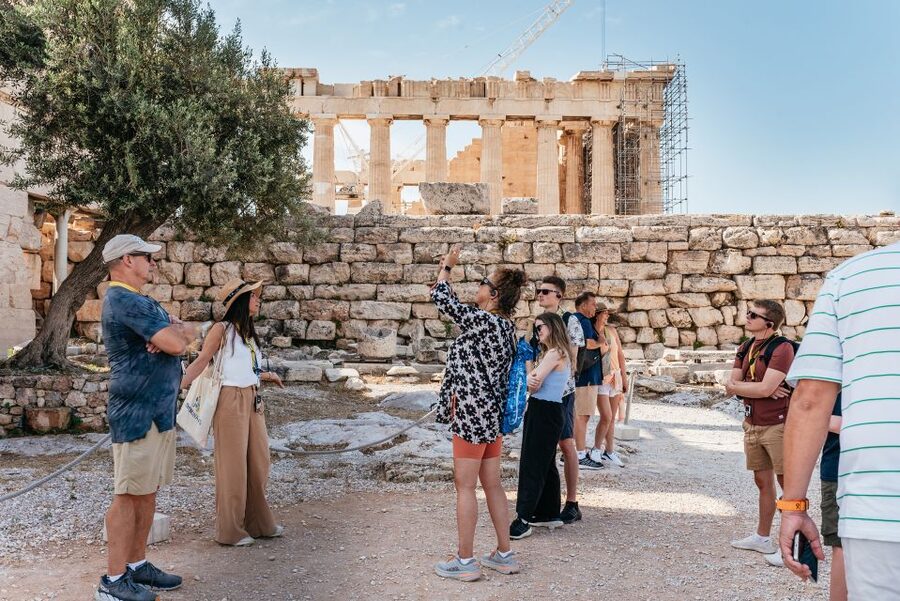
After the Acropolis, you get a short pause before continuing to the museum. This is useful after several hours on stone paths, and it gives you a chance to use the bathroom.
Food and drinks are not included, so plan to carry water. Large bags, luggage, baby strollers, and pets are not allowed. The hill has little room for unnecessary gear, and you will be happier with a small day bag and free hands.
The tour then continues on foot for a few minutes to the New Acropolis Museum. The short transfer keeps the day focused and avoids the need for transport between the two sites.
Inside the New Acropolis Museum
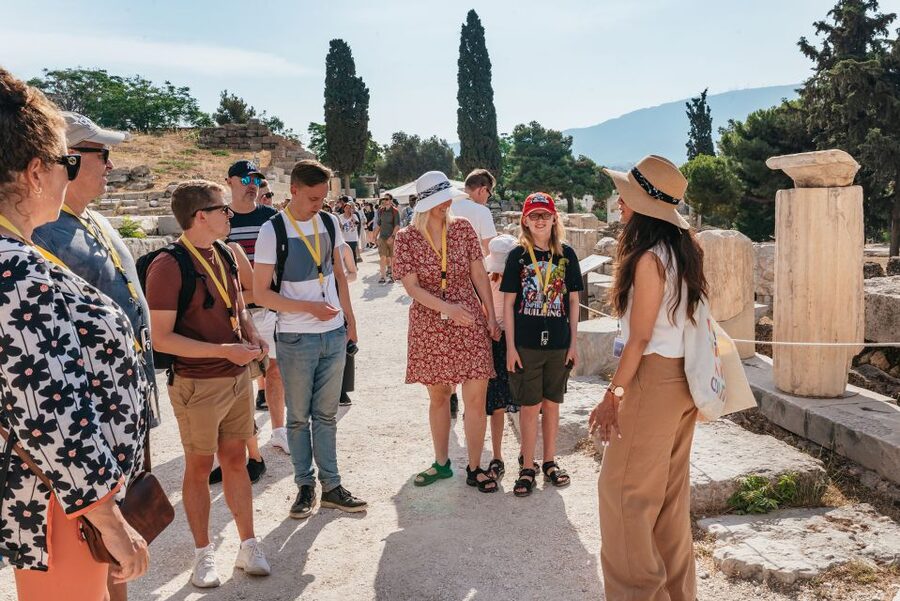
The museum is not a quick add-on. It is the second half of the experience, and in some ways it makes the hilltop visit easier to understand.
Designed by Fotiadis and Tschumi, the contemporary building uses glass and natural light to display original surviving masterpieces from the Acropolis temples. Excavations beneath the museum can be seen through glass floors and walkways, giving you a view of earlier layers of Athens while you move through the galleries.
The ground floor introduces aspects of daily life. This is valuable because the Acropolis can otherwise feel cut off from ordinary people. The museum places religious monuments within a wider city, showing that ancient Athens was more than its grandest temples.
The first floor includes the original Caryatids, with five displayed in Athens and one held by the British Museum. Their proximity lets you study details that are hard to appreciate from the hill. You can compare the museum sculptures with the porch you saw earlier.
The top floor is the great payoff. It includes the Parthenon frieze and a recreation of the Parthenon, set beside views back toward the Acropolis. The arrangement lets you look from the modern museum to the ancient hill and then back to the sculpture that once belonged there.
The museum also offers a useful change of pace. After the open, sunny hill, you are indoors with more room to focus on objects. A guide keeps the visit moving and explains the key works, while breaks allow you to look around on your own or get a coffee.
One caution is mental fatigue. A three to four-hour tour covering both the hill and museum presents a lot of information. John found the combined visit rewarding but suggested doing the Acropolis and museum as separate tours if you have enough time. I agree that splitting them can help you absorb more, but the single combined option is efficient if your Athens schedule is short.
Group tour or private option?
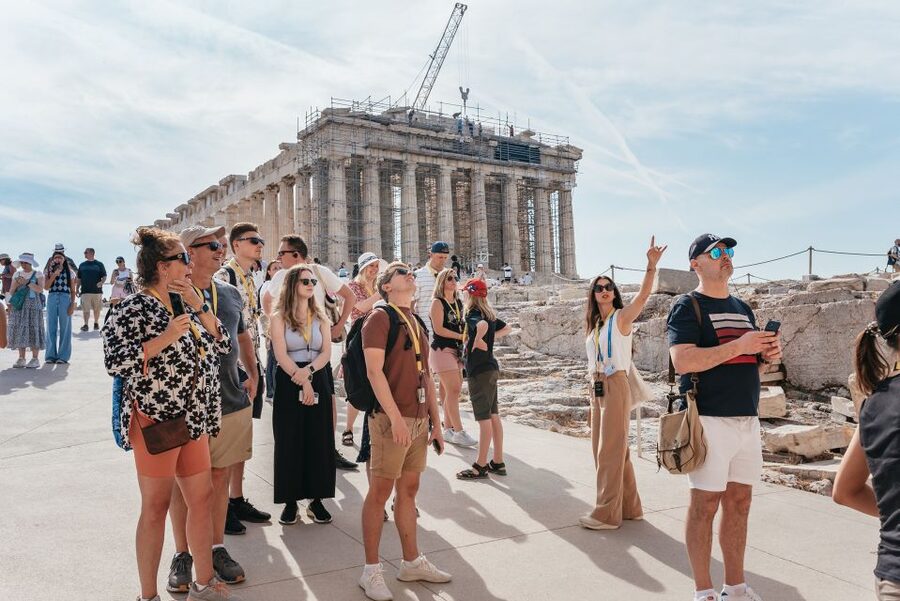
The shared tour is the best value for most people. At about $40 per person, you receive a live English-speaking guide and a structured visit to two of Athens’ most important sites. You also avoid the work of building your own route and deciding what deserves attention.
A group setting has tradeoffs. You may need to stay close to the guide, wait for slower walkers, and accept that questions and photo stops are shared. Crowding can also affect the earphones, particularly when nearby groups are using similar equipment.
A private group costs more but gives you a more personal experience. It may suit families, couples, or small groups that want to ask more questions or move at their own pace. The exact meeting point depends on the option booked, so check your confirmation carefully.
The tour does not include hotel pickup or drop-off. You make your own way to the meeting point, which may vary. If you choose an option without tickets, buy both Acropolis and museum tickets at least one day in advance and contact the operator to confirm the correct time slots. If you arrive without tickets, only full-price adult tickets may be available at the meeting point, paid in cash.
Reduced or free tickets require a passport or ID. On free-entry days, the tour price is adjusted so you are not charged for complimentary admission.
What to wear and how to prepare
Wear shoes with a firm sole. Smooth sandals or thin casual footwear are a poor match for uneven ancient paving.
Bring:
- Water
- A hat
- Comfortable clothes
- A small bag rather than luggage
Expect three to four hours, although the advertised duration can appear as two to four hours depending on the starting option. The actual tour length depends on the group’s pace and weather.
Rain does not automatically ruin the experience. Julia kept one outing enjoyable in poor weather, but conditions can change the order of the sites and make the stone more difficult underfoot. On hot days, sun exposure is the bigger concern.
The elevator at the Acropolis Hill is not included. The activity is not suitable for wheelchair users, people with mobility impairments, people with heart problems, or children under six.
Who should book this Athens tour?
I would choose this tour if you want the major sights explained in plain English and prefer a guide to lead you through the details. It suits first-time visitors, history fans, couples, families with older children, and anyone with only a short stay in Athens.
It is especially useful if you want both the ancient site and the museum without spending time arranging separate tickets and routes. The guides receive unusually consistent praise for being entertaining, clear, and passionate, which makes the long walk easier.
I would think twice if you dislike group pacing, need frequent rest, or want a quiet, unhurried look at every gallery. In that case, a private tour or two separate visits may be a better fit. The shared tour is also not the right choice if anyone in your party struggles with hills, stairs, or uneven ground.
Should you book the Acropolis and museum tour?
Yes, if you want a well-rounded first look at Athens and can manage a demanding walk. The price is reasonable for a live guide, two major attractions, and a route that covers far more than the Parthenon alone.
Book it with realistic expectations. There is no special fast entrance onto the Acropolis, the hill can be crowded, and the combined visit delivers a lot in one morning or afternoon. Bring water, wear proper shoes, and stay flexible about the order of the stops.
If your schedule allows two visits, splitting the Acropolis and museum would give you more breathing room. If time is tight, this tour is a smart way to put Athens’ most important monuments into context without wandering past them wondering what you are seeing.
FAQ
How long does the tour last?
The activity is listed as lasting two to four hours, but the full tour generally takes three to four hours. The group’s pace and weather can affect the duration.
What language is the tour conducted in?
The live tour guide speaks English.
Does the tour include the Acropolis ticket?
Ticket inclusion depends on the option you select. If you choose the option without tickets, you need to buy Acropolis and museum tickets in advance and confirm the correct time slots.
Is there a skip-the-line entrance to the Acropolis?
There is no separate skip-the-line entrance to the Acropolis itself. Skip-the-line arrangements apply to ticket offices when that option is selected.
Does the museum have a separate entrance?
Yes. The tour includes entry through a separate entrance to the Acropolis Museum when the relevant ticket option is selected.
Are food and drinks included?
No. Food and drinks are not included.
Is hotel pickup provided?
No. Hotel pickup and drop-off are not included. The meeting point varies according to the option booked.
What should I bring?
Bring comfortable shoes, a hat, water, and comfortable clothes. Large bags and luggage are not allowed.
Is the tour suitable for wheelchair users?
No. The activity is not suitable for wheelchair users or people with mobility impairments. It is also not recommended for people with heart problems.
Can children join the tour?
Children under six are not permitted. If you use a reduced or child ticket, bring a passport or ID because it may be requested to verify eligibility.
Just added around Athens
- Athens Hotels to Athens Airport Private Departure Transfer★ 5.0 · 40 reviews
- Private One-way Transfer between Athens International Airport and Athens Hotels★ 4.5 · 40 reviews
- Athens: Acropolis Museum Ticket with Self-Guided Audio tour App★ 3.5 · 40 reviews
- From Athens: Meteora Train Trip with Overnight Stay★ 4.8 · 40 reviews
- Athens Photography Tour★ 5.0 · 40 reviews
- Athens: Acropolis Visit and City Night Tour★ 4.7 · 40 reviews
- Delphi Full Day Private Trip From Athens With Lunch Overlooking the Sea★ 5.0 · 40 reviews
- Acropolis & Plaka Neighbourhood Private Tour with Licensed Expert★ 5.0 · 40 reviews
Acropolis & Parthenon Tours, compared.
Acropolis & up to 5 Archaeological Sites Combo Pass
Read our review →
Acropolis, Parthenon & Acropolis Museum Guided Tour
Read our review →

Acropolis: Acropolis and Parthenon Guided Walking Tour
Read our review →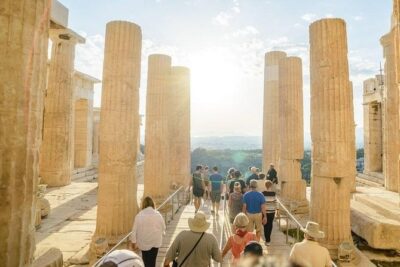
Acropolis monuments & Parthenon Walking Tour with Optional Acropolis Museum
Read our review →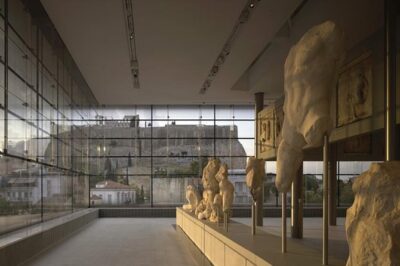
Athens All Included: Acropolis and Museum Guided Tour with Ticket
Read our review →Browse the lists this tour appears in