Reviewed · CRETE TOURS
Lasithi –Plateau Traditional Vilages
Trade the coast for mountain villages. This six-hour trip from Agios Nikolaos takes you to Kritsa, Katharo Plateau, and Lasithi Plateau, then pauses beneath one of Crete’s oldest trees in Krasi. I like the small maximum of 10 people and the air-conditioned vehicle, which make a winding mountain day easier to manage. I also like that lunch, bottled water, and pickup are included.
The main consideration is the physical effort. The Zeus cave visit is not included in the price, and reaching it involves a climb. The vehicle can also feel tight when full, so you should be comfortable with close quarters and a fairly active schedule.
In This Review
- Key points to know before booking
- Why this Crete mountain trip is worth your time
- Kritsa: a traditional village with layers of Crete
- Katharo Plateau at 1,250 meters
- Lasithi Plateau and the old windmill country
- Krasi and the enormous plane tree
- Lunch, transport, and the pace of the day
- Who should book this outing?
- Is the $106.65 price fair?
- Cancellation and booking details
- Should you book the Lasithi village tour?
- FAQ
- Where does the tour take place?
- How long does the experience last?
- Is pickup available?
- Is lunch included?
- Is the Diktaio Cave entrance fee included?
- How many people can join the tour?
- What is the cancellation policy?
Key points to know before booking
- Small group of up to 10: Expect more personal attention than on a large coach excursion.
- Four mountain stops: The route combines village life, fossils, windmills, mythology, and an ancient plane tree.
- Lunch is included: Food and bottled water are covered, which improves the value of the $106.65 price.
- Zeus’s cave costs extra: The Diktaio Cave entrance fee is not part of the tour price.
- Mountain walking matters: The cave approach includes a climb, and donkeys may be available for the ascent.
- Wednesday departure window: Pickup is scheduled between 9:00 and 10:00 in the operating period shown.
Why this Crete mountain trip is worth your time
Crete is easy to picture as a place of beaches, harbors, and seafood tavernas. This outing gives you a different side of the island. You leave Agios Nikolaos and head into the mountains, where villages, upland fields, old stories, and working remnants of rural life replace the coast.
I especially like the way the route links several kinds of Cretan culture. Kritsa gives you a traditional village setting. Katharo brings fossils and Ottoman-era stories. Lasithi adds the famous windmills and the myth of Zeus. Krasi finishes the day with a remarkable plane tree connected with the writer Nikos Kazantzakis.
The price is $106.65 per person. That is not a budget outing, but the cost includes an air-conditioned vehicle, lunch, bottled water, and pickup. For you, the value depends on how much you would otherwise spend arranging transport into the mountains, finding lunch, and visiting several distant areas in one day.
The small-group limit helps justify the price. With no more than 10 people, you have a better chance of hearing the guide and asking questions. It also avoids the anonymous feel of a large bus, although a full vehicle may still feel cramped. One person specifically found the van too tight, so I would keep that in mind if personal space is important to you.
More things to do in Crete:
- From Kissamos Port: Boat Cruise to Balos Lagoon & Gramvousa
★ 4.2 · 6,755 reviews - Crete: Day Trip to Agios Nikolaos and Spinalonga Island
★ 4.6 · 4,416 reviews - From Chania: Full-Day Samaria Gorge Trek Excursion & Guide
★ 4.6 · 3,191 reviews
Kritsa: a traditional village with layers of Crete
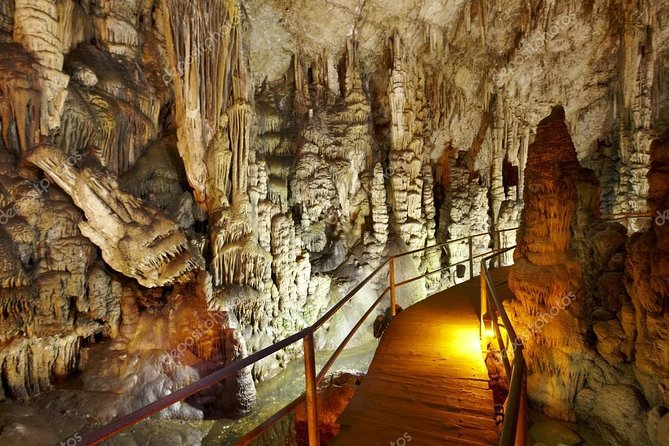
The first stop is Kritsa, with about an hour to look around. The village is presented as one of Crete’s traditional settlements, tied to local legends, religious monuments, archaeological remains, and a nearby gorge.
An hour is enough for a taste, not a full study. You can expect to walk through the village, take in its old character, and listen to explanations about the stories tied to the area. The stop works well as an introduction because it shows how Cretan identity is built from religion, family traditions, local geography, and old tales.
You should not expect a long, unhurried village visit. The schedule has four main stops, so the guide needs to keep the group moving. I would use this hour for the central streets and the main points the guide highlights rather than trying to see every corner.
Kritsa is also a useful place to judge the style of your guide. The experience can be strongest when explanations connect the buildings and monuments to local life, rather than simply naming dates. A guide named Nikos has been praised for being a warm host and for explaining Cretan mythology at length, although the exact guide for your departure is not guaranteed.
Katharo Plateau at 1,250 meters
From Kritsa, the route climbs to Katharo Plateau, also called the Lower Plateau, at about 1,250 meters. You get roughly an hour here, with time to absorb the high mountain setting and hear about the area’s fossils and legends.
The most unusual fact is the discovery of Cretan dwarf hippopotamus fossils in the region. That detail gives Katharo more than a pretty mountain view. It points to a much older Crete, when animals lived in conditions very different from those you see today.
The plateau is also linked with stories dating to the Ottoman era. These tales help explain why mountain places often carry such a strong sense of memory in Crete. The guide’s interpretation matters here, since the stop is less about a formal attraction and more about connecting the setting with the stories attached to it.
At this altitude, conditions can differ from Agios Nikolaos. The supplied information does not give a typical temperature range, so bring layers rather than assuming the coast’s weather will follow you uphill. The air-conditioned vehicle is useful during the drives, but you will still spend time outside at the stops.
Lasithi Plateau and the old windmill country
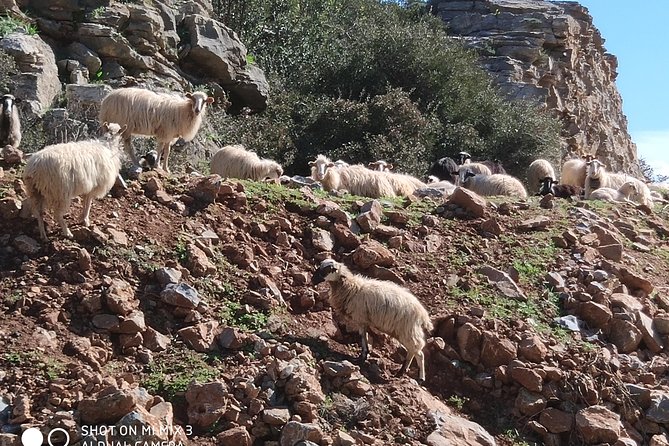
The longest stop is Lasithi Plateau, at about 1,150 meters. You have around two hours in this part of the route, which gives it more weight than the shorter village and tree stops.
Lasithi was once known for more than 10,000 traditional windmills. They operated until a few decades ago, and in the 1950s and 1960s the plateau was regarded as one of Europe’s first wind farms. That is a fine example of how an old rural tool can also belong to the story of modern energy.
Do not expect every historic windmill to be operating today. The appeal is in understanding how the plateau was once used and why the windmills became such a recognizable part of the area. I find that context more rewarding than simply stopping for a photograph.
This is also the area associated with the Diktaio Cave, described in Greek mythology as the birthplace of Zeus. The cave is in Psychro, at about 840 meters, and the entrance fee is not included. You should budget separately for admission, though the exact fee is not provided here.
The cave visit adds mythology and a physical challenge to the day. You should expect a climb to reach it. One account describes people using donkeys for the ascent and return, but also raises concerns about the animals carrying heavy adults in hot weather. If donkeys are offered during your visit, you may prefer to walk if you are able. The important point is to treat the cave as an active visit, not a quick roadside stop.
Heat can make the climb harder. One account described a hot day and still considered the cave worth seeing. Carry the supplied water, use sensible sun protection, and avoid treating the included lunch as a substitute for your own energy planning.
The two-hour allocation sounds generous, but part of it may include moving through the area and handling the cave visit. Ask the guide how much time is available for the cave itself, especially if you want to move slowly or spend time around Psychro.
A completely different sort of day out in Crete:
- Agios Nikolaos: Boat Trip to Spinalonga with Swim Stop
★ 4.4 · 3,031 reviews - Heraklion: Dia Island Sailboat Cruise with Swimming and Meal
★ 4.8 · 2,579 reviews - Crete: Knossos Palace Entry Ticket with Optional Audio Guide
★ 3.9 · 2,251 reviews - Heraklion Area: CRETAquarium Admission Ticket
★ 4.4 · 2,055 reviews
Krasi and the enormous plane tree
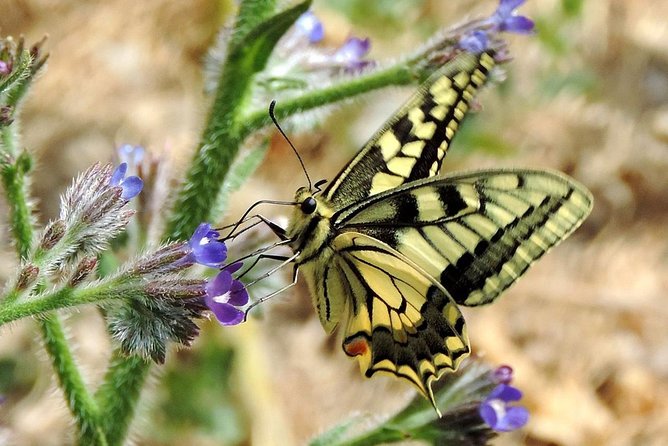
The final stop is Krasi, where you pause for about 30 minutes. The main sight is a plane tree associated with Nikos Kazantzakis, the famous Cretan writer.
The tree’s perimeter is said to measure about 24 meters, and its age is estimated at roughly 2,400 years. A local saying connects each meter of its perimeter with 100 years of age. The exact calculation is part of the folklore, but the tree’s size alone makes this a worthwhile short stop.
Half an hour is enough for photographs and a brief look around. It is not enough for a long village exploration, so keep your expectations modest. Krasi works as a quiet ending after the higher plateaus and the cave climb.
I like this stop because it gives the day a human link. You have seen fossils, windmills, and a mythological cave. In Krasi, the focus shifts to a writer and the old tree associated with him. It is a small detail, but it helps the route feel connected to Cretan culture rather than being only a series of scenic viewpoints.
Lunch, transport, and the pace of the day

Lunch is included, along with bottled water. That matters on a six-hour trip through mountain areas, where stopping to find a meal would cut into sightseeing time. A particularly appealing part of the food experience is the chance to try local dishes, including goat, which one account described as very good.
The meal is not just a practical refueling stop. Food gives you one of the clearest ways to connect with a place, especially when the menu includes a traditional ingredient rather than a generic tourist plate. Still, the supplied information does not specify the restaurant, menu, or options for dietary needs. If you have allergies or restrictions, ask before booking.
The air-conditioned vehicle is another real benefit. Mountain roads can make a long day tiring, and a cool vehicle gives you a place to recover between walks. The downside is space. The group limit is 10, not a promise of a roomy private vehicle, and one person found the seating too close when the vehicle was full.
The schedule also includes unscheduled-feeling moments. At Kritsa, for example, you may be asked to leave the vehicle and meet back there after about 30 minutes or an hour, depending on the guide’s plan. Listen carefully to the meeting instructions and keep track of the vehicle location. This is simple advice, but it prevents a relaxed village stop from becoming stressful.
The experience is offered in English. Guide quality can shape the day, especially because the route relies on explanations about mythology, village traditions, fossils, and local history. The strongest version of this excursion will be one where the guide keeps those subjects tied to the places you are seeing.
Who should book this outing?
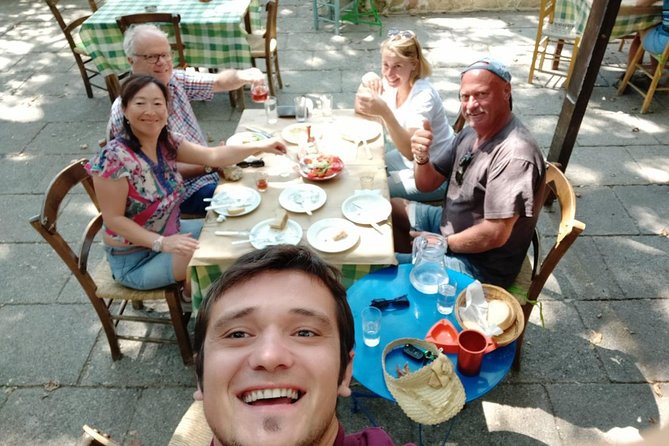
I would recommend it to you if you want more than a beach day and enjoy seeing several sides of Crete in one trip. It suits people interested in local culture, mountain scenery, mythology, rural technology, and traditional food.
It is also a good choice if you do not want to rent a car or plan a mountain route yourself. Pickup, transport, lunch, and water remove several practical tasks. The small group can make the day feel more personal than a standard coach trip.
You should think twice if you dislike winding drives, close vehicle seating, or walking uphill. The Zeus cave requires extra payment and a climb. The day also moves at a set pace, so you will not have unlimited time in Kritsa, Lasithi, or Krasi.
Families and older visitors may find the outing manageable because most people can participate, but the cave approach deserves an honest assessment of your fitness. The information says most participants can take part, not that every part is easy. If you need a slower pace, ask the provider before booking.
The tour is normally booked about 18 days ahead, which suggests that leaving it until the last minute may not be wise during busy periods. The listed departure window is Wednesday from 9:00 to 10:00, so check the pickup details carefully when you reserve.
Is the $106.65 price fair?
For a six-hour small-group outing, $106.65 is reasonable if you value convenience. You receive transport in an air-conditioned vehicle, hotel pickup, lunch, and bottled water, while visiting several mountain areas that would be difficult to combine without your own car.
The value is weaker if your main goal is only the Zeus cave. Since the sightseeing entrance fee is extra, you are paying for a wider route, not a cave-only visit. The best return comes from enjoying the whole day: Kritsa, Katharo, the windmill country, Psychro, and Krasi.
The 4.8 rating from 40 reviews and recommendation by 95 percent of bookers support the idea that this is a well-liked outing, but the criticism is useful too. The clearest warning concerns cramped seating and a guide whose commentary may feel too long or personal for some people. If you prefer a tightly timed tour with short explanations, that style may test your patience.
Cancellation and booking details
You can cancel at least 24 hours before the start time for a full refund. Changes made within 24 hours are not accepted, and cancellations inside that period are not refunded.
The experience requires a minimum number of participants. If that minimum is not reached, you will be offered another date or experience, or receive a full refund. Confirmation is provided at booking, and a mobile ticket is available.
Should you book the Lasithi village tour?
Book it if you want a compact introduction to the mountains around Agios Nikolaos, with lunch and transport handled for you. The strongest reasons are the small group, the unusual Katharo fossils, the story of Lasithi’s windmills, and the chance to connect Zeus mythology with the actual Cretan setting.
Skip it if you want a slow village day, plenty of free time, or a roomy vehicle. Also skip it if an uphill cave visit would be uncomfortable. For everyone else, this is a useful, food-filled way to trade the coast for the high country and see why Crete’s stories are tied so closely to its mountains.
FAQ
Where does the tour take place?
The experience begins in Agios Nikolaos, Greece, and visits Kritsa, Katharo Plateau, Lasithi Plateau, and Krasi.
How long does the experience last?
The tour lasts approximately six hours.
Is pickup available?
Yes, pickup is offered. The listed meeting window is Wednesday between 9:00 AM and 10:00 AM during the stated operating period.
Is lunch included?
Yes. Lunch and bottled water are included in the tour price.
Is the Diktaio Cave entrance fee included?
No. The sightseeing entrance fee, including the cave admission, is not included.
How many people can join the tour?
The maximum group size is 10 people.
What is the cancellation policy?
You can cancel at least 24 hours before the start time for a full refund. Cancellations or changes made less than 24 hours before the start time are not accepted for a refund.
Just added around Crete
- The Palace of Knossos with Skip-the-Line Ticket★ 5.0 · 40 reviews
- Chania Morning Catamaran Cruise with Premium Lunch & Drinks★ 5.0 · 40 reviews
- From Chania: Preveli Palm Beach Day Tour★ 4.3 · 40 reviews
- Private South Crete Full-Day Tour-Spili, Kourtaliotiko & Preveli★ 5.0 · 40 reviews
- Stand-up Paddleboard Lazareta Experience Chania Crete (tour)★ 5.0 · 41 reviews
- Kissamos: Balos and Gramvousa Private Sailing Trip with Meal★ 4.8 · 41 reviews
- Knossos & Archaeological Museum Shared Guided Tour from Chania★ 5.0 · 41 reviews
- Kissamos: Greek Night with Buffet Dinner and Plate Smashing★ 4.8 · 42 reviews
Crete Tours, compared.
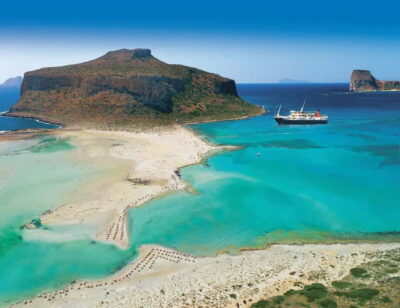
From Kissamos Port: Boat Cruise to Balos Lagoon & Gramvousa
Read our review →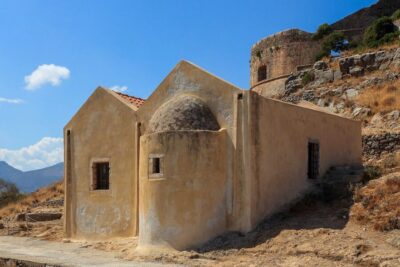
Day Trip to Agios Nikolaos and Spinalonga Island
Read our review →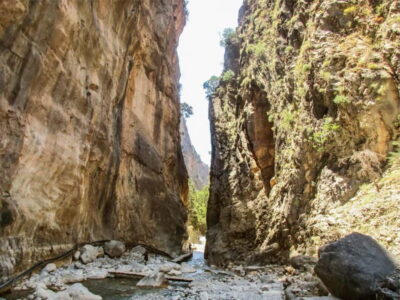
Full-Day Samaria Gorge Trek Excursion & Guide
Read our review →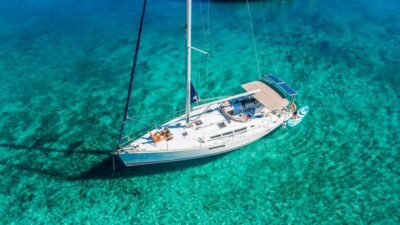
Dia Island Sailboat Cruise with Swimming and Meal
Read our review →
Knossos Palace Entry Ticket with Optional Audio Guide
Read our review →