
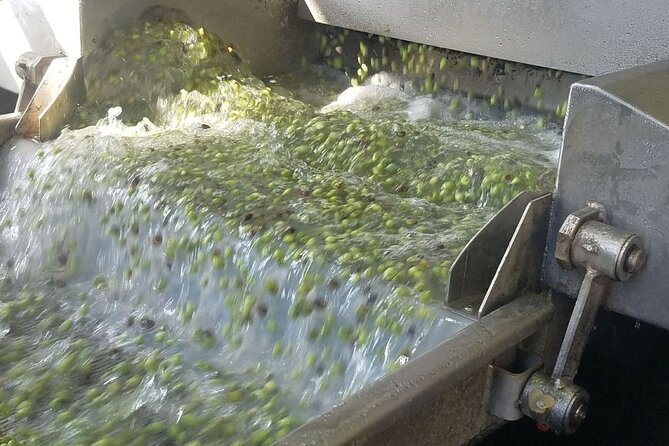
Reviewed · OLIVE OIL TASTINGS
Wine, Olive Oil, and Honey Tour with Winemaker
Taste Crete beyond the beach resorts. This six-and-a-half-hour private tour links a family olive oil mill, mountain vineyards, local honey, barrel wine, and a generous Cretan meal. I like the focus on working food producers rather than polished tourist stops, and I like the small group size, capped at eight people. The main consideration is the price, $217.23 per person, which makes the most sense if you value personal guiding, pickup, and a full meal with several tastings.
The day also has a strong human touch. Vasilis handles the guiding, and Anna Maria helps with arrangements before the outing. You can expect explanations about olive growing, wine, beekeeping, and local life, not just a quick tasting and a souvenir-shop exit. Since the start time is 9:30 a.m. and the tour lasts about 6 hours and 30 minutes, this is a full day rather than a short morning stop.
In This Review
- Five useful things to know before booking
- From the pickup to the Cretan hills
- The family olive oil mill
- Tsikoudia and the taste of local hospitality
- Into the vineyards and the wine barrels
- Bees, honey, and the sweeter side of Crete
- Lunch in the vineyard
- What the guide adds to the day
- Is $217.23 a fair price?
- Who will enjoy this Crete food tour?
- Booking advice and cancellation terms
- Should you book the olive oil, wine, and honey tour?
- FAQ
- What time does the tour begin?
- How long does the tour last?
- Is pickup available?
- What foods and drinks are included?
- How many people can join the tour?
- Can I cancel for a full refund?
Five useful things to know before booking
- Vasilis is the main guide: He explains local farming, wine, olive oil, bees, and Cretan customs in an approachable way.
- The group is limited to eight: That gives you more room to ask questions and makes the private format feel personal.
- The meal is a major part of the day: Expect Cretan salad, dolmas, bread, cheese, honey, pork, and wine rather than a token snack.
- You taste more than wine: Olive oils, vinegars, olives, sweets, honey, and tsikoudia all help show how Cretans use local produce.
- The tour leaves the city behind: Mountain roads and vineyard views are part of the appeal, so the ride between stops is part of the experience.
- Cancellation is flexible until 24 hours before: You can receive a full refund if you cancel at least one day before the 9:30 a.m. start.
From the pickup to the Cretan hills
The tour begins at 9:30 a.m., with pickup offered. That matters in Crete, where a food tour can become awkward if you must find a rural mill or vineyard by yourself. The precise pickup area is not specified, so confirm the meeting details when you book.
The outing is offered in English and uses a mobile ticket. It is also near public transportation, although pickup is the easier choice if you want to avoid arranging connections. With a maximum of eight people, the day should feel much less crowded than a large coach excursion.
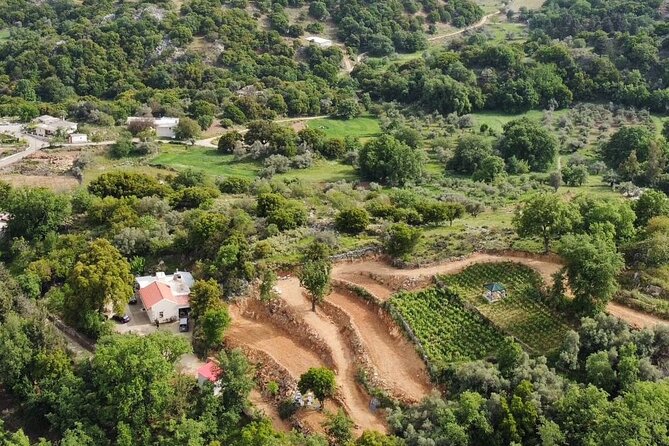
The route takes you through the mountains of Crete. You are not simply being driven from one tasting room to another. The countryside gives you a look at the terrain that supports the island’s olive trees, grapevines, and bees. The views are part of the lesson: food in Crete is tied closely to dry hills, family farms, and seasonal work.
The driving time is not broken down, so you should expect some time on the road without a precise minute-by-minute schedule. That is a fair trade for reaching small producers and rural settings, but it may not suit you if you want an activity with constant action.
More Olive Oil Tastings in Crete
- Knossos-Zeus Cave -Old Traditional Villages-Olive Oil Factory
★ 5.0 · 694 reviews - From Chania: Olive Oil, Wine, Cheese & Honey Tasting Tour
★ 4.6 · 490 reviews - Zeus Cave, Lassithi Plateau, Olive Oil Factory, Kritza, Pottery
★ 5.0 · 362 reviews
The family olive oil mill
The first major stop is a family-owned olive oil mill. This is where the tour moves from scenery to practical detail. You learn how olives are grown and processed, then see how the finished oil fits into everyday Cretan cooking.
The strongest part of an olive oil visit is the tasting. You try several oils side by side, along with vinegars, olives, and sweets. That variety helps you notice how olive oil can differ in strength and flavor, instead of treating all bottles as the same green liquid.
You also get a better sense of why olive oil is more than a standard table condiment in Crete. It appears in salads, vegetables, bread, cooked dishes, and many home recipes. A family mill gives the stop a personal scale, with farming and production presented as part of a working way of life.
I would pay close attention to the tasting advice. Ask how the oils differ and what foods suit each one. The point is not simply to find your favorite bottle, but to learn what you like before buying anything to take home.
This stop is especially useful for anyone who has never visited an olive mill. It is also worthwhile for food-focused visitors who already cook with olive oil, since tasting several examples in one sitting gives you a clearer basis for comparison.
Tsikoudia and the taste of local hospitality
The tour makes room for regional drinks, including tsikoudia. This clear Cretan spirit is often served as a welcoming drink, and it carries a sharper punch than wine. A small taste can tell you plenty about local hospitality, but pace yourself because the day includes more alcohol later.
The appeal here is that you get to try what people in Crete actually serve, rather than sticking only to familiar wine varieties. You should not expect every drink to suit your taste. Tsikoudia is strong, and some people will prefer the milder wines or the food pairings.
The tour’s food focus also helps put the drink in context. In Crete, eating and drinking are social activities, not separate appointments on a schedule. The experience gives you a chance to see how olive oil, wine, honey, bread, and small spirits fit together at the table.
Into the vineyards and the wine barrels
After the olive mill, the route heads toward the mountains and the family vineyard. Here, you taste wine from the barrels before lunch. That setting gives the wine a clear sense of place, with the vines and surrounding hills close at hand.
Vasilis also explains how to describe the wine you prefer. That is a small but useful skill. Instead of asking for a vague good wine, you can learn to say what you want in terms of taste and style, at least in practical everyday language.
The barrel tasting is likely to appeal most to people who enjoy learning how wine is made. It is less formal than a city tasting room and more connected to the people who grow the grapes. You are seeing the setting where the wine begins, not just sampling a finished bottle in a commercial venue.
The wine stop also brings a possible limitation. The tour promises wine tasting, but it does not list specific grape varieties, vintages, or the number of wines. If you are a serious wine collector looking for technical detail, ask for more information before booking. If you simply want a friendly introduction to Cretan wine, the farm setting and personal explanations should be enough.
More Wine Tours in Crete
- Crete: Land Rover Safari with Sunset Viewing, Dinner, & Wine
★ 4.9 · 395 reviews - From Chania: Wine and Olive Oil Tasting Tour with Snacks
★ 4.8 · 354 reviews - Crete Wine and Olive Oil Tour
★ 5.0 · 272 reviews - Crete: Full-Day Cretan Wines, Olive Oil, Raki and Food Tour
★ 5.0 · 264 reviews
Bees, honey, and the sweeter side of Crete
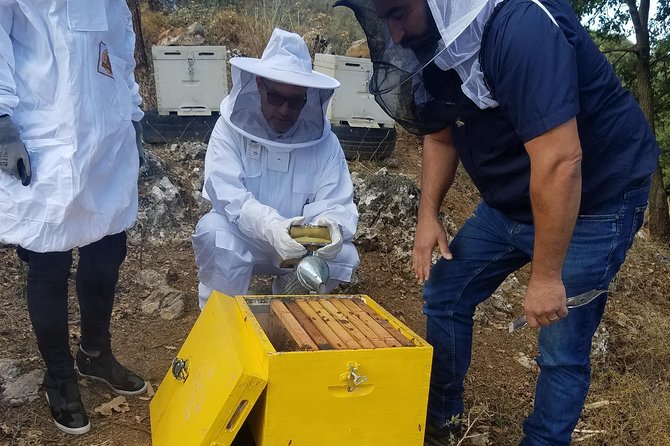
Honey is another important part of the day. The experience includes information about beekeeping and a firsthand encounter with bees, according to the details of the outing. That gives the tour more range than a standard olive oil and wine trip.
You can taste honey made on site, including heather and cardamom honey and thyme honey. These flavors offer a useful reminder that honey changes with the plants available to the bees. Thyme honey, in particular, connects the finished product to the island’s dry, aromatic countryside.
The honey is also part of the lunch, served with bread and cheese. That pairing is simple but effective. You taste the product on its own and then see how it works with savory foods.
If you like edible souvenirs, this is one of the best shopping opportunities of the day. The advice is straightforward: consider buying the honey you enjoy most, especially the heather and cardamom or thyme varieties. There is also an option to donate to the bees, which adds a small conservation-minded touch to the visit.
The bee portion may not suit everyone. If you are nervous around bees, ask how close the encounter is and what participation involves. The available information does not promise protective clothing, hive access, or a formal demonstration, so it is sensible to clarify expectations.
Lunch in the vineyard
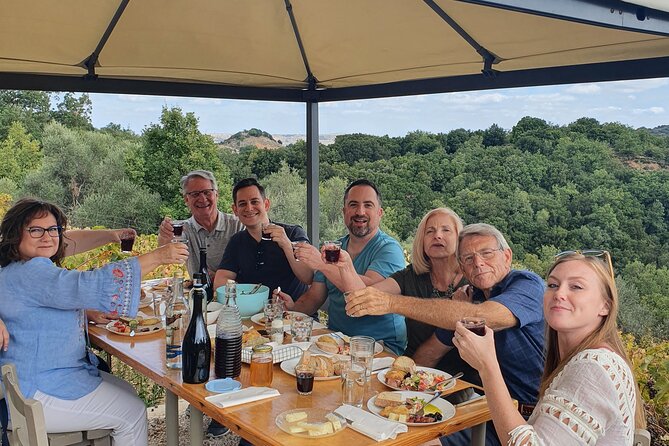
The traditional Cretan lunch is the emotional center of the tour. You eat among the vines, with wine from the local setting and food prepared in a distinctly generous style.
The meal can include Cretan salad, dolmas, bread, cheese, honey, and pork. This is not a light tasting plate designed to keep you moving. It is a proper meal, and it may be the largest food stop of your day.
I like the way the lunch connects the earlier tastings. Olive oil belongs on the salad and bread. Honey works with cheese. Wine brings the meal together. By this point, the ingredients are no longer abstract products in jars or barrels. You have seen where some of them come from and heard how local families use them.
The lunch is also where the small group format matters most. A meal in a vineyard works better when you can talk with the guide and other people at the table. One of the strongest impressions from the experience is that the food, rather than the wine, may become the highlight.
You should arrive hungry. The exact menu can vary, and no dietary information is provided, so tell the operator about food needs before the day begins. Do not assume that every dish can be changed at the last minute in a rural setting.
What the guide adds to the day
Vasilis is central to the experience. The tour is not just transport to several farms. He explains local people, farming, olive processing, beekeeping, and wine in a way that links the stops together.
That connection is important. Without a guide, an olive mill can become a quick look at machinery, and a vineyard can become a pretty place to drink. With explanations, you gain a clearer picture of how these products reach the table and why they matter in Crete.
Vasilis also appears to be attentive to practical details, including punctual pickup and clear meeting arrangements. Anna Maria provides another point of contact for messages and helped keep arrangements on track. That kind of communication is useful when your tour depends on a rural pickup and several moving parts.
Still, keep your expectations realistic. This is an educational food outing, not a formal wine certification class or a professional culinary workshop. The tone is personal and local, with the strongest value coming from access, conversation, and the meal.
Is $217.23 a fair price?
At $217.23 per person, this tour is not a budget excursion. The price becomes easier to justify when you add up what is included: about six and a half hours, pickup, a private format, multiple tastings, a meal, mountain transport, and direct access to a winemaker and family producers.
A large bus tour might cost less, but it would probably offer less time for questions and less flexibility at the farm stops. On the other hand, if your main aim is to taste one or two wines, you can find cheaper options. This tour is for a fuller day built around food culture.
The maximum group size of eight is a major part of the value. Small groups make it easier to hear the guide, ask about products, and enjoy lunch without feeling processed through a set route. For a couple, family, or group of friends, the private format can also make the cost feel more reasonable when divided across the group.
The meal matters most in the price calculation. Since it includes several substantial dishes and wine, you are not paying only for transportation and samples. The best way to judge the cost is to compare it with a private full-day outing, not with a quick tasting at a shop.
Who will enjoy this Crete food tour?
I would recommend it most strongly to people who want to understand Crete through its farms and kitchen. Food lovers, wine beginners, olive oil enthusiasts, and visitors who prefer family businesses over heavily commercial attractions are a good match.
It also suits friends traveling together. The meal, wine, honey, and relaxed rural setting give you plenty to share, while the small group keeps the experience personal.
You should think twice if you dislike long meals, rural drives, alcohol tastings, or unstructured conversation. The precise timing at each stop is not provided, and the day has a leisurely food-tour rhythm rather than a tightly timed sightseeing schedule.
Most people can participate, and the tour is near public transportation. Pickup is offered, which is useful, but confirm the exact collection point and any mobility concerns before paying.
Booking advice and cancellation terms
The tour is commonly booked well ahead, with an average advance booking time of 83 days. That suggests you should reserve early if the date matters, particularly during a busy holiday period.
Confirmation arrives at booking, and you can use a mobile ticket. The start time is 9:30 a.m., so leave enough time to be ready for pickup.
Free cancellation is available up to 24 hours before the start time for a full refund. Changes or cancellations made less than 24 hours before departure are not accepted for a refund, and the cut-off follows local Crete time.
Should you book the olive oil, wine, and honey tour?
Book it if you want a generous, personal day that connects Cretan food with the people and places that produce it. The vineyard lunch, family olive mill, honey tasting, and barrel wine give the outing more substance than a quick tasting stop.
I would skip it only if the price is too high for your budget or if you want a highly technical wine tour. For everyone else, the combination of mountain scenery, small-group guiding, local products, and a memorable meal makes this one of the stronger food experiences available in Crete.
FAQ
What time does the tour begin?
The tour starts at 9:30 a.m.
How long does the tour last?
The experience lasts approximately 6 hours and 30 minutes.
Is pickup available?
Yes, pickup is offered. The exact pickup details should be confirmed when booking.
What foods and drinks are included?
The tour includes olive oil, vinegars, olives, sweets, honey, wine, and tsikoudia tastings. The traditional lunch may include Cretan salad, dolmas, bread, cheese with local honey, and pork.
How many people can join the tour?
The maximum group size is eight people.
Can I cancel for a full refund?
Yes. You must cancel at least 24 hours before the experience start time for a full refund. Cancellations or changes made less than 24 hours before the start are not accepted for a refund.
Just added around Crete
- Lasithi –Plateau Traditional Vilages★ 5.0 · 40 reviews
- The Palace of Knossos with Skip-the-Line Ticket★ 5.0 · 40 reviews
- Chania Morning Catamaran Cruise with Premium Lunch & Drinks★ 5.0 · 40 reviews
- From Chania: Preveli Palm Beach Day Tour★ 4.3 · 40 reviews
- Private South Crete Full-Day Tour-Spili, Kourtaliotiko & Preveli★ 5.0 · 40 reviews
- Stand-up Paddleboard Lazareta Experience Chania Crete (tour)★ 5.0 · 41 reviews
- Kissamos: Balos and Gramvousa Private Sailing Trip with Meal★ 4.8 · 41 reviews
- Knossos & Archaeological Museum Shared Guided Tour from Chania★ 5.0 · 41 reviews
Olive Oil Tastings, compared.
Knossos-Zeus Cave -Old Traditional Villages-Olive Oil Factory
Read our review →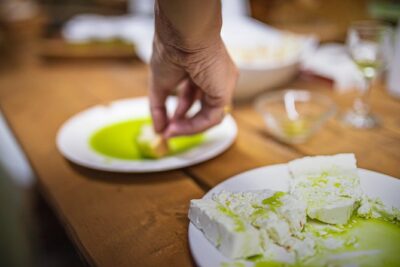
The Governor’s Olive Mill Tour with Olive Oil Tasting
Read our review →

Zeus Cave, Lassithi Plateau, Olive Oil Factory, Kritza, Pottery
Read our review →
Knossos & Lasithi Plateau: Zeus Cave,Villages, Olive Oil Tour
Read our review →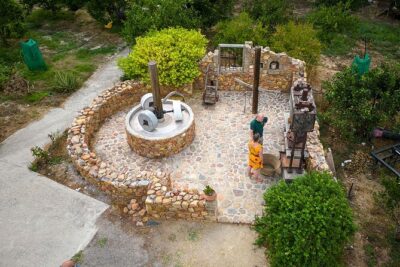
Browse the lists this tour appears in