
Reviewed · OLIVE OIL TASTINGS
From Chania: Wine and Olive Oil Tasting Tour with Snacks
Crete tastes best in the countryside. This six-hour outing from Chania combines family-run wineries, a working olive oil factory, mountain roads, and a famous olive tree estimated to be 3,000 years old. It is more than a series of tastings: you get a useful look at how two central Cretan products are grown, made, and served.
I especially like the mix of local Vidiano and Muscat of Spina, plus international grapes such as Syrah and Mourvèdre. I also like that transportation, tastings, entrance fees, and snacks are included, so you can sample freely without worrying about driving afterward. The main consideration is price: at $141 per person, this is not a cheap half-day outing, and some people may want a larger meal or one more winery for the cost.
The guides receive the strongest praise, with names including Andreas, Alex, Kostas, Nikos, and Maria appearing often in the experience. Andreas is also a sommelier, which is useful if you want more than a quick pour and a polite nod. Pickup can begin 30 to 60 minutes before departure, so keep part of your morning open.
In This Review
- What makes this tour worth your time
- Leaving Chania for the Kissamos countryside
- The first family winery and Cretan grape varieties
- The ancient olive tree in the village
- Learning how extra virgin olive oil is made
- A second winery and ten wines across the day
- Your guide can make or break the day
- Is $141 a fair price?
- Who should book this Chania wine tour?
- Practical advice before you go
- Should you book it?
- FAQ
- How long does the wine and olive oil tour last?
- Where does the tour take place?
- Is pickup from Chania included?
- What language is the tour conducted in?
- How many wineries do you visit?
- Which wines might I taste?
- Is olive oil tasting included?
- Is food included?
- Can children join the tour?
- What should I bring?
- Can I cancel the booking?
What makes this tour worth your time
- Two winery visits: Taste roughly ten wines across the day, including Cretan grapes and selected international varieties.
- A 3,000-year-old olive tree: Stop in a traditional village to see one of the oldest olive trees in the world.
- Olive oil from production to tasting: Learn how extra virgin olive oil is made, then compare several local oils.
- Cretan snacks with the wine: Local cheeses and other light foods help turn the tastings into a proper food experience.
- A guide-led countryside ride: Your driver and guide add context about Chania, Cretan culture, wine, and olive farming along the way.
- A proper Cretan farewell: The day ends with Tsikoudia, the island’s strong grape spirit.
Leaving Chania for the Kissamos countryside
The tour begins with pickup from designated points in the Chania region. You travel in an air-conditioned bus or van, a real comfort in the warm months. The ride heads through the Kissamos area and into the hills, where olive groves and vineyards replace the city streets.
The drive matters because this is not a tasting room in central Chania. You are going out to the places where the products are grown and made. Along the way, the guide explains local life and the place of wine and olive oil in Cretan culture. Guides such as Nikos, Andreas, Alex, and Kostas have been praised for making the ride as interesting as the stops themselves.
Pickup timing deserves attention. The published departure time is not always the time you leave your hotel or meeting point, since pickups begin 30 to 60 minutes earlier. Confirm your exact pickup location and time, especially if you are staying outside central Chania.
The bus is air-conditioned, and transportation scores highly for comfort. Some groups are small, while others are larger, so do not book expecting a private outing unless the operator confirms it. A few people have found their group reduced to only two guests, but that is a pleasant accident, not a standard feature.
More Food Tastings in Crete
- From Chania: Olive Oil, Wine, Cheese & Honey Tasting Tour
★ 4.6 · 490 reviews - Walking “Food tasting tour” in the town of Chania
★ 5.0 · 297 reviews - Olive Oil Tasting Tour
★ 5.0 · 195 reviews
The first family winery and Cretan grape varieties
The first winery is a family business established in 1993. That date gives you a useful sense of its character. This is a modern producer with roots in local farming, not an ancient estate preserved as a museum.
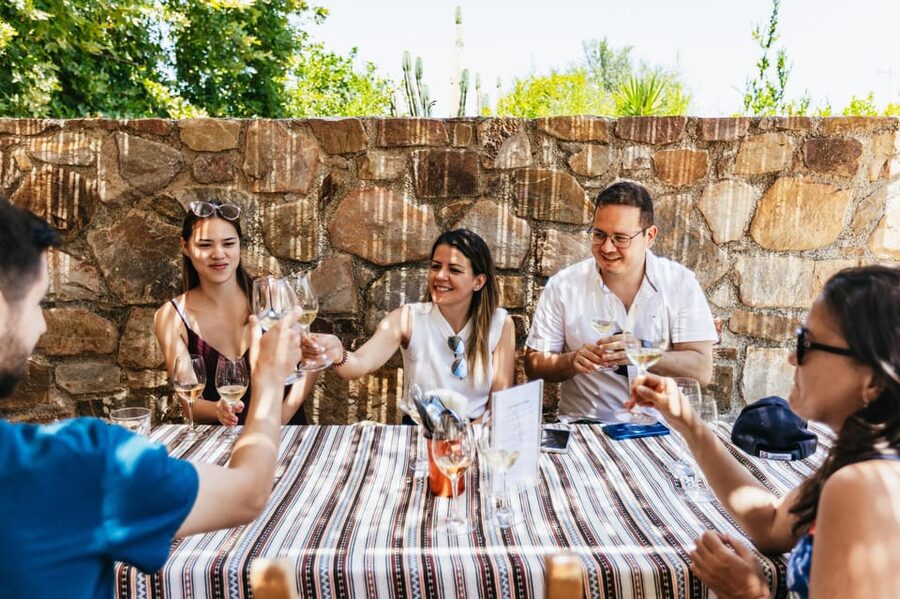
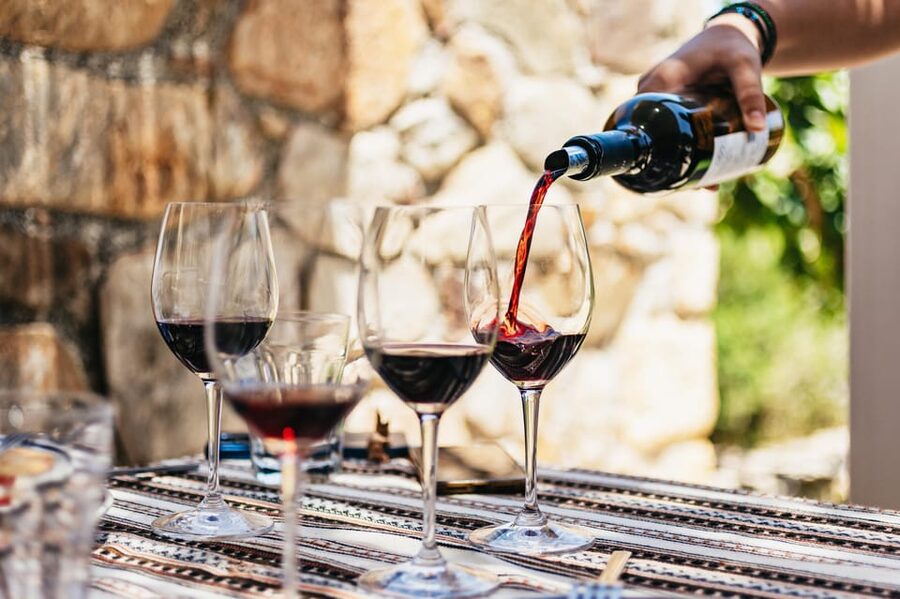
You learn about the grapes, the production methods, and the owners’ approach to modern farming. The tasting usually includes several wines, with past visitors describing five pours at this stop. The selection can include Vidiano and Muscat of Spina, two Cretan varieties worth seeking out if you normally drink familiar European grapes.
Vidiano is one of Crete’s best-known white grapes. Muscat of Spina brings a different profile, and tasting both helps you understand how local varieties can change the character of a region’s wine. The reds may include Grenache rouge, Syrah, and Mourvèdre. These are international varieties, but the Cretan soil and growing conditions give them a local identity.
I like this structure because you do not just taste one house specialty. You compare white and red wines, local and international grapes, and different styles of winemaking. If you are new to wine tasting, the guide can help you make sense of what is in the glass without turning the session into a lecture.
The setting also earns praise. You may have time to walk among the vines and enjoy the rural surroundings. The winery hosts are described as friendly and willing to explain their work, which adds a personal touch that large commercial wineries often lack.
The ancient olive tree in the village
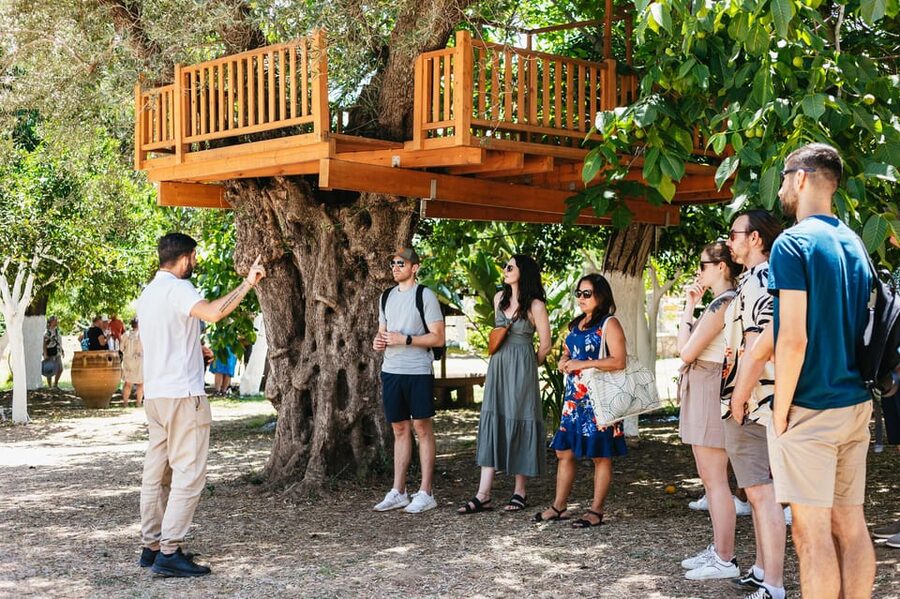
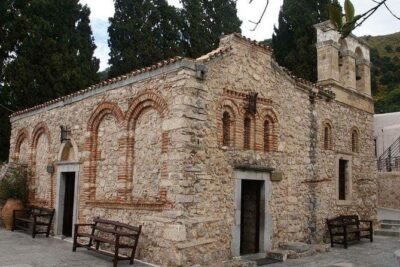
The next stop brings you to a traditional village and an olive tree estimated to be about 3,000 years old. It is commonly presented as the oldest olive tree in the world, though exact ages for ancient trees are difficult to prove. You do not need to settle that argument to appreciate what you are seeing: a living link to the island’s long farming tradition.
The tree is interesting because it shifts the tour away from tasting and toward context. Olive cultivation is not a recent tourist product in Crete. It has shaped the island’s villages, food, work, and economy for generations.
This is also a good break between winery visits. You can stretch your legs, take photographs, and see an older style of olive processing explained by the guide. The stop is not a major archaeological site with a long formal visit. It is a brief, memorable village visit that works best as part of the day rather than as a stand-alone attraction.
Bring your passport or ID card, as this is listed among the required items. Comfortable shoes are sensible because you will be walking around vineyards, village areas, and the olive oil facility.
Learning how extra virgin olive oil is made
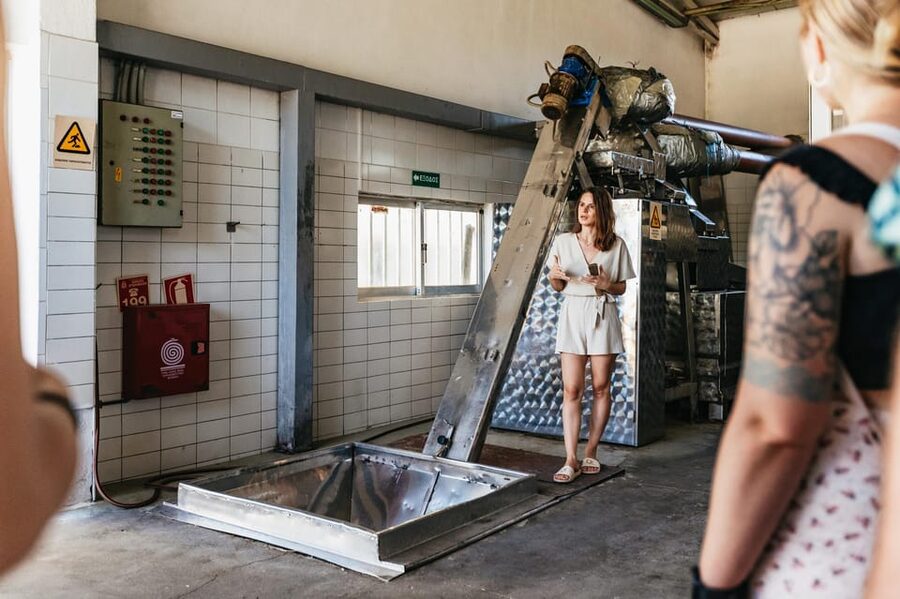
The olive oil factory gives the tour its most practical lesson. Instead of only sampling oil at a table, you get an explanation of how olives become extra virgin olive oil and how local producers handle the process.
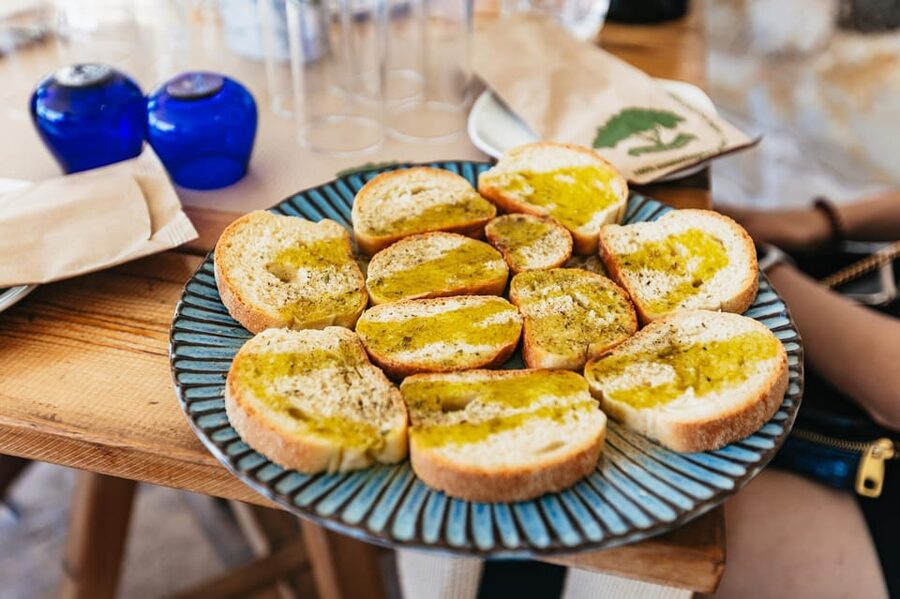
You then taste several oils, often alongside wine and local products. This is a useful part of the day even if you already cook with olive oil. The tasting helps you pay attention to differences in flavor and quality rather than treating every bottle as interchangeable.
The factory is described as a premium or local olive oil operation, and the staff explain their work in a welcoming way. There is also an opportunity to buy oil. The sales approach appears relaxed, with no pressure to purchase. That is helpful if you are interested in taking a bottle home but want to make your own decision.
Packing oil in luggage can be awkward, so think about how much you can carry before buying. The tour information confirms the tasting and the chance to purchase products, but it does not promise special shipping arrangements. Ask at the factory if you need advice about transporting a bottle.
The olive oil visit also pairs well with the wine tastings. Wine can seem abstract when you only hear about grape types and fermentation. Olive oil production is easier to follow when you can see the facility, taste the result, and connect it to the olive groves you passed earlier.
More Food Tours in Crete
- Crete: Sunset or Morning Quad with Local Products Tasting
★ 4.9 · 1,135 reviews - Crete: Quad Safari, Olive Mill with Tasting & Ghost Village
★ 4.9 · 1,004 reviews - Chania: Old Town Highlights Guided Tour with Street Food
★ 4.9 · 407 reviews - Crete: Full-Day Cretan Wines, Olive Oil, Raki and Food Tour
★ 5.0 · 264 reviews
A second winery and ten wines across the day

The second winery is in the Kissamos region and focuses on another local blend. You may taste a white wine made with Vilana, Vidiano, and Assyrtiko. That combination gives you another chance to compare Cretan grapes with a variety better known from elsewhere in Greece.
Past schedules have included five wines at the first winery and five at the second. The exact order and number can change, especially if weather forces adjustments, but you should expect a generous amount of tasting. This is not a tour for someone who wants one token sample and a quick photograph.
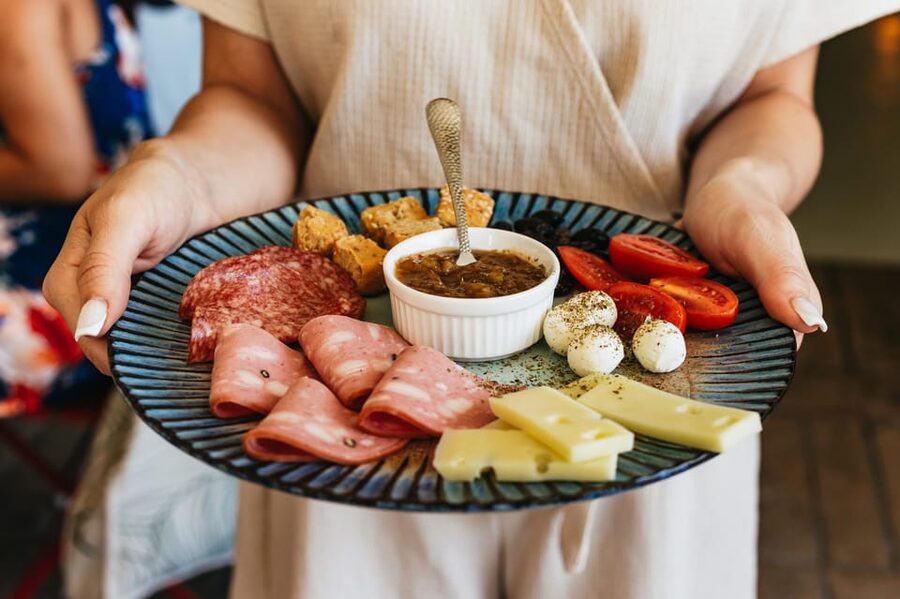
The food is light rather than a formal restaurant lunch. Local cheeses and snacks are served with the wine, and some people have found the portions satisfying while others wanted more food to balance the alcohol. Vegetarian and vegan arrangements have been possible when requested in advance, so tell the provider about dietary needs before the day.
I would eat a modest breakfast before pickup. Do not arrive hungry expecting a full three-course meal, but do not worry that you will taste wine on an empty stomach either. The snacks are part of the experience and help you notice how Cretan foods work with the wines.
The second winery may be the day’s favorite stop for some people because of its setting and atmosphere. You stroll through vineyards, meet the people behind the bottles, and taste in a relaxed setting. The appeal is personal rather than grand. These are working family businesses, and the people presenting the wine are central to the experience.
Your guide can make or break the day
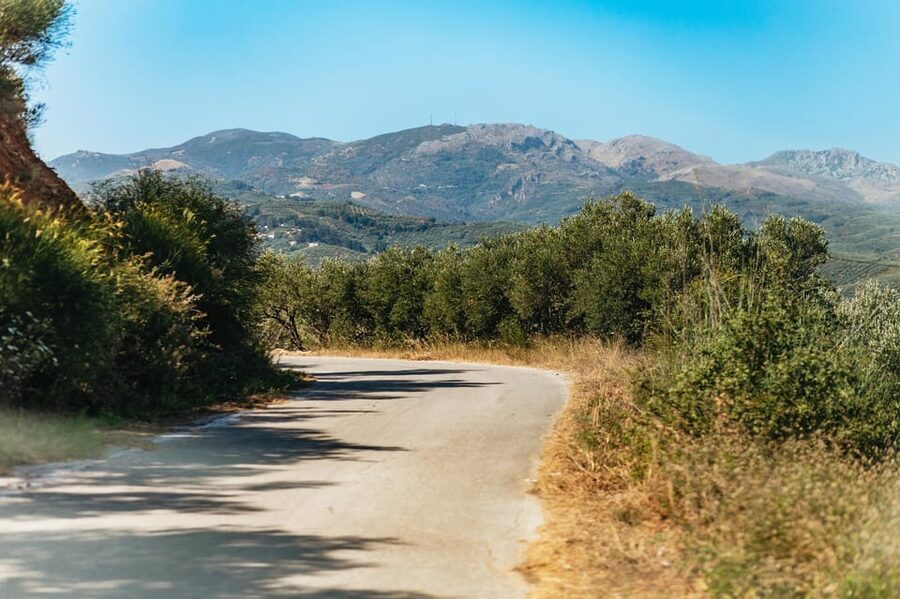
The strongest reason to choose this outing is the guide. Names vary by departure, but Andreas, Alex, Kostas, Nikos, Maria, and other guides have been singled out for their warmth, humor, driving, and local knowledge.
That range of praise matters. A wine tour can become dull if the guide only repeats tasting notes. Here, guides explain Cretan history, local customs, farming, and the places along the route. Andreas has served as both driver and sommelier, while Kostas has been praised for making first-time tasters feel comfortable.
You should expect an English-speaking live guide. The guide may not be a professional sommelier on every departure, so the depth of wine explanation can vary. Still, the operator has a strong record of personable hosting, and the guide is also responsible for navigating rural roads and keeping the schedule moving.
The driving is another quiet benefit. After tasting around ten wines, you do not have to decide who will stay sober enough to drive back to Chania. The return ride lets you relax, although a long nap afterward may be wise.
Is $141 a fair price?
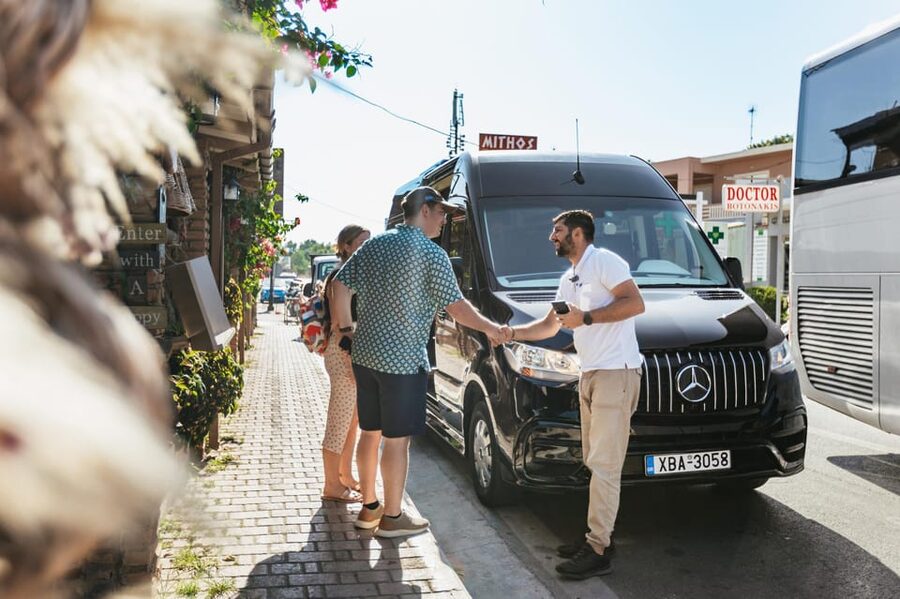
At $141, the tour costs more than a simple winery visit. The price includes pickup and drop-off from specified Chania locations, air-conditioned transport, entrance fees, wine and olive oil tastings, light lunch or snacks, and a driver-guide.
That package can represent good value if you want several activities in one day. A do-it-yourself version would require a rental car, a designated driver, separate winery bookings, entrance fees, and careful route planning. You would also lose the local commentary and the convenience of having someone manage the timing.
The value is less clear if your main goal is a large meal or a long, technical wine seminar. The food is light, and two wineries may feel brief to serious wine collectors who want extended cellar visits. One person also felt the tour was somewhat expensive for what was included, while most of the available feedback has been strongly positive.
For me, the price works best for first-time visitors to Crete who want an easy introduction to local wine and olive oil. You are paying for access, transportation, tastings, and a full half-day of planning taken off your hands.
Who should book this Chania wine tour?
This is a strong choice for couples, solo visitors, and small groups who enjoy food, local production, and countryside views. Solo visitors can join a social group without needing to arrange a private excursion, and several departures have been described as friendly and easygoing.
It also suits wine beginners. You do not need prior tasting experience, and the guides and winery hosts explain the products in an approachable way. The mixture of local and international grapes gives you a useful starting point for understanding Cretan wine.
Families can join, but children must be accompanied by an adult. Wine tasting is not available to anyone under 18. Children are offered water or fresh orange juice instead, so adults should decide if a six-hour tasting day will hold their interest.
This is not the best fit if you want a beach day, a formal lunch, or a highly specialized study of winemaking. It is also not ideal for anyone who dislikes winding rural roads or cannot comfortably walk through vineyards and village areas.
Practical advice before you go
Bring your passport or ID card, and wear shoes suitable for uneven outdoor surfaces. The itinerary may change slightly if weather conditions require it, so treat the order of stops as flexible.
Tell the operator in advance about vegetarian or vegan food requirements. Light snacks are included, but you should eat breakfast and bring water if you tend to feel the effects of wine quickly.
Do not plan a demanding activity immediately afterward. The day includes repeated tastings, snacks, driving, and plenty of information. The final Tsikoudia, a Cretan grape spirit, is a small cultural flourish but also a reminder that this is not a dry museum tour.
Cancellation is flexible up to 24 hours before departure for a full refund, and you can reserve now and pay later. That is useful when your Chania plans depend on weather.
Should you book it?
Book this tour if you want a well-organized introduction to Cretan wine and olive oil without renting a car. The ancient olive tree, two family wineries, generous tastings, local snacks, and air-conditioned transport make a well-rounded day.
I would skip it only if $141 feels high for a half-day, you want a substantial lunch, or you are seeking a specialist-level wine course. For most visitors with a few days in Chania, this is one of the better ways to leave the old town, meet local producers, and taste Crete in its proper setting.
FAQ
How long does the wine and olive oil tour last?
The tour lasts six hours, including transportation from Chania, the winery visits, the olive tree stop, the olive oil factory, tastings, and the return journey.
Where does the tour take place?
It begins in the Chania region and travels into the Kissamos area and nearby mountain countryside.
Is pickup from Chania included?
Yes. Pickup and drop-off are included from specific locations in the Chania region. Pickup can begin 30 to 60 minutes before the listed departure time.
What language is the tour conducted in?
The live tour guide speaks English.
How many wineries do you visit?
The itinerary includes visits to two local family-run wineries.
Which wines might I taste?
The tastings can include Vidiano, Muscat of Spina, Vilana, Assyrtiko, Grenache rouge, Syrah, and Mourvèdre. The exact selection may vary.
Is olive oil tasting included?
Yes. Olive oil tasting and a visit to a local olive oil factory are included.
Is food included?
Yes. Light lunch or snacks are included, with local products such as cheeses served alongside the tastings. Vegetarian and vegan options may be available if requested in advance.
Can children join the tour?
Children can join when accompanied by an adult. Anyone under 18 cannot take part in the wine tasting and will be offered water or fresh orange juice instead.
What should I bring?
Bring a passport or ID card. Comfortable shoes are also a sensible choice for walking around the village, vineyards, and olive oil facility.
Can I cancel the booking?
You can cancel up to 24 hours before the tour for a full refund. The reserve-now, pay-later option is also available.
More Wine Tours in Crete
- Crete: Land Rover Safari with Sunset Viewing, Dinner, & Wine
★ 4.9 · 395 reviews - Crete Wine and Olive Oil Tour
★ 5.0 · 272 reviews - Wine & Olive Oil Tour with Lunch at Milia Mountain Retreat
★ 5.0 · 194 reviews - Wine & Olive Oil Tour with Lunch – Semi Private Safari Tour
★ 5.0 · 156 reviews
More Olive Oil Tastings in Crete
- Knossos-Zeus Cave -Old Traditional Villages-Olive Oil Factory
★ 5.0 · 694 reviews - Zeus Cave, Lassithi Plateau, Olive Oil Factory, Kritza, Pottery
★ 5.0 · 362 reviews - The Terra Creta Olive Oil Experience Tour
★ 4.7 · 344 reviews - Knossos & Lasithi Plateau: Zeus Cave,Villages, Olive Oil Tour
★ 5.0 · 328 reviews
Just added around Crete
- Lasithi –Plateau Traditional Vilages★ 5.0 · 40 reviews
- The Palace of Knossos with Skip-the-Line Ticket★ 5.0 · 40 reviews
- Chania Morning Catamaran Cruise with Premium Lunch & Drinks★ 5.0 · 40 reviews
- From Chania: Preveli Palm Beach Day Tour★ 4.3 · 40 reviews
- Private South Crete Full-Day Tour-Spili, Kourtaliotiko & Preveli★ 5.0 · 40 reviews
- Stand-up Paddleboard Lazareta Experience Chania Crete (tour)★ 5.0 · 41 reviews
- Kissamos: Balos and Gramvousa Private Sailing Trip with Meal★ 4.8 · 41 reviews
- Knossos & Archaeological Museum Shared Guided Tour from Chania★ 5.0 · 41 reviews
Olive Oil Tastings, compared.
Knossos-Zeus Cave -Old Traditional Villages-Olive Oil Factory
Read our review →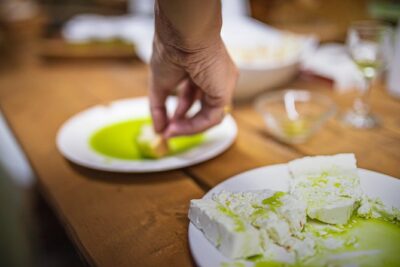
The Governor’s Olive Mill Tour with Olive Oil Tasting
Read our review →
Zeus Cave, Lassithi Plateau, Olive Oil Factory, Kritza, Pottery
Read our review →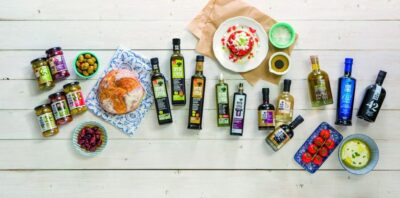
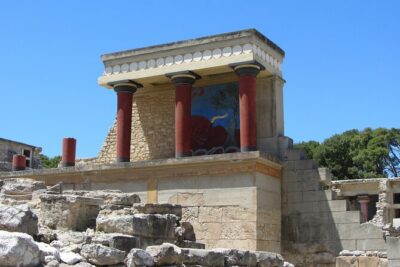
Knossos & Lasithi Plateau: Zeus Cave,Villages, Olive Oil Tour
Read our review →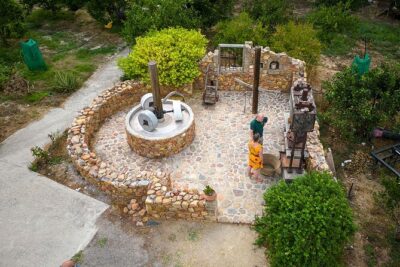
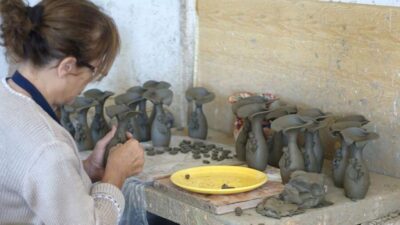
Full-Day Cretan Wines, Olive Oil, Raki and Food Tour
Read our review →Browse the lists this tour appears in