
Reviewed · WINE TOURS
Semi-Private Wine Discovery Tour in Chania
Wine country starts just outside Chania. This half-day outing pairs 11 Cretan wines with local food, olive oil, family-run wineries, and a remarkable ancient olive tree. You travel in a small, air-conditioned minivan, with a maximum of eight people, so the afternoon feels personal rather than factory-made.
I especially like the mix of local grape varieties and familiar international grapes, since you can compare Cretan wine with styles you may already know. I also like the countryside drive, which turns the trip into more than a series of tastings. The main drawback is the strict cancellation policy, since the tour is non-refundable unless poor weather forces the operator to cancel.
Anna and Oz are two guides praised for their warmth, humor, and wine expertise. Anna is a trained sommelier who grew up speaking Greek at home, while Oz brings an easygoing style and a strong sense of local history. This is a good pick if you want to learn how Cretan wine fits into the island’s food, farming, and long past, not simply drink a few glasses and climb back into a van.
In This Review
- The essential details at a glance
- Why this Chania wine tour feels different
- Karavitakis Winery: your first look at Cretan wine
- Anoskeli Winery Olive Mill: wine meets the Cretan table
- Vouves and its ancient olive tree
- The countryside drive is part of the experience
- Anna, Oz, and the value of a wine professional
- What you will actually taste
- Is $114.65 a fair price?
- Who should book this experience?
- Should you book the Chania wine tour?
- FAQ
- Where does the tour start?
- What time does the tour begin?
- How long does the tour last?
- How many people can join the tour?
- What is included in the price?
- Is the tour available to children?
The essential details at a glance
- Two family-owned wineries: Visit Karavitakis Winery and Anoskeli Winery Olive Mill for a closer look at Cretan wine production.
- About 11 wines: Taste a broad selection made from indigenous Cretan grapes and international varieties.
- Ancient olive tree stop: See the Monumental Olive Tree of Vouves, described as more than 4,000 years old.
- Small-group setting: The minivan holds no more than eight people, which allows more room for questions and conversation.
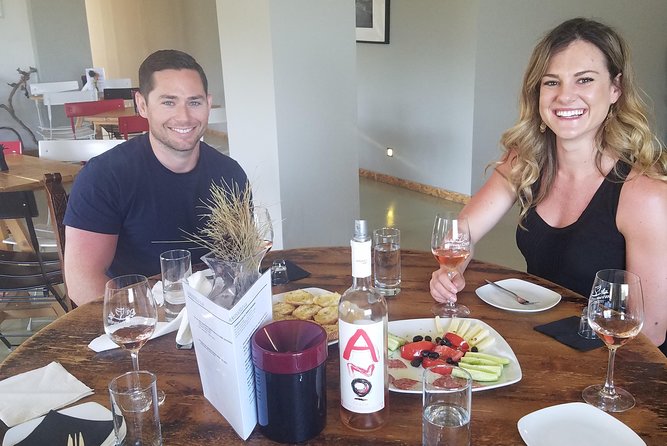
- Local food with the wine: A snack plate includes tomatoes, cheese, salami, cucumbers, bread, olive oil, and olives.
- Central departure: Meet at Platia Markopoulou near Chania’s Municipal Market at 1:00 p.m., then return to the same point.
Why this Chania wine tour feels different
Many wine outings reduce the island to a few pours and a scenic photo. This one gives you a wider picture. You taste wine, learn basic tasting methods, sample olive oil, walk through vineyards, and see how Cretan agriculture connects with daily food.
That wider approach matters because Crete is not only a wine destination. The island’s table depends on olives, cheese, vegetables, bread, and cured meats as much as it depends on vineyards. The snack plate helps you understand the wines in their natural setting. You are not tasting them in isolation, with a dry cracker and a blank sheet of paper.
The tour also avoids the feel of a large bus outing. With up to eight people, you should have a better chance to ask about grape varieties, winemaking, olive oil, or the countryside outside the window. The guides are central to the experience. Anna’s sommelier training gives the tasting a clear structure, while Oz has been praised for his humor and ability to bring history into the day without making it feel like a classroom lecture.
You will spend about five hours away from Chania, starting at 1:00 p.m. That timing works well if you want a slower afternoon after sightseeing in the old town. It also means you should eat lightly beforehand. The food is substantial enough to complement the wine, but this is not presented as a full lunch.
More Wine Tours in Crete
- From Chania: Olive Oil, Wine, Cheese & Honey Tasting Tour
★ 4.6 · 490 reviews - Crete: Land Rover Safari with Sunset Viewing, Dinner, & Wine
★ 4.9 · 395 reviews - From Chania: Wine and Olive Oil Tasting Tour with Snacks
★ 4.8 · 354 reviews
Karavitakis Winery: your first look at Cretan wine
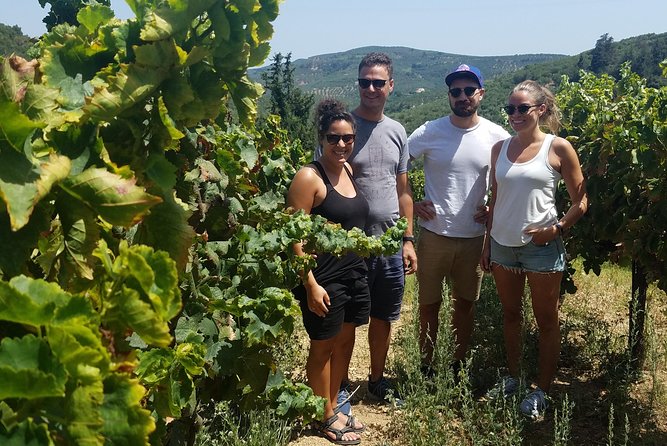
The first stop is Karavitakis Winery, where you begin exploring the wine side of the afternoon. The setting gives you a chance to see vineyards and take photographs, while your guide explains how to taste and assess what is in your glass.
The useful part here is the variety. Cretan wineries work with native grape types that may be unfamiliar to you, alongside international grapes that are easier to recognize. That comparison helps you notice what comes from the island itself and what reflects broader winemaking traditions.
You should expect the guide to focus on more than whether you simply like a wine. You may learn to consider aroma, balance, body, acidity, and finish. You do not need formal wine experience to enjoy this. The point is to give you a few practical tools so you can make sense of the different pours instead of treating the tasting as a guessing game.
A vineyard walk is also part of the appeal. It gives you a physical sense of where the wine begins, rather than keeping the whole visit inside a tasting room. Bring a phone or camera if you enjoy pictures, since the vines and surrounding countryside are specifically part of the visual experience.
Anoskeli Winery Olive Mill: wine meets the Cretan table
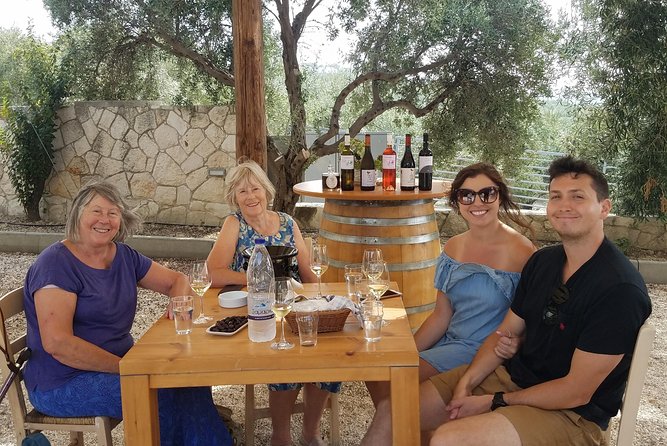
The second stop is Anoskeli Winery Olive Mill, which broadens the afternoon from grapes to olives. This is where the tour’s food focus becomes especially useful. You get to taste olive oil and connect it with the bread, tomatoes, cucumbers, cheese, salami, and olives served alongside the wine.
The olive oil segment is not just a bonus for people who happen to like cooking. Olive oil is one of the clearest ways to understand Cretan food. Small differences in aroma, bitterness, and texture can change how a simple piece of bread tastes, and the tasting gives you a reason to pay attention.
The snack plate is a practical match for wine. It includes fresh vegetables, cheese, salami, bread, olives, and olive oil, so you can compare how the food changes the wine in your glass. One tasting note from a guest with part-time wine industry experience found the pairings appropriate, while also noting that the food choices may not suit every palate. That is a fair warning. This is local-style grazing food, not a carefully designed restaurant menu for every dietary preference.
If you have dietary restrictions, the supplied details do not promise substitutions. Ask the operator before booking rather than assuming the plate can be changed. The same applies if you need a full meal. Snacks are included, but the tour description does not call them lunch.
Vouves and its ancient olive tree
The last listed stop is the Monumental Olive Tree of Vouves. The tree is described as the oldest olive tree in the world, and the age is often given as more than 4,000 years. Even if you are mainly interested in wine, this stop adds a striking sense of time to the afternoon.
The tree is a reminder that olive cultivation is not a recent tourism theme in Crete. It connects the modern oil mill and vineyard visits with an agricultural tradition that reaches far beyond the current generation. A guide who can explain the island’s past, as Anna did for one couple, makes this stop more meaningful than a quick roadside photograph.
Do not expect the tree to replace the winery visits. It is a short cultural stop within a food and wine tour, not a full archaeological visit. Its value comes from contrast: after tasting new wines and learning about modern production, you encounter a living monument that has been part of the region for thousands of years.
More things to do in Crete:
- From Kissamos Port: Boat Cruise to Balos Lagoon & Gramvousa
★ 4.2 · 6,755 reviews - Crete: Day Trip to Agios Nikolaos and Spinalonga Island
★ 4.6 · 4,416 reviews - From Chania: Full-Day Samaria Gorge Trek Excursion & Guide
★ 4.6 · 3,191 reviews - Agios Nikolaos: Boat Trip to Spinalonga with Swim Stop
★ 4.4 · 3,031 reviews
The countryside drive is part of the experience
The road time between Chania and the wineries is not wasted time. You pass through the countryside and hills around Chania, seeing a side of Crete that is easy to miss if you stay close to the beach or old harbor.
The views are one of the afternoon’s strongest features. You get a look at the rural setting behind the city, with vineyards and olive-growing areas providing context for what you are tasting. The drive also gives the tour a natural rhythm: leave the city, visit a winery, continue into the countryside, taste again, then return to Chania.
An air-conditioned minivan makes this much easier than arranging separate taxis or trying to drive after drinking. The small group limit of eight is important here. You avoid the scale of a large coach, and the guide can keep the conversation moving while still responding to individual questions.
The meeting point is Platia Markopoulou, near Chania’s Municipal Market. The tour ends back at that same point. One person was picked up near an apartment on the west side of Chania, but the standard information lists the municipal market meeting point, so you should confirm any pickup request in advance rather than count on door-to-door transport.
Anna, Oz, and the value of a wine professional
The guide can make or break a tasting tour, and this experience puts unusual weight on that role. The company describes itself as wine people running tours, rather than general tour operators adding wine to a sightseeing route. The itinerary supports that claim with a serious number of pours and a clear educational focus.
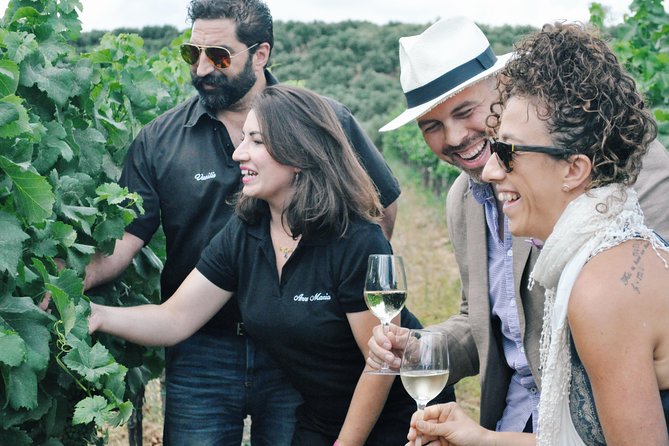
Anna received especially strong praise for explaining both wine and Cretan history. Her training as a sommelier matters because she can give you more than basic tasting vocabulary. Her Greek family background and life in Crete also allow her to connect the island’s political past with its people and wine industry.
Oz was praised for his sense of humor and for making the ancient olive tree visit memorable. That combination is useful. Wine information can become heavy if every glass brings another technical term, while a purely comic guide may leave you unsure what you actually tasted. The best moments here seem to come from a balance of both.
The tour is offered in English. Anna’s English was described as especially comfortable for American English speakers, and the experience is designed as an educational outing. You can expect conversation, explanation, and plenty of opportunity to ask questions rather than a silent tasting followed by a quick purchase table.
What you will actually taste
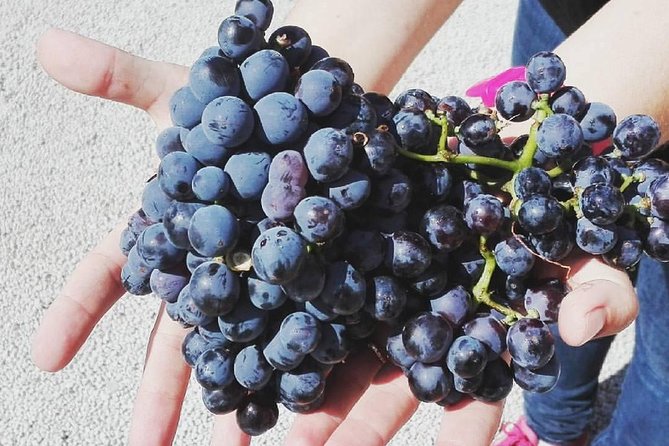
The tasting includes about 11 different wines, along with snacks. The wines combine local indigenous grapes with international varieties, giving you a useful range instead of a narrow focus on one house style.
That number is generous for a five-hour afternoon. You will not necessarily receive a full glass of every wine, and you should pace yourself. The presence of food helps, but you are still tasting many wines in one outing. Drink water when it is offered or available, and do not treat the final pours as a race.
The food plate includes:
- Tomatoes and cucumbers
- Cheese and salami
- Bread
- Olives
- Olive oil
This is a simple spread, but simple is exactly right for the setting. Cretan wine is easier to understand when paired with the ingredients that appear on the local table. You may find that a wine you dislike alone works better with cheese or olive oil, while another becomes sharper beside tomatoes.
The tour is not aimed only at wine experts. A part-time wine professional still learned new things from Anna, but the experience is also suitable for someone who can barely describe a wine beyond red or white. You will get the most from it if you are willing to taste slowly and ask questions.
Is $114.65 a fair price?
At $114.65 per person, this is not the cheapest way to spend an afternoon in Chania. The price includes transport, wine tastings, snacks, guiding, two winery visits, the olive mill, the ancient olive tree stop, and roughly five hours of time.
I consider that fair value for a small-group outing. Hiring separate transportation to two rural wineries would be inconvenient, and you would still need to arrange tastings and find your way back after drinking. The group size also matters. You are paying for access to a more personal format, not simply a seat on a bus.
The value is strongest if you want instruction. If you already know Cretan wine well and only want a scenic drive with a few generous glasses, you may find the educational sections less important. If you want to understand the island’s grapes, olive oil, food traditions, and rural setting, the price covers several experiences in one afternoon.
A 4.9 rating from 73 ratings and a 97 percent recommendation rate suggest that the tour has been consistently well received. Those numbers cannot tell you if every wine will match your taste, but they do support the idea that the guides, small group, scenery, and overall organization are major strengths.
Who should book this experience?
I would choose this tour if you want a gentle introduction to Cretan wine without giving up local food and history. It suits couples, friends, and solo visitors who enjoy asking questions and meeting a small group of fellow wine drinkers.
It is also a strong break from the beach. The afternoon gets you into the countryside without requiring a full day away from Chania. You return to the same central meeting point, which makes it easy to continue your evening in the city.
This may not suit you if you want a formal gourmet meal, a large amount of wine, or complete control over the schedule. The five-hour format includes driving and several different stops, so the day has a set pace. It is also limited to people aged 18 and over, and the minimum drinking age is 18.
The tour requires good weather. If poor weather causes cancellation, you are offered another date or a full refund. In every other case, the booking is non-refundable and cannot be changed, so choose your date carefully.
Should you book the Chania wine tour?
Book it if you want more than a tasting room. The combination of two family-owned wineries, 11 wines, olive oil, local snacks, countryside views, and a 4,000-year-old olive tree gives you a broad and memorable picture of western Crete.
I would be especially inclined to book if Anna or Oz is leading your departure, since their individual strengths add real value. Go with an open mind, eat a light meal first, and expect education as well as enjoyment. Skip it if you need a flexible cancellation policy or want a full restaurant lunch.
For most wine-curious visitors based in Chania, this is a well-priced half-day outing with the right mix of learning, scenery, and food.
FAQ
Where does the tour start?
The tour starts at Platia Markopoulou near Chania’s Municipal Market in Chania, Greece.
What time does the tour begin?
The listed start time is 1:00 p.m.
How long does the tour last?
The experience lasts approximately five hours.
How many people can join the tour?
The tour has a maximum of eight people.
What is included in the price?
Wine tasting, snacks, and transport by air-conditioned minivan are included.
Is the tour available to children?
No. The minimum age is 18, and the minimum drinking age is also 18.
Just added around Crete
- Lasithi –Plateau Traditional Vilages★ 5.0 · 40 reviews
- The Palace of Knossos with Skip-the-Line Ticket★ 5.0 · 40 reviews
- From Chania: Preveli Palm Beach Day Tour★ 4.3 · 40 reviews
- Chania Morning Catamaran Cruise with Premium Lunch & Drinks★ 5.0 · 40 reviews
- Private South Crete Full-Day Tour-Spili, Kourtaliotiko & Preveli★ 5.0 · 40 reviews
- Stand-up Paddleboard Lazareta Experience Chania Crete (tour)★ 5.0 · 41 reviews
- Kissamos: Balos and Gramvousa Private Sailing Trip with Meal★ 4.8 · 41 reviews
- Knossos & Archaeological Museum Shared Guided Tour from Chania★ 5.0 · 41 reviews
Wine Tours, compared.
Santorini Wine Adventure with 12 Wine Tastings, Tapas and Sunset
Read our review →
Santorini Wine Stories: Sunset Tour with Tasting & Dinner
Read our review →
Classic Cooking Class with Market Visit and Wine
Read our review →
Food Market Visit and Cooking Class with Wine
Read our review →
Swimming Cruise with Lunch, Wine & Live DJ on Board
Read our review →
Greek Cuisine Cooking Class in Santorini with Recipes and Wine
Read our review →
Santorini Highlights Small-Group Tour with Wine Tasting option
Read our review →Browse the lists this tour appears in