
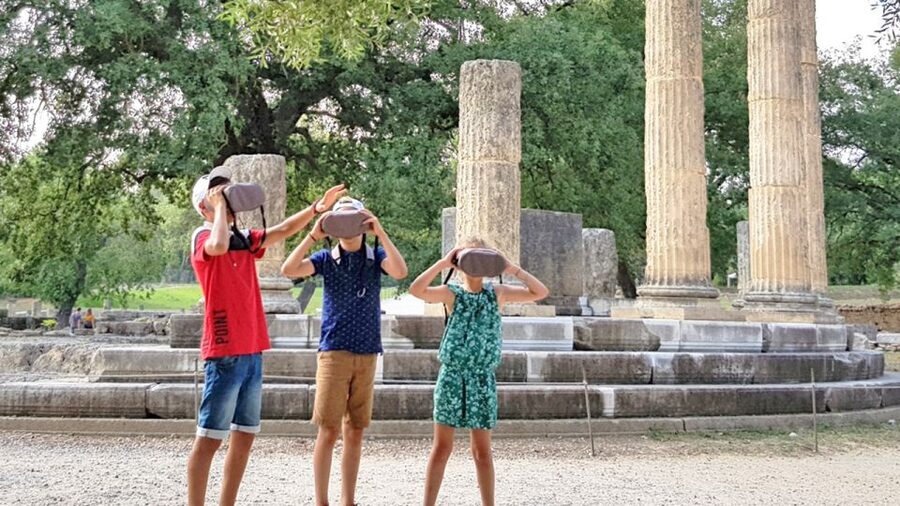
Reviewed · AUDIO TOURS
Olympia: Tour with Virtual Reality and Audio
Ancient ruins need a little help. This VR tour of Olympia supplies it, rebuilding temples, training grounds, and Olympic contests in clear 3D while you walk through the real archaeological site. I like the freedom to move at my own pace, and I like how the audio starts as you approach each monument. The main drawback is that the VR route can occasionally lose your position, and the pickup office sits away from the archaeological entrance.
For $28.23, you get two hours with the glasses, audio guide, map, technical help, and a short demonstration. Admission to the archaeological site is extra, so add that cost to your budget. You also need to leave a passport, driving licence, or ID card as a deposit, which is worth knowing before you arrive.
In This Review
- Key points to know before you go
- Why Ancient Olympia benefits from virtual reality
- Picking up the glasses in Olympia
- The Gymnasium and Palestra: where athletes prepared
- Phidias Workshop and the Statue of Zeus
- The Ancient Stadium and the Olympic Flame
- The Nymphaeum of Herodes of Atticus
- How well does the equipment work?
- How to plan the two-hour visit
- Is $28.23 good value?
- Who should book this Olympia tour?
- FAQ
- Is admission to the archaeological site included?
- Where do I collect the VR glasses?
- How long does the activity last?
- Which languages are available?
- Do I need to bring identification?
- What happens if I arrive late?
- Should you book it?
Key points to know before you go
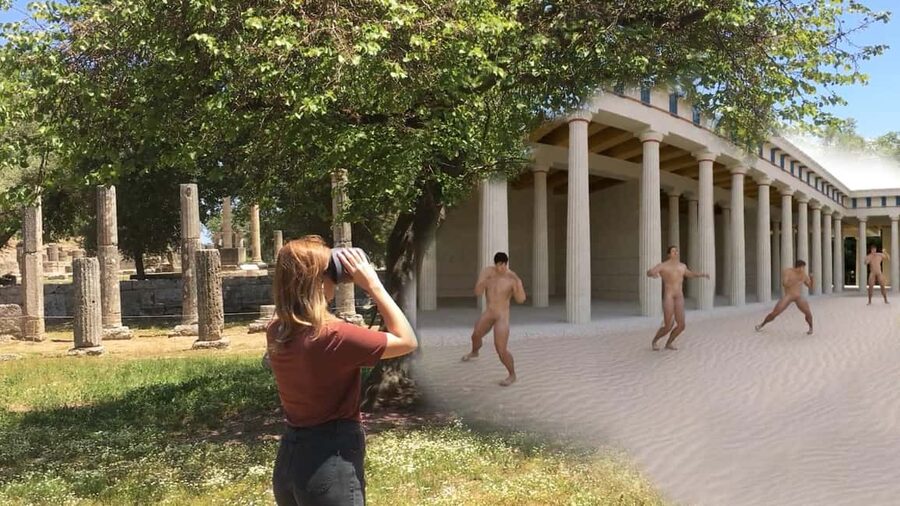
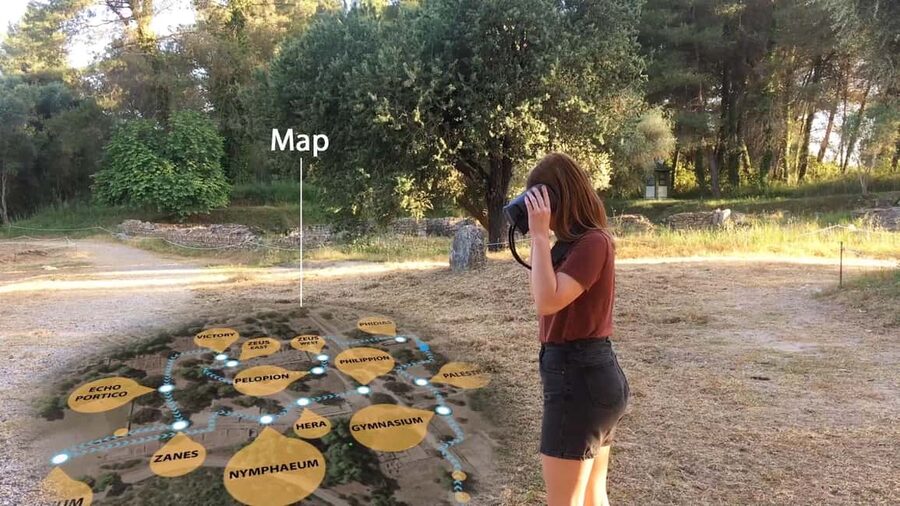
- Fifteen monuments in one self-guided route: The map directs you from the Gymnasium and Palestra to the Temple of Zeus, Stadium, and other major sites.
- Olympia rebuilt in 3D: The glasses show buildings, statues, athletes, and ceremonies as they may have appeared in ancient times.
- Audio begins near each monument: Choose from Greek, English, French, German, Spanish, Italian, or Dutch.
- Plan extra walking time: The office is on Olympia’s main street, across from the church, and roughly a short walk from the archaeological entrance.
- The technology works best with patience: GPS can occasionally need reorientation, and crowded paths make walking while wearing the glasses less comfortable.
- Good value for independent sightseeing: You avoid being tied to a large group and can pause, listen again, and move on when ready.
Why Ancient Olympia benefits from virtual reality
Olympia is one of those places where the setting carries enormous weight, but the stones do not always explain themselves. You can walk past a line of columns or a broad patch of foundations and understand that something important once stood there, yet still struggle to picture the original building.
That is where the glasses earn their keep. The VR scenes place reconstructed temples and halls over the real ruins. You can compare the surviving stones under your feet with the larger structure shown through the headset. It turns a site that might otherwise feel like a collection of scattered remains into a place with purpose and shape.
I especially like the combination of visual reconstruction and short audio explanations. The pictures answer the question of what the buildings looked like. The narration helps explain what happened inside them and why each site mattered.
This is not the same as looking at a modern photograph. One four-star assessment sensibly compared the graphics to video-game images rather than realistic photography. That is a fair expectation. The scenes are computer-generated, but they are still powerful because they give scale and context to the ruins.
You also do not have to follow a guide’s walking speed. The experience is self-guided, so you can stop, replay information, or spend more time examining a reconstruction. That freedom is particularly useful if one person in your party wants more explanation than another.
More things to do around Olympia:
- Katakolo Port: Transfer to Ancient Olympia and VR Audio Tour
★ 4.1 · 403 reviews - Ancient Olympia Half-Day Tour from Katakolo Cruise Port
★ 4.5 · 228 reviews - Katakolo: Pyrgos and Katakolo Hop-on Hop-off Bus Tour
★ 3.5 · 196 reviews
Picking up the glasses in Olympia
You begin at the local partner’s office, operated by Olympia Back In Time. Follow Olympia’s main street and look for the office across from the church, or search for Olympia back in time on Google Maps.
The office is not directly at the archaeological site. Allow time to reach it, especially if you are arriving by coach or from Katakolo. One practical estimate is about 20 minutes to walk from a coach drop-off to the agent, plus another 20 minutes afterward to return the glasses before your transport leaves. From the office to the archaeological entrance, allow roughly five minutes, though the exact walk depends on your pace and starting point.
The staff give you a live demonstration before you set off. Pay close attention to this part. The route uses a virtual map and a blue arrow, and the arrow can take a moment to adjust to the direction you are facing. The useful rule is to walk in the direction shown by the blue arrow, even if the view in the glasses seems to point another way at first.
You need comfortable shoes. The archaeological site involves walking outdoors, and you will get more from the tour if you are not thinking about sore feet. A passport, driving licence, or other ID card is required as a deposit for the equipment.
The activity is wheelchair accessible, and the instructor support is available in English, French, and Greek. The audio guide adds German, Spanish, Italian, and Dutch.
The Gymnasium and Palestra: where athletes prepared
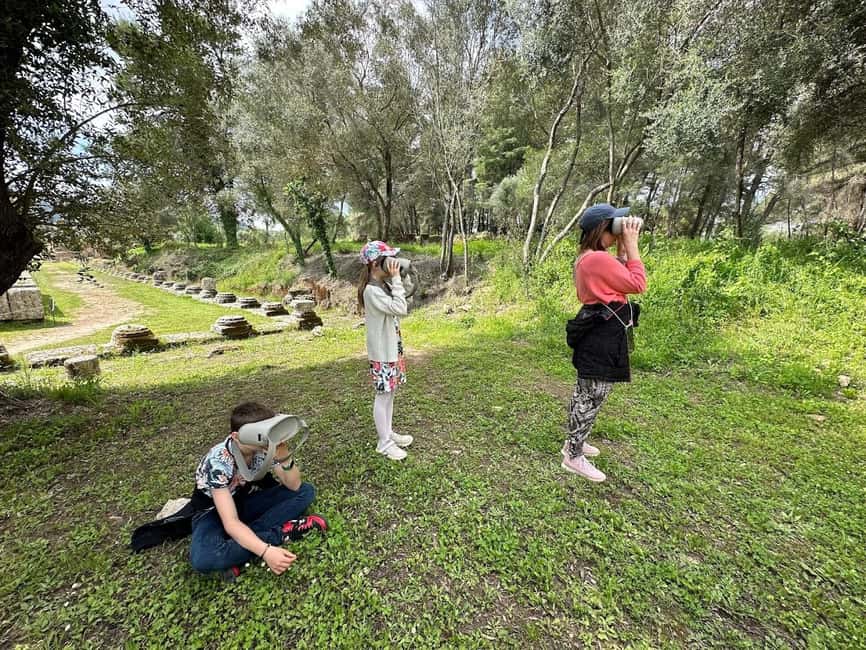
The route begins at the Ancient Gymnasium. This was the place where athletes trained before competing in the Olympic Games, so it provides a useful opening chapter. The VR view helps you picture the size and function of the training area rather than seeing only the surviving remains.
From there, you continue to the Palestra, associated with the training of boxers and wrestlers. Here the virtual scenes put athletes into the setting, making the site’s sporting purpose easier to understand.
These first stops show the main strength of the format. A traditional audio guide can tell you that athletes trained here. The VR scenes let you see the training ground populated and active. You begin to understand Olympia not just as a religious sanctuary with sports nearby, but as a working center built around preparation, competition, ceremony, and spectacle.
The audio is delivered as you approach each monument. You are not required to search through a long menu or guess which track belongs to which ruin. That simple feature keeps your attention on the place around you.
Phidias Workshop and the Statue of Zeus
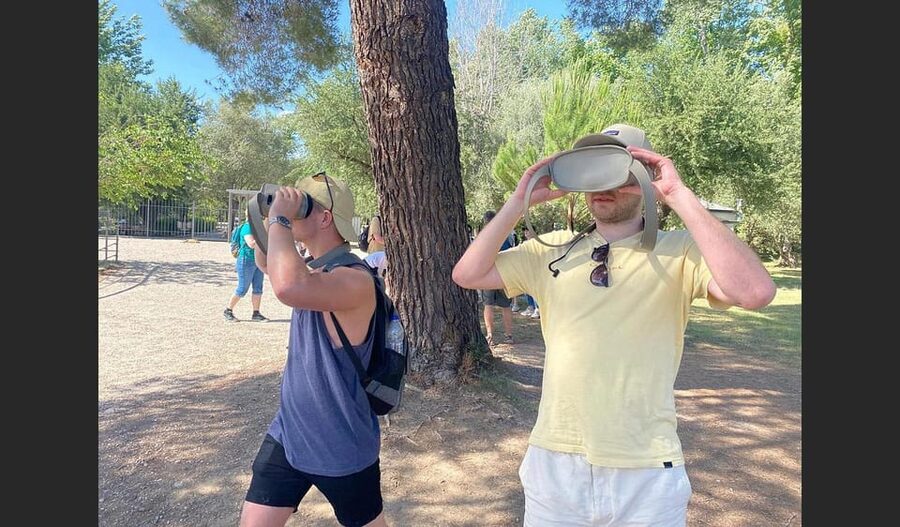
Next comes the Phidias Workshop. Phidias created the Statue of Zeus here, one of the seven wonders of the ancient world. The workshop is therefore more than another stop on the route. It connects the physical remains to one of the most famous artworks associated with classical Greece.
The VR reconstruction helps you imagine the building as a place of production rather than a bare archaeological shell. You can see how a monument of enormous scale began with skilled work inside a workshop.
The route then heads east toward the Temple of Zeus. This is one of the moments where the glasses make a major difference. The temple’s surviving pieces can be difficult to read on their own, but the virtual version restores the height, order, and grandeur of the building.
You can also enter the temple virtually and see the Statue of Zeus. This is a strong use of the technology because the original statue is no longer present at Olympia. A conventional visit can explain its importance, but the VR view gives you a visual sense of the interior and the object that once dominated it.
The audio adds short facts and stories about the Olympic Games. I would listen carefully here rather than rushing from one point to the next. The narration is part of what gives the reconstructed buildings meaning.
More self guided tours in Olympia:
- Half-Day Ancient Olympia VR Audio Tour from Katakolo Cruise Port
★ 3.5 · 57 reviews - Athens: Acropolis Ticket with Optional Audio or Live Guide
★ 4.2 · 11,055 reviews - Athens: Cape Sounio & Poseidon Temple Trip with Audio Guide
★ 4.4 · 4,521 reviews - Athens: Acropolis Ticket with Audio Guide
★ 4.0 · 3,575 reviews
The Ancient Stadium and the Olympic Flame
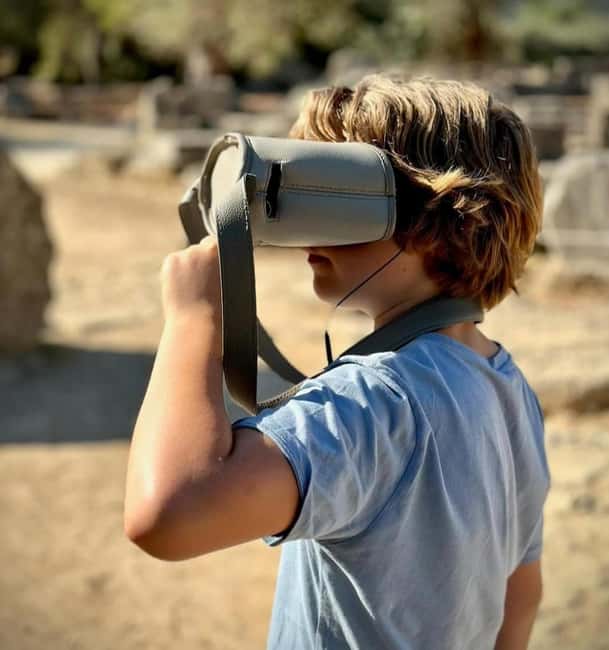
The Ancient Stadium is likely to be the most memorable stop for many people. You stand at the actual site where the Olympic contests took place, then use the glasses to watch athletes compete in an ancient sporting event.
The virtual race gives the stadium a human scale. Instead of seeing an empty running ground, you can picture competitors moving through it and watch from the finishing line. That viewpoint is a nice touch because it places you inside the event rather than presenting it only from above or from a distant reconstruction.
The audio and images also help explain why the stadium matters beyond its familiar modern name. The Olympic Games began here, and the tour connects the physical track with the athletes who trained at the Gymnasium and Palestra.
The final major scene covers the lighting of the Olympic Flame in ancient times. This creates a direct link between an old ritual and a tradition still associated with the modern Games. The point is not that everything has remained unchanged, but that some ceremonial ideas continue to echo across time.
The Nymphaeum of Herodes of Atticus
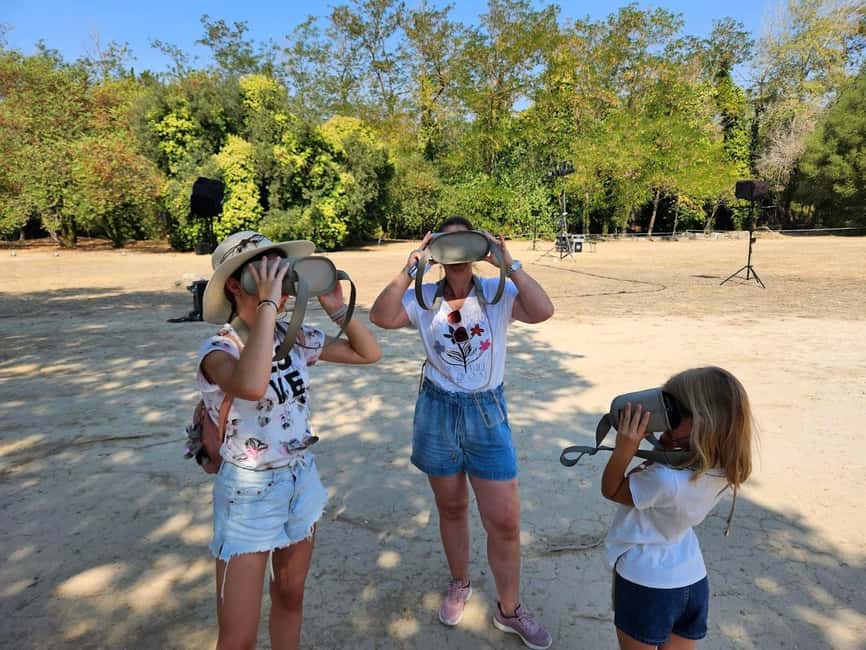
The route includes the Nymphaeum of Herodes of Atticus, a monumental fountain structure. Today, the ruins can make its original scale hard to grasp. Through the glasses, the Nymphaeum returns in a fuller form, allowing you to see how much more than a few broken remains once occupied the site.
This is another stop where the technology provides context rather than simple decoration. You see the relationship between the surviving pieces and the complete structure. The audio then gives you information as you arrive, so you can connect the reconstruction to the stones in front of you.
The full route covers 15 monuments in total, not just the highlights listed above. The precise order and walking pace can vary slightly as you follow the map, but the route is designed to guide you through the main archaeological area without requiring a human guide to lead a group.
How well does the equipment work?
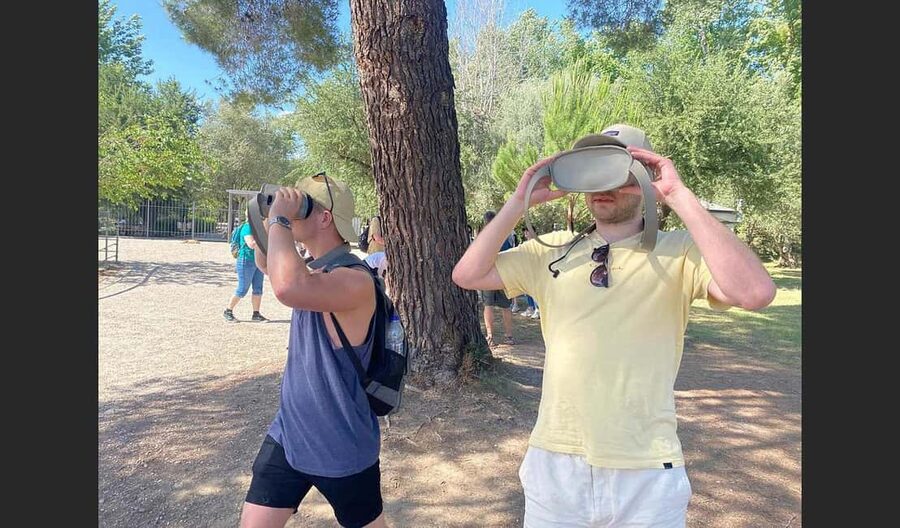
The equipment is easy enough for most people after the demonstration, and technical support is included if you need help. I would still expect a short adjustment period. The blue-arrow directions may seem confusing at first, especially when you are looking through the glasses while also trying to match the real path.
GPS recognition is not perfect. At times, the device may lose your location or fail to recognize that you have reached the next monument. The practical solution is simple: reorient the device, follow the physical signs, and listen again when you reach the matching site.
Do not treat the virtual route as a reason to ignore your surroundings. You are walking through an active archaeological area, and people may pass close by. One useful tip is to visit when the site is less crowded if you have that option. Wearing the glasses can feel disconcerting when people are moving around you, and you will want to keep an eye on uneven ground and other visitors.
The equipment can also restart if it shuts down. That is inconvenient, but the supplied instructions and staff support make the problem manageable. The tour is not flawless technology. It is technology used well enough to add major value to a difficult site.
How to plan the two-hour visit
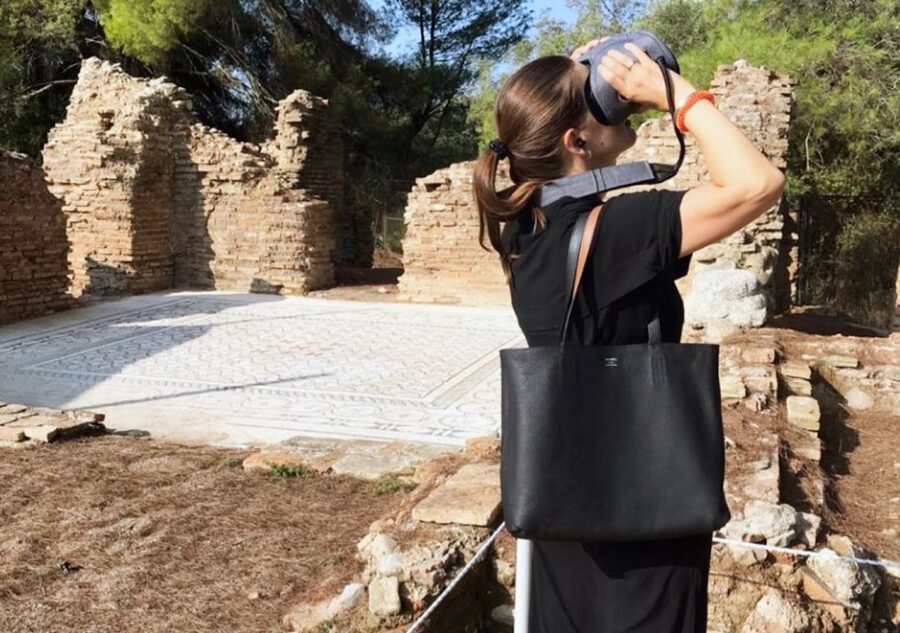
The stated duration is two hours, but you should plan the whole outing around more than the headset time. Allow for the walk between the office and the site, the demonstration, the return of the equipment, and your onward transport.
If you are visiting the archaeological museum too, be careful with your schedule. The best order for this activity is to take the glasses to the outdoor site first, then visit the museum afterward if time allows. Starting at the museum can leave you rushed at the ruins, especially if you have a fixed return time.
The office does not accept returns between 1:30 pm and 3:00 pm because of its working schedule. Check the available start times and plan around this closure. Late arrivals of more than 45 minutes, without contacting the provider, can be canceled without a refund.
The tour ends back at the same office. This is convenient if you are staying in Olympia, but it matters more if you are catching a coach, cruise transfer, or other scheduled ride. Keep your return walk in mind rather than assuming the tour ends at the archaeological gate.
Free cancellation is available up to 24 hours before the activity, and reserve-now-pay-later booking is offered. Those terms are useful if your Peloponnese plans are still shifting.
Is $28.23 good value?

At $28.23 per person, the experience costs more than simply walking through the site with no guide, and admission is not included. That comparison is important. You are paying for the rented VR glasses, audio guide, virtual map, demonstration, and technical support, not for entry to Olympia itself.
I consider it good value if you want help reading the ruins but do not want to join a fixed group. The tour effectively adds an independent guide and visual reconstruction while letting you choose your pace. For families, it can also give younger visitors a reason to look closely at the remains rather than treating the site as a long walk among stones.
It is less essential for someone who prefers archaeology through physical evidence alone, reads every information panel, or already has a strong guidebook and plenty of imagination. The graphics are not photographic, and the occasional GPS problem may test your patience.
Still, the most praised feature is clear: the glasses make the scale and purpose of Olympia easier to grasp. Without them, several areas can be difficult to interpret. With them, the buildings, athletes, and ceremonies connect into a more understandable story.
Who should book this Olympia tour?
I would recommend it for first-time visitors, families, independent sightseers, and anyone arriving without a private guide. It is also useful if you want to avoid moving through Olympia as part of a large group.
The tour suits people who enjoy learning by seeing. If you want to picture the Temple of Zeus, watch a race in the Stadium, or understand where athletes trained, the VR scenes do work that text alone cannot.
I would be more cautious if you dislike wearing headsets, have limited time before transport, or want a quiet, uninterrupted archaeological visit. You also need to be comfortable managing a little technology while walking outdoors.
FAQ
Is admission to the archaeological site included?
No. The VR glasses, audio guide, live demonstration, technical support, and information are included, but the admission ticket to the archaeological site must be purchased separately.
Where do I collect the VR glasses?
Meet the host at the Olympia Back In Time office on Olympia’s main street, across from the church. You can also search for Olympia back in time on Google Maps.
How long does the activity last?
The activity lasts two hours. Check availability for the starting times, and allow extra time for walking to the office and returning the equipment.
Which languages are available?
The instructor support is available in English, French, and Greek. The audio guide is available in Greek, English, French, German, Spanish, Italian, and Dutch.
Do I need to bring identification?
Yes. A passport, driving licence, or ID card is required as a deposit for the equipment. Comfortable shoes are also recommended.
What happens if I arrive late?
Arrivals more than 45 minutes late may be canceled without a refund if you have not contacted the provider. If your transport is delayed, contact the provider as soon as possible.
Should you book it?
For most first visits to Ancient Olympia, I would book it. The ruins are important, but they do not always explain their original form without help. The VR scenes restore the temples, training grounds, fountain, stadium, and ceremonies well enough to make the site easier to read and remember.
Book it early in your visit, take the headset to the outdoor archaeological site before the museum, and allow generous time for the return walk. If you accept that the graphics are computer-generated and the GPS may need occasional help, the $28.23 fee is a sensible way to get far more meaning from Olympia.
More Audio Tours in Olympia
- From Athens: Delphi Full Day V.R. Audio Guided Tour
★ 4.6 · 3,028 reviews - Athens: Acropolis Museum Ticket with optional Audio Guide
★ 4.4 · 2,652 reviews - Athens: Acropolis Ticket & Optional Self-Guided Audio Tours
★ 4.1 · 2,542 reviews - Parthenon & Acropolis Museum with Audio or Live Tour Option
★ 4.1 · 2,446 reviews
Just added around Olympia
- Katakolon: Olympia Highlights Shore Excursion★ 4.3 · 43 reviews
- Katakolon Shore Ex: Olympic site & Kourouta Beach Escape★ 4.5 · 44 reviews
- Private Excursion to Ancient Olympia – bee farm & winery★ 4.5 · 49 reviews
- Katakolon 7hour tour : Olympia-Honey Farm-Winery-Beach★ 5.0 · 53 reviews
- Private Olympia tour (4.5 hours)★ 5.0 · 54 reviews
- Private local tour of the archaeological site and museum of Olympia★ 5.0 · 55 reviews
- Private Guided Tour of Ancient Olympia★ 5.0 · 56 reviews
- Half-Day Ancient Olympia VR Audio Tour from Katakolo Cruise Port★ 3.5 · 57 reviews
Audio Tours, compared.

Cape Sounio & Poseidon Temple Trip with Audio Guide
Read our review →
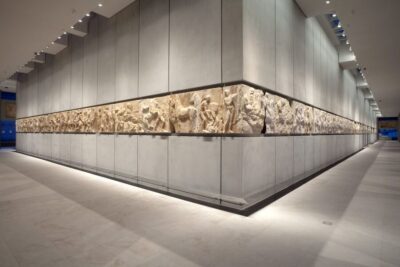
Acropolis Museum Ticket with optional Audio Guide
Read our review →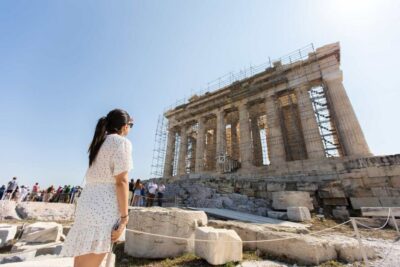
Acropolis Ticket & Optional Self-Guided Audio Tours
Read our review →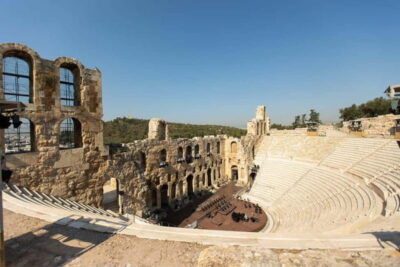
Parthenon & Acropolis Museum with Audio or Live Tour Option
Read our review →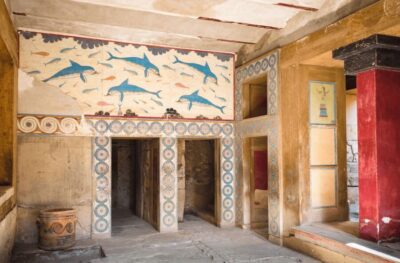
Knossos Palace Entry Ticket with Optional Audio Guide
Read our review →Browse the lists this tour appears in