
Reviewed · OLIVE OIL TASTINGS
North Corfu: Olive Tour with Olive Oil Tasting and Mezze
Olive oil tastes different when you know its story. This three-hour North Corfu tour pairs a walk through old groves with an early-1900s olive press and a generous tasting of local oil. I especially like the small family-farm setting and the chance to learn how to judge oil, not simply sample it. The main drawback is the location: Loutses is about 45 minutes from Corfu Town and the port, so this is not a quick add-on from the city.
Guide Jonathan brings a personal connection to the subject, while Chrysa helps create the warm, relaxed feel praised throughout the experience. I also like that the final meze uses Corfiot products rather than generic tourist fare. You will need your own transport, though, since hotel pickup and drop-off are not included.
In This Review
- Key points about the Loutses olive tour
- Why olive oil makes a good Corfu experience
- Finding the olive grove in Loutses
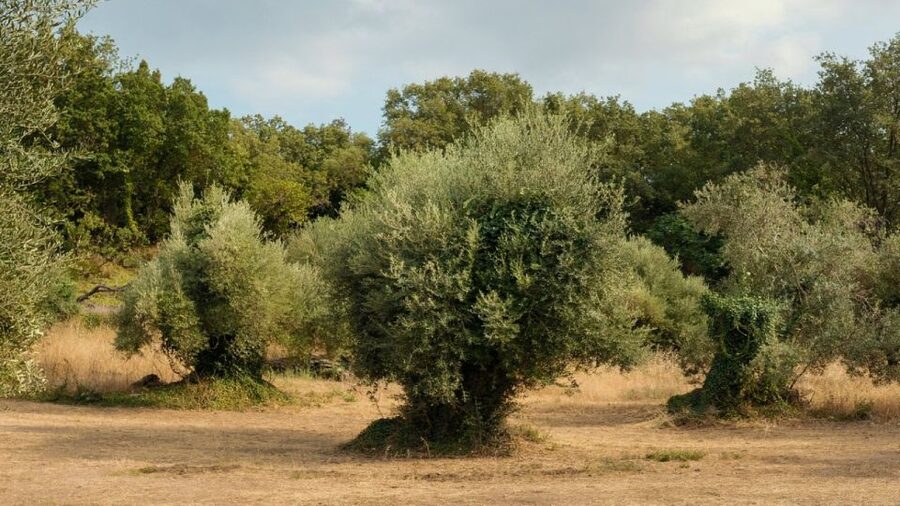
- Walking through generations of olive trees
- The old olive press and the changing way oil is made
- Tasting olive oil without simply swallowing it
- A Corfiot meze under the olive trees
- What the $64 price gets you
- Who will enjoy this tour most
- Practical details before you book
- Should you book the North Corfu olive tour?
- FAQ
- Where does the olive tour meet?
- How far is the farm from Corfu Town?
- Is parking available?
- How long does the experience last?
- What is included in the price?
- Is hotel pickup included?
- What language is the tour offered in?
Key points about the Loutses olive tour
- Walk among old Corfiot olive trees: Learn how olive growing shaped daily life on the island while exploring a working grove.
- See a traditional press from the early 1900s: The old equipment gives useful context for how oil was made before modern machinery.
- Learn to taste olive oil properly: The tasting explains quality, grades, and ways to recognize better oil.
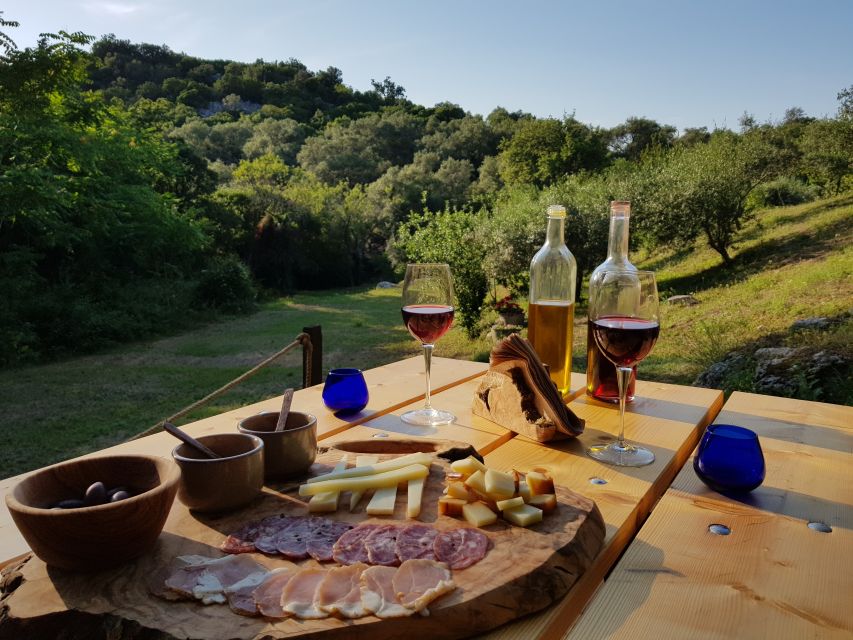
- Finish under the olive trees with meze: Expect olives, bread, cheese, local meats, dolmadakia, wine, and other Corfiot products, depending on the serving.
- Meet Jonathan and the family behind the farm: The tour feels personal rather than factory-like, with a strong focus on local traditions.
- Plan for a northern Corfu drive: Free private parking is available, but the grove is not shown directly on maps.
Why olive oil makes a good Corfu experience
Corfu is often sold through beaches, boat trips, and old-town walks. Those are worthwhile, but the island’s olive trees explain another side of local life. Olive growing is not a small decoration here. It is tied to food, family work, village identity, and the appearance of much of the countryside.
This tour gives you a way to understand that connection on foot. Instead of looking at rows of trees from a passing car, you spend time among them and hear how cultivation changed over the centuries. The subject is practical. You learn about olives, pressing, oil quality, and even the making of olive-oil soap.
I like experiences that leave you with a better eye for something you will keep seeing after the tour. By the time you return home, a bottle labeled extra virgin olive oil may raise more questions than it did before. That is a good result for a three-hour outing.
More Olive Oil Tastings in Greece:
- Knossos-Zeus Cave -Old Traditional Villages-Olive Oil Factory
★ 5.0 · 694 reviews - The Governor’s Olive Mill Tour with Olive Oil Tasting
★ 5.0 · 502 reviews - From Chania: Olive Oil, Wine, Cheese & Honey Tasting Tour
★ 4.6 · 490 reviews
Finding the olive grove in Loutses
The meeting point is in the village of Loutses, opposite the small taverna Xatzos. Use the supplied Google Maps link rather than relying only on the name of the grove, because the olive-growing area itself does not appear directly on maps.
When you arrive, look for a sign directing you toward the grove. Free private parking is available, which makes this outing easier if you are touring northern Corfu by car. The location is roughly 45 minutes from Corfu Town and the port, so allow extra time for the drive and do not try to squeeze this into a tight port departure schedule.
The northern setting is part of the appeal. You are leaving the island’s main urban center and heading toward a village and agricultural area. That makes the experience feel more connected to everyday Corfu, but it also means the tour works best as part of a north-island day.
Walking through generations of olive trees
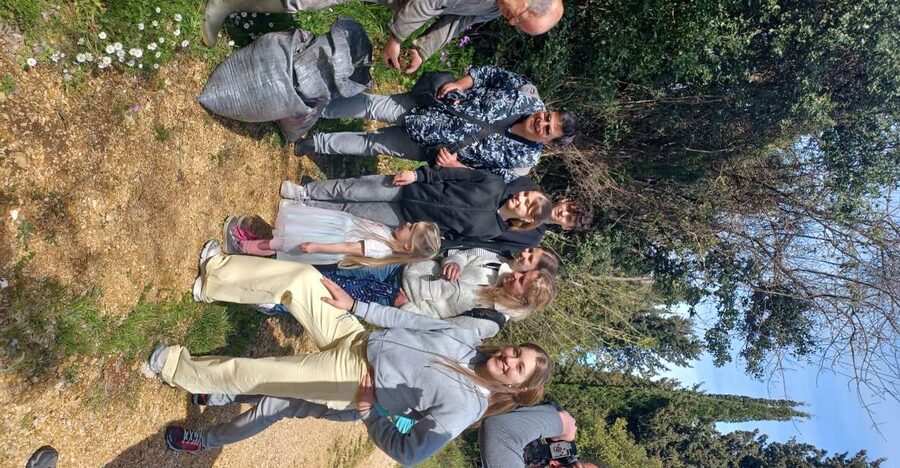
The first two hours focus on the grove and the story of olive cultivation. Jonathan guides you through the ecosystem, explaining how olives have been grown in Corfu from the distant past to the present day.
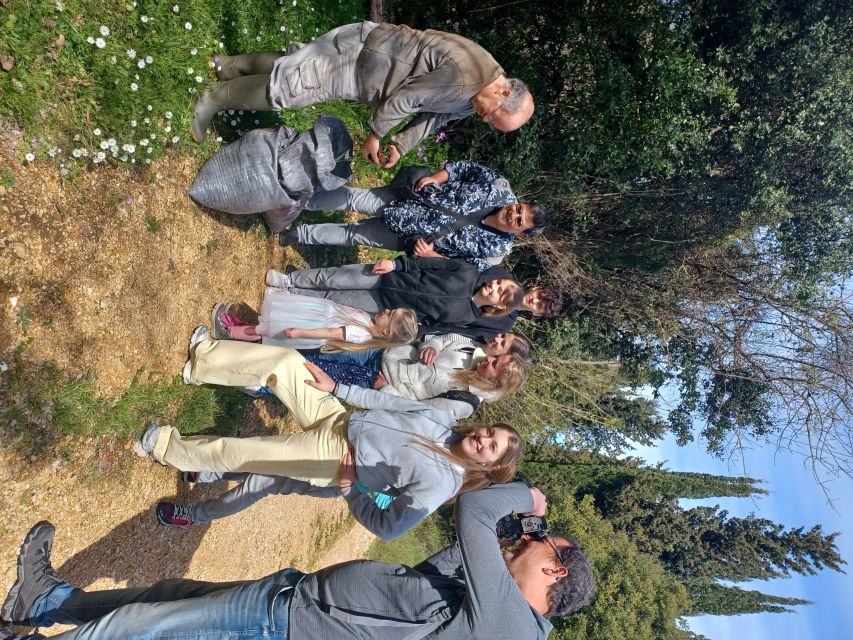
The walk is not only about farming technique. You learn about the perennial trees themselves, including the way some have lived through several generations of local families. The information also includes the surrounding plants and wildlife, so you get a picture of the grove as a living environment rather than a field of identical crops.
The setting has been praised as peaceful and beautiful, with shade from the trees providing a welcome break during warmer months. One couple even chose the farm as the place for a marriage proposal, which tells you something about the atmosphere. Still, you should think of this as an outdoor walk, not a seated museum visit. Wear sensible footwear and bring what you need for time outside.
Jonathan’s approach appears to be a major part of the experience. The strongest praise centers on his humor, warmth, and ability to explain a technical subject without making it dull. He is also described as someone with a personal stake in the work, rather than a guide giving a memorized farm presentation.
The old olive press and the changing way oil is made
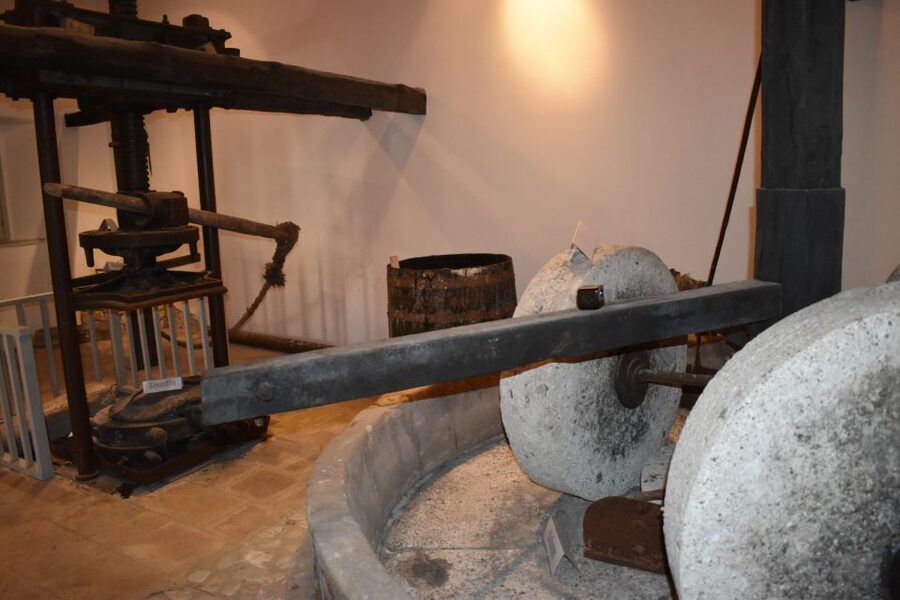
The walk leads to a small traditional village and the provider’s own olive press, dating from the early 1900s. This is one of the most useful parts of the tour because it lets you connect the farming story with the work that followed the harvest.
The press shows how olive oil was produced in an earlier period, when the process required more physical labor and local equipment. You then hear how production has changed from those methods to modern practice. That past-to-present comparison gives the tour a clear structure and helps explain why oil can differ in flavor, grade, and price.
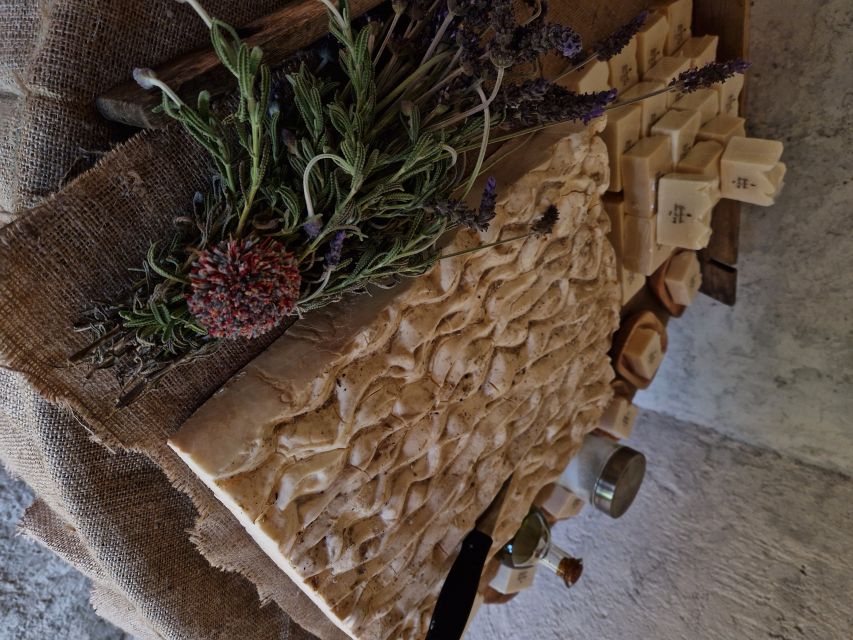
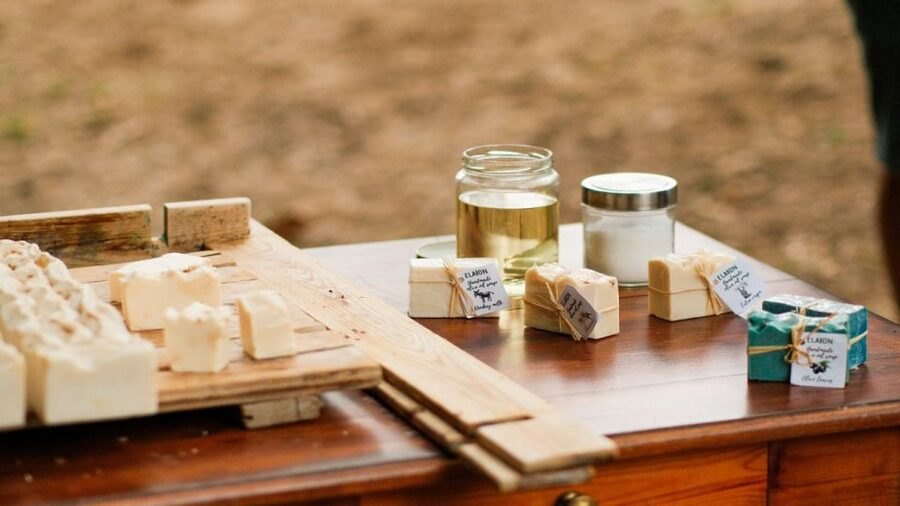
You also learn how olive-oil soap is made. It is a small detail, but a memorable one. Soap connects the olive harvest with the older habit of using as much of the crop as possible. The farm shop offers creamy olive-oil soaps along with oil, according to the information provided, so you may have the chance to buy a useful souvenir rather than another decorative trinket.
The press is privately owned by the activity provider, which makes the visit feel more personal. This is not presented as a large industrial plant with a long production line. If you want a tour centered on modern factory machinery, this may feel modest. If you want to understand traditional Corfiot production, the modest scale is exactly the point.
More Food Tours in Greece:
- Greek Food Walking Tour in Athens
★ 5.0 · 4,740 reviews - Athens: Street Food Tasting Tour
★ 4.9 · 2,557 reviews - Small Group Greek Traditional Food Tour in Athens 20+ Tastings
★ 5.0 · 1,759 reviews - Tour and Wine Tasting in Mykonian Land
★ 5.0 · 1,357 reviews
Tasting olive oil without simply swallowing it
The tasting is the part most likely to change how you shop for oil. You sample a local oil and learn about quality, different grades, and the signs of a good product. Several participants found that the farm’s oil tasted notably different from the oil they usually bought at home.
That difference is not treated as a matter of blind loyalty to one farm. The useful lesson is how to pay attention. You are encouraged to think about flavor and quality instead of trusting a label or assuming that every olive oil is alike. For anyone who cooks regularly, that information can be worth more than a standard tasting with no explanation.
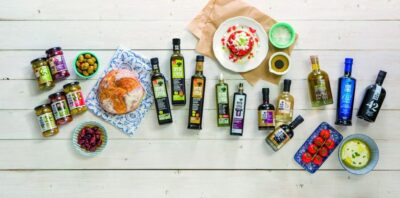
The tour includes olive oil tasting, so you do not pay an extra tasting fee on top of the advertised price. You may also be able to purchase tins of the farm’s oil and olive-oil soap at the small shop. One practical limitation is that online ordering was not available to at least one participant, so buying at the farm may be the easiest option if you want to take oil home.
Since oil is the star of the tasting, expect the food to come afterward rather than treating this as a full restaurant meal from the start. The order matters. You first understand the product, then sit down and enjoy it with food.
A Corfiot meze under the olive trees
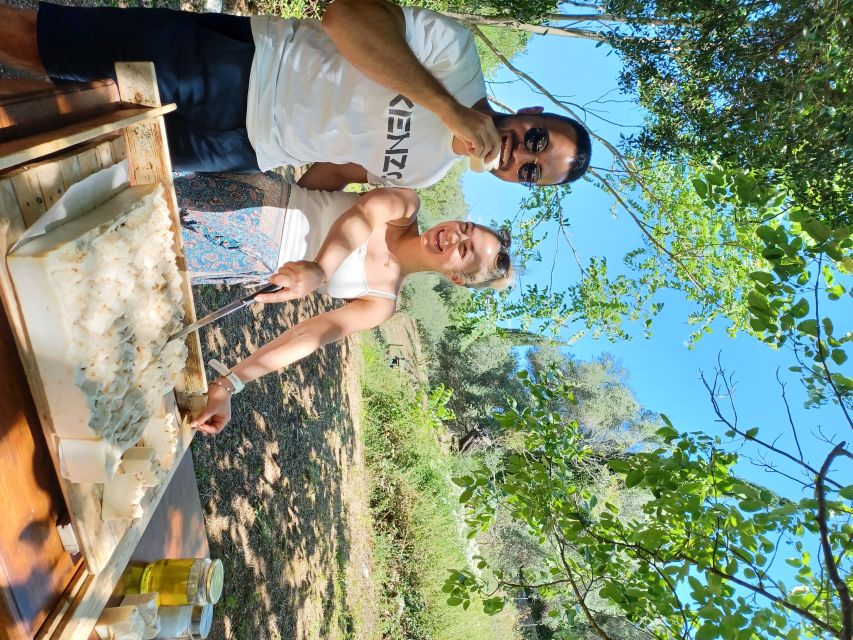
The final hour includes the tasting and a meze built around local products. The listed examples include olives, bread, cheese, and more. Additional food described for the serving includes local meats, dolmadakia, and local wine.
This ending is one of the tour’s strongest features. Food gives the information somewhere to land. After hearing about the trees, pressing methods, and oil quality, you can use the oil with bread and other simple ingredients. It becomes a shared table rather than a quick sample at a counter.
The setting also matters. The meze is served in the shade of the olive trees, creating a calm finish to the walk. The food is described as locally sourced, with an aim to support nearby producers and the surrounding community. That is a meaningful difference from a packaged tasting built around anonymous snacks.
Do not book this expecting a long, elaborate restaurant lunch. It is a Corfiot meze accompanying the tasting, served as part of a three-hour farm visit. For most people, it should feel like a satisfying light meal. If you have a large appetite or strict dietary needs, ask the provider before booking, since the available details do not list substitutions or dietary arrangements.
What the $64 price gets you
At $64 per person, this is not the cheapest way to spend three hours in Corfu. The value comes from the combination of a private tour, a guide, access to a traditional press, a structured oil tasting, and the meze.
You are not paying only for a plate of food or a walk through attractive trees. The tour connects several parts of the island’s food culture: cultivation, older equipment, modern oil production, soap making, tasting, and local eating. That range makes the price easier to justify for anyone genuinely interested in Corfu beyond the usual sightseeing stops.
The smaller family-farm setting also matters. The experience is described as having relatively small groups, although a precise maximum group size is not provided. That should make it easier to ask questions and follow the explanations than on a large commercial excursion.
I would be less likely to recommend it to someone who has only one short stop in Corfu, especially if that person is staying in Corfu Town and has no car. The drive takes time, and the tour is best appreciated when you can give the subject your full attention. For a longer stay, the price is fair for a focused local experience with food included.
Who will enjoy this tour most
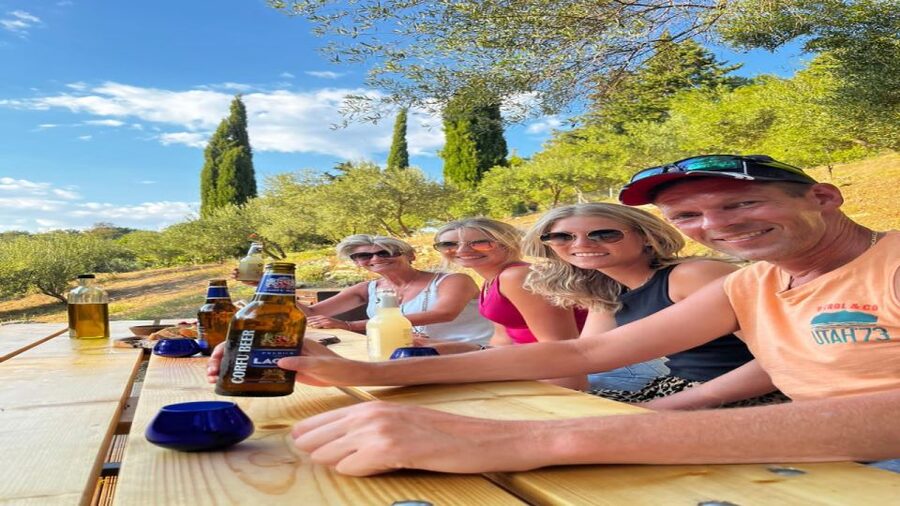
You will probably like this tour if you enjoy food, farming, village life, and personal stories. It suits couples, families with an interest in local culture, and anyone who wants a quieter counterpoint to Corfu’s busy old town and beach areas.
It is also a good choice for cooks and food-minded shoppers. Learning to taste oil and recognize quality gives you something useful to take home. The possibility of buying oil and soap adds a practical souvenir option.
The tour may be less suitable if you dislike walking outdoors, have very limited time, or want a large-scale factory tour. The experience is built around a farm, an old press, and a guide’s explanation. Its appeal comes from closeness and tradition, not spectacle.
Jonathan is the guide name most closely linked with the experience. Chrysa is also praised as a warm host, and other comments describe the farm as a family-run operation. That human element is important. You are not simply touring an agricultural site. You are meeting people who care about keeping an older way of life visible.
Practical details before you book
The tour lasts three hours and is conducted in English with a live guide. The meeting point is Loutses 1, opposite Xatzos taverna, with directions continuing by sign because the grove does not appear on maps.
Hotel pickup and drop-off are not included. You need to arrange your own way to the village, and the northern location is about 45 minutes from Corfu Town and the port. Free private parking helps if you are driving.
The price is $64 per person. The guide, olive mill and press visit, olive-oil tasting, and Corfiot meze are included. The activity allows cancellation up to 24 hours before the start for a full refund, and you can reserve now and pay later, which is useful if your Corfu plans are still shifting.
Should you book the North Corfu olive tour?
I would book this if you want an authentic food experience and have enough time to reach northern Corfu. The strongest reasons are Jonathan’s personal style, the old press, the clear explanation of oil quality, and the local meze served beneath the trees.
I would skip it only if your schedule is built around Corfu Town, the port, or a very short island visit. For everyone else, $64 buys more than a tasting. It gives you a better understanding of one of Corfu’s defining products, a quiet walk through the countryside, and a meal that ties the whole subject together.
FAQ
Where does the olive tour meet?
The meeting point is in Loutses 1, opposite the small taverna Xatzos. A sign points toward the olive grove because the grove does not appear directly on maps.
How far is the farm from Corfu Town?
The meeting point is approximately 45 minutes from Corfu Town and the port.
Is parking available?
Yes. Free private parking is available at the meeting area.
How long does the experience last?
The tour lasts three hours. About two hours are used for the guided walk and farm visit, followed by about one hour for the tasting and food.
What is included in the price?
The price includes a guide, access to the olive mill and press, an olive-oil tasting session, and a Corfiot meze.
Is hotel pickup included?
No. Hotel pickup and drop-off are not included, so you must arrange your own transport to Loutses.
What language is the tour offered in?
The live tour guide conducts the experience in English.
Just added around Greece
- Lasithi –Plateau Traditional Vilages★ 5.0 · 40 reviews
- Athens Hotels to Athens Airport Private Departure Transfer★ 5.0 · 40 reviews
- The Palace of Knossos with Skip-the-Line Ticket★ 5.0 · 40 reviews
- Santorini 5 Hour Private Oia Tour & Lunch/Dinner at a Local Farm★ 5.0 · 40 reviews
- From Chania: Preveli Palm Beach Day Tour★ 4.3 · 40 reviews
- Private One-way Transfer between Athens International Airport and Athens Hotels★ 4.5 · 40 reviews
- Chania Morning Catamaran Cruise with Premium Lunch & Drinks★ 5.0 · 40 reviews
- From Thessaloniki: Meteora Small Group Day Trip★ 5.0 · 40 reviews
Olive Oil Tastings, compared.
Knossos-Zeus Cave -Old Traditional Villages-Olive Oil Factory
Read our review →
The Governor’s Olive Mill Tour with Olive Oil Tasting
Read our review →
Zeus Cave, Lassithi Plateau, Olive Oil Factory, Kritza, Pottery
Read our review →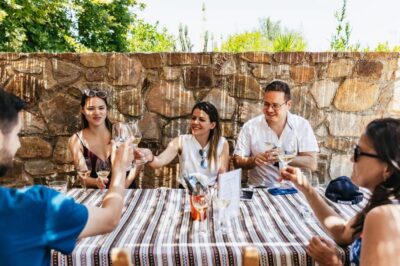
Knossos & Lasithi Plateau: Zeus Cave,Villages, Olive Oil Tour
Read our review →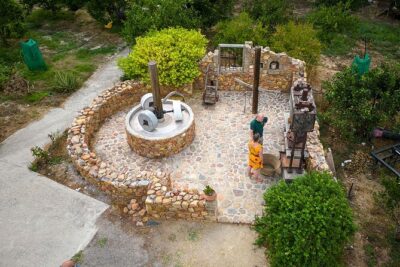
Browse the lists this tour appears in