
Reviewed · METEORA MONASTERY TOURS
From Athens: 4-Days Classical Tour with Meteora
Ancient Greece comes alive across four remarkable days. This tour links the Corinth Canal, Epidaurus, Mycenae, Olympia, Delphi, and Meteora in one well-planned circuit from Athens. I like the way it combines major archaeological sites with long views across the Peloponnese and central Greece, and I especially like that entrance fees, a guide, transport, breakfast, and dinner are included.
The tour also earns points for its comfortable air-conditioned coach and free Wi-Fi, useful comforts when several hours are spent on the road. The main drawback is simple: you cover a great deal of ground in four days, so this is a busy trip rather than a slow, relaxed holiday. Dinner choices may also feel more practical than traditionally Greek, and the standard hotels can vary in quality.
In This Review
- Key points before you book
- Why this four-day route works
- Day one: Corinth Canal, Epidaurus, Nafplio, and Mycenae
- Day two: Olympia and the bridge across the Corinthian Gulf
- Day three: Delphi, the ancient oracle
- Day four: Meteora monasteries above the rocks
- Hotels, food, and the value of $711
- The coach rhythm and guide quality
- Who should book this tour?
- Should you book the four-day Classical Greece tour?
- FAQ
- How long is the Classical Tour with Meteora?
- Where does the tour start?
- Where does the tour end?
- Which languages are available?
- Is transport included?
- Are hotel nights included?
- Which meals are included?
- Are entrance fees included?
- What is the accommodation tax?
- Can I cancel the tour?
Key points before you book
- Six major ancient sites in four days: See Epidaurus, Mycenae, Olympia, Delphi, and Meteora, with stops at the Corinth Canal and Thermopylae.
- A true cross-country route: The coach crosses the Peloponnese, the Corinthian Gulf, and central Greece before returning to Athens.
- Strong guiding matters here: Guides such as Georgia Dova, Evie, and Anthony have been praised for clear, informative commentary.
- Hotel choice affects the experience: A four-star upgrade is worth considering, especially if you care about room quality after long touring days.
- Meals are partly covered: Breakfast and dinner are included, but you pay separately for lunches, drinks, and the overnight accommodation tax.
- Meteora is the visual high point: Byzantine monasteries perched on enormous rocks provide a striking finish to the tour.
Why this four-day route works
Greece is not a small country when you want to connect its best ancient sites. Athens alone could fill several days, yet this route takes you far beyond the capital and gives you a sense of how Greek history changed from the Bronze Age through the classical, Roman, Byzantine, and modern periods.
The route is carefully shaped as a loop. You leave Athens by the coast, cross the Peloponnese, continue north toward Delphi and Meteora, then return through Thermopylae. That design avoids simply retracing the same road, but it also means you spend plenty of time seated on the coach.
I see this as a history-focused tour with scenery as a bonus. You will not have hours to wander freely in each town. Instead, you get a guided introduction to a long list of places that would be difficult to arrange independently in only four days.
Transport is by luxury air-conditioned coach, and Wi-Fi is available on board. Those details matter more than they might at first seem. Greece can be hot, the roads between sites are long, and a reliable coach makes the schedule far easier than piecing together buses, taxis, and overnight stays yourself.
More Meteora monastery days:
- Athens: Meteora Monasteries Day Trip with Caves and Lunch
★ 4.7 · 2,964 reviews - Athens: Meteora Monasteries Day Tour with Lunch
★ 4.8 · 2,196 reviews - Athens: Meteora Tour with Local Guide and Greek Lunch
★ 4.8 · 1,561 reviews
Day one: Corinth Canal, Epidaurus, Nafplio, and Mycenae
The first stop is the Corinth Canal, a narrow artificial waterway cut through the isthmus linking mainland Greece with the Peloponnese. The visit is brief, but the canal gives you an immediate sense of the engineering challenges that shaped movement through this part of the country.
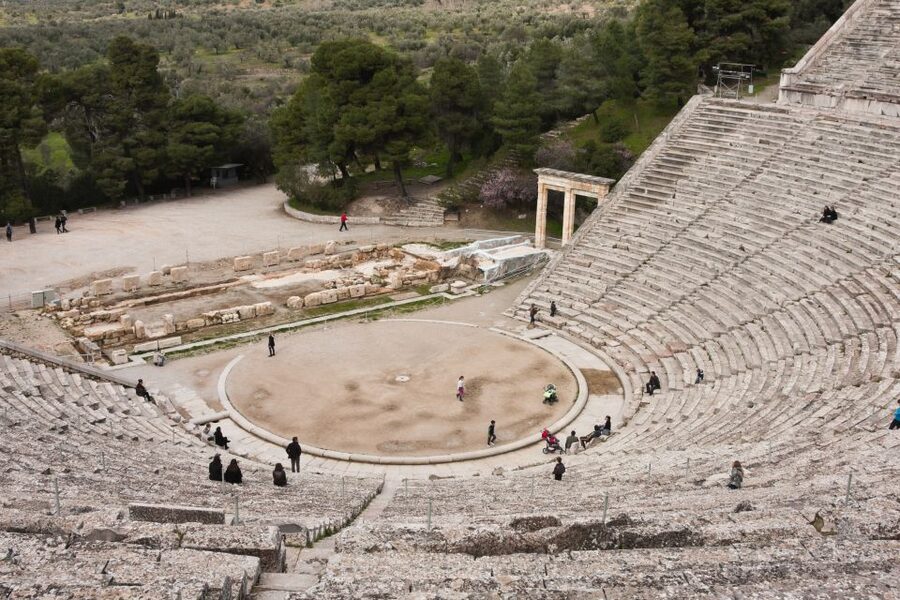
From there, the route continues to Epidaurus. The ancient Theatre of Epidaurus is the star attraction, famous for its remarkable acoustics. The theater is more than a pretty semicircle of stone. Its careful design lets a voice carry across the seating area, making the structure one of the most memorable examples of ancient Greek theater architecture.
Your time here is part of a guided schedule, so do not expect an entire morning to sit quietly in the theater. Still, this stop gives you a useful connection between ancient architecture and performance. The setting also offers a welcome change after the first stretch of driving.
You then pass through Nafplio for a short photo stop. Nafplio is one of the Peloponnese’s most attractive towns, but this visit is only a glimpse. If you have heard about its waterfront streets and old fortifications, keep your expectations in check. The stop is designed for a photograph and a quick look, not a full town visit.
The day’s major archaeological site is Mycenae, one of the key centers of Bronze Age Greece. Here you visit the archaeological site and the Tomb of Agamemnon, also known as the Treasury of Atreus. The massive stone entrance and beehive-shaped tomb offer a powerful reminder that Greek civilization long predates the classical Athens most people first picture.
Mycenae can feel stark and exposed, so comfortable shoes, water, and sun protection are sensible. The terrain is part of the experience, but you should be prepared for uneven ground and a fair amount of walking around the ruins.
After Mycenae, the coach heads through central Peloponnese, passing Tripolis and Megalopolis, before reaching Olympia. This is a long first day, but the stops are broken into manageable sections. Dinner and overnight accommodation are provided in Olympia.
Day two: Olympia and the bridge across the Corinthian Gulf
Olympia is one of the strongest stops on the entire route. The archaeological site includes the Sanctuary of Olympian Zeus, the ancient stadium, and the spot where the flame for the modern Olympic Games is lit.
The ancient stadium is especially effective because it is less about ornate monuments and more about scale and purpose. Walking into the field helps you picture the athletic contests that made Olympia famous across the Greek world. The site also places sport within a religious setting, since the games were held in honor of Zeus.
The Archaeological Museum of Olympia adds detail that the open-air ruins cannot provide. Sculpture, architectural pieces, and other finds help explain what the sanctuary looked like when it was active. Visiting both the site and museum is important. Seeing only the ruins would leave out much of the artistic story.
After Olympia, you cross the plains of Ilia and Achaia toward the Corinthian Gulf. The route includes the impressive bridge from Rion to Antirion, a modern contrast to the ancient remains seen earlier in the day. You also pass Nafpaktos, known historically as Lepanto, and the coastal town of Itea.
This section is mainly viewed from the coach, with the scenery providing a change of pace after the museum and ruins. You eventually reach Delphi for dinner and your second overnight stay.
The value of this day lies in the contrast. Olympia connects religion, sport, and public life, while the long drive shows you how varied Greece is beyond the famous ruins. The tradeoff is that you will not have much free time in the towns along the route.
Day three: Delphi, the ancient oracle
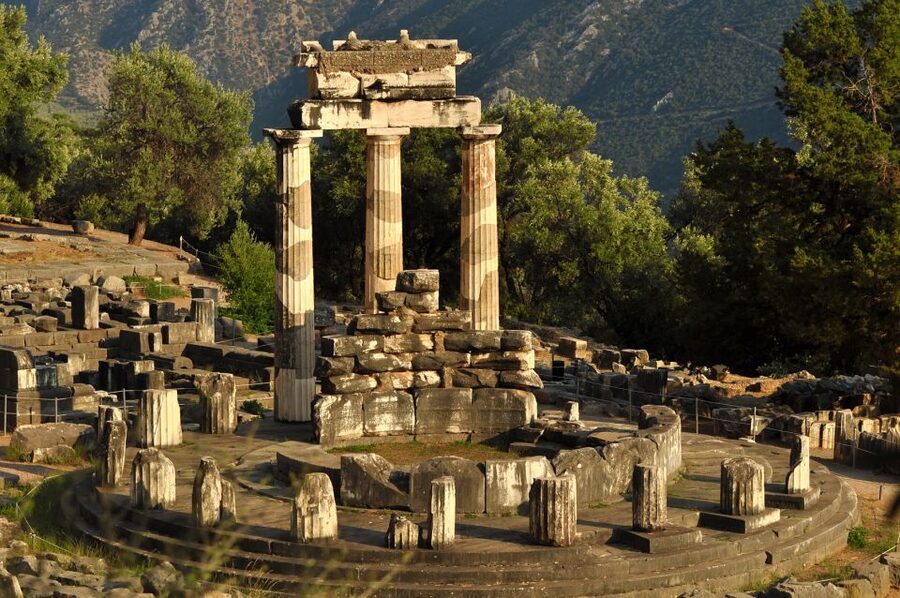
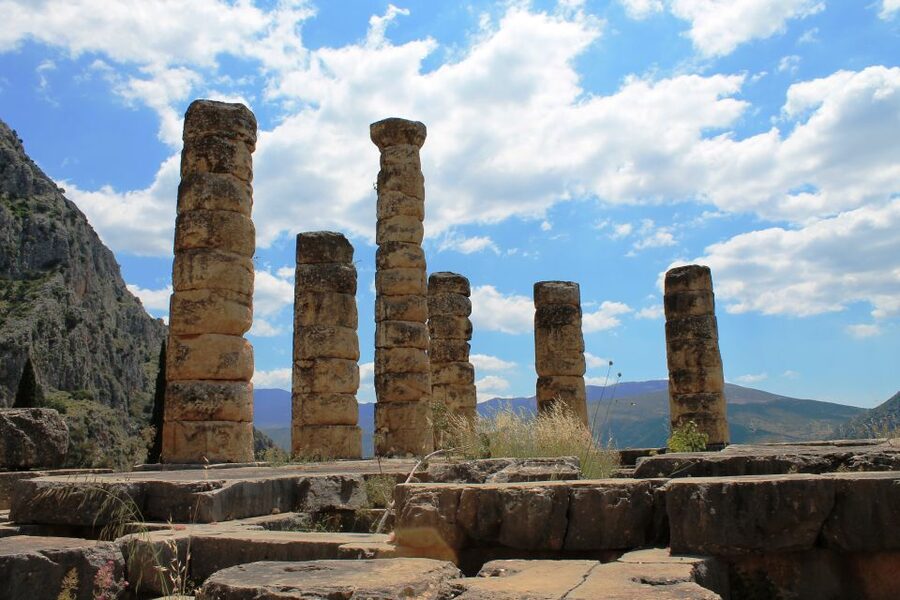
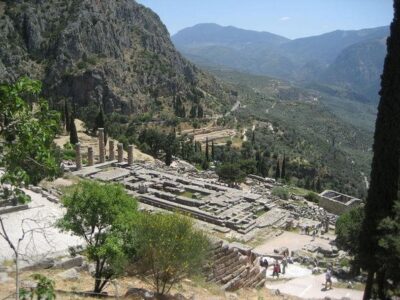
Delphi is one of Greece’s most important archaeological sites, and the morning visit is a major reason to choose this tour. The ancient sanctuary was home to the most famous oracle of the Greek world, where people and rulers sought advice from Apollo.
The site climbs along the slopes of Mount Parnassus, so expect some uphill walking and uneven surfaces. The reward is a layered view of temples, treasuries, and other remains arranged above the valley. Delphi feels different from Olympia and Mycenae because the setting is so closely tied to the site’s religious power.
The Archaeological Museum of Delphi is included. It gives you a closer look at important finds from the sanctuary, including the famous Charioteer of Delphi. Even if you are not an archaeology specialist, the museum helps make sense of the fragments spread across the hillside.
A good guide is particularly valuable at Delphi. The ruins are beautiful, but without context, it can be hard to understand why this place mattered so much. Anthony, Georgia Dova, and Evie are among the guides associated with strong experiences on this route, and clear explanations can make the difference between simply seeing stones and understanding the role of the oracle.
After Delphi, you drive to Kalambaka, a small town at the foot of Meteora. This is another substantial road section, but it sets up the next morning’s main attraction. Dinner and overnight accommodation are included in Kalambaka.
More things to do in Athens:
- Athens: Acropolis & up to 5 Archaeological Sites Combo Pass
★ 4.4 · 12,619 reviews - Athens: Acropolis Ticket with Optional Audio or Live Guide
★ 4.2 · 11,055 reviews - Athens: Acropolis, Parthenon & Acropolis Museum Guided Tour
★ 4.8 · 9,316 reviews - Athens: Cape Sounion & Poseidon Temple Sunset Half-Day Trip
★ 4.8 · 8,241 reviews
Day four: Meteora monasteries above the rocks
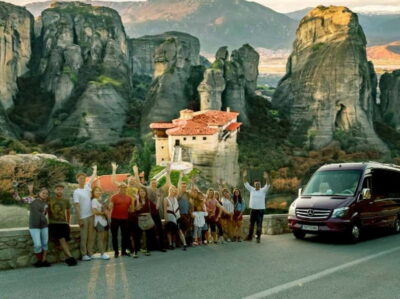
Meteora provides the tour’s most unusual scenery. Huge rock formations rise above the surrounding area, with historic monasteries perched high on top. From a distance, the buildings appear almost suspended in the air, which explains the power of the first view.
The monasteries contain Byzantine art, and the visit gives you a direct connection to Greece’s Christian and Byzantine past. After three days focused mainly on ancient Greece, Meteora changes the subject without breaking the historical theme.
Meteora is also a practical place to pay attention to clothing and walking conditions. The supplied information confirms that you visit monasteries, but it does not specify individual dress rules or stair counts for each one. Check current instructions before departure and expect access to involve walking and steps.
The rock formations are the real visual payoff, but do not treat the monastery visit as a quick photo stop. The value lies in seeing how religious communities used these difficult high places and in viewing the Byzantine artwork inside.
The return to Athens passes through Trikala, Lamia, and Thermopylae. At Thermopylae, you make a short stop to see Leonidas’ Monument across the road. This is brief, but it adds another famous chapter to the route, connecting the tour to the well-known battle between the Spartans and the Persian army.
You arrive back in Athens early in the evening. Exact departure and return times depend on availability and the selected meeting point, so avoid booking an evening flight or an unmissable dinner reservation on the final day.
Hotels, food, and the value of $711
At $711 per person, the price is not a budget bus trip, but it can represent good value if you want a tightly organized introduction to mainland Greece. The cost includes three nights of accommodation, a professional guide, luxury coach transport, entrance fees, breakfast, and dinner.
Entrance fees alone can add up across five major archaeological sites and museums. You also avoid arranging one-way transport between Olympia, Delphi, and Meteora, which is where an independent plan becomes complicated and time-consuming.
Hotel quality is the main variable. The tour includes overnight accommodation, but the supplied details do not name the hotels or guarantee one category unless you select an upgrade. A four-star option is worth considering if the price difference fits your budget. The strongest feedback specifically praised upgraded four-star hotels, while the standard selections received less favorable comments.
Breakfast and dinner are included, but lunches and drinks are not. Plan for those extra costs each day. The dinners may be buffet-style and dependable rather than a showcase of local cooking. If authentic Greek meals are a top priority, use lunch breaks or free moments to seek out local dishes, since the included evening meals are built for convenience.
You must also pay the accommodation tax at check-in or before check-out. The listed rates are €1.50 per night per room at a three-star hotel, €3 at a four-star hotel, and €4 at a five-star hotel. The general activity information also mentions a possible range up to €10 per night or room, so confirm the current amount and hotel category when booking.
The coach rhythm and guide quality
This is a coach tour, and the schedule asks you to accept several long rides. That is not a flaw by itself. The route covers a large part of Greece, and the drives are what make the combination of Olympia, Delphi, and Meteora possible in four days.
I would choose this trip if I wanted an efficient first look at mainland Greece and did not want to manage several hotel changes myself. I would not choose it if I preferred to spend two or three days in each town, linger over meals, or return to favorite archaeological sites at my own pace.
The guide can shape the whole experience. Names connected with highly praised departures include Georgia Dova, Evie, and Anthony, while Socrates and John were singled out as excellent drivers. Guides speak English, French, or Italian, depending on the departure.
A good guide helps you connect the sites rather than treating them as isolated ruins. You move from Mycenaean tombs to classical theaters, Olympic religion, the oracle at Delphi, Byzantine monasteries, and modern Greece’s memorials. That broad sweep is the tour’s central strength.
Who should book this tour?
I recommend it for first-time visitors who want the major mainland highlights without renting a car or planning complicated public transport. It also suits history fans, couples, and anyone who values a guide’s explanations as much as the photographs.
Families with older children may appreciate the variety, though the long drives and repeated archaeological visits could test younger children. People with limited mobility should ask for current details before booking, since Mycenae, Delphi, Meteora, and other sites involve outdoor walking and uneven surfaces.
You should think twice if your main goal is beach time, nightlife, or slow village visits. This is a packed historical circuit. The reward is breadth, not leisure.
Free cancellation up to 24 hours before departure and reserve-now, pay-later terms add flexibility. The meeting point can vary by booking option, with several listed starting options at Zappeio, and the tour returns to the meeting point in Athens.
Should you book the four-day Classical Greece tour?
Book it if you want the greatest number of major sites in the shortest practical trip. The itinerary is busy, but the sequence makes sense, the transport is comfortable, and the included admissions and meals simplify the planning.
If your budget allows, consider the hotel upgrade and keep extra money aside for lunches, drinks, and the accommodation tax. With those points in mind, this is a strong choice for seeing Greece’s ancient and Byzantine landmarks in one organized sweep, especially when a capable guide such as Georgia Dova, Evie, or Anthony is leading the group.
FAQ
How long is the Classical Tour with Meteora?
The tour lasts four days and returns to Athens in the early evening of the fourth day.
Where does the tour start?
The listed starting location is Zappeio in Athens, with three starting options shown. Your exact meeting point may vary according to the option booked.
Where does the tour end?
The activity ends back at the meeting point in Athens.
Which languages are available?
Live guiding is available in English, French, and Italian.
Is transport included?
Yes. Transport is provided by luxury air-conditioned coach, and free Wi-Fi is available on the bus.
Are hotel nights included?
Yes. Overnight accommodation for the three nights is included.
Which meals are included?
Breakfast and dinner are included according to the itinerary. Lunches and drinks are not included.
Are entrance fees included?
Yes. Entrance fees are included for the sites and museums visited on the tour.
What is the accommodation tax?
The tax is paid at the hotel. The listed rates are €1.50 per night per room at a three-star hotel, €3 at a four-star hotel, and €4 at a five-star hotel. The general information also notes that the amount may range up to €10, so confirm the current charge.
Can I cancel the tour?
You can cancel up to 24 hours in advance for a full refund. Reserve-now, pay-later booking is also available.
Just added around Athens
- Athens Hotels to Athens Airport Private Departure Transfer★ 5.0 · 40 reviews
- Private One-way Transfer between Athens International Airport and Athens Hotels★ 4.5 · 40 reviews
- Athens: Acropolis Museum Ticket with Self-Guided Audio tour App★ 3.5 · 40 reviews
- From Athens: Meteora Train Trip with Overnight Stay★ 4.8 · 40 reviews
- Athens Photography Tour★ 5.0 · 40 reviews
- Athens: Acropolis Visit and City Night Tour★ 4.7 · 40 reviews
- Delphi Full Day Private Trip From Athens With Lunch Overlooking the Sea★ 5.0 · 40 reviews
- Acropolis & Plaka Neighbourhood Private Tour with Licensed Expert★ 5.0 · 40 reviews
Meteora Monastery Tours, compared.
Meteora Monasteries Day Trip with Caves and Lunch
Read our review →

Meteora Tour with Local Guide and Greek Lunch
Read our review →
Meteora Monasteries, Caves & Coastal Stopovers with Lunch
Read our review →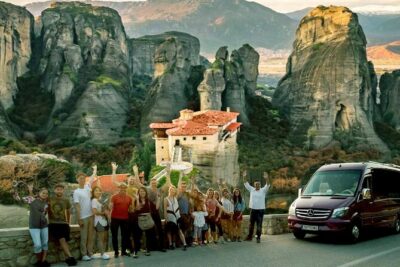
Meteora Monasteries & Caves DayTrip from Athens with Greek Lunch
Read our review →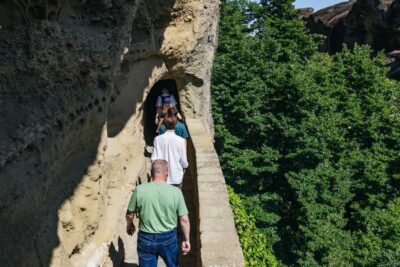
4-Day Classical Greece Tour: Epidaurus, Mycenae, Olympia, Delphi, Meteora
Read our review →Browse the lists this tour appears in