

Reviewed · OLIVE OIL TASTINGS
Cretan Wines & Olive oil tour – The treasures of Crete
Crete tastes best beyond the beach. This six-to-seven-hour outing links an olive mill, an organic family winery, a working raki distillery, and a pottery village, giving you a broad look at island food and craft traditions. I especially like the small maximum of eight people and the chance to meet local producers rather than spend the day at large commercial attractions.
I also like the mix of tasting and hands-on activity. You will pair olive oil with breakfast, sample five wines, taste raki, eat lunch, and possibly try making pottery yourself. The main consideration is the amount of alcohol in one day. Wine and raki appear at several stops, so you should pace yourself, especially since one past participant felt the raki tasting was generous.
In This Review
- Five things to know before booking
- A full day in Crete’s food country
- Skalani: olive groves, mill machinery, and breakfast
- Meleses: an organic family winery
- Stironas: the raki stop that anchors the day
- Thrapsano: pottery and the Minoan connection
- What the $145.18 price includes
- The small group changes the feel
- Timing, pickup, and practical planning
- Who will enjoy this Cretan food tour?
- Should you book The Treasures of Crete?
- FAQ
- How long does the Cretan Wines and Olive Oil Tour last?
- What time does the tour start?
- How many people can join the tour?
- Is pickup available?
- Is lunch included?
- Is the pottery stop available every day?
- What is the cancellation policy?
Five things to know before booking

- Four very different stops: You move from olive oil production to wine, raki, and Minoan-era pottery traditions.
- Small-group format: The vehicle carries no more than eight participants, which helps keep the day personal.
- Five-wine tasting: The Meleses winery works with organic cultivation and Cretan grape varieties only.
- Lunch is included: The meal is served at a traditional raki distillery, alongside local drinks.
- Pottery depends on the day: The Thrapsano pottery stop is optional and not available on Sundays.
- Plan ahead: The tour begins at 9:30 a.m., costs $145.18 per person, and is often reserved about 47 days ahead.
A full day in Crete’s food country
This is a useful choice if you want more than a standard wine tasting. The route takes you through several inland communities, with each stop offering a different piece of Cretan life. You are not simply sitting at a table all day. You see production areas, walk through an olive grove and vineyard, enter a raki distillery, and may work with clay.
The experience lasts about six to seven hours, so the timing suits you best if you want a substantial day trip rather than a quick morning activity. Pickup is offered, and the tour starts at 9:30 a.m. Confirm your pickup point carefully when booking, since the published details do not list one fixed meeting location.
The English-speaking guide is an important part of the day. George is praised for his humor and clear explanations, while Anthony is also singled out as a gracious host. Since the group is capped at eight, you should have a better chance to ask questions and talk with the people running each stop.
More Olive Oil Tastings in Crete
- Knossos-Zeus Cave -Old Traditional Villages-Olive Oil Factory
★ 5.0 · 694 reviews - From Chania: Olive Oil, Wine, Cheese & Honey Tasting Tour
★ 4.6 · 490 reviews - Zeus Cave, Lassithi Plateau, Olive Oil Factory, Kritza, Pottery
★ 5.0 · 362 reviews
Skalani: olive groves, mill machinery, and breakfast
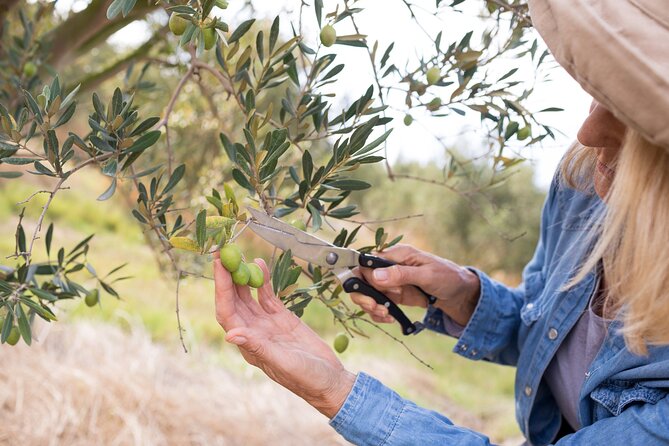
The first stop is in Skalani, where you visit an olive grove and an olive mill. The guided visit explains how olives become oil, giving you a more useful understanding of the product than a tasting alone. You can also see how the mill makes use of different parts of the olive, including the pits.
That detail matters because olive oil production is not just about filling bottles. The process uses the whole crop, and seeing the machinery helps connect the oil on your plate with the work behind it. I like that the visit begins with food, not just a technical talk.
You will taste olive oil paired with breakfast. This is a practical way to notice the oil’s flavor when it is matched with other foods, rather than tasting it in isolation and trying to guess how you might use it at home.
The stop is planned for about an hour. It is a good opening because it introduces one of Crete’s central products before moving on to wine and spirits. If olive oil is your main interest, keep in mind that this is an introduction rather than a long specialist workshop. The focus is on seeing the mill, visiting the grove, and tasting the oil.
Meleses: an organic family winery
The second stop takes you to Meleses for a visit with a family-run winery. The vineyard uses organic cultivation and works solely with Cretan grape varieties. That local focus gives the tasting a clear sense of place, especially if you want to understand how Cretan wine differs from bottles made with familiar international grapes.
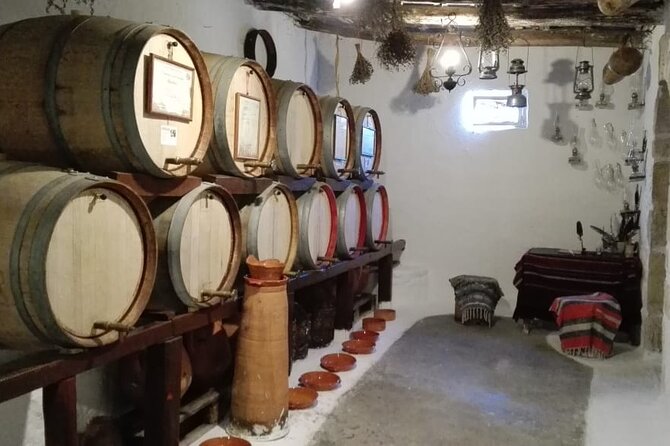
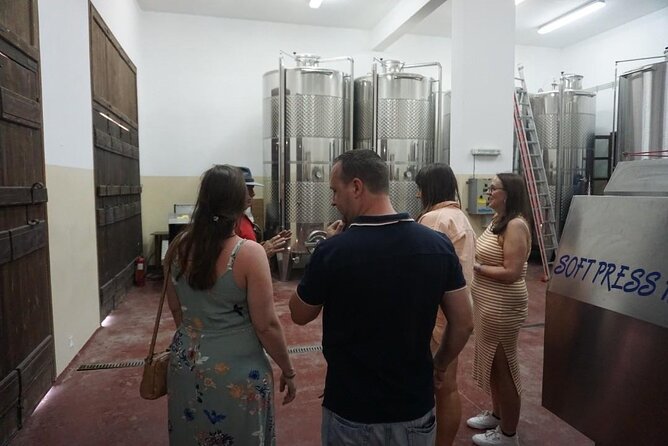
You tour the vineyard and wine cellar before tasting five wines. The order gives you helpful context: first you see where the grapes grow and how the wine is produced, then you taste the results. You can also relax in the shade while looking across the vineyards and olive groves.
The family setting appears to be one of the strongest parts of the stop. One account describes meeting two brothers who own a winery, while another highlights the friendly people encountered at each stop. I would expect conversation to be a major part of the visit, but the exact style will depend on the day and the people hosting your group.
A particularly nice touch is the chance, when available, to fill and cork your own bottle of wine. That turns a tasting into a small souvenir with a personal connection. It is worth checking whether this activity is included on your date, since it is mentioned as part of the experience but not listed separately among the formal inclusions.
The winery visit lasts about an hour. Five wines is enough for a useful comparison, but you should still take small sips and use the water provided. You have more tastings ahead.
Stironas: the raki stop that anchors the day
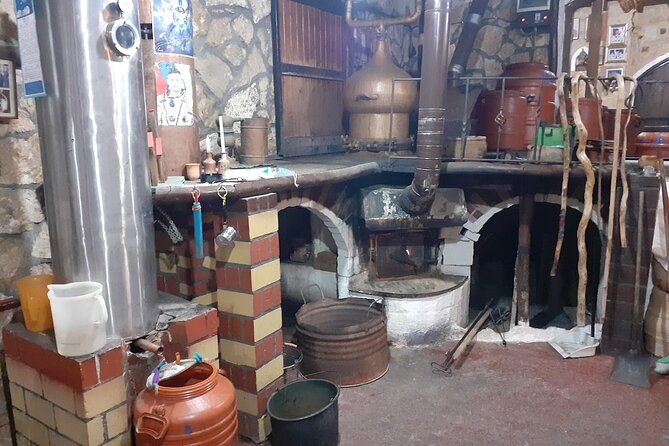
The Stironas visit lasts around two hours, making it the longest stop. You tour the area around the raki distillery, enter the working interior, and see how raki is distilled. The guide then takes you into the cellar for wine and raki tasting.
Raki is a traditional Cretan spirit made through distillation, and this stop gives you a better sense of how it fits into local food culture. The display of distilling methods is more useful than simply being handed a glass. You get to see the setting and equipment before tasting the drink.
Lunch is served at the traditional raki distillery. This is where the tour shifts from a series of visits into a relaxed meal. Food is included, along with wine and raki for adults aged 18 and over. The meal helps make the two-hour stop feel unhurried, though you should not expect a quick tasting and early departure.
The raki can come generously, so pace yourself. One participant specifically found there may be a bit too much raki. You can enjoy the local custom without treating every pour as a challenge. Drink water between tastings, eat lunch, and tell your guide if you prefer a smaller serving.
The distillery is also where the human side of the tour seems strongest. The stop is described as especially memorable, with good food and plenty of laughter. George’s friendly approach is repeatedly praised, and that matters here because a distillery visit can feel dry if the explanation is rushed or overly technical.
More Wine Tours in Crete
- Crete: Land Rover Safari with Sunset Viewing, Dinner, & Wine
★ 4.9 · 395 reviews - From Chania: Wine and Olive Oil Tasting Tour with Snacks
★ 4.8 · 354 reviews - Crete Wine and Olive Oil Tour
★ 5.0 · 272 reviews - Crete: Full-Day Cretan Wines, Olive Oil, Raki and Food Tour
★ 5.0 · 264 reviews
Thrapsano: pottery and the Minoan connection
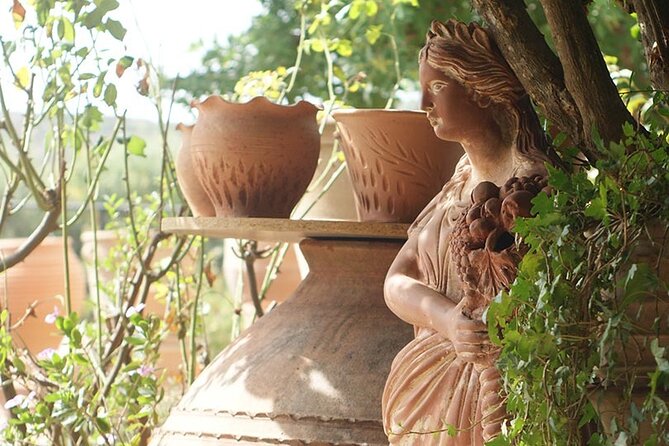
The final listed stop is Thrapsano, a traditional village known for pottery. The craft is linked to traditions dating back to the Minoan era, giving you a look at an art form that reaches far beyond souvenir-shop ceramics.
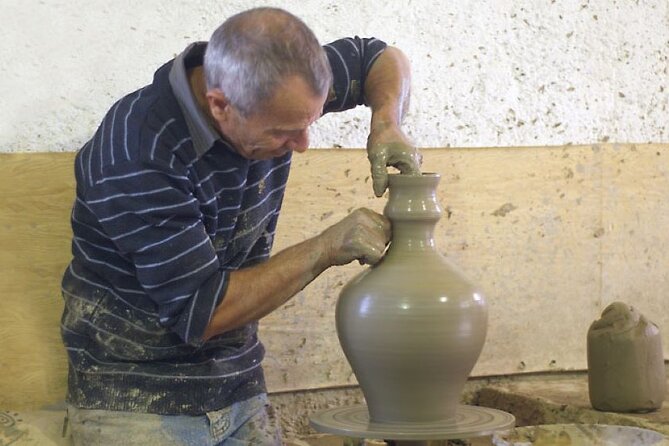
You will see pottery being made and may have the chance to try it yourself. That hands-on option is valuable because it lets you understand the skill involved. Clay looks simple until you try to shape it, and the activity adds variety after several food and drink stops.
This stop is optional and is not available on Sundays. That is the most important planning point in the whole itinerary. If pottery is a priority, avoid Sunday or confirm the schedule before paying. If you are mainly booking for olive oil and wine, the missing stop may matter less.
Thrapsano also keeps the day from becoming too focused on alcohol. After the tastings, working with clay offers a quieter, more physical activity. The exact amount of time spent there is about one hour, but the stop can vary because it is optional.
What the $145.18 price includes
At $145.18 per person, this is not a bargain-basement outing, but the price covers a lot for a full day. You receive transport in an air-conditioned vehicle, bottled water, lunch, and guided visits at an olive mill, winery, and distillery. The tasting program includes olive oil with brunch food, five wines, and raki.
The small group improves the value. With no more than eight people, you are less likely to feel like part of a large busload moving through a fixed script. The tour can feel more like an introduction to local producers, especially if George or another guide keeps the conversation open.
You are also paying for variety. A single winery visit might cost less, but it would not include olive oil production, raki distilling, lunch, and pottery. If you want a broad introduction to inland Crete in one day, the combination makes sense.
Personal expenses are not included. The provided details do not specify whether extra bottles, pottery, or other purchases are available, so bring money if you want to buy something directly from a producer. Do not assume every optional purchase is part of the tour price.
The small group changes the feel
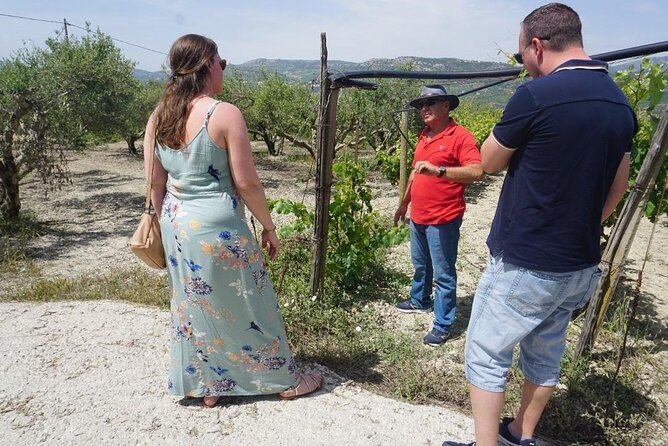
The maximum of eight people is one of the clearest reasons to choose this experience. A small group makes it easier to hear explanations inside a cellar or distillery, and it gives you more room to speak with the guide and hosts.
It also helps with the social side of the day. Food, wine, and raki are naturally conversational, and a group of eight or fewer can share a table without the noise and delay of a large coach tour. The atmosphere may still depend on the personalities in your group, but the format gives it a good start.
You should expect a full social day rather than a private tour for just you and your companions. If you want complete control over timing or prefer to taste without conversation, this may feel too structured. If you like meeting local producers and other people, the format is a strong match.
Timing, pickup, and practical planning
The stated start time is 9:30 a.m., and the entire outing runs roughly six to seven hours. Plan for most of the day, not a short excursion squeezed between other fixed appointments.
Pickup is offered, and the vehicle is air-conditioned. One past booking included pickup from a cruise ship and a return without problems, but you should still confirm the exact port, hotel, or meeting point before the day of departure. The published information does not promise pickup from every location.
Mobile tickets are available, and confirmation is provided when you book. The tour is offered in English. Service animals are allowed, and the activity is near public transportation. The information also says most people can participate, but it does not give detailed notes about walking surfaces, steps, or wheelchair access.
The experience requires good weather. If poor weather causes cancellation, you should be offered another date or a full refund. It also requires a minimum number of participants, so a cancellation for that reason should bring the same choice of another date or experience, or a full refund.
You can cancel for a full refund up to 24 hours before the local start time. Changes or cancellations made inside that 24-hour window are not accepted for a refund. For a port day or tightly planned holiday, leave yourself enough time for transport delays and schedule changes.
Who will enjoy this Cretan food tour?
I would recommend it to you if you want several sides of Crete in one well-filled day. It works particularly well for first-time visitors who want local food, village settings, and traditional production without arranging four separate visits.
Wine lovers will appreciate the focus on Cretan grape varieties and the five-wine tasting. Olive oil fans will enjoy seeing the mill and grove, while anyone curious about local spirits will get the most complete look at raki production available in this route.
It also suits couples, small groups of friends, and independent-minded people who prefer a personal outing. The pottery stop gives families and craft lovers another reason to choose it, although the alcohol tastings mean the day is not designed primarily around children.
You may want another type of tour if you dislike alcohol, need a very light schedule, or want a dedicated winery experience with more time at one estate. The itinerary is broad by design. You get a taste of many traditions rather than a long, specialist session at one place.
Should you book The Treasures of Crete?
Book this tour if you want a friendly, varied introduction to Cretan food and craft, and you like the idea of spending the day with a small group. The strongest reasons are the local family businesses, the five Cretan wines, the olive oil breakfast pairing, the included lunch, and the look inside a real raki distillery.
Before booking, check three things: your pickup location, whether the pottery stop operates on your date, and your comfort with several alcoholic tastings. If those points suit you, $145.18 is fair for the amount packed into six to seven hours. It is a particularly good fit for you if meeting local producers matters more than ticking off major sights.
FAQ
How long does the Cretan Wines and Olive Oil Tour last?
The tour lasts approximately six to seven hours.
What time does the tour start?
The stated start time is 9:30 a.m.
How many people can join the tour?
The tour has a maximum of eight participants.
Is pickup available?
Yes. Pickup is offered, but you should confirm the exact pickup location when booking.
Is lunch included?
Yes. Lunch is served at a traditional raki distillery.
Is the pottery stop available every day?
No. The pottery stop in Thrapsano is optional and is not available on Sundays.
What is the cancellation policy?
You can cancel up to 24 hours before the local start time for a full refund. Cancellations or changes made less than 24 hours before the start are not accepted for a refund.
Just added around Crete
- Lasithi –Plateau Traditional Vilages★ 5.0 · 40 reviews
- The Palace of Knossos with Skip-the-Line Ticket★ 5.0 · 40 reviews
- Chania Morning Catamaran Cruise with Premium Lunch & Drinks★ 5.0 · 40 reviews
- From Chania: Preveli Palm Beach Day Tour★ 4.3 · 40 reviews
- Private South Crete Full-Day Tour-Spili, Kourtaliotiko & Preveli★ 5.0 · 40 reviews
- Stand-up Paddleboard Lazareta Experience Chania Crete (tour)★ 5.0 · 41 reviews
- Kissamos: Balos and Gramvousa Private Sailing Trip with Meal★ 4.8 · 41 reviews
- Knossos & Archaeological Museum Shared Guided Tour from Chania★ 5.0 · 41 reviews
Olive Oil Tastings, compared.
Knossos-Zeus Cave -Old Traditional Villages-Olive Oil Factory
Read our review →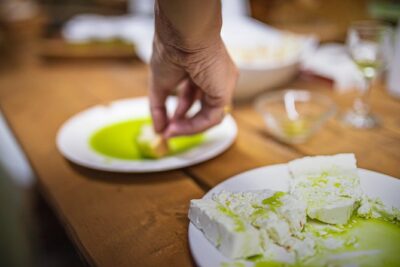
The Governor’s Olive Mill Tour with Olive Oil Tasting
Read our review →

Zeus Cave, Lassithi Plateau, Olive Oil Factory, Kritza, Pottery
Read our review →

Knossos & Lasithi Plateau: Zeus Cave,Villages, Olive Oil Tour
Read our review →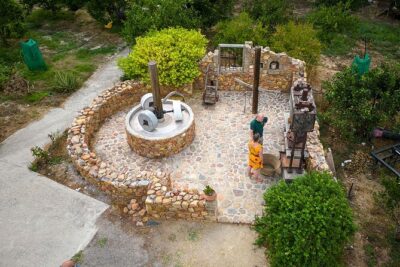
Browse the lists this tour appears in