
Reviewed · MUSEUMS
Athens: Museum of Cycladic Art Entry Ticket
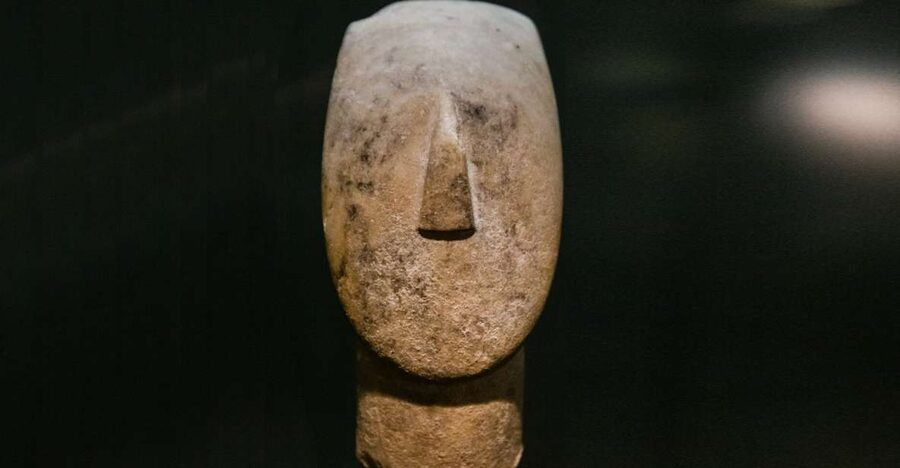
Ancient Aegean art feels surprisingly modern. I like the museum’s calm four-floor layout and its remarkable marble figurines from around 2300 BC, then the collection widens into Greek and Cypriot art across thousands of years. I also like the easy central location, just five minutes from Syntagma Square. The main caution is current building work, which may affect access and create loud noise.
This $14 ticket is a good fit if you want an independent museum visit rather than a scheduled tour. The labels are clear, Wi-Fi is free, and a QR code connects you with Clio Muse Tours. Still, the digital guide may require some patience, and children under 10 may find the pottery, tools, and statues less engaging.
In This Review
- Key points to know before you go
- Why the Museum of Cycladic Art is worth your Athens time
- Arriving from Syntagma Square
- Floor one: start with the Cycladic world
- The second floor: Ancient Greek Art from 2000 BC to the fourth century AD
- The fourth floor: daily life in Classical Athens
- Ancient Cypriot Art and the Mediterranean connection
- Using the QR guide and museum labels
- How long to stay and how to pace the visit
- Is $14 good value?
- Who will enjoy this museum most?
- Should you book the Museum of Cycladic Art?
- FAQ
- Where is the Museum of Cycladic Art?
- How much does entry cost?
- How long is the ticket valid?
- What does the ticket include?
- Is a guided tour included?
- Is hotel transfer included?
- Is the museum wheelchair accessible?
- Can I bring food or drinks inside?
- Is there a café at the museum?
- Can I cancel the ticket?
Key points to know before you go
- The 2300 BC marble figurines are the main attraction: Their simple forms and smooth surfaces make Cycladic art easy to appreciate, even if you know little about archaeology.
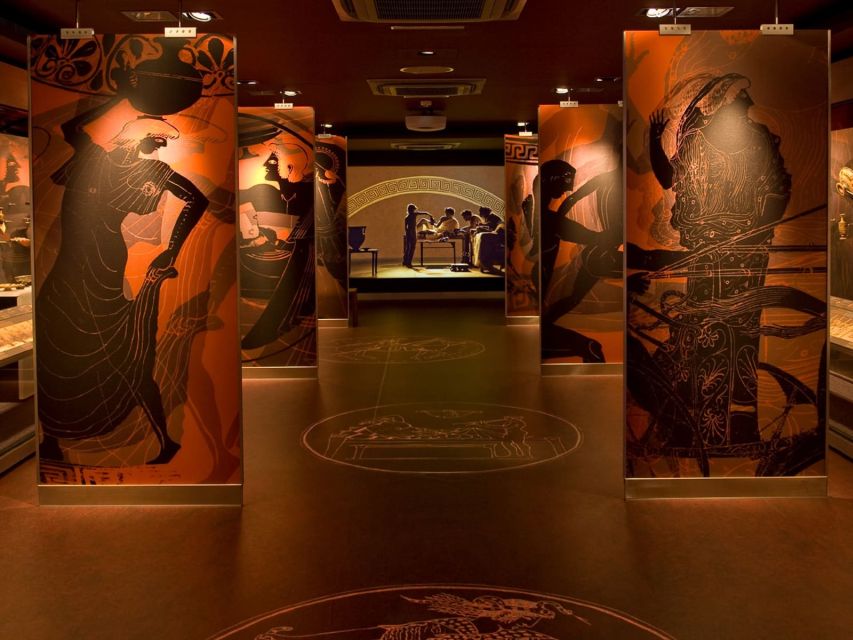
- Four floors cover three major collections: You move from Cycladic art to Ancient Greek Art and then Ancient Cypriot Art, with each section offering a different view of the ancient Mediterranean.
- Plan on 1.5 to 2 hours: That is enough time to see the permanent collections without rushing, though you can spend longer with the displays and café.
- The museum is five minutes from Syntagma: Enter at the main entrance near Syntagma Square and the Syntagma Metro station.
- The route is easy, but the QR guide takes work: Some objects have audio content, while the app may require you to search by exhibit number.
- The Cycladic Café adds a pleasant finish: It offers Cycladic flavors made with natural products and virgin ingredients in a quiet setting.
Why the Museum of Cycladic Art is worth your Athens time
Athens has no shortage of ancient objects. That is both its gift and its problem. After the Acropolis Museum and the National Archaeological Museum, another collection of pots, weapons, coins, and statues can begin to blur together.
The Museum of Cycladic Art earns its place on your schedule because it gives a clear home to the art of the Cycladic islands. Its best-known pieces are the pale marble figures with folded arms, spare faces, and smooth geometric bodies. Created during the Early Bronze Age, around the third millennium BC, they look startlingly fresh.
That modern appearance is part of the fun. You are looking at objects made around 2300 BC, yet their clean shapes can remind you of modern sculpture. The museum also helps you move past the famous figures and see the culture around them through vases, tools, weapons, pottery, and other objects.
I would not treat this as a quick stop squeezed between major ruins. The displays reward a slower pace, especially if you enjoy noticing changes in materials, burial objects, decoration, and practical tools. At the same time, the museum is compact enough that you do not need half a day.
The overall rating is 4.7 from 69 reviews, and the strongest praise focuses on the layout, readable information, attractive design, and manageable size. Those qualities matter in Athens, where large archaeological collections can leave you mentally tired before you reach the final rooms.
More Museums in Athens
- Athens: Acropolis, Parthenon & Acropolis Museum Guided Tour
★ 4.8 · 9,316 reviews - Athens: Mythology of Delphi, Museum and Arachova Guided Tour
★ 4.6 · 4,008 reviews - Athens: Acropolis, Parthenon & Acropolis Museum Guided Tour
★ 4.8 · 3,579 reviews
Arriving from Syntagma Square
The location is one of the ticket’s strongest practical advantages. The main entrance is about a five-minute walk from Syntagma Square and the Syntagma Metro station. That makes this a simple addition to a central Athens day, with no hotel transfer or special transport required.
Enter through the main entrance. One important warning: construction work affected access in November 2025, and the entrance was difficult to find because the street approach was partly blocked. Conditions can change, but it is sensible to allow a few extra minutes and look carefully for the entrance if work is still underway.
The ticket is valid for one day, and you choose an available starting time when booking. This gives you room to place the museum around lunch, shopping, or another central Athens sight. You receive entry to the permanent collections, not a guided tour.
The building itself is part of the appeal. It is a handsome old house rather than a huge modern museum complex. Once inside, the collection is arranged across four floors, with one or two rooms on each level. The small scale helps you keep track of what you have seen.
The museum is wheelchair accessible. Food and drinks are not allowed inside the exhibition spaces, so use the café before or after your visit rather than carrying a snack through the galleries.
Floor one: start with the Cycladic world
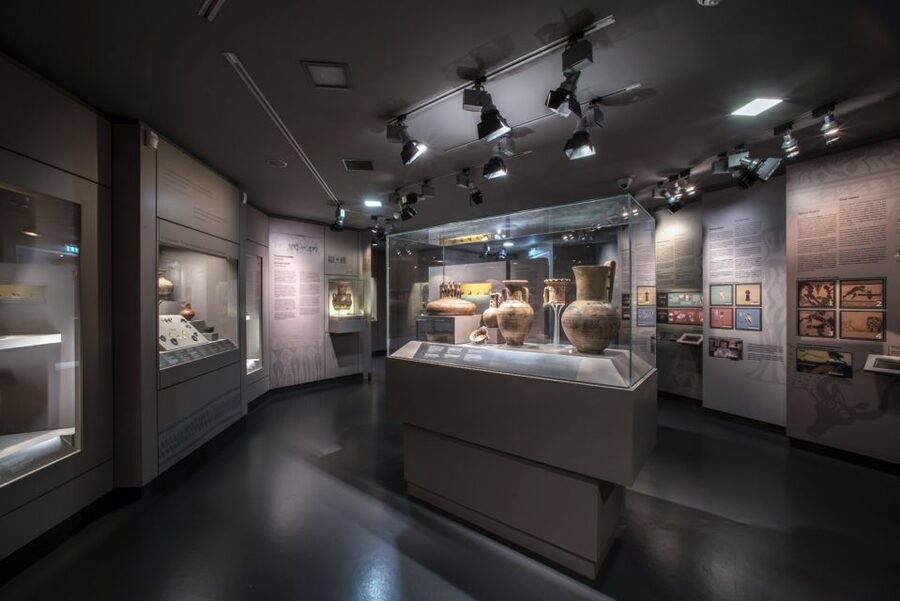
The museum’s Cycladic collection is the natural place to begin. It is one of the largest private collections of Cycladic art, with objects from the central Aegean islands during the Early Bronze Age.
You will see marble carvings, figurines, vases, tools, weapons, and pottery. The famous marble figures receive much of the attention, and rightly so. Their polished surfaces and reduced forms show a high level of skill. The lack of detailed facial features can seem mysterious, but the collection gives you a chance to consider these objects as part of a wider society rather than as isolated works of art.
The exhibits also show that Cycladic culture was not only about elegant sculpture. Everyday objects reveal how people worked, stored goods, prepared food, and handled practical tasks. That contrast is useful: the marble figures are memorable, while the tools and vessels give them a human setting.
The period is so early that visitors sometimes expect a rough or primitive display. Instead, you see careful workmanship and repeated artistic choices. The museum encourages you to think about why a particular shape was made, how it may have been used, and what its survival tells us about the people who produced it.
You may find the myths and stories of prehistoric Aegean societies especially helpful here. The displays connect the objects to the cultures that flourished across the islands, giving the art a setting beyond dates and labels.
The second floor: Ancient Greek Art from 2000 BC to the fourth century AD
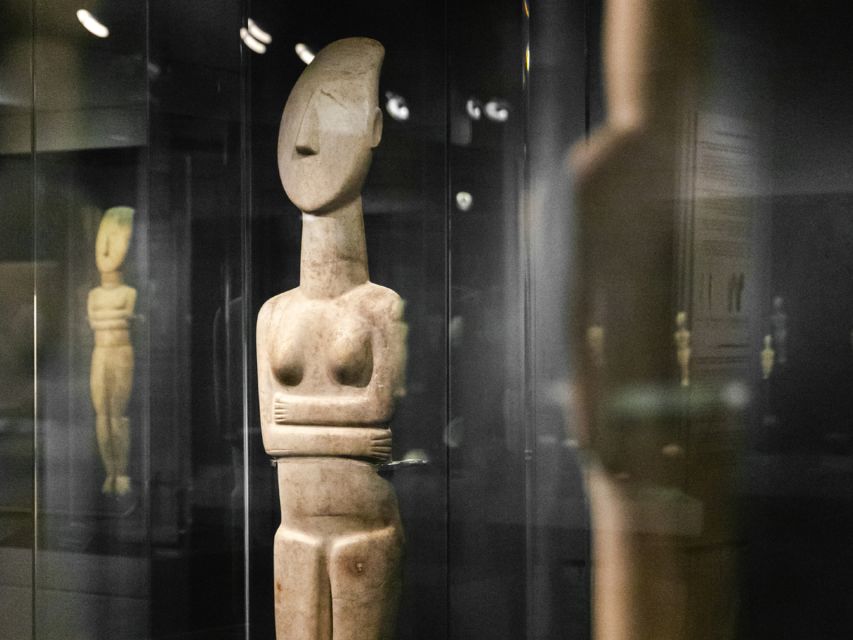
The Ancient Greek Art collection takes you through a much longer span, from the second millennium BC to the fourth century AD. This is where the museum’s focus shifts from a distinctive island culture to the development of Greek society and the city-state.
The objects include painted vases, terracotta figures, bronze vessels, stone sculpture, coins, gold jewelry, and glass items. The range of materials lets you compare fine art with objects made for trade, ceremony, decoration, and daily use.
I like this section for its sense of change over time. A painted vase can show more than decoration. A coin can point to civic identity and economic life. Jewelry and glass reveal taste, technology, and status. Together, the objects help you see ancient Greek history as a sequence of changing habits, materials, and social structures.
The displays are not overloaded. One review praised the clear division between floors and the fact that the museum does not present too much at once. That is useful when you want context but do not want to read a wall of text in every room.
The information panels are generally easy to read and add useful background. You can move through the collection at your own pace, stopping when a particular vase, figure, or piece of jewelry catches your eye.
There is some overlap with objects found in other archaeological museums in Athens. You will see familiar categories such as pots, weapons, and statues. The difference is the compact arrangement and the way the museum links them to artistic and technological development. If you have already spent hours at the National Archaeological Museum, some objects may feel familiar, but the presentation is less tiring.
More things to do in Athens:
- Athens: Acropolis & up to 5 Archaeological Sites Combo Pass
★ 4.4 · 12,619 reviews - Athens: Acropolis Ticket with Optional Audio or Live Guide
★ 4.2 · 11,055 reviews - Athens: Cape Sounion & Poseidon Temple Sunset Half-Day Trip
★ 4.8 · 8,241 reviews - Athens: Acropolis and Parthenon Guided Walking Tour
★ 4.6 · 5,882 reviews
The fourth floor: daily life in Classical Athens
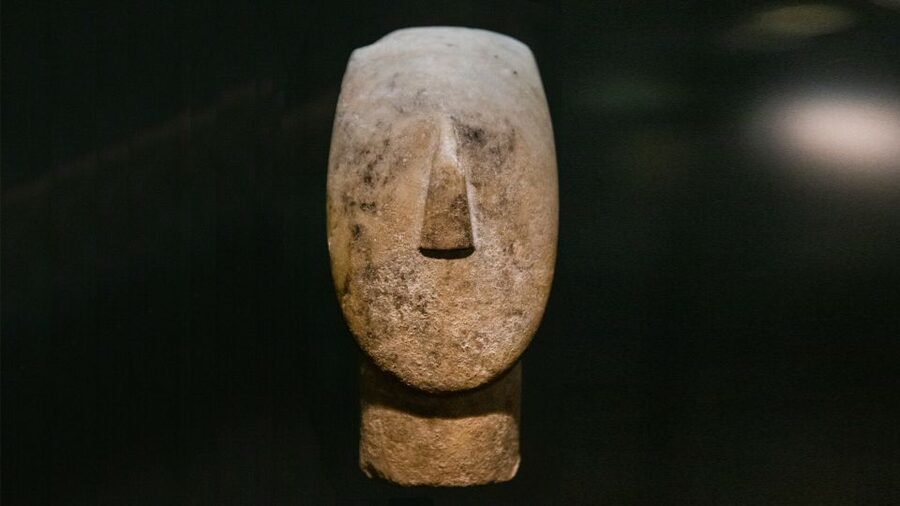
The fourth-floor exhibition shifts away from a broad timeline and gives you a closer look at everyday life in Classical Athens. This is a useful change of scale.
Instead of thinking only about famous monuments and major political events, you can consider how people lived, worked, dressed, worshipped, and organized their daily routines. The collection helps put the grand remains of Athens into a more ordinary human setting.
This section may be especially helpful after visiting the Acropolis. The Acropolis shows power, religion, and public ambition. Here, the emphasis is closer to home. The displays give you a sense of the objects that supported social life and private routines.
Because the floor offers a focused subject, it can be easier to absorb than a long chronological gallery. If you are short on time, you can give the Cycladic collection and this Classical Athens display priority, then see how much energy you have for the rest.
The four-floor arrangement does require some movement. You can follow the museum’s natural sequence, or begin at the top and work downward. One practical approach is to start on the highest floor and descend, which may reduce physical effort for some people. The museum is wheelchair accessible, but the exact route between floors is not described in the available details, so you may want to ask staff for the best accessible path.
Ancient Cypriot Art and the Mediterranean connection
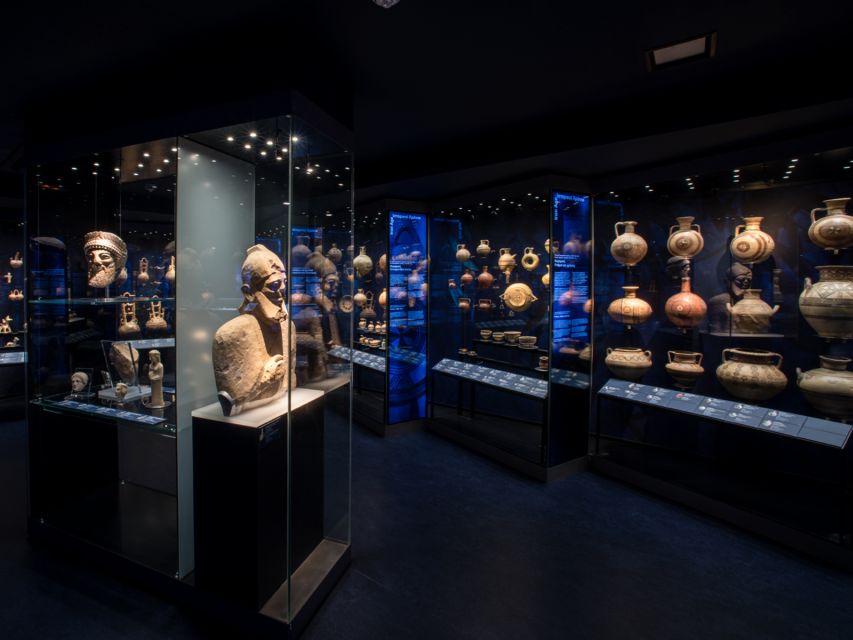
The Ancient Cypriot Art collection is one of the largest outside Cyprus. It covers an unusually broad period, from the fourth millennium BC through Medieval times.
The objects include prehistoric figurines, Archaic and Classical sculptures, inscriptions, bronze items, coins, gold jewelry, glasswork, and many types of ceramics. Like the Ancient Greek collection, it offers plenty of familiar object types. Its special value lies in the way it shows cultural contact.
Ancient Cyprus sat in a busy part of the Mediterranean, and its art combines local traditions with Greek, Egyptian, and Near Eastern influences. You can see this exchange in the forms, materials, and decorative ideas used across the collection.
That makes this section more than a collection of attractive objects. It shows that ancient cultures were not sealed off from one another. Ideas, techniques, goods, and styles moved between communities, sometimes changing as they arrived.
If you are interested in the connections between Greece and the wider Mediterranean, give this collection real time. It can also balance the strong Cycladic focus at the beginning of the visit by showing a different island culture with a longer chronological reach.
The gold jewelry and glass items provide a welcome visual lift after rooms of stone and pottery. The coins and inscriptions add evidence of political and economic life, while the ceramics show how local and foreign influences could work together.
Using the QR guide and museum labels
Your ticket includes free Wi-Fi and access to Clio Muse Tours through a QR code. This is useful if you want more information than the labels provide, but you should not assume it works like a fully guided tour with a person leading you from room to room.
The available feedback suggests that only some exhibits are included in the audio material. The app may also ask you to find objects by number, which can feel slow if you want to move naturally from one display to the next.
I would use the QR guide as an optional layer rather than the main reason to visit. Read the room panels first, then use the digital content for objects that interest you. That approach keeps the visit flowing and prevents you from spending too much time wrestling with the phone.
The written information is one of the museum’s strongest features. It is clear, informative, and designed to add meaning without making every room feel like a school assignment. If you prefer independent museum visits, this balance works well.
Bring your own headphones if you plan to use audio content, though the supplied information does not specify whether they are provided. A phone with a QR reader will also be useful.
How long to stay and how to pace the visit
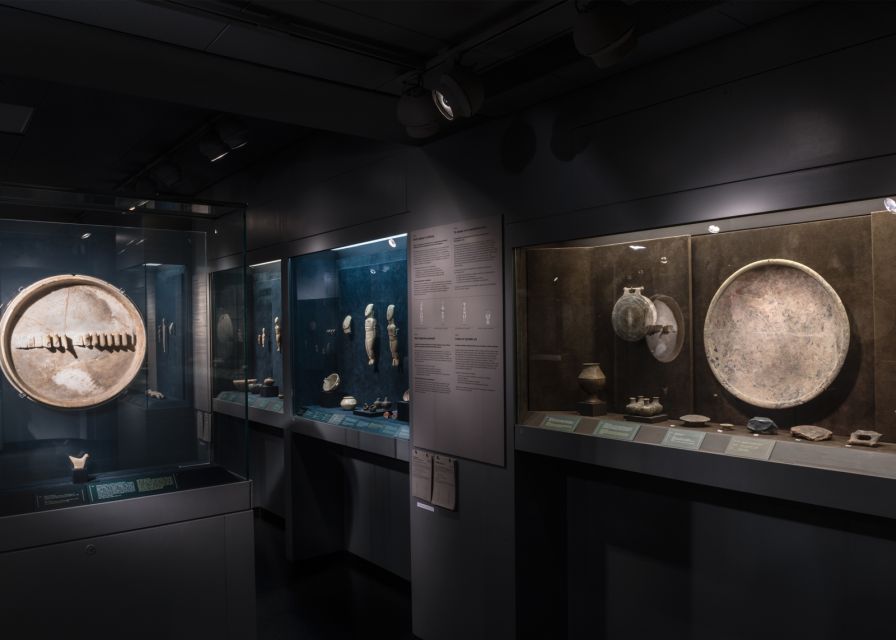
You can see the permanent exhibitions in about 1.5 to 2 hours. That is the right amount of time for a focused first visit, especially if you read selected labels rather than every word.
Allow longer if you want to examine the Cycladic figurines closely, use the QR content, or stop at the café. Allow less if you are fitting the museum into a crowded sightseeing day and mainly want the highlights.
A practical route might look like this:
- Begin with the Cycladic collection and give the marble figurines your best attention.
- Move through the Ancient Greek Art display on the second floor, watching for changes in materials and social life.
- Visit the Classical Athens exhibition on the fourth floor for a more personal look at ancient daily life.
- Finish with Ancient Cypriot Art, especially if Mediterranean cultural exchange interests you.
- End at the Cycladic Café or museum shop if you have time.
The displays are described as cool, attractive, and well structured. That makes the museum a pleasant break from Athens’ heat, though construction noise may change the atmosphere while work continues.
Is $14 good value?
At $14 per person, this is a reasonable museum ticket for Athens if you want a focused collection and a comfortable visit. You are not paying for transport, a guide, or a long organized itinerary. You are paying for access to several permanent collections in a central building.
The value is strongest for adults who enjoy archaeology, ancient art, design, or cultural connections across the Aegean and Cyprus. You get a lot of time flexibility for the price, and you can visit during one day without committing to a fixed tour schedule.
The value is less obvious if your Athens plan already includes several major archaeological museums and you are tired of similar objects. Some overlap is unavoidable. Pots, weapons, coins, and statues appear in many Greek collections.
Even then, the Cycladic material gives this museum a clear identity. The 2300 BC marble figures are not just another group of ancient artifacts. They are the reason many people will find this visit memorable.
Free cancellation up to 24 hours before the visit and the option to reserve now and pay later also reduce the risk of fitting it into a changing Athens itinerary. Those policies are useful, but the main value comes from the museum itself: a manageable size, strong presentation, and a location that is easy to reach.
Who will enjoy this museum most?
I would recommend it to adults, older children, students of art or archaeology, and anyone who likes museums that can be seen without an exhausting march through endless galleries.
It is also a good choice for you if you want to understand more than the Acropolis alone. The museum connects prehistoric island culture, Classical Athens, Ancient Greek society, and Cyprus in one visit.
Children under 10 may find it less engaging, particularly because many objects are pottery, tools, weapons, and statues. Older children may respond better if you give them a simple mission, such as finding the most unusual marble figure or comparing local Cypriot objects with Greek examples.
You should also consider your tolerance for noise. Building work was still causing loud disruption in November 2025, and one visit became shorter than planned because of it. Check current conditions before going, and consider carrying earplugs if construction is ongoing.
Should you book the Museum of Cycladic Art?
Book it if you want a calm, central museum with excellent Cycladic art, clear displays, and enough variety for a two-hour visit. The marble figures from around 2300 BC are the major draw, while the Greek and Cypriot collections provide useful context and a broader view of Mediterranean connections.
I would skip it only if your schedule is packed with archaeological museums or if construction noise would spoil the experience for you. For most art-minded visitors, the $14 price is fair, the location is convenient, and the four-floor layout makes the collection easy to handle.
FAQ
Where is the Museum of Cycladic Art?
The museum is in central Athens, about five minutes on foot from Syntagma Square and the Syntagma Metro station.
How much does entry cost?
The listed price is $14 per person.
How long is the ticket valid?
The ticket is valid for one day. Available starting times are shown when you check availability.
What does the ticket include?
It includes entry to the museum’s permanent collections, free Wi-Fi, and access to Clio Muse Tours through a QR code.
Is a guided tour included?
No. A guided tour is not included with the entry ticket.
Is hotel transfer included?
No. Hotel transfer is not included. You make your own way to the main entrance.
Is the museum wheelchair accessible?
Yes. The museum is wheelchair accessible.
Can I bring food or drinks inside?
No. Food and drinks are not allowed inside the museum.
Is there a café at the museum?
Yes. The Cycladic Café serves Cycladic flavors made with natural products and virgin ingredients.
Can I cancel the ticket?
Yes. You can cancel up to 24 hours in advance for a full refund.
Just added around Athens
- Athens Hotels to Athens Airport Private Departure Transfer★ 5.0 · 40 reviews
- Private One-way Transfer between Athens International Airport and Athens Hotels★ 4.5 · 40 reviews
- Athens: Acropolis Museum Ticket with Self-Guided Audio tour App★ 3.5 · 40 reviews
- From Athens: Meteora Train Trip with Overnight Stay★ 4.8 · 40 reviews
- Athens Photography Tour★ 5.0 · 40 reviews
- Athens: Acropolis Visit and City Night Tour★ 4.7 · 40 reviews
- Delphi Full Day Private Trip From Athens With Lunch Overlooking the Sea★ 5.0 · 40 reviews
- Acropolis & Plaka Neighbourhood Private Tour with Licensed Expert★ 5.0 · 40 reviews
Museums, compared.

Acropolis, Parthenon & Acropolis Museum Guided Tour
Read our review →
Mythology of Delphi, Museum and Arachova Guided Tour
Read our review →Acropolis, Parthenon & Acropolis Museum Guided Tour
Read our review →
Acropolis monuments & Parthenon Walking Tour with Optional Acropolis Museum
Read our review →
Athens All Included: Acropolis and Museum Guided Tour with Ticket
Read our review →
Acropolis Museum Ticket with optional Audio Guide
Read our review →
Small-Group Delphi, Museum & Arachova Day Trip
Read our review →
Parthenon & Acropolis Museum with Audio or Live Tour Option
Read our review →Browse the lists this tour appears in