
Reviewed · RAFTING & CANYONING
Arachthos white water river Rafting: Plaka’s Bridge- Tzari
The best seat in Tzoumerka is a raft. This five-hour outing combines Class II and III rapids with the dramatic Arachthos Gorge, starting below the remarkable Plaka Bridge and ending after a nine-kilometer river run at Tzari. I like the complete equipment package, including neoprene shoes and extra layers when the weather is cool. I also like that you receive photos by email, so your phone can stay safely dry.
The main consideration is the weather and water level. Winter brings powerful waterfalls and fuller flow, while parts of the river can become shallow or even dry in summer. The mountain roads and transfer bus are part of the outing too, and one past participant found the bus less comfortable than ideal.
In This Review
- Key points to know before you book
- Why this Arachthos route is worth your time
- Starting under the stone arch of Plaka Bridge
- Getting fitted with the right equipment
- Learning the basics before the first rapid
- Nine kilometers through Arachthos Gorge
- The Klifki Waterfalls and seasonal river changes
- What the Tzari finish feels like
- Guides, group size, and the feel of the outing
- Who will enjoy this most
- Price, timing, and what to bring
- Should you book the Arachthos rafting trip?
- FAQ
- Where does the Arachthos rafting trip start?
- Where does the rafting end?
- How long does the full experience last?
- How far do you raft?
- Do I need previous rafting experience?
- What equipment is included?
- What happens if the weather is poor?
Key points to know before you book
- Plaka Bridge begins the adventure: Start beneath a 20-meter-high, 40-meter-wide single-arch stone bridge, described as the largest of its kind in the Balkans.
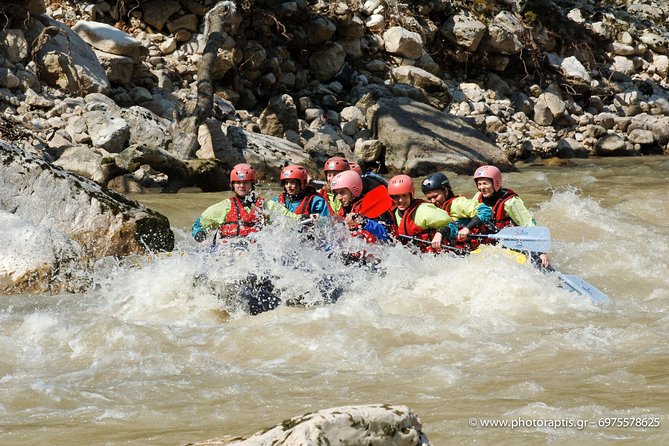
- Nine kilometers of river action: Paddle through Arachthos Gorge, with rapids rated up to Class III and canyon walls rising as high as 700 meters.
- No rafting background required: Your guide provides instruction and remains with the group throughout the descent.
- Waterfall scenery changes by season: Winter offers roaring falls and stronger water flow, while summer can bring very shallow sections.
- Safety gear is supplied: You receive a wetsuit, neoprene shoes, life jacket, helmet, and, when needed, dry jackets, gloves, and other warm layers.
- The group stays fairly small: The maximum group size is 20 people, with group discounts available.
Why this Arachthos route is worth your time
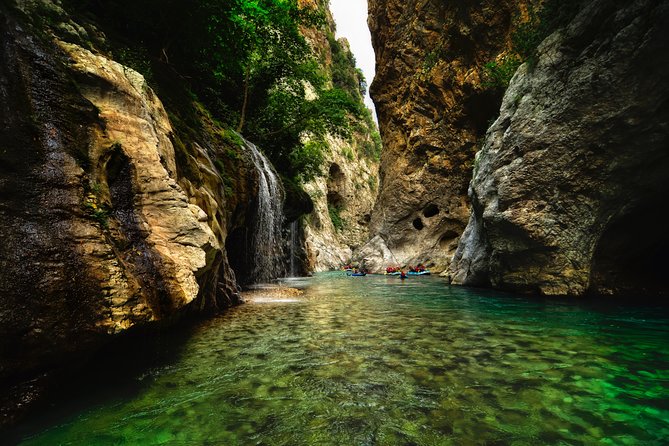
Arachthos River rafting gives you more than a burst of outdoor activity. It takes you into a remote-looking corner of Epirus where the river does the sightseeing for you. You paddle past steep stone walls, clear water, forested slopes, and the Klifki Waterfalls, with little need to look at anything except the next rapid and the cliffs overhead.
I especially like the balance of excitement and scenery. Class II rapids keep the raft lively, while Class III sections add a real sense of challenge without requiring previous rafting experience. The guide calls the moves, sets the rhythm, and helps the group work as one. That makes this a practical first rafting trip, not just an outing for experienced paddlers.
The strong safety record is reflected in the 99 percent recommendation rate and a five-star average from 529 ratings. Guides named in the feedback include Eleni, George, Vasilis, Thanos, and Kostas. Their roles vary by departure, but the consistent theme is clear: you can expect professional instruction with plenty of humor and encouragement.
The listed price is $69.51 per person. For that fee, you receive the river activity, safety equipment, return transport to the base, water, local sweets, changing facilities, washing facilities, and digital photographs. That is good value for a half-day activity, especially since you do not need to rent a wetsuit or risk damaging your own camera.
More rafting and canyoning trips in Greece:
- River rafting at Voidomatis River !! Zagori area
★ 5.0 · 534 reviews - Canyoning trip at Zagori area of Greece – Section A
★ 5.0 · 425 reviews - From Thessaloniki: Half-Day Canyoning Trip to Mount Olympus
★ 5.0 · 267 reviews
Starting under the stone arch of Plaka Bridge
The meeting point is the Plaka Arched Bridge in Voria Tzoumerka, in the regional area of Epirus. The bridge itself deserves a proper look before you gear up. Its single stone arch rises 20 meters and stretches 40 meters across the river, giving the start of the trip a strong sense of place.
This is not a quick launch from an anonymous parking area. The bridge connects the activity to the history and engineering of the region, and its scale makes a memorable first photograph. You begin just a few meters from Alpine Zone’s base, where the staff organize the equipment and prepare the group.
The base has changing rooms and washing facilities, which matter more than they might sound like before you arrive. Rafting is a wet activity, and being able to change after the river makes the return much more comfortable. Bring your own swimsuit and towel, since those are not supplied.
Getting fitted with the right equipment
Before the raft moves, you receive a neoprene suit, neoprene shoes, a life jacket, and a helmet. When temperatures call for it, the team also provides extra clothing such as dry jackets and gloves. This equipment removes one of the biggest worries for first-time rafters: figuring out what to wear for cold mountain water.
You should still pack a swimsuit and towel. The supplied clothing is designed for the river, not as a replacement for your own dry clothes. A practical plan is to arrive with swimwear underneath and keep a complete change of clothes ready for the end.
The phone question is easy here. Photos are taken during the experience and sent over the internet afterward, so you can leave your phone protected rather than trying to operate it with wet hands inside a moving raft. That is a small but useful part of the package.
Learning the basics before the first rapid
No previous rafting experience is required. Your instructor explains how to paddle and how to respond to commands before the raft reaches the more active water. That training matters because a rafting group works best when everyone follows the same instructions at the same time.
You are not left to work out the river alone. The guide stays with the group, manages the route, and helps keep the raft coordinated. George is praised for remaining calm and professional during harder rapids, while Vasilis is remembered for both his guiding and his quick response when someone fell out of the raft.
That does not mean the activity is passive. You will be expected to paddle, listen, and take part. Class III water can feel serious when the raft turns toward a wave, so you should be comfortable with a moderate physical challenge and getting wet.
A completely different sort of day out in Greece:
- Athens: Acropolis & up to 5 Archaeological Sites Combo Pass
★ 4.4 · 12,619 reviews - Athens: Acropolis Ticket with Optional Audio or Live Guide
★ 4.2 · 11,055 reviews - Athens: Acropolis, Parthenon & Acropolis Museum Guided Tour
★ 4.8 · 9,316 reviews - Athens: Cape Sounion & Poseidon Temple Sunset Half-Day Trip
★ 4.8 · 8,241 reviews
Nine kilometers through Arachthos Gorge
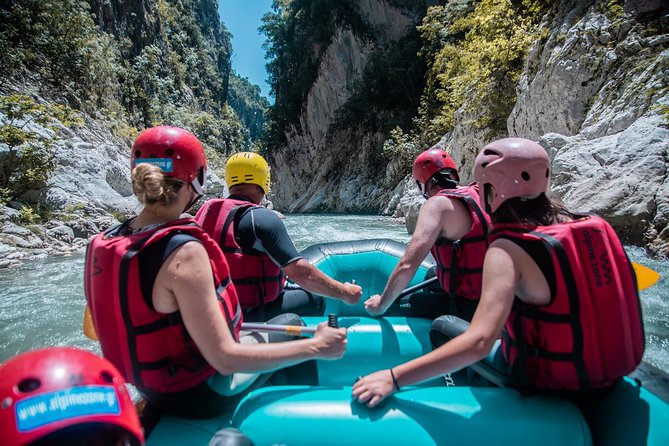
The route covers about nine kilometers from Plaka Bridge to the Tzari area. The water journey itself is reported as roughly two to two and a half hours, with the full activity lasting about five hours once preparation and return transport are included.
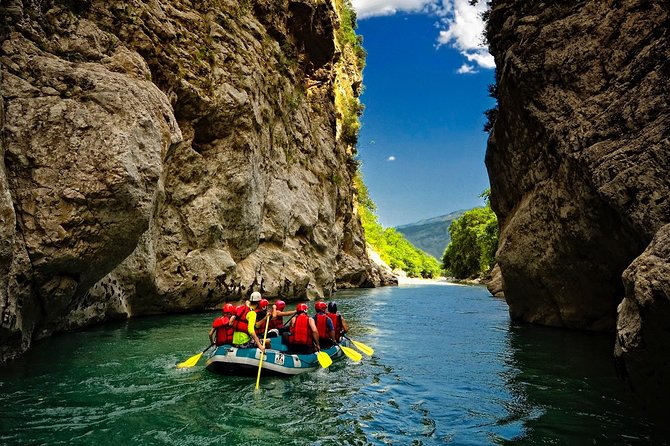
The river is the main attraction, but the setting gives the trip its character. Canyon walls rise up to 700 meters, creating a narrow, dramatic corridor in places. The clear water reflects the surrounding rock and vegetation, and the changing river level gives the route a different mood from one season to the next.
The Class II sections are generally the easier parts of the ride. They let you settle into the raft, practice your paddle strokes, and enjoy the views without constant concentration. Class III sections demand more teamwork and attention. The exact feel depends on water conditions, but the rating tells you to expect lively rapids rather than a calm sightseeing float.
The guide’s position adds value here. Instead of worrying about route-finding, you can focus on commands, the people in your raft, and the river ahead. That is one reason the trip works for beginners who want genuine excitement without signing up for an advanced expedition.
The Klifki Waterfalls and seasonal river changes
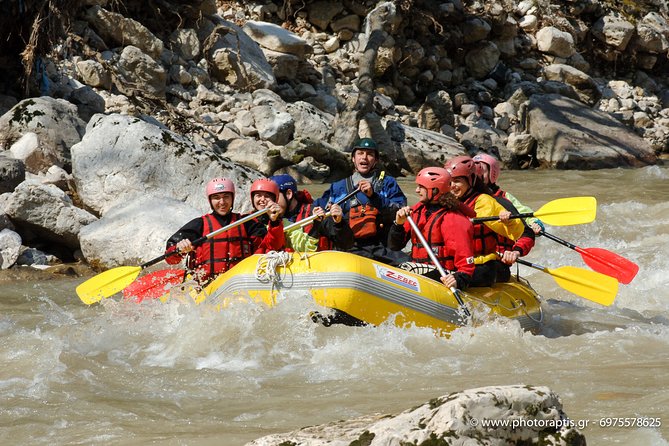
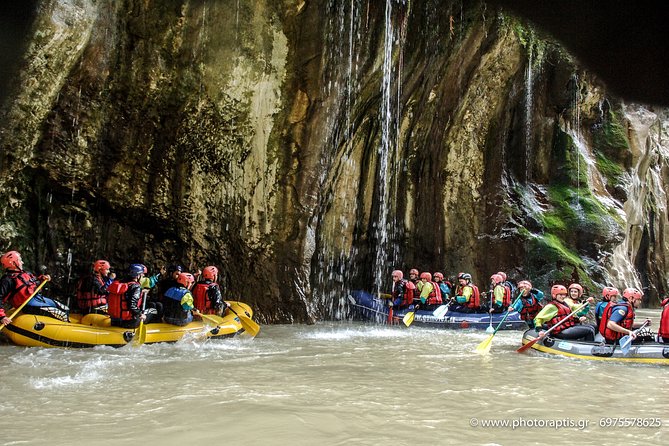
The Klifki Waterfalls are among the most appealing sights along the route. In winter, the falls can be full and roaring, adding power and sound to an already dramatic section of the gorge. The cold season may offer the most impressive water display, but it also makes the supplied extra layers especially useful.
Summer presents a different Arachthos. Some stretches of the riverbed may be only lightly covered, and certain spots can even run dry. That can reduce the continuity of the rafting action, though it also reveals how much the river changes with the seasons.
I would ask about current conditions before booking if the rapids are your main reason for going. If your priority is scenery, clear water, and a mountain setting, the trip can still appeal in lower water. If you want the strongest flow and fullest waterfalls, the season and recent weather deserve close attention.
Rain does not automatically end the day. On one rainy morning, the staff assessed the river before deciding to proceed, and the group went on to enjoy the outing. Still, the activity requires suitable weather, so poor conditions can lead to a new date or a full refund.
What the Tzari finish feels like
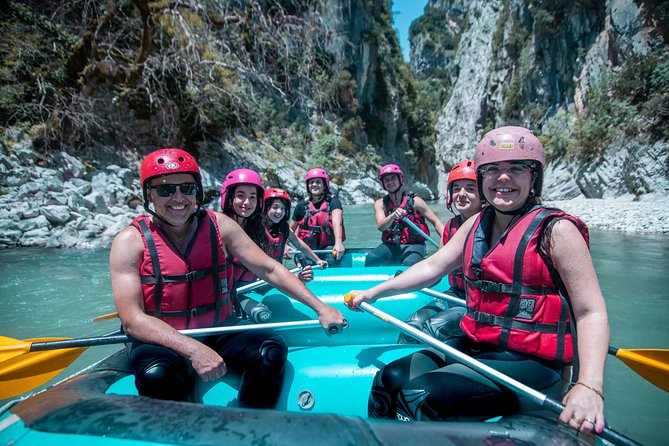
After the final section of river, the rafting ends in the Tzari area. You then return by bus to Alpine Zone’s base near Plaka Bridge. The transfer is useful because it saves you from arranging a separate ride between the start and finish points.
One practical warning: the road through the mountain area is winding, and the bus has received one mild criticism for comfort. The ride is part of the geography of the outing, not a polished coach transfer. If you are sensitive to winding roads or expect luxury transport, keep your expectations modest.
Back at the base, staff provide bottled water and traditional syrupy sweets. The food is a simple touch, but it works well after a cold, active morning. You can change, wash, and collect yourself before heading on to your next stop in Epirus.
Guides, group size, and the feel of the outing
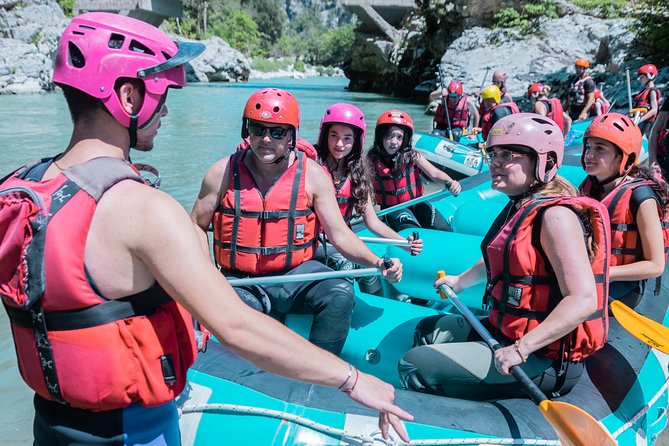
The group limit is 20 people. That is large enough to create a social atmosphere but small enough for the instructor to manage the raft teams and keep the activity moving. Your actual raft arrangement can vary, so you should expect a shared experience rather than a private river trip.
The guides seem to be one of Alpine Zone’s strongest assets. Eleni is praised for making people feel safe during an intense run. George is described as experienced and professional, while Vasilis combines river skills with quick practical help when someone ends up in the water. Thanos is associated with the walk to the waterfall and the refreshing cold water there.
The human side matters. White-water rafting can feel intimidating for a first attempt, especially when the river narrows and the boat points at a rapid. A guide who can give clear directions and keep the mood light makes the whole experience easier to enjoy.
Who will enjoy this most
I would recommend this trip to active adults, families with suitable participants, and first-time rafters who want more than a gentle float. It is also a good match for anyone already visiting the Tzoumerka Mountains and looking for a way to see the gorge from the river rather than from a roadside viewpoint.
You should be ready to paddle, wear a wetsuit, sit in a moving raft, and accept that you will get wet. Most people can participate, and service animals are allowed, but the activity is still physical and takes place in moving water.
This is less suitable if you want a dry, slow sightseeing tour or if you dislike cold water and changing weather. The Class III rating gives the activity real energy. The guide provides support, but no safety briefing can make the river completely passive.
Price, timing, and what to bring
At $69.51, the outing offers a solid package for the cost. You get equipment, instruction, the river descent, return transport, water, local sweets, facilities at the base, and photos. You also avoid buying specialist clothing for a single activity.
The advertised duration is about five hours. Plan your day around that rather than treating it as a quick two-hour stop, since preparation, changing, and transport are included in the total. The water time is about two to two and a half hours, which gives you a useful idea of how much of the day is spent actually rafting.
Bring:
- A swimsuit
- A towel
- Dry clothes for afterward
- Any personal items you need to keep secure while on the river
Do not count on carrying your phone in the raft. The included photos are the smarter option, and the team sends them online after the activity.
The experience is often booked about 31 days ahead, so popular dates may fill before a last-minute mountain visit. Free cancellation is available up to 24 hours before the start time for a full refund. Changes or cancellations inside that window are not accepted for a refund, except when the operator cancels because of weather or an insufficient minimum number of participants.
Should you book the Arachthos rafting trip?
Book it if you want a well-supported first rafting experience in a spectacular mountain setting. The Plaka Bridge start, nine-kilometer route, Class II and III rapids, Klifki Waterfalls, and canyon walls up to 700 meters give the outing plenty of substance. The included gear and photographs make the price easier to justify.
Think twice if you are looking for guaranteed high water in summer, a completely calm ride, or comfortable coach transport. Conditions shape the river, and the season can change both the waterfalls and the amount of paddling.
For most active visitors to Epirus, I would make this a strong choice. Alpine Zone combines a real river challenge with careful instruction, useful equipment, and a friendly finish back at the base. Pack a swimsuit and towel, check the forecast, and let the river provide the memorable part.
FAQ
Where does the Arachthos rafting trip start?
The activity starts at the Plaka Arched Bridge in Voria Tzoumerka, Greece.
Where does the rafting end?
The river descent ends in the Tzari area, and the activity then returns to the Alpine Zone base near Plaka Bridge by bus.
How long does the full experience last?
The full activity lasts approximately five hours. The time spent on the river is about two to two and a half hours.
How far do you raft?
The route covers approximately nine kilometers from Plaka Bridge to Tzari.
Do I need previous rafting experience?
No. Previous experience is not required, and the guide provides training before the descent and stays with the group.
What equipment is included?
The operator supplies a neoprene suit, neoprene shoes, life jacket, helmet, and, depending on the temperature, extra layers such as dry jackets and gloves.
What happens if the weather is poor?
The activity requires good weather. If it is canceled because of poor conditions, you can choose a different date or receive a full refund.
Just added around Greece
- Lasithi –Plateau Traditional Vilages★ 5.0 · 40 reviews
- Athens Hotels to Athens Airport Private Departure Transfer★ 5.0 · 40 reviews
- The Palace of Knossos with Skip-the-Line Ticket★ 5.0 · 40 reviews
- Santorini 5 Hour Private Oia Tour & Lunch/Dinner at a Local Farm★ 5.0 · 40 reviews
- From Chania: Preveli Palm Beach Day Tour★ 4.3 · 40 reviews
- Private One-way Transfer between Athens International Airport and Athens Hotels★ 4.5 · 40 reviews
- Chania Morning Catamaran Cruise with Premium Lunch & Drinks★ 5.0 · 40 reviews
- Athens: Acropolis Museum Ticket with Self-Guided Audio tour App★ 3.5 · 40 reviews
Rafting & Canyoning, compared.
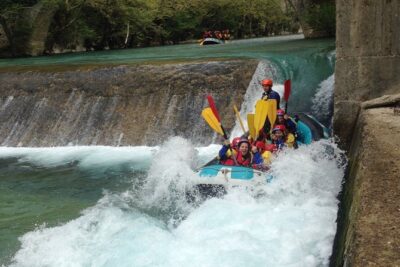
River rafting at Voidomatis River !! Zagori area
Read our review →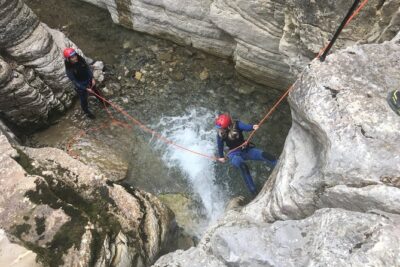
Canyoning trip at Zagori area of Greece – Section A
Read our review →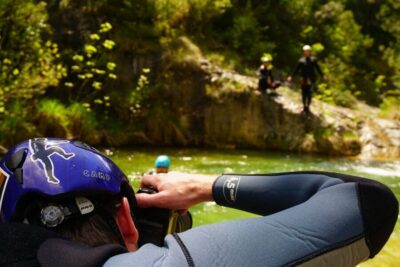
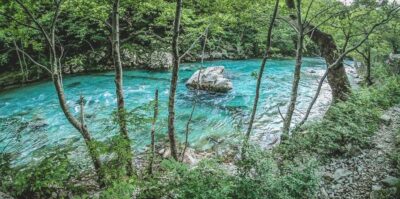
Epirus: Easy Rafting Experience on the Voidomatis River
Read our review →
Olympus Canyoning Course – Entry to Intermediate
Read our review →Browse the lists this tour appears in