

Reviewed · ACROPOLIS & PARTHENON TOURS
Acropolis Walking Tour, Including Syntagma Square & City Center
Ancient Athens begins underground. This 3.5-hour walk links the Syntagma Station museum, Parliament, the National Garden, and the Acropolis in one sensible route. I like the unusual start, where a metro stop displays ancient finds, and I like the finish at the Parthenon, where you can stay for photos after the guided portion ends. The main drawback is the physical effort: the route climbs over uneven ground, and the southern Acropolis approach can be dusty and rocky.
You pay $56.86 per person, with English guiding, a city map, and a guide magazine included. The value is strongest if you want context rather than a quick photo stop, especially on a first visit. Be careful when booking: entrance fees are separate unless you choose the option with a ticket, and strict Acropolis entry times mean late arrivals receive no refund.
In This Review
- Key points to know before you book
- Why this route works for a first day in Athens
- Syntagma Station turns a commute into archaeology
- Parliament, the guards, and the city’s ceremonial center
- The Temple of Olympian Zeus sets up the ancient story
- The south slope gives you more than a Parthenon photo
- Reaching the Propylaea, Nike Temple, and Parthenon
- What the guide adds to the stones
- Is $56.86 good value?
- How to prepare for the climb
- Who should book this Athens walk?
- Should you book it?
- FAQ
- How long does the Acropolis Walking Tour last?
- Where does the tour begin?
- Where does the tour end?
- Is the Acropolis admission fee included?
- What language is the tour offered in?
- What sights are included before the Acropolis?
- What Acropolis monuments are covered?
- Are baby strollers allowed?
- Can I cancel for a full refund?
Key points to know before you book
- Ancient finds inside a metro station: Syntagma Station displays tombstones, pottery, part of a fifth-century aqueduct, and a 2,000-year-old beehive.
- A city-center introduction with a strong finish: You pass Parliament, the Tomb of the Unknown Soldier, the National Garden, Zappeion Hall, and the Temple of Olympian Zeus before reaching the Acropolis.
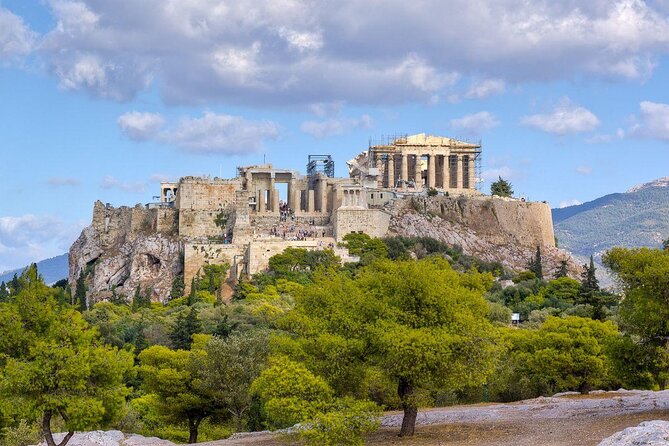
- The south slope adds important ruins: The route includes the Theater of Dionysus, Herodes Atticus Odeon, Mars Hill, the Propylaea, and the Temple of Athena Nike.
- The tour ends at the summit: After the guide finishes, you can take your time with Acropolis photographs instead of being escorted straight away.
- A small but active group: Numbers are capped at 24, with an average group size of about 18.
- Heat and footwear matter: Good walking shoes, water, sunscreen, and a hat are not optional extras on a hot day.
Why this route works for a first day in Athens
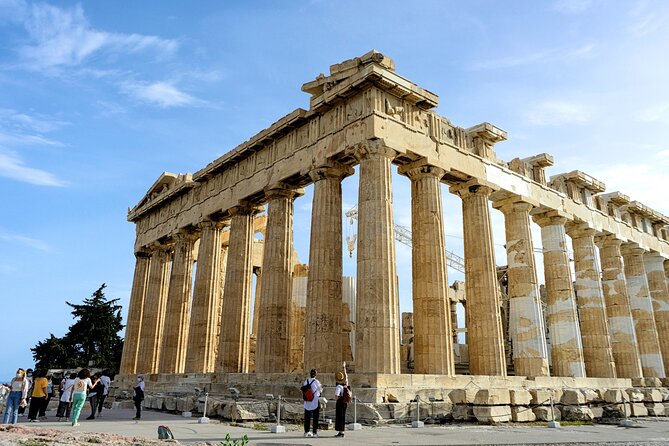
Athens can feel scattered at first. The Acropolis rises above a city filled with Roman remains, modern streets, gardens, government buildings, and layers of excavation. This walk gives you a useful outline before you tackle the city on your own.
I like the order. You start at Syntagma, the central square, then move through the modern heart of Athens before reaching the ancient hill. The journey helps you understand how the Acropolis relates to the rest of the city, rather than treating the Parthenon as an isolated monument.
The tour is offered in English and lasts about three and a half hours. That is enough time for a real introduction, but not enough for every museum, side street, or monument in detail. You get a guided overview with a strong focus on the Acropolis, not a full-day study of Athens.
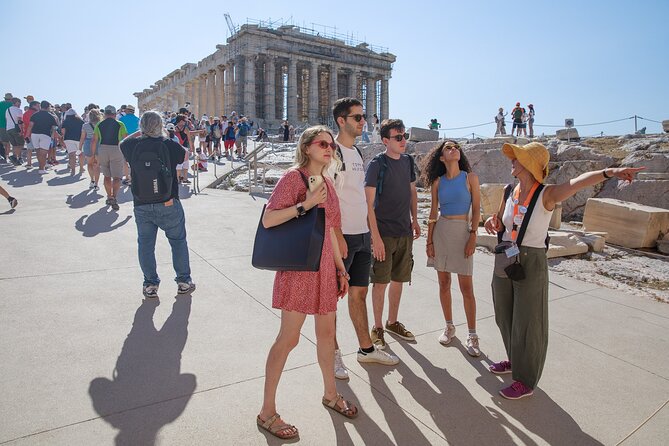
Past departures have been led by guides such as Sissy, Dimitri, Georgia, Helena, Olesya, Margarita, Fotini, Vicky, Giannis, Athena, Apollon, and Elias. The strongest praise centers on guides who explain mythology, architecture, and daily life in a lively way while adjusting the pace for heat, cold, or an injured leg.
More City Tours in Athens
- Athens: City Sightseeing Hop-On Hop-Off Bus Tour
★ 4.3 · 4,520 reviews - City Sightseeing Athens, Piraeus & Beach Riviera Hop-On Hop-Off Bus Tours
★ 4.0 · 1,887 reviews - Athens:City Pass with Acropolis, Museums, Hop-On Hop-Off Bus
★ 3.9 · 586 reviews
Syntagma Station turns a commute into archaeology
Meet your guide at Syntagma Metro Station in central Athens. The first stop is not a grand temple or palace. It is the station museum, where construction exposed ancient remains and artifacts.
You spend about 15 minutes here. The display includes tombstones, pottery, a section of a fifth-century aqueduct, and a beehive said to be about 2,000 years old. That beehive is a particularly good detail because it connects ordinary work and food production with the larger story of ancient Athens.
This short stop also makes a practical point: archaeological remains are not confined to fenced-off sites. They turn up beneath the roads and transport systems of the modern city. I find that this gives you a better sense of Athens as a place where the ancient and present-day worlds sit directly on top of each other.
The meeting point deserves care. Syntagma Station can mean the underground station area, so read the meeting instructions closely and confirm where the guide will be waiting. One past participant found the location unclear because the group was meant to meet downstairs.
Parliament, the guards, and the city’s ceremonial center
From the station, you walk to the Hellenic Parliament on Syntagma Square. The building began life as a royal palace, and the guide explains how it became the seat of Greece’s legislature.
The stop includes the Tomb of the Unknown Soldier and a chance to watch the change of guards. This is one of the tour’s most popular moments because it gives you both political history and ceremony. The guards’ formal movements and traditional uniforms make for memorable photographs, but the guide’s explanation gives the scene more meaning than a quick stop would.
You may spend about 20 minutes around the Parliament and another listed 20 minutes watching the guards. Exact timing can depend on the tour’s flow and the scheduled ceremony, so do not treat every minute as fixed.
Next comes the National Garden, a welcome change from pavement and traffic. The walk through the gardens gives your legs a calmer stretch before the climb toward the Acropolis. You also pass Zappeion Hall, an elegant nineteenth-century building near the gardens.
This section is useful if you have only a short stay in Athens. You see a working government center, a national memorial, ceremonial guards, a public garden, and a grand civic building within a short walk.
The Temple of Olympian Zeus sets up the ancient story
The route continues toward the Temple of Olympian Zeus and other important sights in the old city. The temple is a powerful reminder that Athens was not built around one monument alone.
The remaining columns show the scale of the project and the ambition behind it. Your guide can connect the temple to the religious world that also shaped the Acropolis, helping you see how different sacred sites fit into the city’s ancient plan.
The walk then reaches Dionysiou Areopagitou Street, a traffic-free pedestrian route around the southern slopes of the Acropolis. This is one of the most pleasant stretches of the experience. You get open views toward the Acropolis while walking past major archaeological sites without the distraction of cars.
It is also the point where the tour becomes more demanding. You are heading uphill, and the surface is not always smooth. I would wear shoes with a firm grip and bring water even if the day does not feel especially hot at the start.
More Walking Tours in Athens
- Athens: Acropolis and Parthenon Guided Walking Tour
★ 4.6 · 5,882 reviews - Greek Food Walking Tour in Athens
★ 5.0 · 4,740 reviews - Acropolis: Acropolis and Parthenon Guided Walking Tour
★ 4.7 · 3,442 reviews - Acropolis monuments & Parthenon Walking Tour with Optional Acropolis Museum
★ 5.0 · 2,678 reviews
The south slope gives you more than a Parthenon photo
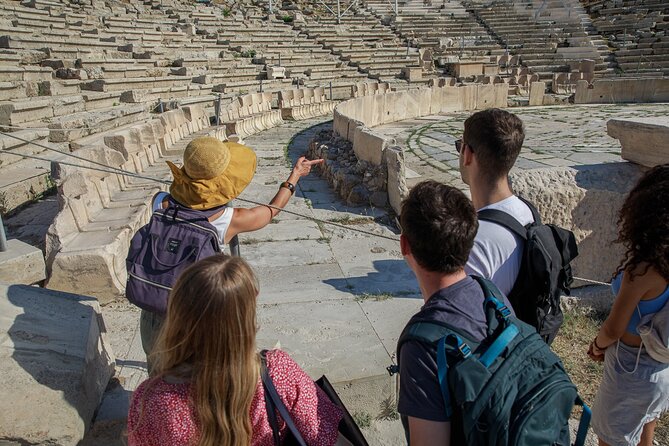
The southern approach is a major strength of this tour, but it is also the part that requires the most care. The route can be dusty and very rocky, and one participant found sections almost dangerous. The western gate may have a smoother paved approach, but using the south side lets you see several important monuments before reaching the summit.
The first major stop is the Theater of Dionysus, where the tour spends about 15 minutes. Ancient drama grew from religious festivals honoring Dionysus, and standing in the theater gives you a direct sense of the performance culture associated with classical Athens.
You then pass the Odeon of Herodes Atticus, often called the Herodeion. This smaller performance space sits against the Acropolis rock and is still famous for its theatrical setting. The listed stop lasts about 10 minutes, so expect an explanation and a viewing point rather than a long exploration inside.
The route also takes in the Sanctuary of Asclepius and the Stoa of Eumenes. These are easy to overlook when you are focused on the Parthenon above, yet they help explain the slope as a lived and used part of the ancient city.
Mars Hill, or the Areopagus, adds another important viewpoint. The rock and surrounding area connect to Athens’ political, legal, and religious life. Surfaces can be uneven, so listen carefully to your guide and do not rush for a photograph.
Many groups appreciate this southern route because it breaks the climb into short sections. Guides have been praised for finding shade, offering rest stops, and keeping a steady pace. That matters more than it may sound, especially in summer or when someone in your group has limited mobility.
Reaching the Propylaea, Nike Temple, and Parthenon
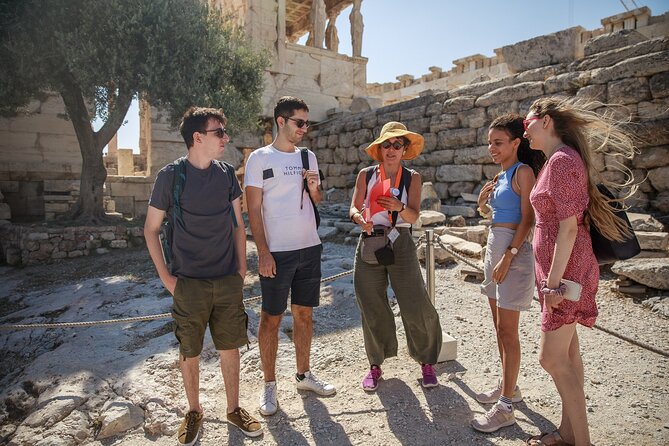
The climb continues toward the Propylaea, the monumental gateway to the Acropolis. You pass the Temple of Athena Nike, a small but beautifully placed temple associated with victory. These structures frame the final approach and prepare you for the main plateau.
The Acropolis portion lasts about 1.5 hours. That is enough time for a guided explanation of the famous monuments and for the guide to point out architectural details, myths, and historical changes. It is not enough time to inspect every stone or explore at the pace of an archaeology student.
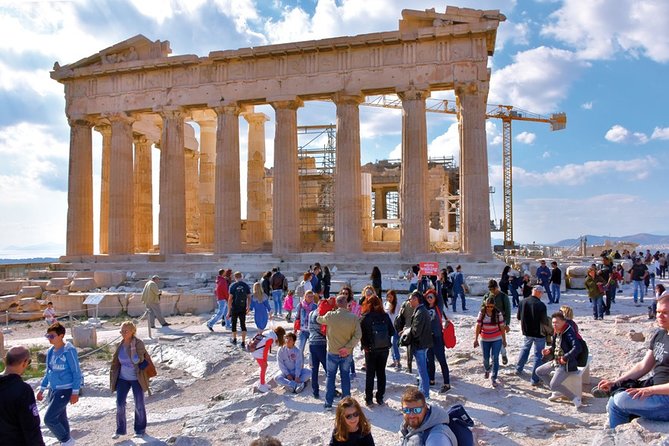
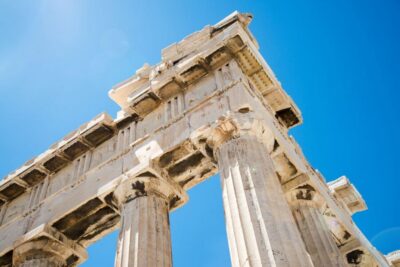
The Parthenon receives about 20 minutes as a listed stop. This is the moment most people have been waiting for, but I recommend resisting the urge to focus only on the familiar columns. Look across Athens, notice the position of the temple on the hill, and listen for the explanation of its religious and civic role.
The summit is also where the tour ends. This is a useful design choice because you are not hurried back down with the group. You can stay for photographs and then continue exploring on your own, provided you follow site rules and opening arrangements.
There is a practical catch. All visitors pass through airport-style security, and in peak season the wait can reach more than 30 minutes. The tour operator cannot control that line, so build patience into your expectations.
What the guide adds to the stones
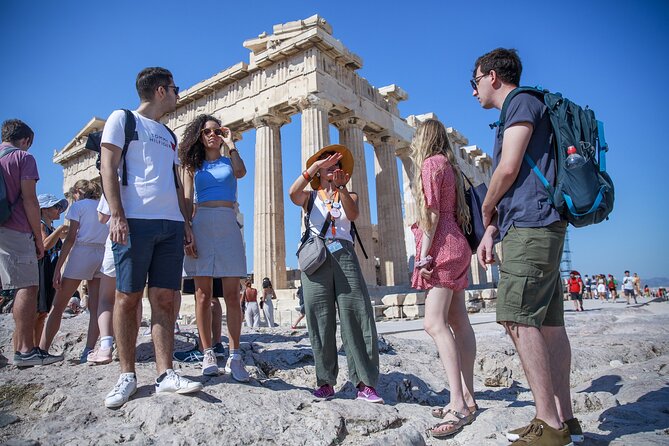
The best reason to choose this experience is the guide. Without one, the Acropolis can become a series of impressive names: Parthenon, Propylaea, Nike, theater. With a strong guide, the places connect through mythology, architecture, public life, and changing use.
Sissy has been praised for explaining mythology and ancient Greek life in a way that made a repeat Acropolis Museum visit appealing. Athena was remembered for bringing the myths to life and explaining the purpose of each monument. Olesya received particular praise for linking architectural facts with the people who once used these spaces.
The guide’s delivery will shape your experience. One past participant found the information too general and felt that a headset was distorted. The response from the operator was that faulty earpieces can be replaced during the tour, so tell the guide at once if you cannot hear clearly.
Headsets are especially useful around the Acropolis, where wind, crowds, and open spaces can make ordinary conversation difficult. They also let you stand slightly apart for a photograph without losing the explanation.
Group size is capped at 24, and the average is about 18. That is not a private tour, but it is more manageable than a large coach group. You can ask questions, though one very talkative participant can still affect the rhythm.
Is $56.86 good value?
At $56.86 per person, the price is fair if you want a guided introduction that combines central Athens and the Acropolis. You are paying for a licensed local guide, the city map, the Athens guide magazine, the route planning, and the help of a group leader through a major archaeological site.
The value depends heavily on the ticket option. Entrance fees are not included in the basic price unless you select the option with a ticket. If you choose without a ticket, follow the voucher instructions and arrange admission as required. Check this carefully before paying, since the headline price can otherwise look lower than your final cost.
The route also saves planning time. You do not need to work out how to connect Syntagma Station, Parliament, the gardens, Zeus’s temple, the south slope, and the Acropolis summit. For a first morning or afternoon in Athens, that organization has real worth.
I would not choose it if you want a slow, scholarly examination of every monument. I also would not choose it for a stroller-dependent family, since strollers are not permitted on the Acropolis archaeological site and there is no cloakroom at the side entrance. A baby pouch is recommended instead.
How to prepare for the climb
Wear comfortable walking shoes with good grip. The southern approach may be rough, and the Acropolis itself involves uphill walking over ancient and uneven surfaces.
Bring a full bottle of water, sunscreen, and a hat. The guides often try to find shade and provide breaks, but much of the route is outdoors and exposed. Dress for the weather because the tour runs in rain or shine.
Arrive early. Acropolis entry times are strict, and the group cannot wait for latecomers. No refund is provided for missing the timed entry.
The tour ends at the top of the Acropolis, not back at Syntagma. Plan your onward route from there, and use the final moments with the guide to ask for advice about additional Athens sights.
Free cancellation is available up to 24 hours before the start time. Changes or cancellations made inside that window are not refunded, and the operator may offer a new date or a full refund if minimum attendance is not met.
Who should book this Athens walk?
I would recommend it to a first-time visitor who wants the major sights placed in context. It is also a good fit if you have only a short stay, are arriving before a cruise, or want to understand the city before exploring alone.
History lovers should enjoy the mix of archaeology, mythology, government, gardens, and architecture. Families with older children may also find the changing guards and ancient theater more varied than a straight Acropolis visit.
You should think twice if you dislike hills, rough ground, heat, or fixed entry times. The tour is not for a casual stroll, despite the friendly pace and rest stops. You also need to be comfortable spending several hours outside.
Should you book it?
Yes, if you want a well-organized first look at Athens and prefer stories to silent sightseeing. The unusual metro museum, the guards at Parliament, the quiet stretch through the National Garden, and the south-slope approach make this more useful than a simple walk straight to the Parthenon.
Book it with realistic expectations. Confirm whether your ticket is included, meet downstairs at Syntagma Station, arrive early, and bring water and sturdy shoes. If you can handle the climb, the final view from the Acropolis gives the tour a satisfying finish, and you can remain at the summit for photographs after the guide departs.
FAQ
How long does the Acropolis Walking Tour last?
The tour lasts approximately 3 hours and 30 minutes, including the city-center walk and about 1.5 hours inside the Acropolis.
Where does the tour begin?
It begins at Syntagma Metro Station in central Athens, at Syntagma, Athens 105 57, Greece.
Where does the tour end?
The tour ends at the top of the Acropolis Hill. You can remain there to take photographs after the guided tour finishes.
Is the Acropolis admission fee included?
Admission is not included in the basic option. You can book an option with a ticket, or follow the voucher instructions to buy tickets if you choose the option without a ticket.
What language is the tour offered in?
The tour is offered in English.
What sights are included before the Acropolis?
The route includes the Syntagma Station museum, Hellenic Parliament, the Tomb of the Unknown Soldier, the change of guards, the National Garden, Zappeion Hall, and the Temple of Olympian Zeus.
What Acropolis monuments are covered?
The route includes the Theater of Dionysus, Herodes Atticus Odeon, Mars Hill, the Propylaea, the Temple of Athena Nike, and the Parthenon.
Are baby strollers allowed?
Baby strollers are not allowed on the Acropolis archaeological site. There is no cloakroom at the side entrance, and a baby pouch is recommended instead.
Can I cancel for a full refund?
You can cancel at least 24 hours before the experience starts for a full refund. Cancellations or changes made less than 24 hours before the start time are not refunded.
More Ways to See the Acropolis
- Athens: Acropolis & up to 5 Archaeological Sites Combo Pass
★ 4.4 · 12,619 reviews - Athens: Acropolis Ticket with Optional Audio or Live Guide
★ 4.2 · 11,055 reviews - Athens: Acropolis, Parthenon & Acropolis Museum Guided Tour
★ 4.8 · 9,316 reviews - Athens: Acropolis, Parthenon & Acropolis Museum Guided Tour
★ 4.8 · 3,579 reviews
Just added around Athens
- Athens Hotels to Athens Airport Private Departure Transfer★ 5.0 · 40 reviews
- Private One-way Transfer between Athens International Airport and Athens Hotels★ 4.5 · 40 reviews
- Athens: Acropolis Museum Ticket with Self-Guided Audio tour App★ 3.5 · 40 reviews
- From Athens: Meteora Train Trip with Overnight Stay★ 4.8 · 40 reviews
- Athens Photography Tour★ 5.0 · 40 reviews
- Athens: Acropolis Visit and City Night Tour★ 4.7 · 40 reviews
- Delphi Full Day Private Trip From Athens With Lunch Overlooking the Sea★ 5.0 · 40 reviews
- Acropolis & Plaka Neighbourhood Private Tour with Licensed Expert★ 5.0 · 40 reviews
Acropolis & Parthenon Tours, compared.
Acropolis & up to 5 Archaeological Sites Combo Pass
Read our review →
Acropolis, Parthenon & Acropolis Museum Guided Tour
Read our review →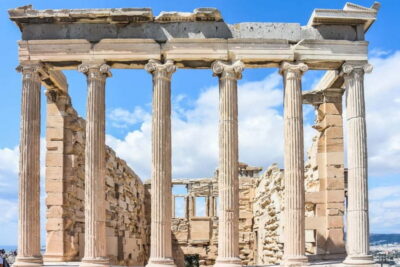
Acropolis, Parthenon & Acropolis Museum Guided Tour
Read our review →

Acropolis: Acropolis and Parthenon Guided Walking Tour
Read our review →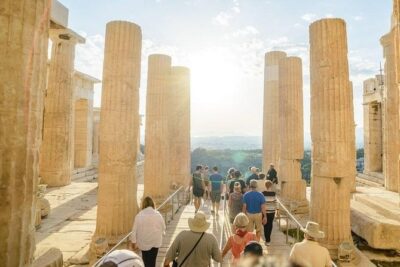
Acropolis monuments & Parthenon Walking Tour with Optional Acropolis Museum
Read our review →Browse the lists this tour appears in