
Reviewed · ACROPOLIS & PARTHENON TOURS
Athens: Acropolis, Parthenon & Acropolis Museum Guided Tour
Athens begins on the Acropolis. This guided walk brings the Parthenon, Caryatids, ancient theaters, and Greek myths into focus, rather than leaving you to guess what each weathered stone once meant. I especially like the licensed guides, who use stories and questions to make the monuments understandable, and the choice to add the Acropolis Museum for a fuller picture. The catch is cost: the $70 tour price does not include entrance tickets.
You meet at the Athens Walks office on Porinou Street, close to the Acropolis area, then walk uphill through one of Athens’ most important archaeological zones. The route lasts about two to four hours, depending on the option you book and the pace of the group. Expect sun, uneven ground, crowds, and a fair amount of standing, but also wonderful city views and a much clearer sense of why the Acropolis still matters.
In This Review
- Key points to know before you book
- Starting near Porinou Street
- The uphill walk through the ancient city
- The Propylaea and Temple of Athena Nike
- The Erechtheion and its famous Caryatids
- The Parthenon and Athens below
- Adding the Acropolis Museum
- What the guide adds to the price
- Families, heat, and physical effort
- Who should book this Acropolis tour?
- FAQ
- How long does the Acropolis tour last?
- Are Acropolis and museum tickets included?
- Where do I meet the guide?
- What languages are available?
- What happens on Mondays when the museum closes early?
- Is the tour suitable for wheelchair users?
- Should you book it?
Key points to know before you book
- The guide gives the stones a story: Mythology, architecture, politics, religion, and daily life all help explain what you are seeing.
- The route covers the Acropolis highlights: You see the Propylaea, Temple of Athena Nike, Erechtheion, Caryatids, Parthenon, Theater of Dionysus, Asclepius sanctuary, and Odeon of Herodes Atticus.
- The museum option adds real value: Original sculptures and architectural pieces help you understand monuments that are now partly ruined or missing their decoration.
- Tickets cost extra: Budget €30 for the Acropolis and €10 to €20 for the museum, with reduced or free admission possible for eligible visitors.
- Family groups are well served: Guides such as Anna, Maria, Mariza, and Christina have been praised for keeping children involved and adjusting the pace.
- This is not a wheelchair-friendly outing: The Acropolis route includes steep, uneven walking and is not suitable for wheelchair users.
Starting near Porinou Street
Your meeting point is the ground-floor Athens Walks office at 5 Porinou Street, postal code 11742. Arrive at least 15 minutes before departure. Only one person from your party needs to check in indoors, which keeps the start fairly simple.
The staff provide hearing devices and assign you to your group. That small detail matters on the Acropolis, where wind, crowds, and open spaces can make a guide hard to hear. If you are booking a private group, the hearing device is still useful when you spread out around a monument.
You do not receive hotel pickup or drop-off. Plan your route to Porinou Street before tour day, and allow extra time if you are unfamiliar with central Athens. One person once arrived a few minutes late after getting turned around in the streets, so finding the office in advance is sensible.
The tour is offered in English, Italian, German, French, and Spanish. A private group is also available. The private option makes the most sense for families, older relatives, or anyone who wants to ask many questions without worrying about a larger group’s pace.
More Museums in Athens
- Athens: Acropolis, Parthenon & Acropolis Museum Guided Tour
★ 4.8 · 9,316 reviews - Athens: Mythology of Delphi, Museum and Arachova Guided Tour
★ 4.6 · 4,008 reviews - Athens: Acropolis, Parthenon & Acropolis Museum Guided Tour
★ 4.8 · 3,579 reviews
The uphill walk through the ancient city
The Acropolis is not a flat museum visit. You walk uphill over stone and other uneven surfaces, with exposed sun and limited shade. Comfortable shoes are essential, and you should bring water, sunscreen, sunglasses, and a hat.
Your guide uses the climb to introduce the setting. This is one of the tour’s strongest features. Instead of reaching the Parthenon with no context, you hear about the monuments and their roles as you approach them. Several guides, including Mariza, Dimitru Florin’s guide, and others praised by families, have broken the climb into short stops with stories about the gods and the city.
That approach helps if you are traveling with children or anyone who tires easily. Guides have adjusted their rhythm for young children and for extreme heat, though the route remains physically demanding. There is no need to race. The best moments often come during a pause, when you can look back toward Athens and let the scale of the city sink in.
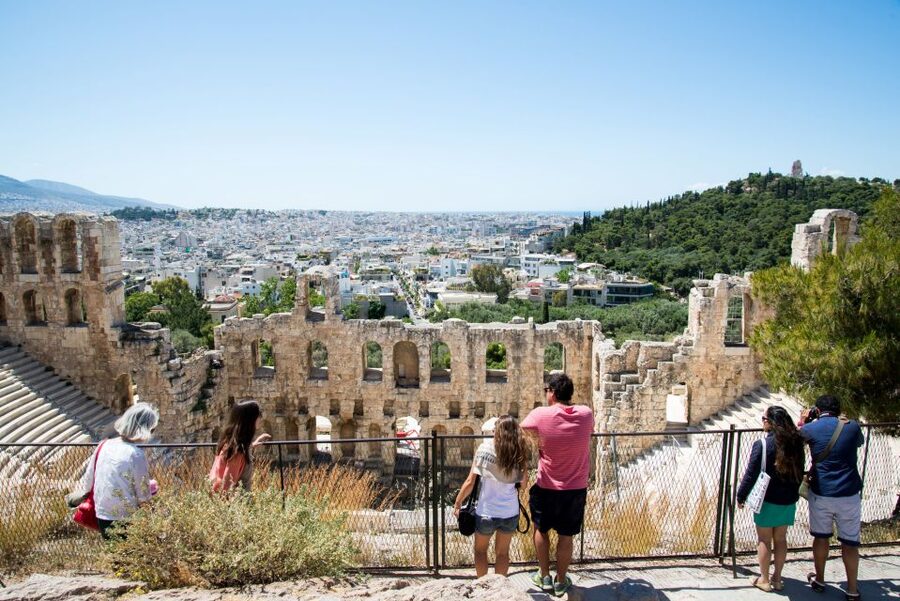
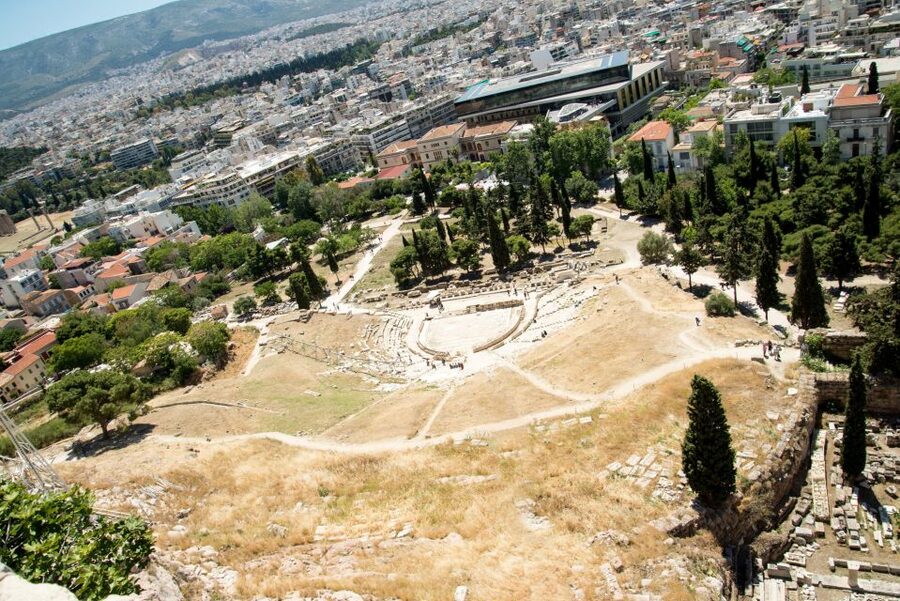
The opening portion also passes the Theater of Dionysus, often described as the first great theater of humanity. The tour connects the theater to the public life of ancient Athens, showing that the Acropolis was not only a religious center but part of a larger civic and cultural world.
You also pass the sanctuary associated with Asclepius, a place connected with healing, and the Odeon of Herodes Atticus. The latter remains one of the most recognizable structures on the southern slope. Seeing these sites before the summit helps you understand that the Acropolis is a whole complex, not just one famous temple.
The Propylaea and Temple of Athena Nike
At the top, the Propylaea forms the grand gateway to the Acropolis. Its scale gives you an immediate sense of controlled arrival: the ancient visitor moved through a monumental entrance before reaching the sacred buildings beyond.
Your guide can help you notice the practical and symbolic sides of the gateway. The Propylaea is not as instantly famous as the Parthenon, so it is easy to hurry through it. With an explanation, its columns, layout, and position become part of the main story rather than background scenery.
Nearby is the Temple of Athena Nike, sometimes explained as the Temple of Wingless Victory. Its name refers to Athena Nike, a form of the goddess linked with victory. The small temple is easy to miss among the larger buildings, but its location near the entrance makes it an important part of the Acropolis experience.
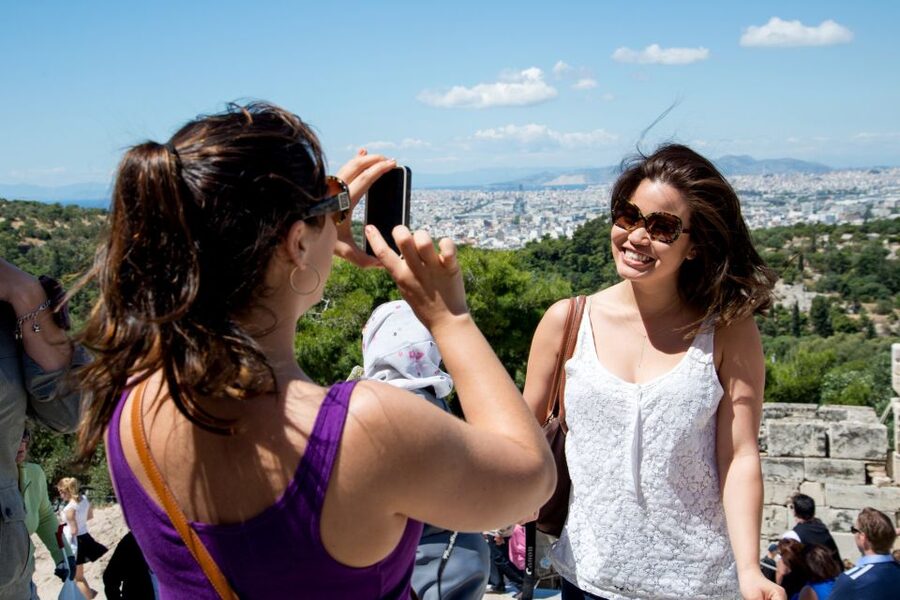
This is also a good place for photographs, though you should expect other groups and people moving through the same area. Your guide may point out good angles and can take pictures for you. Several families especially appreciated guides who helped with photos, a useful service when everyone wants to appear in the picture.
The Erechtheion and its famous Caryatids
The Erechtheion is one of the most visually distinctive buildings on the Acropolis. Its Porch of the Caryatids uses sculpted female figures in place of ordinary columns, creating one of the site’s most memorable views.
This stop rewards close attention. The Caryatids are not merely decorative supports. Their design shows how Greek architecture could combine engineering, religious meaning, and sculpture in one structure. Your guide can also explain how ancient art has been moved, preserved, copied, or damaged over time.
The Acropolis site displays copies of some famous sculptures, while original pieces are held in the Acropolis Museum or elsewhere for protection. That is one reason the museum option adds so much. The hilltop gives you the setting and the buildings. The museum lets you examine the art at close range.
The Erechtheion also helps break up the familiar image of the Acropolis. Many people arrive thinking only about the Parthenon. The Caryatids show a different side of ancient Greek design, one that feels more intricate and, in some ways, more mysterious.
More ways to see the Acropolis:
- Athens: Acropolis & up to 5 Archaeological Sites Combo Pass
★ 4.4 · 12,619 reviews - Athens: Acropolis Ticket with Optional Audio or Live Guide
★ 4.2 · 11,055 reviews - Athens: Acropolis and Parthenon Guided Walking Tour
★ 4.6 · 5,882 reviews - Athens: Acropolis Ticket with Audio Guide
★ 4.0 · 3,575 reviews
The Parthenon and Athens below
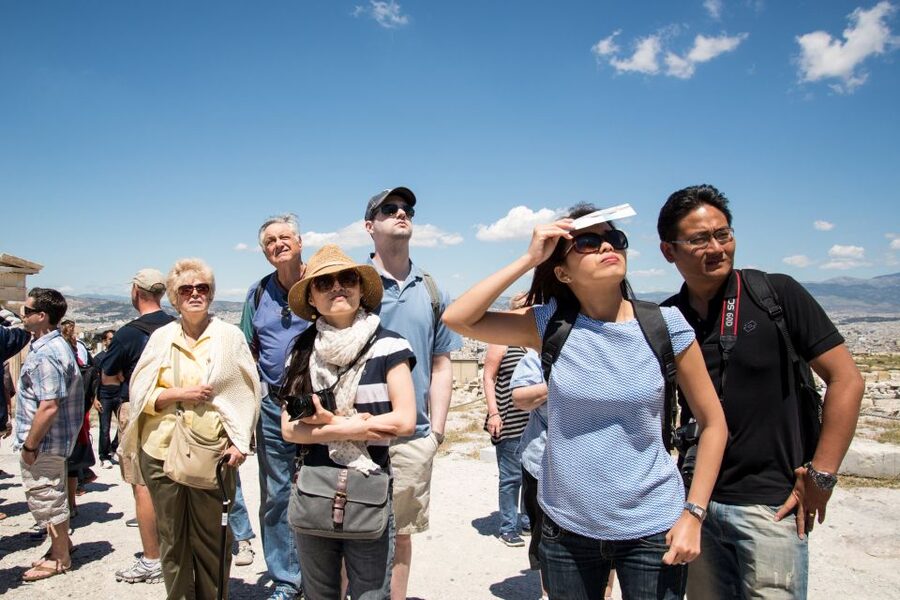
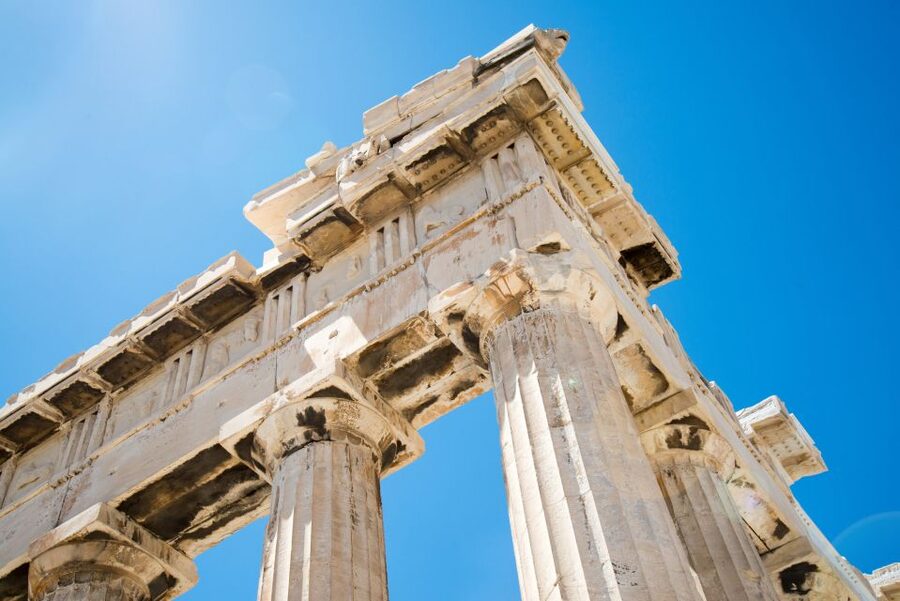
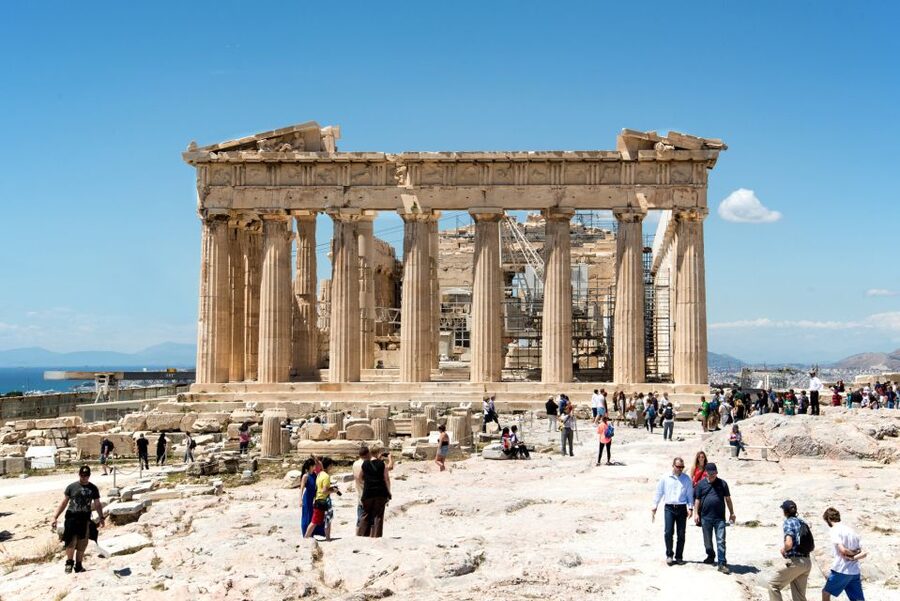
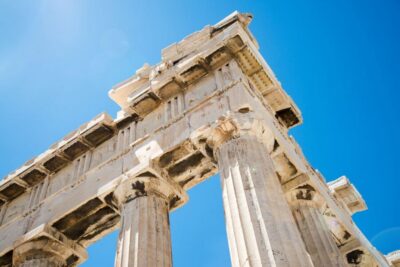
The Parthenon is the main event, but a good guide keeps it from becoming a quick photo stop. You learn about its dedication to Athena, its architectural design, its sculptural program, and the changes it has endured over more than 2,500 years.
The building is a ruin and an active conservation site, not a perfectly preserved temple. Scaffolding or restoration equipment may be visible, and some architectural pieces are missing. That is not a flaw in the tour. It is part of the monument’s present condition, and a guide helps you separate the original design from later damage and reconstruction.
The views are a major reward. From the Acropolis, you look over Athens and see how the ancient center sits within the modern capital. Bring your camera, but do not spend the entire stop behind it. The city view helps explain why this high point mattered for worship, defense, identity, and public display.
The strongest guides turn the Parthenon into a conversation. Hermes, for example, was praised for his wit, cultural observations, patience, and willingness to answer questions. Other guides, including Sophia, Elizabeth, Alina, and Thanasis, were praised for explaining history and mythology in a way that connected details to larger ideas.
That range of guide styles matters. Some guides lean toward architecture. Others focus more on mythology, philosophy, or the political life of ancient Athens. The company assigns the guide, so you cannot count on a particular person unless the booking process allows a request. Still, the repeated praise for clear storytelling and patient explanations is encouraging.
Adding the Acropolis Museum
If you have the time and budget, I recommend adding the museum. It turns the outdoor visit from a collection of magnificent ruins into a more complete lesson in ancient Athens.
The museum contains sculptures and other relics in modern galleries. Its displays help you see details that are difficult to appreciate on the hilltop, including the quality of carving, traces of decoration, and the relationship between individual sculptures and the buildings they came from.
The order of the two visits can vary. Some groups begin at the museum, then walk up to the Acropolis. That sequence can work well because you first see examples and explanations indoors, then recognize the monuments outside. Other groups visit the Acropolis first and use the museum afterward to fill in missing pieces.
A guide is especially helpful inside the museum. Without context, a gallery of marble figures can blur together. A well-planned explanation points out what deserves your attention and places each object within the story of the Acropolis.
The museum option is not available in exactly the same way every day. On Mondays, the Acropolis Museum closes at 4 p.m., so the tour instead visits the Acropolis monuments and Ancient Agora. Check the departure time and day carefully before booking.
What the guide adds to the price
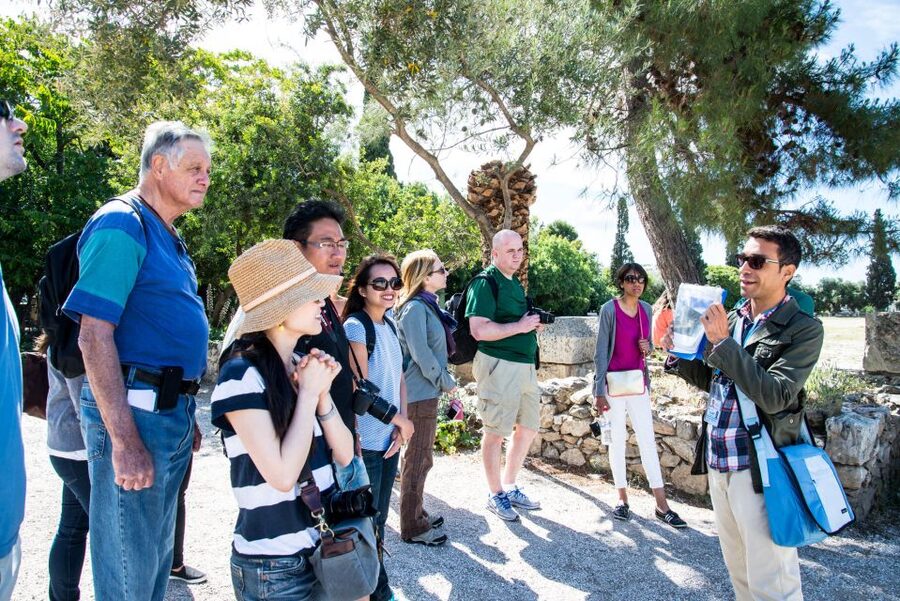
The listed price is $70 per person for the guide-led experience. Entrance fees are separate: €30 per person for the Acropolis and €10 to €20 for the Acropolis Museum. That means the total can rise quickly, especially for a family.
The price is easier to justify if you value interpretation, efficient entry, and the ability to ask questions. Several private groups described their guides as the part that made the visit meaningful. One visitor felt the guide’s teaching was worth far more than the basic admission cost. Another said the private format was worthwhile because it avoided being jostled through a large group.
The experience is less attractive if you mainly want to walk around, take photographs, and read signs at your own speed. You could save money by visiting independently, though you would give up the guide’s explanation and may spend more time working out what you are looking at.
Ticket handling requires care. The tour information says entrance tickets are not included, also advises booking through the official Acropolis ticket website in advance, and promises a way to skip the ticket line. Confirm how your chosen departure handles entry before you pay. Do not assume that the $70 includes admission.
Reduced or free admission may apply. People under 18 receive free access, and EU passport holders under 25 may also enter free. Students and anyone under 18 should carry a passport or ID card to prove eligibility.
Families, heat, and physical effort
Families are a strong match for this experience, especially if your children enjoy stories about gods, heroes, and ancient cities. Guides have kept teenagers involved, taught Greek mythology to children as young as five, and adjusted explanations when younger children began losing interest.
The private option offers the greatest flexibility. A private guide can pause for questions, shorten explanations, or spend more time on the subjects your family cares about. A standard group can still work well, but you have less control over the rhythm.
Heat deserves serious planning. The Acropolis is exposed, and summer temperatures can make the climb tiring. Morning or later-day departures may be more comfortable if available, but check the actual start times when booking. Water, a hat, sunscreen, and light clothing are practical necessities.
The site is not suitable for wheelchair users. It also does not suit anyone who struggles with steep walking, uneven stone, or prolonged standing. One past guide managed to accommodate a visitor using crutches and arranged a wheelchair, but you should not rely on that as a standard feature. Contact the operator before booking if mobility is a concern.
Large bags and luggage are not allowed, and pets and smoking are prohibited. Pack light and arrive ready to walk.
Who should book this Acropolis tour?
I would book this tour if you have only a short time in Athens, want the major monuments explained clearly, or are visiting the Acropolis for the first time. It is also a smart choice for families who want ancient history presented as stories rather than a list of dates.
The museum add-on suits you if sculpture and archaeology interest you, or if you want to understand the missing pieces of the outdoor monuments. The Acropolis-only visit is enough if your schedule is tight or your legs are already protesting after several days of sightseeing.
The tour is also useful for visitors who want help with photography and orientation. Guides have taken family pictures, waited briefly for delayed participants, and answered questions well beyond the basic script. That personal attention is a meaningful part of the value.
I would skip it if the extra ticket fees push the cost beyond your budget, if you prefer complete independence, or if you cannot manage the uphill route. The monuments remain impressive without a guide, but the stories, details, and connections are much easier to grasp with one.
FAQ
How long does the Acropolis tour last?
The activity lasts between two and four hours. The exact length depends on the option selected, the starting time, and whether you include the Acropolis Museum.
Are Acropolis and museum tickets included?
No. The Acropolis entrance ticket costs €30 per person, and the Acropolis Museum ticket costs €10 to €20 per person. Eligible visitors may receive free or reduced admission.
Where do I meet the guide?
Meet at the Athens Walks office at 5 Porinou Street, 11742 Athens. Arrive at least 15 minutes before departure, and look for the ground-floor office.
What languages are available?
Tours are offered in English, Italian, German, French, and Spanish. A private group option is also available.
What happens on Mondays when the museum closes early?
The Acropolis Museum closes at 4 p.m. on Mondays. Instead, the tour visits the Acropolis monuments and Ancient Agora.
Is the tour suitable for wheelchair users?
No. The experience is not suitable for wheelchair users because the Acropolis route includes steep and uneven walking.
Should you book it?
Book this experience if you want the Acropolis to make sense, not simply look impressive. The Parthenon, Caryatids, and city views are unforgettable on their own, but the licensed guide adds the mythology, architecture, and historical context that turns a visit into a lesson you will remember.
At $70 before admission, it is not the cheapest way up the hill. Still, the repeated praise for guides such as Hermes, Anna, Rosa, Mariza, Thanasis, and others points to the main strength: patient, lively explanation from people who can answer questions and adjust the pace. Add the museum if you want the fullest experience, and confirm ticket arrangements before arrival.
Just added around Athens
- Essential Athens Full Day Private Tour – Best Shore Excursion★ 5.0 · 168 reviews
- Athens Shore Excursion: Acropolis Walking Tour★ 4.5 · 131 reviews
- Athens Shore Excursion: Small-Group Food Tour★ 4.5 · 39 reviews
- Epidavros sea kayak at the Ancient sunken city tour, small ancient theater★ 5.0 · 96 reviews
- Athens Acropolis 2-Hour Segway Tour★ 4.8 · 97 reviews
- Classical Athens Segway Tour★ 5.0 · 114 reviews
- The History of Athens: Greek Mythology Private Tour★ 5.0 · 138 reviews
- Athens Highlights by E-Bike: Small-Group Historic Tour★ 5.0 · 131 reviews
Acropolis & Parthenon Tours, compared.
Acropolis & up to 5 Archaeological Sites Combo Pass
Read our review →
Acropolis, Parthenon & Acropolis Museum Guided Tour
Read our review →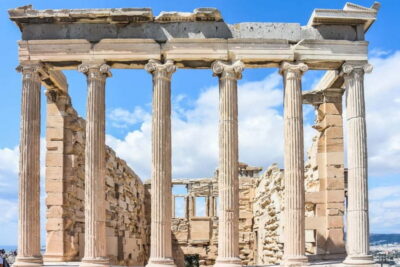
Acropolis, Parthenon & Acropolis Museum Guided Tour
Read our review →

Acropolis: Acropolis and Parthenon Guided Walking Tour
Read our review →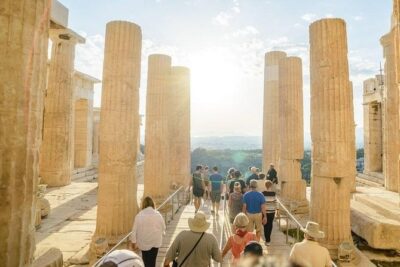
Acropolis monuments & Parthenon Walking Tour with Optional Acropolis Museum
Read our review →Browse the lists this tour appears in