
Reviewed · MYCENAE & NAFPLIO TOURS
4-Day Tour of Mycenae, Epidaurus, Olympia, Delphi & Meteora
Ancient Greece unfolds beyond Athens. This four-day coach tour links Mycenae, Epidaurus, Olympia, Delphi, and Meteora, giving you a broad look at Greek archaeology, mythology, religion, and mountain scenery without arranging several hotels and transfers yourself. I like the excellent range of sites and the way a licensed guide adds meaning to ruins that can otherwise look like piles of old stone.
I also like that the $747 price includes entrance fees, three nights in 4-star hotels, breakfast, dinner, Wi-Fi, transport, and a guide. The main drawback is the amount of time spent on the road. Some drives last four hours, Greek roads can be winding, and one departure had a group of about 60 people, much larger than expected.
In This Review
- Six things to know before booking
- Leaving Athens for the Corinth Canal
- Mycenae and the world of Agamemnon
- Epidaurus and the perfect ancient theater
- Olympia, birthplace of the Olympic ideal
- Across the Rio-Antirrio Bridge to Delphi
- Delphi, where ancient Greeks sought answers
- Kalabaka and the extraordinary rocks of Meteora
- The return through Thermopylae
- Hotels, meals, and what the price really covers
- Group size, comfort, and daily pace
- Who should book this Greek history tour?
- Should you book it?
- FAQ
- What is included in the $747 tour price?
- Are lunches included?
- Where does the tour begin?
- Which languages are available?
- What should I wear at the Meteora monasteries?
- Can I bring luggage on the tour?
Six things to know before booking
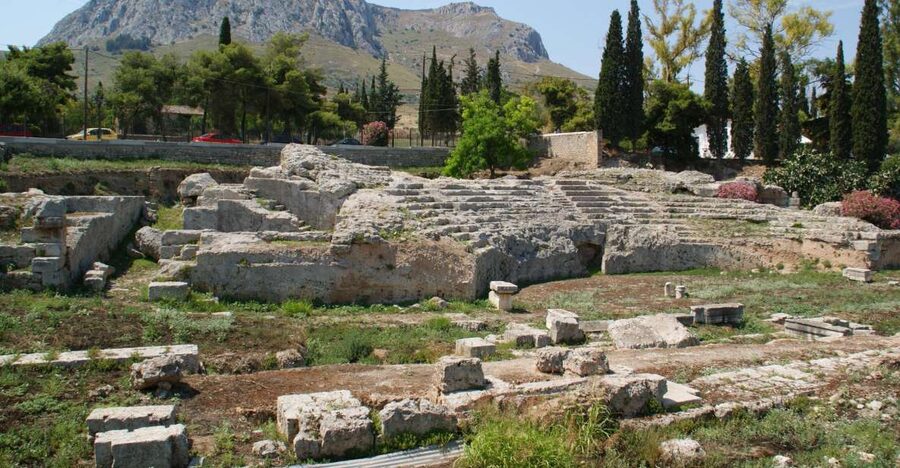
- Five major archaeological sites in four days: You visit the ancient centers of Mycenae, Epidaurus, Olympia, Delphi, and Meteora, plus Nafplio, Corinth Canal, and Thermopylae.
- The guides are the tour’s greatest strength: Guides such as Xenia, Rose, Joy, Eustasis, and Christina have been praised for making mythology and ancient history easy to follow.
- Meteora is the visual high point: Two monasteries are visited among the tall rock pillars, with modest clothing required for entry.
- The driving is substantial: Expect several long coach journeys, including about four hours from Olympia toward Delphi and another four hours from Delphi to Kalabaka.
- Meals are convenient but not a culinary highlight: Breakfast and dinner are included at the hotels, usually in buffet form. Lunches and drinks cost extra.
- Pack light and dress sensibly: You may bring one medium suitcase and one small carry-on. Comfortable shoes, sun protection, and clothing covering the knees are important.
Leaving Athens for the Corinth Canal
The tour begins from central Athens, with pickup from selected hotels between about 7:30 and 8:15 in the morning. The official departure point is Hotel Amalia Athens near Syntagma Square at 8:30. If you are staying elsewhere, check the pickup list carefully, since the coach needs suitable road access.
The first ride heads west along the coast toward the Corinth Canal. This is a short photo stop rather than a full visit, but the canal is an impressive engineering cut through the narrow Isthmus of Corinth. You get a quick look at the steep sides and water below before returning to the coach.
This early stop also gives you a useful sense of the tour’s rhythm. You will see a major sight, hear an explanation, take photographs, and then continue. It is efficient, but not leisurely.
More Mycenae and Nafplio days:
- From Athens: Mycenae, Epidaurus & Nafplio Full Day Trip
★ 4.8 · 2,438 reviews - From Athens: Mycenae, Epidaurus & Nafplio Full-Day Tour
★ 4.5 · 1,580 reviews - 4-Day Classical Greece Tour: Epidaurus, Mycenae, Olympia, Delphi, Meteora
★ 4.5 · 732 reviews
Mycenae and the world of Agamemnon
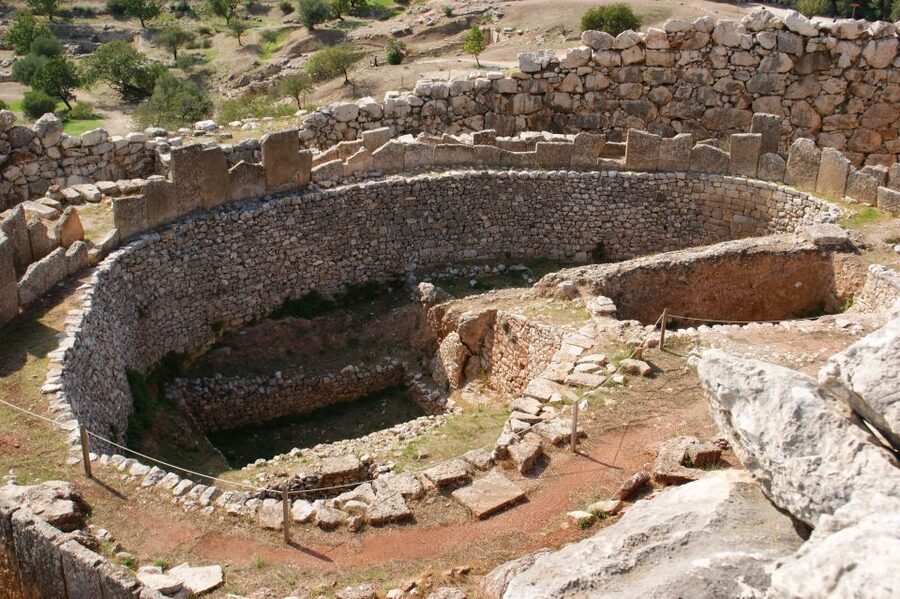
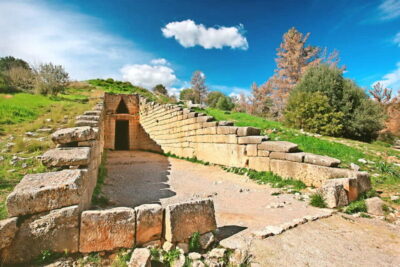
Mycenae is one of the strongest stops on the first day. The fortified citadel rises above the countryside, and its connection with Agamemnon gives the ruins a powerful place in Greek myth and literature. The ancient kingdom was already famous in Homer’s epics, and the nickname Mycenae, rich in gold, hints at its old reputation for wealth.
You visit the archaeological site with the guide for about an hour. The Lion Gate, walls, tombs, and hilltop setting help you understand how important the settlement once was. The terrain is uneven, so solid shoes matter. Bring water and a hat, especially in the warmer months.
Lunch is on your own after the visit. That gives you some choice, but the schedule means you will be stopping where the group stops rather than seeking out a carefully chosen restaurant. This is a recurring feature of the trip: the tour saves time and removes guesswork, but independent food choices are limited.
Epidaurus and the perfect ancient theater
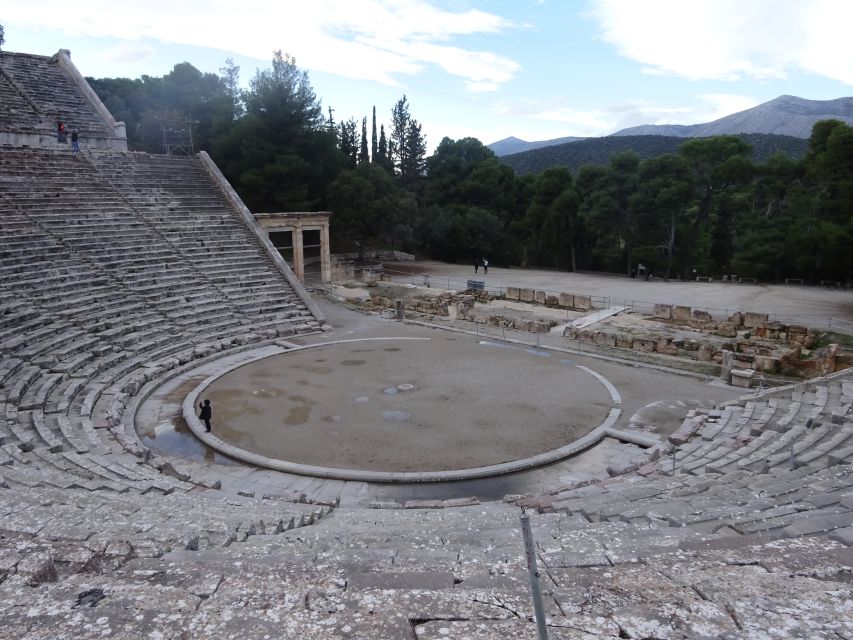
The theater at Epidaurus is a very different experience from Mycenae. Instead of fortifications and royal tombs, you encounter a remarkably preserved theater built into a natural slope. Its fame rests on its acoustics, and your guide will likely demonstrate why even a quiet voice from the stage can carry to the upper seating.
The theater visit is guided, though you also have time to look around. The stone seating and broad view across the site make this one of the easiest places to appreciate ancient Greek design. It is not just a ruin. You can still understand how the building worked.
From Epidaurus, the coach continues to Nafplio, Greece’s first capital after independence in 1829. The stop is brief, and this is one place where I would like more free time. You may get enough time to stretch your legs and see a little of the town, but not enough for a relaxed exploration.
The first night’s accommodation needs special attention when booking. The planned overnight is generally connected with Nafplio, but the schedule notes that the first night may instead be provided in Olympia. Confirm the arrangement before you travel, since it affects how you plan your evening.
Olympia, birthplace of the Olympic ideal
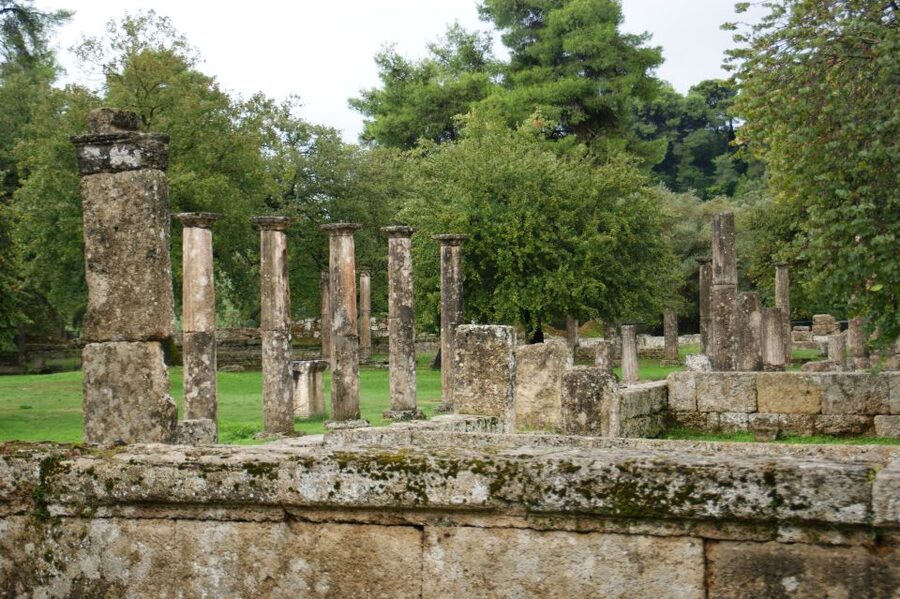
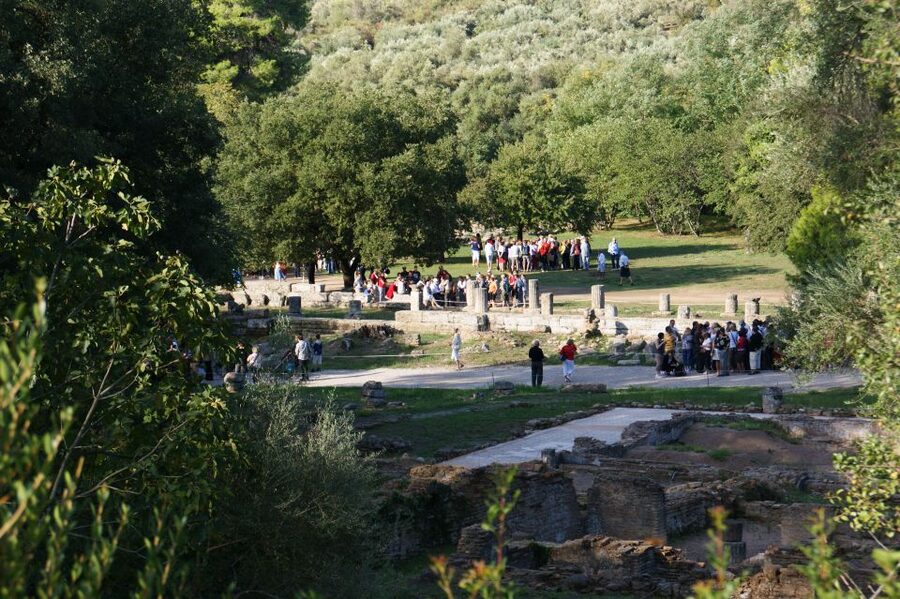
Day two centers on Olympia, the sanctuary dedicated to Zeus and the original home of the Olympic Games. This is not merely a sports museum stop. Olympia was a religious center, and the games formed part of a major festival that brought Greek communities together every four years.
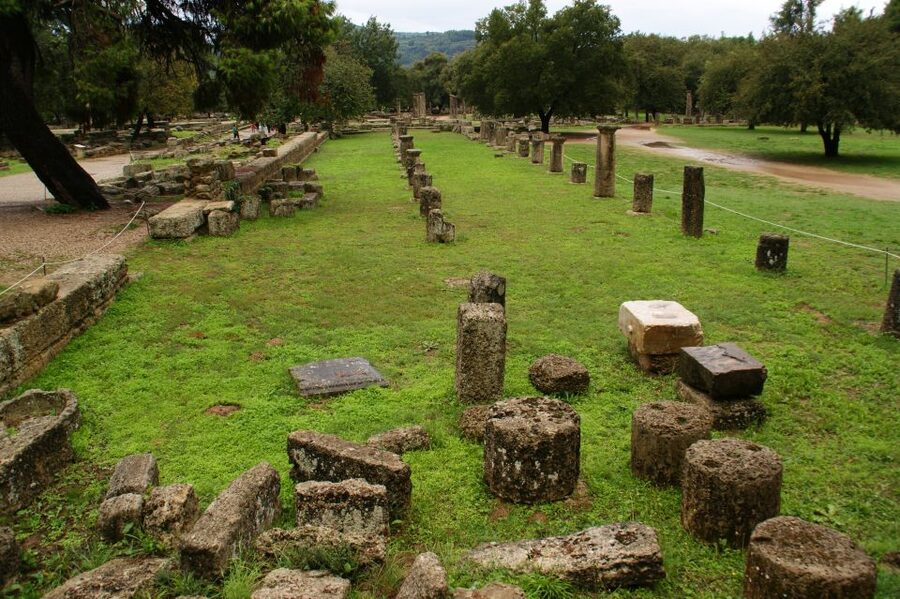
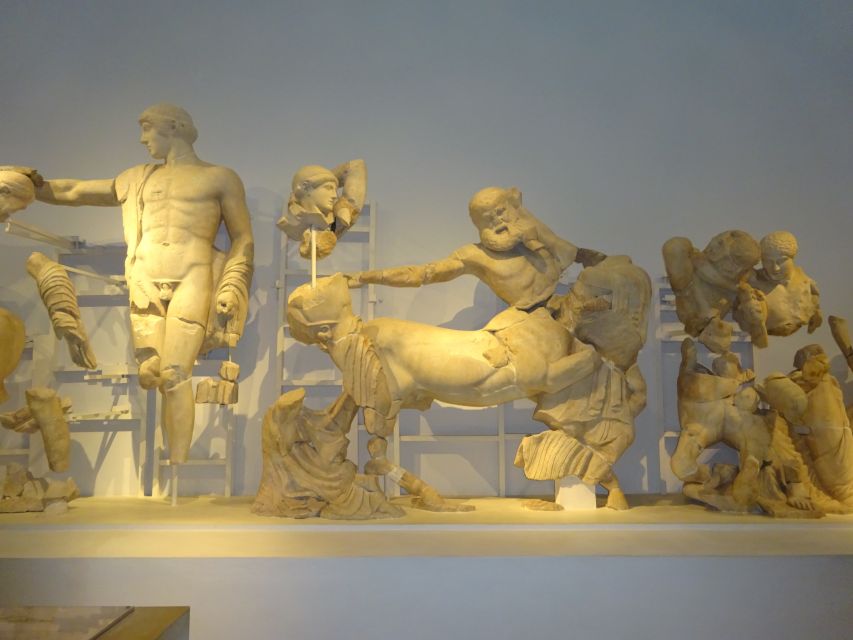
You visit both the archaeological site and the museum. The stadium is the natural focus, but the wider sanctuary gives you a better sense of the religious setting. The museum adds objects and sculpture that help fill in what the open-air ruins cannot show.
Olympia is also a good example of why the guide matters. Without context, columns and foundations can blur together. A strong guide can explain how the sanctuary functioned, why the games mattered, and how mythology shaped the site. Eustasis, Rose, Xenia, Joy, and other named guides have received especially strong praise for clear explanations, humor, and storytelling.
The hotel breakfast and dinner are included, which is useful after a full day. Food is generally described as adequate to good, with breakfasts receiving better marks than some evening buffets. If meals are a major part of your trip, keep expectations modest. The value comes mainly from convenience, not from memorable regional cooking.
More days out to Delphi:
- Athens: Mythology of Delphi, Museum and Arachova Guided Tour
★ 4.6 · 4,008 reviews - From Athens: Delphi Full Day V.R. Audio Guided Tour
★ 4.6 · 3,028 reviews - From Athens: Small-Group Delphi, Museum & Arachova Day Trip
★ 4.8 · 2,476 reviews - Delphi English Day Trip from Athens with Official Guide
★ 4.5 · 2,199 reviews
Across the Rio-Antirrio Bridge to Delphi
After Olympia, the route passes through Patras and crosses from Rio to Antirrio on the large suspension bridge. You then drive through Nafpaktos before continuing toward Delphi. The crossing is an interesting modern contrast to the ancient sites, and the coach route gives you views of western Greece along the way.
This is one of the longest travel sections. The schedule lists about four hours by coach, though the exact time depends on traffic and stops. Several people have praised the drivers for smooth, safe handling, with names such as George, Yorgos, Vassilis, Nick, and Stamatis appearing in especially positive comments.
The coach is air-conditioned and has Wi-Fi, which helps on long stretches. Still, Wi-Fi should be treated as a useful extra rather than a reason to expect uninterrupted service. If you are prone to motion sickness, bring whatever helps you, since some roads are winding.
Delphi, where ancient Greeks sought answers
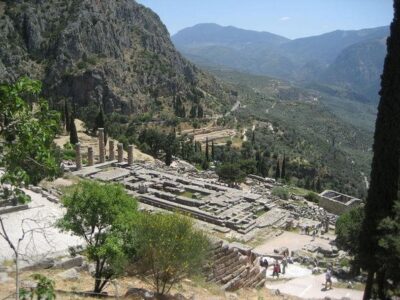
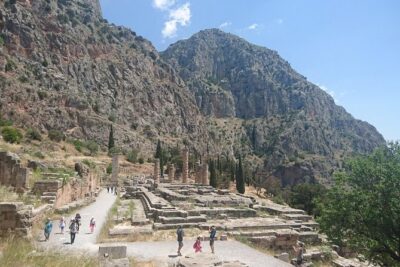
Delphi is one of the tour’s most rewarding stops. Set below Mount Parnassus between the rocks of the Phaedriades, the sanctuary was associated with Apollo and the famous oracle. Ancient Greeks regarded Delphi as the center of the world, and the site became a major religious and cultural meeting point.
You visit the archaeological site and the museum with the guide. The museum’s bronze Charioteer is the star object. It was dedicated to Apollo by Polyzalos, ruler of Gela, after a victory in the chariot race at the Pythian Games in 478 BC. The statue’s calm expression and careful detail make it one of the most memorable works in the museum.
The ruins are spread along a slope, so you should expect uphill and uneven walking. This is not a good stop for anyone who needs step-free access. The program specifically excludes people with mobility impairments, wheelchair users, and non-folding wheelchairs, so assess the physical demands honestly before booking.
Delphi also tends to be a favorite because it combines scenery, myth, and objects in one visit. You are not simply looking at stones. You can connect the mountain setting with the oracle, Apollo, athletic contests, and the political importance of the sanctuary.
Kalabaka and the extraordinary rocks of Meteora
After Delphi, the coach continues to Kalabaka for the third overnight. Again, the drive is listed at about four hours. By this point, the long rides can feel tiring, but the change in scenery prepares you for Meteora, the final major stop.
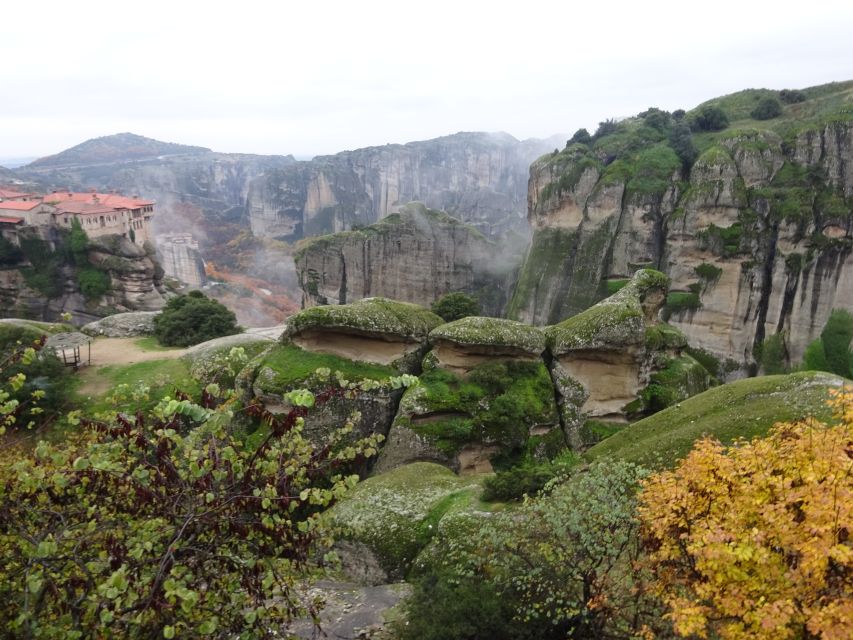
Meteora means suspended in air. The name refers to the monasteries built on top of tall rock formations. Historically, 24 monasteries formed this religious community, though the tour visits two. Monks used nets and retractable wooden ladders to reach the rocks and descend to the valleys below, where they grew crops and developed their own resources.
The setting is the reason Meteora stays with many people long after the tour ends. The monasteries appear on isolated pillars of stone, creating a sight unlike anything in the Peloponnese or at Delphi. UNESCO recognizes Meteora as an important cultural heritage site.
You should plan your clothing before this morning. Men must wear long trousers, while women need a long skirt or dress covering the knees. A long-sleeved shirt is also listed among the recommended items. Do not assume that casual shorts or short skirts will be accepted. One practical complaint about the trip was that this dress rule was not always made clear early enough, so pack suitable clothing in your day bag.
The monasteries involve steps and walking. People with mobility limitations may find the visit difficult, and the tour is not designed for wheelchair users. Comfortable shoes are essential.
The return through Thermopylae
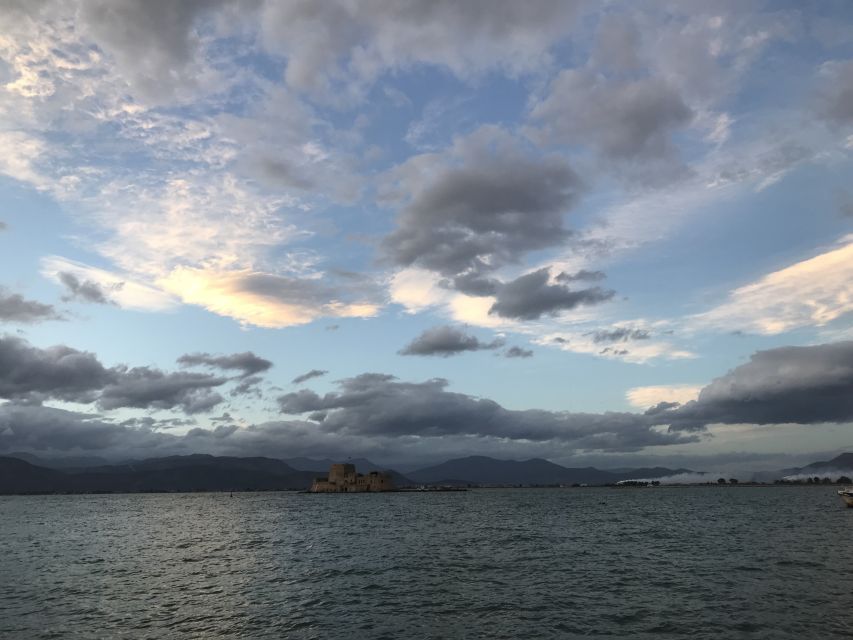
After Meteora, the coach begins the return to Athens, stopping at Thermopylae for photographs. This is a short stop, not a full archaeological visit, but the location connects the final day with one of the best-known episodes of ancient Greek military history.
You then face another substantial drive, with arrival in Athens expected around 7:00 in the evening. The drop-off service covers many central hotels, including places near Syntagma, the Acropolis, Monastiraki, and Syngrou Avenue. Traffic can affect the exact time, so avoid booking a tight evening connection.
Hotels, meals, and what the price really covers
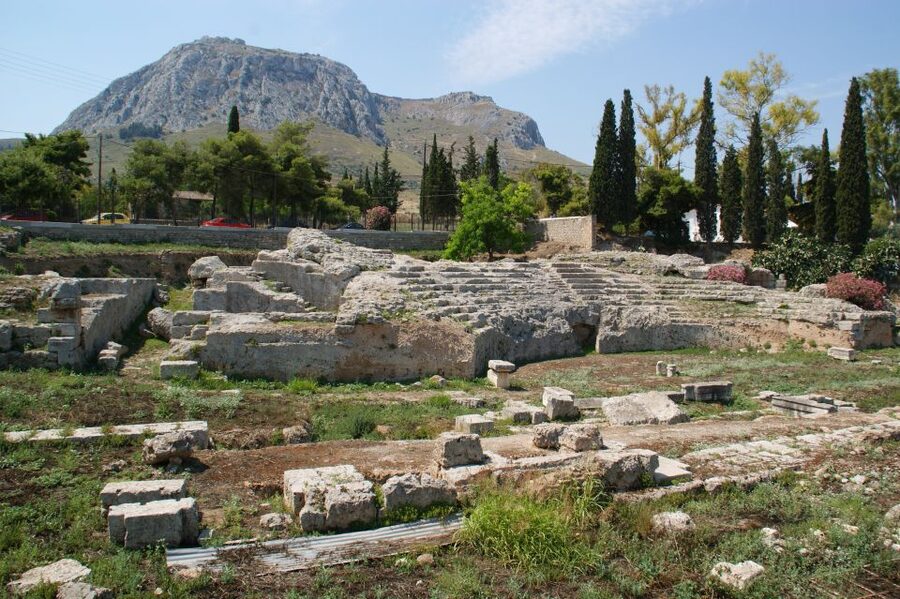
At $747 per person, this is not a budget bus ride, but the package includes a lot. You receive three nights in 4-star hotels, breakfast and dinner, attraction entry fees, a licensed guide, an air-conditioned coach, headphones at the sites, hotel Wi-Fi, and coach Wi-Fi.
Entrance fees alone can add up across five major archaeological areas and museums. Adding three hotel nights and several included meals makes the price reasonable for someone who wants a fixed program. You also avoid arranging intercity transport across the Peloponnese, central Greece, and Thessaly.
The hotel standard appears to be generally comfortable, though not perfectly uniform. Some rooms and properties receive very strong praise, while one older assessment found that hotel quality and amenities declined slightly as the journey continued. The Olympia hotel has been singled out as particularly attractive.
Meals are half-board, so lunch and drinks are extra. Breakfasts are often the stronger meal, while dinners can be repetitive buffet food. I would budget for lunches and keep an open mind about eating away from the hotel when the schedule allows.
A €10 environmental fee per room per night, introduced from January 1, 2025, is paid directly to the hotel reception. Since the charge is per room rather than clearly per person, check how it applies to your room arrangement.
Group size, comfort, and daily pace
The tour uses a coach rather than a small van. One booking had around 60 people, while earlier departures had been much smaller. Group size may therefore vary, and you should not assume a small-group experience unless the booking option states it clearly.
A larger group can mean slower boarding and more people gathering around the guide. The advantage is a lower overall price and a stable, organized schedule. Headphones are provided during attraction visits, which helps you hear explanations even when the group spreads out.
The pace is full but not frantic. You generally have time at each main site, and the guides allow independent exploration after their explanations. Still, this is a survey of ancient Greece, not a slow cultural retreat. You will cover a great deal of ground in four days.
The tour runs in English and French. On Mondays, it operates in both languages, so check the language arrangement if that matters to you. Children and students up to age 18 need a valid passport or identity card to receive discounted admission. Without the document, you may have to pay the entrance fees again.
Who should book this Greek history tour?
I would choose this tour if you have limited time in Greece and want to see the country’s major ancient sites beyond Athens. It suits people who prefer a guide, organized hotels, and included admissions over independent planning.
It is also a good match for visitors who enjoy mythology, archaeology, religion, and long scenic drives. The guides are a major asset, especially when they bring the stories of Agamemnon, Apollo, Zeus, and the Olympic Games to life. Families have enjoyed it, and older couples in their 60s have completed it, but the walking and coach time still require reasonable stamina.
I would hesitate if you dislike group travel, need a flexible schedule, or want extended time in towns such as Nafplio. I would also think twice if you have serious mobility limitations, claustrophobia, motion sickness, or a medical condition that makes long drives difficult.
Should you book it?
Book this tour if your goal is to see a large share of mainland Greece’s essential ancient and religious sites in a short period. The strongest reasons are the route, the excellent guides, included entry fees, comfortable transport, and the unforgettable setting of Meteora.
Skip it if you want slow meals, small groups, or several hours to explore each town independently. Before paying, confirm the pickup point, likely group size, first-night hotel location, language, and clothing rules for Meteora. For a first visit focused on ancient Greece, though, the $747 package offers a practical way to cover ground that would be complicated to arrange alone.
FAQ
What is included in the $747 tour price?
The price includes an air-conditioned coach, an experienced driver, a licensed guide, attraction and museum entry fees, three nights in 4-star hotels, hotel breakfast and dinner, headphones during visits, Wi-Fi on the coach and at the hotels, and pickup from selected central Athens hotels.
Are lunches included?
No. Lunches and drinks are not included, so you should budget extra for them during the four days.
Where does the tour begin?
The main departure point is Hotel Amalia Athens near Syntagma Square at 8:30 AM. Pickup from selected central Athens hotels begins between about 7:30 and 8:15 AM.
Which languages are available?
The tour is offered in English and French. On Mondays, it runs in both English and French.
What should I wear at the Meteora monasteries?
Men must wear long trousers. Women must wear a long skirt or dress that covers the knees. Comfortable shoes, a sun hat, a long-sleeved shirt, and suitable walking clothing are recommended.
Can I bring luggage on the tour?
Each participant may bring one medium-sized suitcase and one small carry-on bag. Oversize luggage is not allowed.
More 4-Day Experiences in Athens
- 4-Day Greece Highlights Tour: Epidaurus, Mycenae, Olympia, Delphi and Meteora
★ 5.0 · 79 reviews - From Athens: Explore Ancient Greece 4-Day Tour
★ 4.7 · 73 reviews
More Meteora Monastery Days
- Athens: Meteora Monasteries Day Trip with Caves and Lunch
★ 4.7 · 2,964 reviews - Athens: Meteora Monasteries Day Tour with Lunch
★ 4.8 · 2,196 reviews - Athens: Meteora Tour with Local Guide and Greek Lunch
★ 4.8 · 1,561 reviews - Athens: Meteora Monasteries, Caves & Coastal Stopovers with Lunch
★ 4.5 · 1,432 reviews
Just added around Athens
- Athens Hotels to Athens Airport Private Departure Transfer★ 5.0 · 40 reviews
- Private One-way Transfer between Athens International Airport and Athens Hotels★ 4.5 · 40 reviews
- Athens: Acropolis Museum Ticket with Self-Guided Audio tour App★ 3.5 · 40 reviews
- From Athens: Meteora Train Trip with Overnight Stay★ 4.8 · 40 reviews
- Athens Photography Tour★ 5.0 · 40 reviews
- Athens: Acropolis Visit and City Night Tour★ 4.7 · 40 reviews
- Delphi Full Day Private Trip From Athens With Lunch Overlooking the Sea★ 5.0 · 40 reviews
- Acropolis & Plaka Neighbourhood Private Tour with Licensed Expert★ 5.0 · 40 reviews
Mycenae & Nafplio Tours, compared.
4-Day Classical Greece Tour: Epidaurus, Mycenae, Olympia, Delphi, Meteora
Read our review →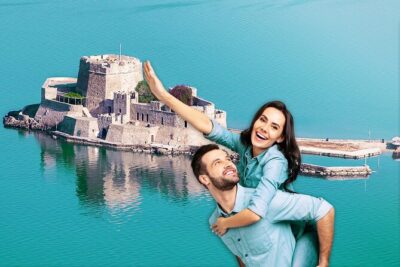
Ancient Corinth & Nafplio Full Day Trip with Swim
Read our review →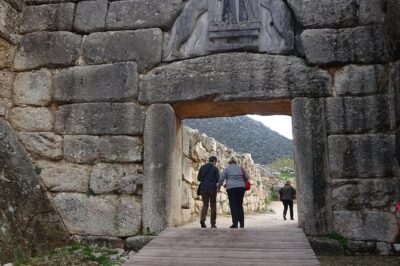
Mycenae and Nafplion Day Trip from Athens with Official guide
Read our review →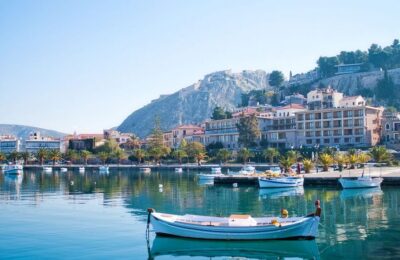
3-Day Classical Greece Tour: Epidaurus, Mycenae, Nafplion, Olympia, Delphi
Read our review →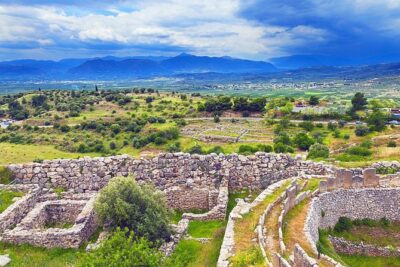
Mycenae, Epidaurus, Nafplio Full Day Private Tour from Athens
Read our review →Browse the lists this tour appears in