Reviewed · CRETE TOURS
WWII – The Battle of Crete Day Tour
History feels different when you stand where it happened. This six-hour tour from Chania follows the 1941 Battle of Crete through Maleme, Tavronitis, and two carefully maintained war cemeteries, with a local guide filling in the hard-to-see parts of the story. I especially like the small minivan format and the chance to ask questions as you go. The air-conditioned transport, bottled water, snacks, and hotel pickup also make a hot Cretan day easier.
The guides are a major strength. Yannis, Babis, Giannis, Ioannis, and Stelios are all praised for clear English, warmth, and strong command of the subject. I also like that the tour treats Cretan civilians and resistance fighters as part of the story, rather than presenting the battle only as a clash between German and Allied armies.
The main consideration is pace. Six hours covers a great deal, and one military history enthusiast found it difficult to follow the exact flow of the three-day battle from elevated viewpoints and map explanations. If you want long walks across every field or a museum-heavy day, this may feel too brief. For a guided introduction to the battle and its setting, however, it offers very good value.
In This Review
- Key points before you book
- Why the Battle of Crete is worth a day of your holiday
- Starting in Maleme, where the invasion took shape
- Tavronitis Bridge and the importance of seeing the ground
- The German Military Cemetery and the cost of the battle
- Souda Bay War Cemetery and stories of evacuation
- The private collection that adds an unusual personal touch
- What the guide contributes to the day
- Transport, group size, and comfort in Crete
- Is $114.89 a fair price?
- Who should book this tour?
- Booking, cancellations, and weather
- Should you book the Battle of Crete tour?
- FAQ
- How long is the WWII: Battle of Crete tour?
- What time does the tour start?
- Where does the tour begin and end?
- Which historical sites are included?
- Is transportation included?
- Is the tour conducted in English?
- What is included in the price?
- What happens if the weather is poor?
Key points before you book
- Maleme puts you at the center of the opening attack: This was a key area in the German airborne invasion, and the tour begins here.
- Tavronitis Bridge adds a clear physical landmark: You get time to visit this historic bridge rather than seeing it only from the road.
- The two cemeteries give the day a quieter human focus: The German Military Cemetery and Souda Bay War Cemetery show the cost of the fighting from different sides.
- Guides make the complicated battle easier to follow: Yannis, Babis, Giannis, Ioannis, and Stelios are praised for storytelling, patience, and answers to detailed questions.
- A private military collection may be a highlight: The visit can include a collector’s home with battlefield memorabilia and historic firearms, an unusual addition to a standard sightseeing day.
- The small group limit matters: With no more than 15 people, you have a better chance to hear the guide and ask questions than on a large coach tour.
Why the Battle of Crete is worth a day of your holiday
The Battle of Crete was not just another stop in a long WWII timeline. Crete became the setting for a major German airborne assault, Allied defense, local resistance, evacuation, and imprisonment. The fighting affected soldiers from Greece, Britain, New Zealand, Australia, and other Commonwealth countries, as well as German and Italian forces and Cretan civilians.
That mix is what gives this tour its value. You are not simply taken to a monument, handed a date, and sent back to the minivan. The guide connects the places to the wider conflict and explains how the local resistance shaped the experience of the invasion.
You do not need to arrive as a military historian. Several guides are praised for making the subject easy to understand, even for people with only a casual interest in WWII. At the same time, the tour can satisfy serious students who have read books about the battle or followed the stories of figures such as Patrick Leigh Fermor.
I would still suggest reading a short account before you go. One useful comment about the day was that a basic understanding of the battle made the stops easier to place. The guide provides maps and explanations, but the action moved quickly and involved several locations. A little preparation helps the pieces fit.
More things to do in Crete:
- From Kissamos Port: Boat Cruise to Balos Lagoon & Gramvousa
★ 4.2 · 6,755 reviews - Crete: Day Trip to Agios Nikolaos and Spinalonga Island
★ 4.6 · 4,416 reviews - From Chania: Full-Day Samaria Gorge Trek Excursion & Guide
★ 4.6 · 3,191 reviews
Starting in Maleme, where the invasion took shape
The tour starts in Maleme, with about 50 minutes allocated to the stop. This is an important choice. Rather than beginning with a general lecture in Chania, you get straight to one of the principal areas connected with the German airborne assault.
Maleme helps you understand why the location mattered. The airfield and surrounding ground were central to the German effort to bring in reinforcements. The guide uses the setting to explain the opening phase, the positions held by Allied forces, and the pressure placed on defenders during the first days.
The value here is not grand architecture. Much of the military story is read through terrain, viewpoints, maps, and the guide’s explanation. If you expect trenches, preserved buildings, or a large museum at every stop, adjust your expectations. This is a site-based history tour, and the guide does much of the interpretive work.
A good guide makes a real difference at Maleme. Yannis and Babis are often praised for bringing the events to life without turning the day into a dry lecture. Their ability to answer questions about the battle, Crete, and local life gives this stop more depth than a quick independent visit.
Tavronitis Bridge and the importance of seeing the ground
The next stop is Tavronitis Bridge, with around 40 minutes to visit. The bridge provides a tangible point in the story, which can be useful after hearing about troop movements and strategic decisions.
This is where the tour’s minivan format earns its keep. You can move between sites in the Chania region without arranging separate buses, rental-car parking, or your own route through places that may be easy to miss. The driver and guide also help link one stop to the next.
The bridge is not presented as an isolated sight. It belongs to the wider chain of positions around western Crete. You will hear how the area fit into the battle and why control of roads, bridges, airfields, and coastal access mattered.
The limitation is that the tour does not offer unlimited time at each location. Forty minutes is enough for an explanation, a look around, and photographs, but not for a long independent exploration. I would keep your camera ready and listen closely before wandering off, since the guide’s position and map explanation are part of what makes the stop useful.
The German Military Cemetery and the cost of the battle
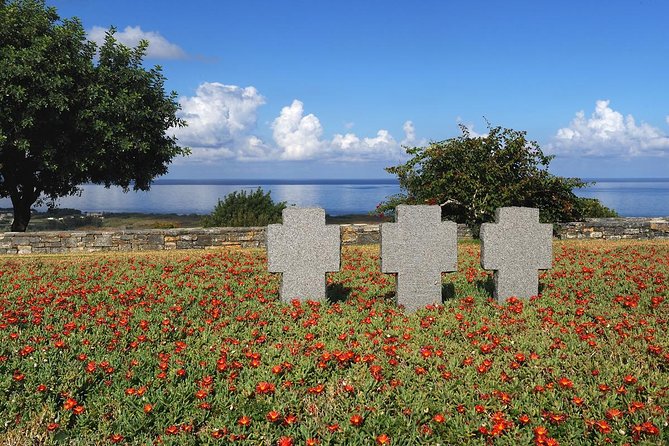
The German Military Cemetery receives about 30 minutes. This is a quieter part of the day, and it changes the tone from troop movements and strategy to loss and remembrance.
A visit here gives you a chance to consider the German side of the conflict without excusing the occupation or ignoring the suffering of Cretan civilians. The best guides handle this balance with care. The tour’s strongest comments repeatedly point to an approach that includes German, Allied, Greek, and local perspectives.
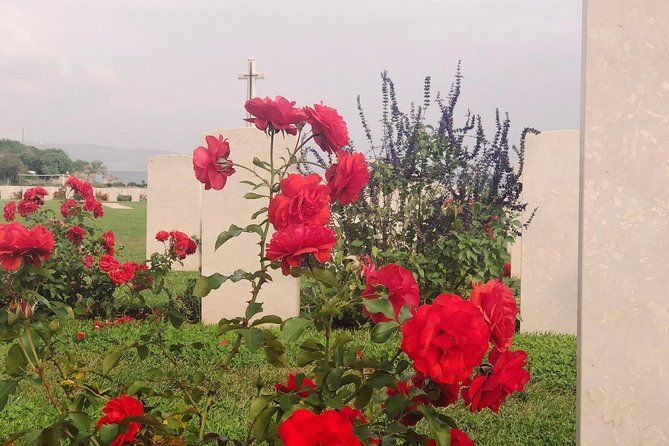
The cemetery also helps put numbers and military labels into human terms. Names, graves, and the physical order of the site can make the scale of the fighting more understandable than a map alone.
You should expect a respectful stop, not an entertainment venue. If you want a day packed with action and artifacts, this section may feel subdued. I find that the pause is necessary. The battle was not only a set of maneuvers, and the cemetery makes that clear.
A completely different sort of day out in Crete:
- Agios Nikolaos: Boat Trip to Spinalonga with Swim Stop
★ 4.4 · 3,031 reviews - Heraklion: Dia Island Sailboat Cruise with Swimming and Meal
★ 4.8 · 2,579 reviews - Crete: Knossos Palace Entry Ticket with Optional Audio Guide
★ 3.9 · 2,251 reviews - Heraklion Area: CRETAquarium Admission Ticket
★ 4.4 · 2,055 reviews
Souda Bay War Cemetery and stories of evacuation
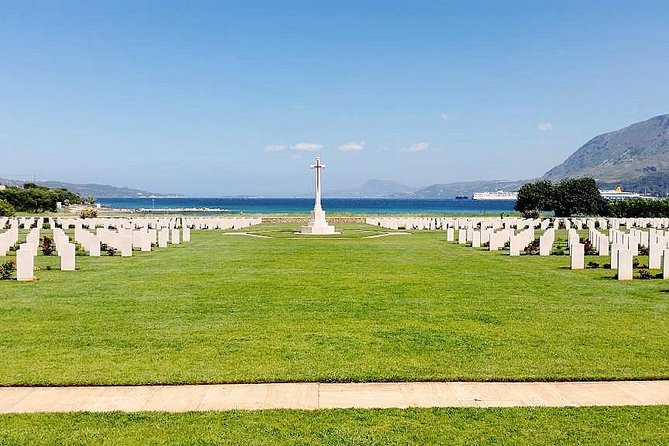
The final listed stop is Souda Bay War Cemetery, also allocated about 30 minutes. This is the British Commonwealth cemetery, and it brings the day to a fitting close by focusing on Allied personnel and the wider Commonwealth contribution.
The site can be particularly meaningful if your family has a connection to the campaign. One person joined the tour to understand where a grandfather had reached the ships and survived evacuation from Crete. That kind of family link can turn a general historical outing into a personal act of remembrance.
The cemetery also helps explain that the Battle of Crete continued beyond the first clash at Maleme and Tavronitis. Evacuation, capture, imprisonment, and resistance were all part of the experience. Your guide can use the setting to connect battlefield events with what happened to soldiers and civilians afterward.
A few people have described unusual moments at Souda Bay, including an unexpected Greek Air Force flypast. You should not book the tour expecting this, since it is not a scheduled feature. If it happens, it is a memorable end to a solemn stop.
The private collection that adds an unusual personal touch
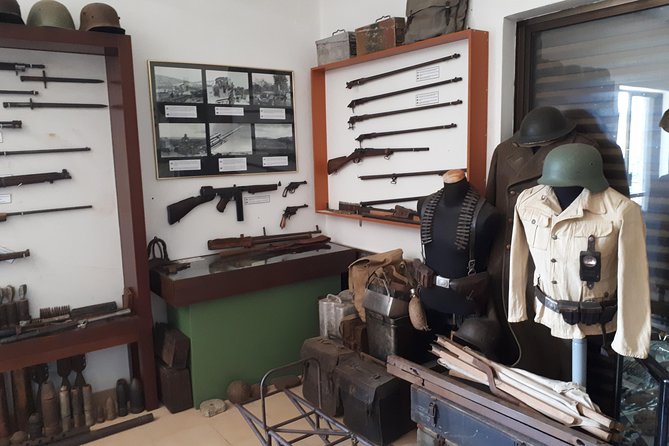
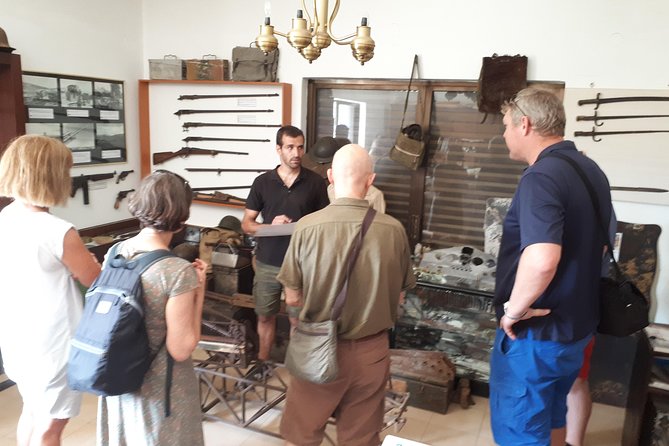
A distinctive feature of this experience can be a visit to a local collector’s home or private collection of WWII memorabilia. This is not listed as one of the four main stops, so I would confirm the exact plan when booking. Still, it has been a major highlight for many people who experienced the tour.
The collection gives the history a personal connection. Instead of seeing only official memorials, you may encounter objects gathered from the battle areas and hear the collector’s own account of the period and the artifacts.
Some descriptions mention being shown Lee Enfield rifles with bayonets and Tommy guns. This is unusual and memorable, but it is also worth keeping in mind that the experience is about viewing historic military items, not handling equipment as part of a shooting activity.
For someone with a family connection to the battle, the collection can add emotional weight. For a casual visitor, it may be the moment when the subject shifts from textbook history to something tangible and close at hand.
What the guide contributes to the day
The guide is the heart of this tour. The company uses different guides, so your experience will depend partly on who is assigned. Names praised in the feedback include Yannis, Giannis, Ioannis, Babis, and Stelios.
The common strengths are clear: strong English, enthusiasm, patience, and the ability to explain a complicated campaign in ordinary language. Babis is praised for combining detailed military knowledge with humor. Giannis is described as empathetic and willing to answer many questions. Yannis receives repeated praise for storytelling and passion.
That matters because the sites themselves do not always explain what happened. You may be looking across a road, bridge, cemetery, or open area without obvious signs of battle. The guide supplies the structure, points out what to notice, and explains how the locations relate to each other.
The experience can also become personal. One guide helped a visitor piece together the movements of a father who had been captured on Crete. Another included wider information about Cretan life and the island’s natural environment. If you are curious, ask questions. The small group setting gives you a better chance to do so.
Transport, group size, and comfort in Crete
Pickup and drop-off are included from specific places in the Chania region. The tour begins at 9:00 am and returns to the meeting point after about six hours.
Transport is by air-conditioned minivan or minibus, with a maximum group size of 15. That is a practical middle ground. You avoid the work of driving and navigating, but you are not packed into a large sightseeing coach.
Crete can be hot, especially around exposed historical sites. Bottled water and snacks are included for each person, and the air conditioning is more than a minor comfort. One particularly positive account also mentions lunch, but lunch is not clearly listed among the standard inclusions, so do not assume a full meal unless the operator confirms it.
The small group also helps with questions and photographs. It cannot guarantee a private tour, but it should feel more personal than a large bus outing. Pickup is available only from specified places in the Chania region, so check that your hotel or accommodation qualifies.
Is $114.89 a fair price?
At $114.89 per person, this is not the cheapest way to see a few war cemeteries. It is also more than a simple taxi outing. The price includes transport, entrance fees, an English-speaking local driver and escort, snacks, bottled water, taxes, and pickup and return from eligible Chania locations.
The value comes from the interpretation. You are paying to connect several sites, hear the story in sequence, and avoid spending time working out how to reach Maleme, Tavronitis, and Souda Bay yourself. The private collection, when included, adds another layer that would be difficult to arrange independently.
I consider the price fair for someone seriously interested in WWII, family military history, or modern Cretan history. It is less compelling if you only want a general half-day outing and have no interest in the subject. The tour is regularly booked well ahead, with an average booking time of about 41 days, so planning early is sensible during busy periods.
Who should book this tour?
I would choose this tour if you fall into one of these groups:
- You have a family connection to the Battle of Crete.
- You have read about the campaign and want to understand the physical setting.
- You want a serious history outing without renting a car.
- You enjoy small groups and asking detailed questions.
- You want to understand Cretan resistance and civilian suffering alongside military events.
- You are new to WWII history but prefer a guide who can explain the basics clearly.
I would hesitate if you want extensive walking across open battlefields, long museum visits, or a fully chronological military simulation. The day uses viewpoints, maps, cemeteries, bridges, and guided explanations. That is effective, but it requires attention and imagination.
Most people can participate, and the tour is near public transportation. Still, the supplied information does not give detailed accessibility specifications, so ask the operator about your particular needs before booking.
Booking, cancellations, and weather
Confirmation is provided when you book, and free cancellation is available up to 24 hours before the 9:00 am start time. Changes or cancellations inside that 24-hour window are not accepted for a refund.
The tour requires good weather. If poor weather forces cancellation, you will be offered another date or a full refund. The experience also requires a minimum number of participants, so a cancellation for that reason brings the same choice of another date, another experience, or a full refund.
Should you book the Battle of Crete tour?
Yes, if you want a thoughtful, well-guided look at one of WWII’s most important campaigns in Crete. The strongest reasons to book are the expert local guides, the compact route, the two cemeteries, and the chance to visit a private military collection.
Go in with realistic expectations. You will not spend the whole day walking through preserved trenches, and the battle’s movements may take concentration to follow. Read a little beforehand, keep asking questions, and allow the guide to connect the sites. At $114.89, the tour earns its price through access, transport, and explanation rather than through a long list of attractions. For history-minded visitors based in Chania, it is a worthwhile and moving half-day.
FAQ
How long is the WWII: Battle of Crete tour?
The tour lasts approximately six hours.
What time does the tour start?
The scheduled start time is 9:00 am.
Where does the tour begin and end?
Pickup is provided from specific places in the Chania region, and the experience ends back at the meeting point.
Which historical sites are included?
The main listed stops are Maleme, Tavronitis Bridge, the German Military Cemetery, and Souda Bay War Cemetery.
Is transportation included?
Yes. Transport is provided by air-conditioned minivan or minibus, with pickup and drop-off from eligible places in the Chania region.
Is the tour conducted in English?
Yes. It is offered in English and includes an English-speaking local driver and escort.
What is included in the price?
The price includes entrance fees, transport, snacks, bottled water, taxes, fees, handling charges, and pickup and drop-off from specified Chania locations.
What happens if the weather is poor?
If the tour is canceled because of poor weather, you will be offered a different date or a full refund.
Just added around Crete
- Lasithi –Plateau Traditional Vilages★ 5.0 · 40 reviews
- The Palace of Knossos with Skip-the-Line Ticket★ 5.0 · 40 reviews
- From Chania: Preveli Palm Beach Day Tour★ 4.3 · 40 reviews
- Chania Morning Catamaran Cruise with Premium Lunch & Drinks★ 5.0 · 40 reviews
- Private South Crete Full-Day Tour-Spili, Kourtaliotiko & Preveli★ 5.0 · 40 reviews
- Stand-up Paddleboard Lazareta Experience Chania Crete (tour)★ 5.0 · 41 reviews
- Kissamos: Balos and Gramvousa Private Sailing Trip with Meal★ 4.8 · 41 reviews
- Knossos & Archaeological Museum Shared Guided Tour from Chania★ 5.0 · 41 reviews
Crete Tours, compared.
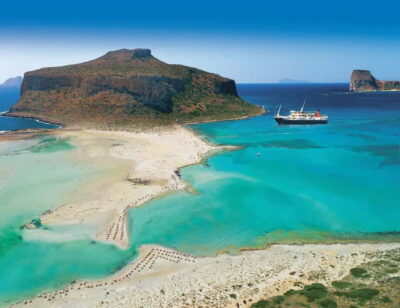
From Kissamos Port: Boat Cruise to Balos Lagoon & Gramvousa
Read our review →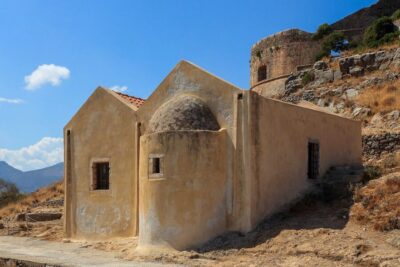
Day Trip to Agios Nikolaos and Spinalonga Island
Read our review →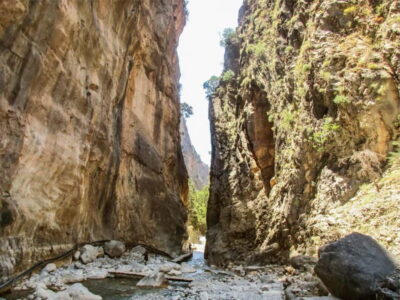
Full-Day Samaria Gorge Trek Excursion & Guide
Read our review →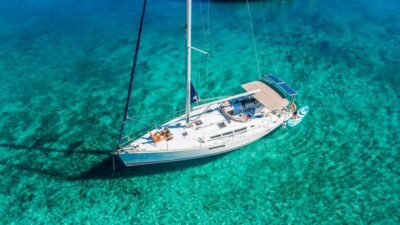
Dia Island Sailboat Cruise with Swimming and Meal
Read our review →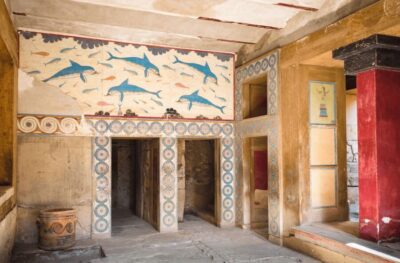
Knossos Palace Entry Ticket with Optional Audio Guide
Read our review →