
Reviewed · KNOSSOS PALACE TOURS
Knossos Palace Skip-the-Line Ticket & Private Guided Tour
Ancient Crete rewards curious visitors. This private Knossos Palace tour makes the sprawling Minoan site easier to understand, with fast entry and a licensed archaeologist leading the way through its courtyards, storerooms, stairways, and ceremonial spaces. I especially like the small-group format and the guide’s use of old photographs to show how the palace may once have looked.
I also like the choice of tour times. A 9 a.m. start can help you beat the heat and crowds, while late afternoon brings softer light and a quieter visit. The main drawback is the price: at $247 per group of up to two, it is a premium experience, and the 1.5-hour tour may feel short if you want a slow, independent look afterward.
In This Review
- Key points about the Knossos Palace tour
- Why Knossos matters beyond the famous Minotaur
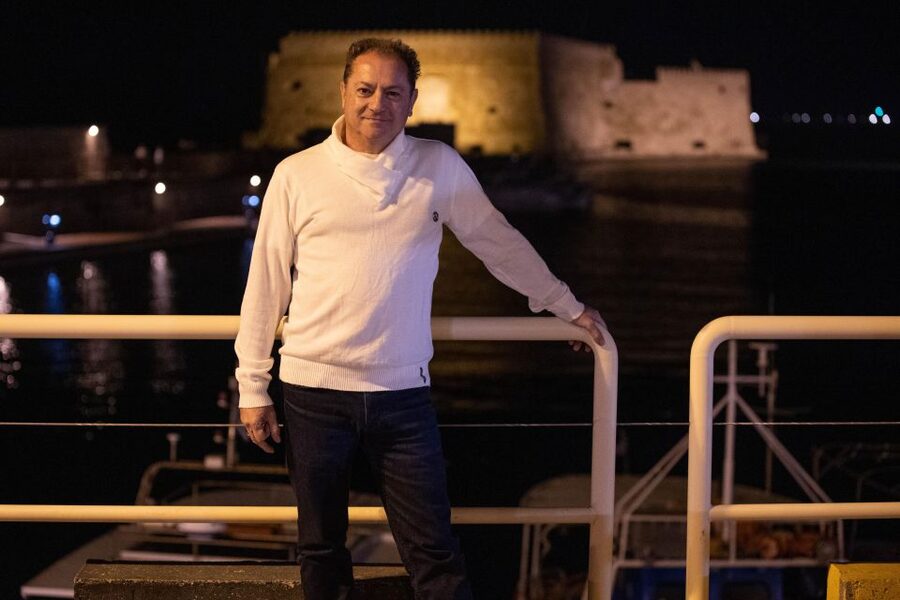
- Meeting Vangelis at the palace entrance
- Walking through the 1.5-hour itinerary
- The restoration question at Knossos
- Choosing between 9 a.m. and late afternoon
- Is $247 good value for two people?
- Who will get the most from this visit?
- Practical advice before you book
- Should you book the Knossos Palace private tour?
- FAQ
- Where does the tour meet?
- How long does the tour last?
- What does the ticket include?
- What languages are available?
- Is the tour private?
- Can children join for free?
- Is the tour suitable for wheelchair users?
Key points about the Knossos Palace tour
- Fast entry at the front entrance: Your pre-booked ticket lets you avoid the ticket line, though you still meet your guide at the palace entrance and pass through the normal site controls.
- A private tour with an archaeologist: Vangelis Alefantinos receives the strongest praise, while Stella and Manos are also noted for clear, engaging tours.
- Excellent help with the restored ruins: Guides explain the difference between ancient remains, modern restoration, and reconstructions, an important issue at Knossos.
- Timing changes the experience: Early morning is cooler and often quieter, while late afternoon can offer fewer people and beautiful light.
- Useful for families: Guides have kept children and teenagers involved, and the private format allows you to ask questions or request a gentler pace.
- Bring sun protection: Much of the palace is outdoors, with limited shade, many stairs, and uneven walking surfaces.
Why Knossos matters beyond the famous Minotaur
Knossos is often introduced through the myth of the Minotaur and the labyrinth. That story is part of the fun, but the site is more interesting when you see it as a large center of Minoan life, administration, storage, ritual, and trade.
Settlements here reach back to the Neolithic period, with remains on Crete dating to around 7000 BC. The palace you visit was built mainly between 1700 and 1400 BC, during a period when Minoan society used advanced building methods and organized a remarkably large complex.
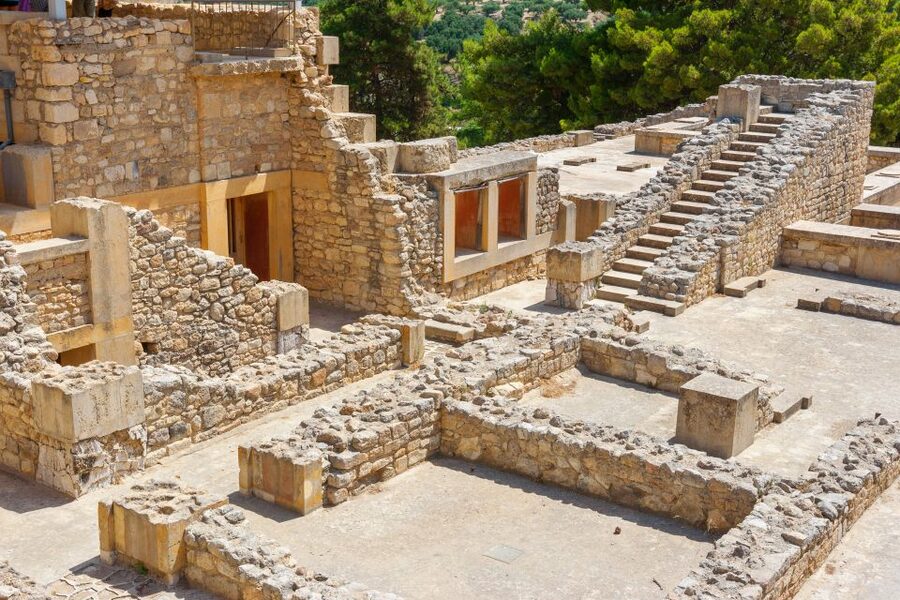
The scale is hard to grasp from a casual walk. The palace once included about 1,300 rooms linked by corridors. Some sections rose as high as five stories, and the complex included a theater and extensive storerooms.
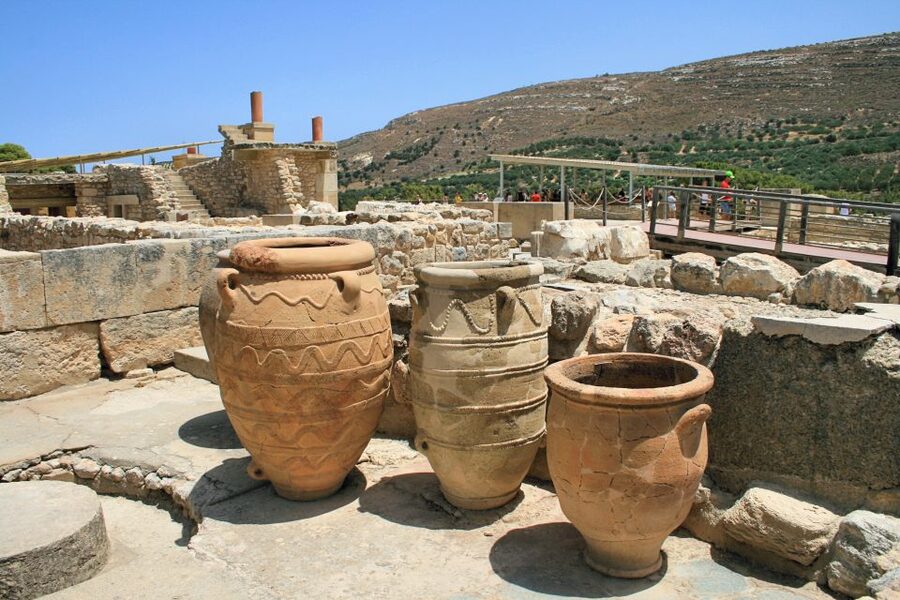
Those storerooms are one of the best reminders that Knossos was not simply a royal residence. Large clay containers held oil, grains, dried fish, beans, and olives. Some containers reportedly concealed gold, adding a little drama to what might otherwise seem like a practical storage area.
A guide helps you connect these plain stone remains with the society that used them. Without that context, it is easy to see a wall, a stairway, and a patch of painted plaster without understanding why each mattered.
More Knossos and Minoan palace days:
- Crete: Knossos Palace Entry Ticket with Optional Audio Guide
★ 3.9 · 2,251 reviews - Crete: Palace of Knossos E-Ticket and Audio Guide
★ 3.8 · 1,540 reviews - Knossos: Knossos Palace Skip-the-Line Guided Walking Tour
★ 4.8 · 1,380 reviews
Meeting Vangelis at the palace entrance
The meeting point is simple: the front entrance of Knossos Palace. You do not get hotel pickup or transportation with this activity, so you need to make your own way to the site and arrive ready to find the guide.
The guide meets you at the entrance, and visitors have specifically appreciated prompt meetings with a sign showing the booking name. That small detail matters at a busy archaeological site, especially if several groups are gathering at once.
The included ticket covers entry to the palace and lets you skip the ticket line. This does not mean you can ignore every entrance procedure, but it removes the most obvious delay and gets the tour moving quickly.
The private format is the real advantage here. You are not trying to hear a guide over a large crowd or waiting while a stranger asks a long question. You can ask about Minoan customs, palace design, archaeology, mythology, or the difference between original material and restored sections.
Vangelis Alefantinos is the guide most often praised in the supplied feedback. His approach combines archaeological detail, historical explanation, stories, and photographs. Several people describe him as especially good at showing images of the palace as it may have appeared before time and excavation changed it.
Other guides named in the feedback include Stella and Manos. Stella is praised for patience, clear explanations, and attention to shade. Manos is noted for strong English and for placing the site, people, and culture within a wider historical setting.
The listed guiding languages are English, German, Italian, Russian, and Greek. Confirm your preferred language and starting time when booking, since availability can vary.
Walking through the 1.5-hour itinerary
The tour lasts 1.5 hours, so expect a focused route rather than an unhurried day at the archaeological site. Your guide leads you through the principal areas, explains what you are seeing, and keeps the story moving from one section to the next.
A good guide will first give you a basic picture of Minoan Crete and the palace’s place within it. That introduction is useful because Knossos can otherwise feel like a maze of foundations and reconstructed walls.
As you move through the remains, the guide explains how the rooms connected and why the complex required such careful planning. The corridors and levels suggest a building that was far more organized than the surviving fragments might first indicate.
The storerooms help make the palace’s practical side clear. You learn how food and oil were stored, and why large clay containers were central to the running of the complex. This is the kind of detail that turns a stone room into a working part of an ancient community.
The theater area provides another change of scale. It helps you think about shared ceremonies, public gatherings, and the social life of the palace rather than focusing only on rulers and mythology.
You will also hear about the Minoan civilization itself, including customs, art, and the wider story of Crete. Guides have connected what visitors see at Knossos with objects displayed in Heraklion’s archaeological museum, so adding that museum to your Crete plans can make the palace visit more rewarding.
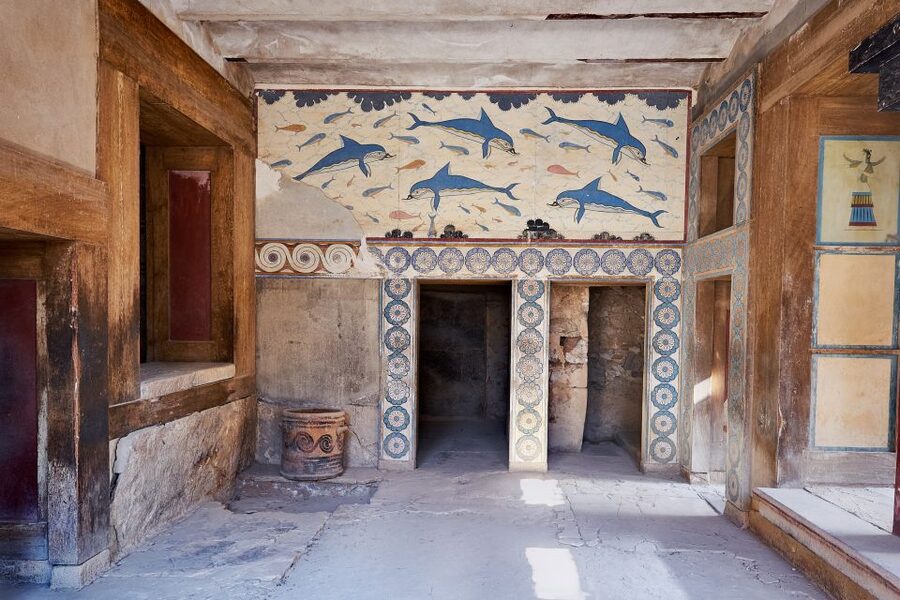
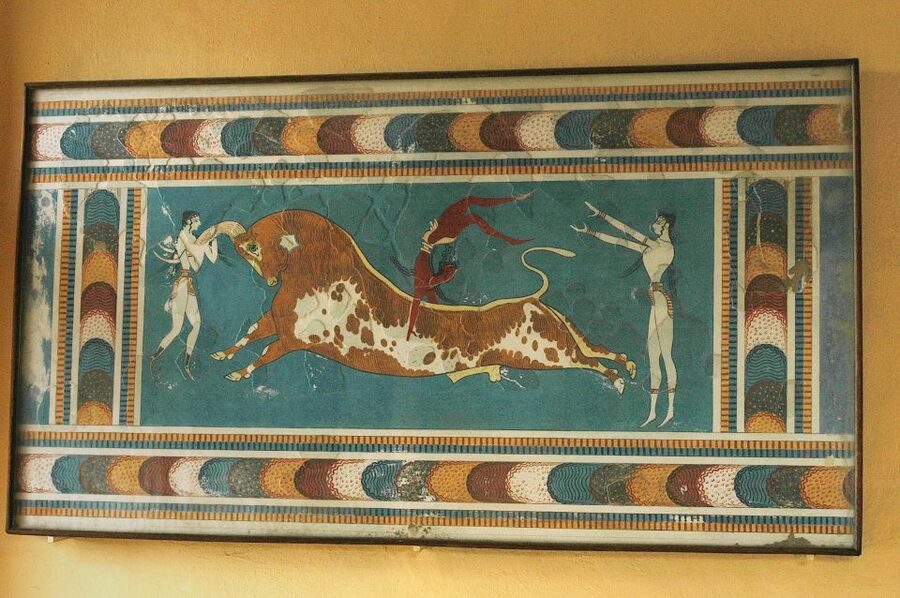
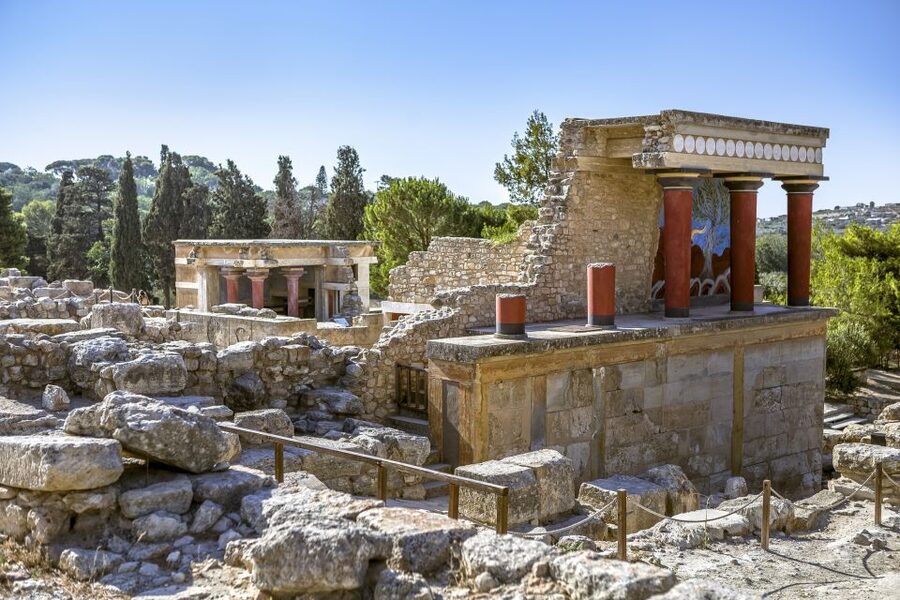
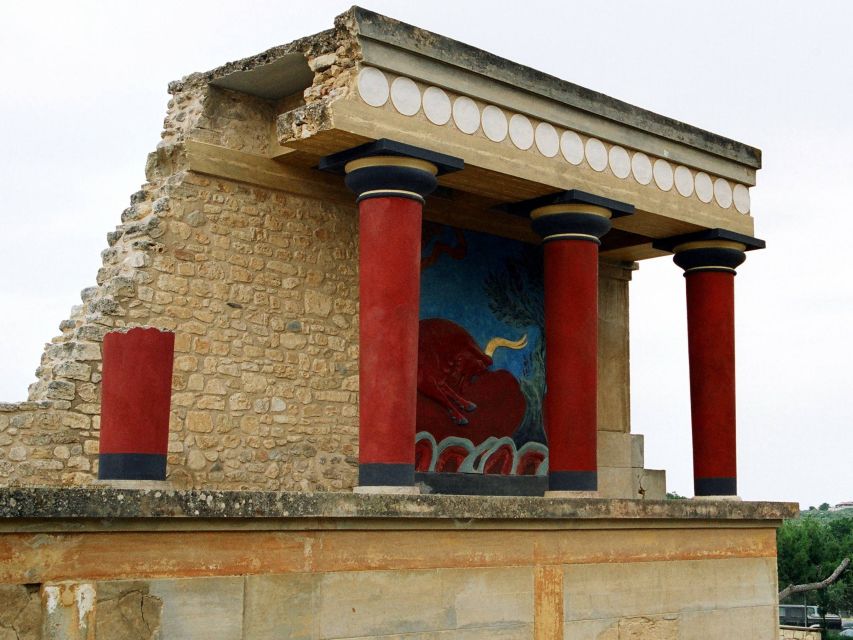
The tour’s strongest teaching tool appears to be visual comparison. Vangelis has used folders or booklets of photographs to show earlier excavation views and possible reconstructions. That is particularly helpful at Knossos, where restored columns, walls, and colorful elements can make it difficult to tell what is ancient and what was added during modern conservation.
The route includes stairs and uneven walking. One family managed the visit with a three-year-old, but the parent noted that a stroller would be awkward because of the stairs. The activity is not suitable for wheelchair users or people with mobility impairments.
At the end of the guided portion, you may have a chance to look around on your own, depending on timing and site conditions. Do not assume this will mean a long independent visit. A late tour can be limited by the palace closing time, and the full activity itself is scheduled for 1.5 hours.
The restoration question at Knossos
Knossos is not a completely untouched ruin. Modern restoration is part of the experience, and it is also one of the site’s most debated features.
That makes a clear guide especially valuable. Visitors have praised explanations that separate different periods and distinguish original remains from restored material. You are not simply shown a reconstructed wall and left to guess what you are seeing.
A guide can also explain how archaeology shaped the site you see today. That gives you a more honest visit. Instead of treating every column or painted surface as unchanged from the Bronze Age, you can consider the evidence, the restoration choices, and the limits of what can be known.
This is where the archaeological background of the guide matters. Vangelis has been described as a trained archaeologist, and that expertise comes through in the attention to excavation and interpretation. The result is more than a list of dates.
You also get a useful balance between fact and story. The Minotaur myth may draw you in, but the guide helps you look at the political, economic, and daily-life clues in the ruins. That approach suits anyone who wants more than a quick photo stop.
More things to do in Crete:
- From Kissamos Port: Boat Cruise to Balos Lagoon & Gramvousa
★ 4.2 · 6,755 reviews - Crete: Day Trip to Agios Nikolaos and Spinalonga Island
★ 4.6 · 4,416 reviews - From Chania: Full-Day Samaria Gorge Trek Excursion & Guide
★ 4.6 · 3,191 reviews - Agios Nikolaos: Boat Trip to Spinalonga with Swim Stop
★ 4.4 · 3,031 reviews
Choosing between 9 a.m. and late afternoon
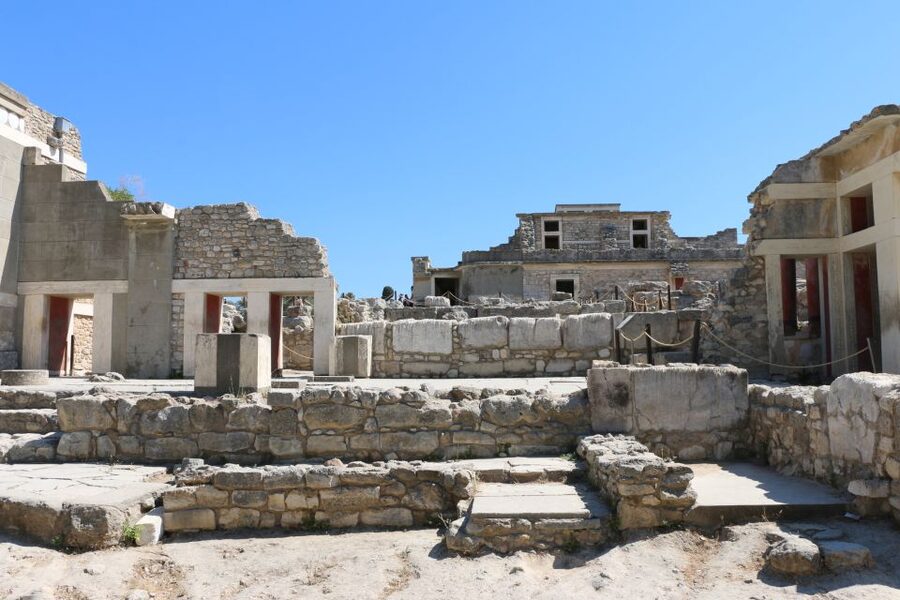
Timing is one of the most important decisions you make with this tour.
The 9 a.m. start is repeatedly recommended for summer. Early in the day, the site can be cooler and less crowded, giving you a better chance to hear the guide and pause at important areas. One visitor who began at 9 a.m. reported that the palace became extremely crowded by the time the visit ended around 10:45.
Early morning also makes sense if Knossos is one stop on a full day around Heraklion. You get the main archaeological visit finished before the strongest heat, then have time for the museum or another sight.
Late afternoon has its own appeal. A 5 p.m. start was described as especially quiet, with more room to focus on the ruins. A 6:30 p.m. tour offered cooler conditions, fewer people, and attractive light for photographs.
The tradeoff is clear. Later tours may run close to closing time, so you may have only the scheduled 1.5 hours and little opportunity to linger. Check the available start times and closing conditions for your date before choosing an evening slot.
Shade is limited, but guides have made a point of keeping groups out of direct sun whenever possible. That is helpful in Crete’s summer heat, but it does not replace a hat, sunscreen, sunglasses, and water.
Wear comfortable walking shoes. Large bags, oversize luggage, and pets are not allowed, so arrive with only what you need for the site.
Is $247 good value for two people?
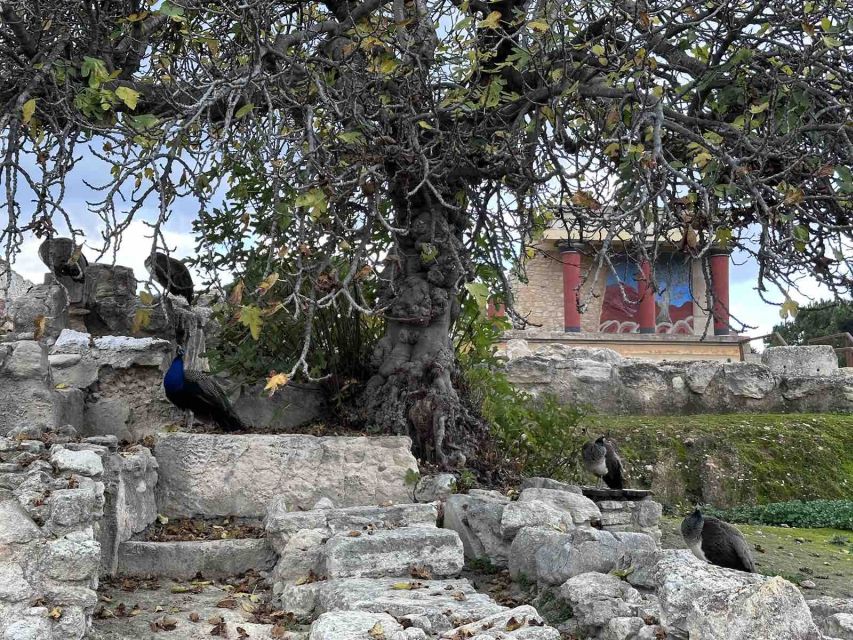
At $247 for a private group of up to two, this is not a budget entrance ticket. It is a paid interpretation service combined with admission and fast access.
The value depends on how you like to visit ancient sites. If you already know Minoan archaeology and prefer to read signs at your own pace, the cost may be hard to justify. You can appreciate the ruins without a private guide, and 1.5 hours may not suit someone who wants to study every corner.
For first-time visitors, the price makes more sense. Knossos has a complicated layout, a long timeline, and a mixture of ancient remains and modern restoration. A private archaeologist can save you from spending your visit wondering what each section represents.
It also becomes more reasonable if you share the group with another person and care about personal attention. You get direct answers, a pace suited to your group, and help with photographs. Families may find the cost worthwhile because the guide can adjust explanations for children rather than giving one fixed speech to a large crowd.
The price is less attractive if you are traveling alone, since the stated rate is still for a group of up to two rather than a simple per-person admission. Before paying, compare the group price with your own priorities: expert context, no ticket-line wait, and a private pace.
The cancellation policy helps reduce the risk. You can cancel up to 24 hours ahead for a full refund, and the reserve-now, pay-later option keeps you from paying immediately. Those terms are useful when your Crete plans are still changing.
Who will get the most from this visit?
I would choose this tour for a first visit to Knossos, especially if ancient history is not your strong subject. The palace is much easier to appreciate when someone explains how the rooms functioned and which parts are original or restored.
It is also a good fit for families. Guides have kept children, teenagers, and even a three-year-old’s family involved, though the stairs mean you should leave the stroller behind. The private format gives you room to ask basic questions without feeling rushed or self-conscious.
History fans should like the archaeological focus. The guides do not stop at the familiar myths. They add details about the Minoans, Cretan history, excavation, art, storage, architecture, and cultural practices.
Photographers may appreciate the help with viewpoints and the softer light of a late tour. Several people received help taking group pictures, and guides pointed out spots that were easy to miss.
I would hesitate to recommend it to someone with serious mobility limits. There are many stairs, uneven surfaces, and outdoor sections, and the activity is specifically unsuitable for wheelchair users and people with mobility impairments.
Practical advice before you book
Bring your passport or ID card, particularly if admission rules require proof of age or nationality. European children receive free entry and a free guided tour, while free admission is not included for children from outside European countries.
Pack light. Pets, large bags, and oversize luggage are not allowed. Comfortable shoes, water, sunglasses, a sun hat, sunscreen, and a small bag are the sensible kit.
Think carefully about the tour hour. Choose 9 a.m. if you want cooler temperatures and the best chance of avoiding the largest crowds. Choose late afternoon if you prefer softer light and potentially quieter paths, but remember that closing time can limit extra wandering.
A private tour does not mean a full-day experience. The scheduled visit is 1.5 hours, so plan your expectations accordingly. If you want more time, ask whether you can remain at the site after the guided portion, but do not count on a long extension.
Should you book the Knossos Palace private tour?
Book it if you want Knossos to make sense, not just appear impressive in photographs. The strongest reasons are the archaeologist-led explanations, the clear treatment of restoration, the fast ticket entry, and the ability to shape the visit around your own questions.
I would book the 9 a.m. time in summer if available. If you dislike early starts, a 5 p.m. or 6:30 p.m. option may offer cooler air, fewer people, and better light, with less time to linger after the tour.
Skip it if your budget is tight, you are comfortable exploring archaeological sites alone, or you need wheelchair access. For everyone else, especially couples, families, and history-minded visitors, the private format gives Knossos the context it deserves. The price is high, but the experience can be worth it when a skilled guide turns a maze of ruins into a readable story.
FAQ
Where does the tour meet?
The meeting point is at the front entrance of Knossos Palace.
How long does the tour last?
The guided experience lasts 1.5 hours.
What does the ticket include?
The price includes entry to Knossos Palace with access through the ticket line and a private guided tour by a licensed archaeologist.
What languages are available?
Guiding is available in English, German, Italian, Russian, and Greek.
Is the tour private?
Yes. It is offered as a private group experience.
Can children join for free?
Children from European countries receive free entry and a free guided tour. Free admission is not included for children from non-European countries.
Is the tour suitable for wheelchair users?
No. The activity is not suitable for wheelchair users or people with mobility impairments. The site also includes many stairs, so a stroller may be difficult to use.
More Skip the Line in Crete
- Knossos Palace Skip-the-Line Ticket (Shared Tour Group)
★ 5.0 · 284 reviews - Heraklion: Knossos Private Guided Tour & Skip-the-Line Entry
★ 5.0 · 59 reviews - The Palace of Knossos with Skip-the-Line Ticket
★ 5.0 · 40 reviews - Essential Athens Highlights Plus Cape Sounion Skip-The-Line Tour
★ 5.0 · 705 reviews
Just added around Crete
- Lasithi –Plateau Traditional Vilages★ 5.0 · 40 reviews
- The Palace of Knossos with Skip-the-Line Ticket★ 5.0 · 40 reviews
- From Chania: Preveli Palm Beach Day Tour★ 4.3 · 40 reviews
- Chania Morning Catamaran Cruise with Premium Lunch & Drinks★ 5.0 · 40 reviews
- Private South Crete Full-Day Tour-Spili, Kourtaliotiko & Preveli★ 5.0 · 40 reviews
- Stand-up Paddleboard Lazareta Experience Chania Crete (tour)★ 5.0 · 41 reviews
- Kissamos: Balos and Gramvousa Private Sailing Trip with Meal★ 4.8 · 41 reviews
- Knossos & Archaeological Museum Shared Guided Tour from Chania★ 5.0 · 41 reviews
Knossos Palace Tours, compared.
Knossos Palace Entry Ticket with Optional Audio Guide
Read our review →
Knossos: Knossos Palace Skip-the-Line Guided Walking Tour
Read our review →
Knossos Palace and Museum E-Tickets with Audio Guides
Read our review →
Knossos-Zeus Cave -Old Traditional Villages-Olive Oil Factory
Read our review →
Knossos, Lasithi, Lasinthos and Olive Farm Combo Tour
Read our review →
Browse the lists this tour appears in