
Reviewed · COOKING CLASSES
Heraklion: Cretan Cooking Lesson with Lunch in Arolithos
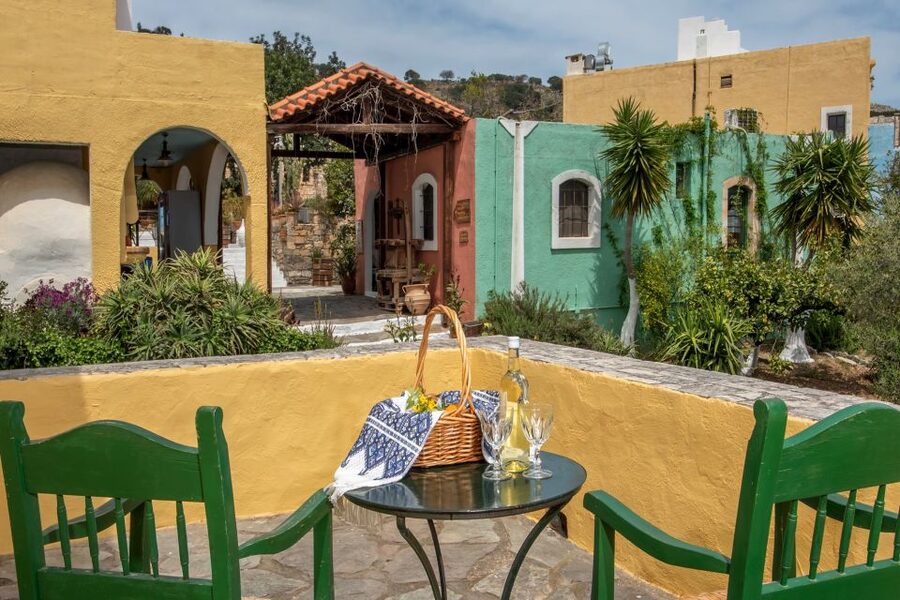
A village, a feast, and a view. Just outside Heraklion, Arolithos Traditional Cretan Village combines a small folk museum, old-style houses, and a hands-on cooking lesson in one easy half-day outing. I especially like the setting above the vineyards and olive trees, and the chance to eat the food you help prepare.
The small-group format can make the lesson feel personal, with guides such as Evi, Mary, Christina, and Alexandra praised for their patience and warmth. I also like that the recipes are simple enough to repeat at home. The main drawback is that the cooking is not a full professional kitchen class: much of your work involves preparation, while the staff handles some of the main cooking elsewhere.
In This Review
- Key points to know before booking
- Arriving at Arolithos Traditional Cretan Village
- The museum tour puts the food in context
- What you actually do in the cooking class
- Expect a large lunch, not a small tasting
- The terrace is part of the experience
- The guides make the difference
- Is $129 good value?
- Timing, comfort, and access
- Who will enjoy this most?
- Should you book the Arolithos cooking class?
- FAQ
- How long does the Arolithos cooking experience last?
- Is hotel pickup included?
- What food will I prepare?
- Are vegetarian options available?
- Is the whole tour wheelchair accessible?
- Is wine included?
Key points to know before booking
- Arolithos sits about 20 minutes from Heraklion, but hotel pickup is not included, so you must arrange your own transport or pay extra for a transfer.
- The cooking lasts about 2.5 hours, followed by lunch, wine, and time to relax, making the full visit roughly four hours.
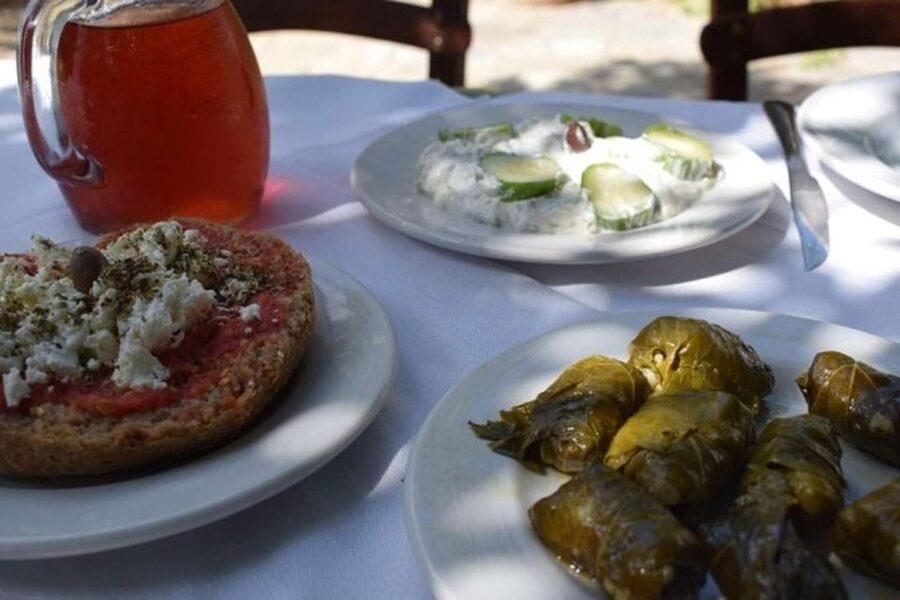
- You may prepare a generous spread, including dakos, tzatziki, stuffed vine leaves, stuffed vegetables, cheese pies, and other Cretan dishes.
- The museum and replica homes add real context, showing old household objects and how different social groups once lived.
- The terrace view is a major part of the appeal, with Heraklion, vineyards, olive trees, and Mount Giouchtas in sight.
- Dietary needs must be reported when you book, and vegetarian options are available.
Arriving at Arolithos Traditional Cretan Village
Arolithos is outside central Heraklion, in a quieter setting with views across the countryside and toward the city. The drive is short by taxi when traffic is light, but you should not treat this as a walk-up city activity. Hotel pickup and drop-off are not included.
You meet at Arolithos Traditional Cretan Village. A transfer or car hire can be arranged for an added charge, which may be worth considering if you are staying in Heraklion and do not want to sort out transportation yourself. One couple arranged a private taxi and found it a good fit for a cruise day, since the visit did not involve rushing between several distant sights.
The site itself was created in the 1980s by a Cretan family who wanted to present older village life in a setting visitors could explore. That matters because Arolithos is not an untouched medieval settlement. It is a recreated village, designed to give you a clear, pleasant look at Cretan traditions, buildings, tools, and domestic life.
You will walk along small streets and see stone buildings, courtyards, a little church, a mosaic workshop, cats, and other village details. The atmosphere is relaxed rather than grand. I would come here expecting an accessible cultural stop, not a major archaeological site.
More Cooking Classes in Crete
- Chania: Authentic Cooking Class in the White Mountains
★ 4.9 · 529 reviews - The Real Cretan Cooking Experience
★ 5.0 · 528 reviews - Chania Cooking Class-The Authentic Enjoy traditional Cretan meal
★ 5.0 · 339 reviews
The museum tour puts the food in context
The visit begins with a mini-tour of the village and its folk museum. The collection includes old household objects from the family, giving you a look at the tools and furnishings used in earlier Cretan homes.
The tour also includes two old-style houses. These are useful because they turn abstract talk about Cretan life into something you can see. The displays show how different social classes once lived, and the guide explains the role of everyday objects in the home.
Guides including Mary and Evi have been praised for making this section friendly and easy to follow in English. They can also share bits of local language and explain details about the village and Cretan customs. The museum portion is not very long, which works in its favor. You get enough background to understand the cooking without losing half the day indoors.
I particularly like the order of the visit. You first see the old tools and homes, then move to the food. The connection is clear: Cretan cooking grew from local ingredients, modest equipment, and recipes built for ordinary household life.
Still, keep your expectations in check. The museum is a family collection in a recreated village, not a large state museum with extensive labels and galleries. If you want a detailed academic history of Crete, this will feel light. If you want a friendly introduction before lunch, it works well.
What you actually do in the cooking class
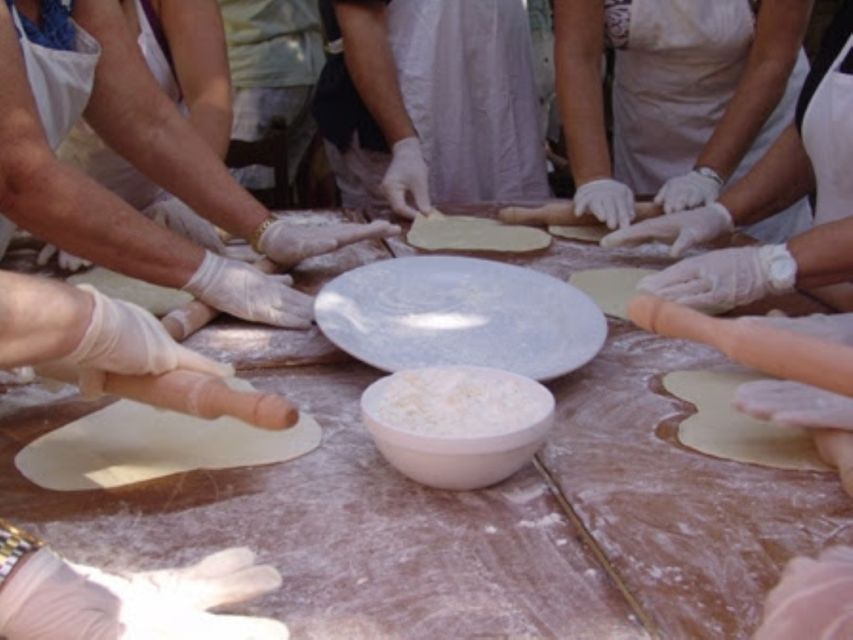
The cooking session takes place at the taverna. The precise menu can vary, but the listed dishes include several of the best-known Cretan home-style foods:
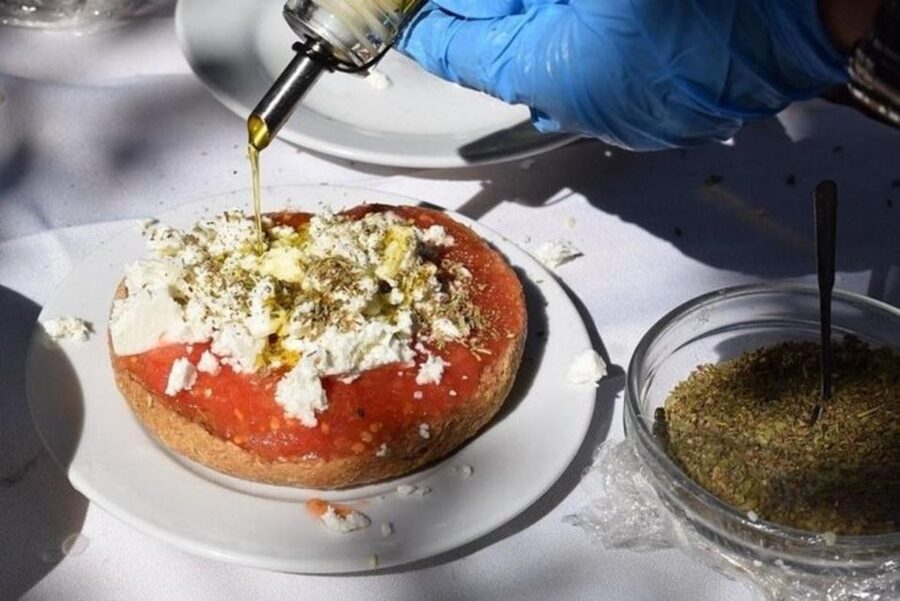
- Dakos, a crunchy barley rusk dish with tomato and cheese
- Tzatziki
- Stuffed vine leaves
- Stuffed tomatoes and peppers
- Other stuffed vegetables
- Cheese pies
- Pork with wine sauce or peppers
- Lamb with green beans
- Greek coffee
Past menus have included fried cheese-filled dough served with honey, along with local bread, olive oil, sheep cheese, wine, raki, and other snacks. The central idea is not delicate restaurant plating. It is learning how basic ingredients can produce a table full of food.
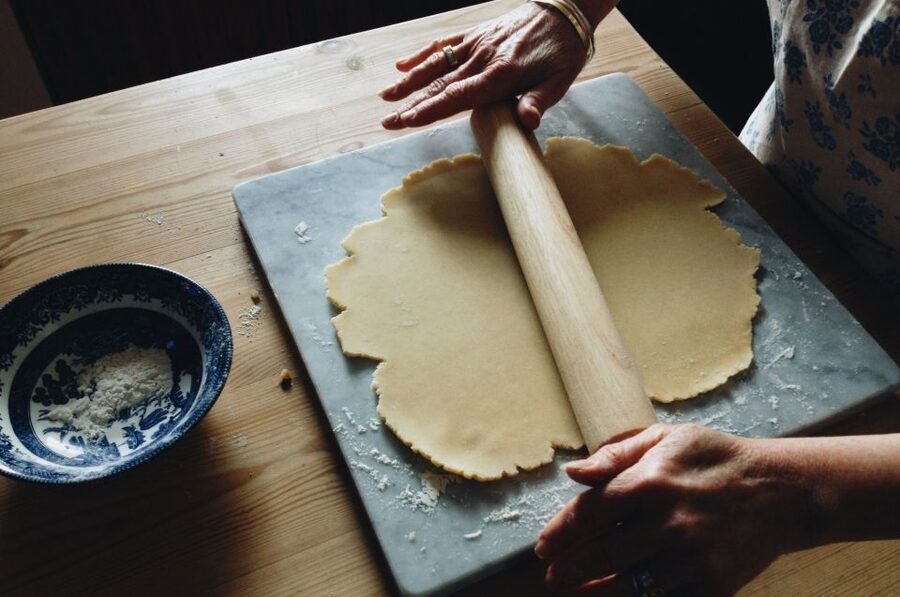
You may grate tomatoes, mix tzatziki, prepare vegetables, fold grape leaves, and shape cheese pastries. One instructor gave an 11-year-old careful help with knife handling, grape-leaf folding, and grating tomato. Another guide adjusted the pace so a young child could stay involved without becoming tired.
That makes this a good choice for families with children old enough to follow instructions, though the official information says children must be accompanied by an adult. Children under three are not considered suitable for the activity, and the age information is more restrictive than some individual experiences suggest. If you are booking with a very young child, ask the operator first rather than relying on a past exception.
The class is described as hands-on, but you should understand what that means here. You help prepare many parts of the meal, while the staff may cook the main meat dishes elsewhere or demonstrate them rather than having you manage every step from raw ingredients to finished plate. If your goal is to master every cooking technique yourself, this may feel less involved than a formal culinary school lesson.
For most people, that lighter approach is a benefit. You get to work with the food without spending four hours over hot pans. You also have time for conversation, breaks, wine, and the village tour.
Expect a large lunch, not a small tasting
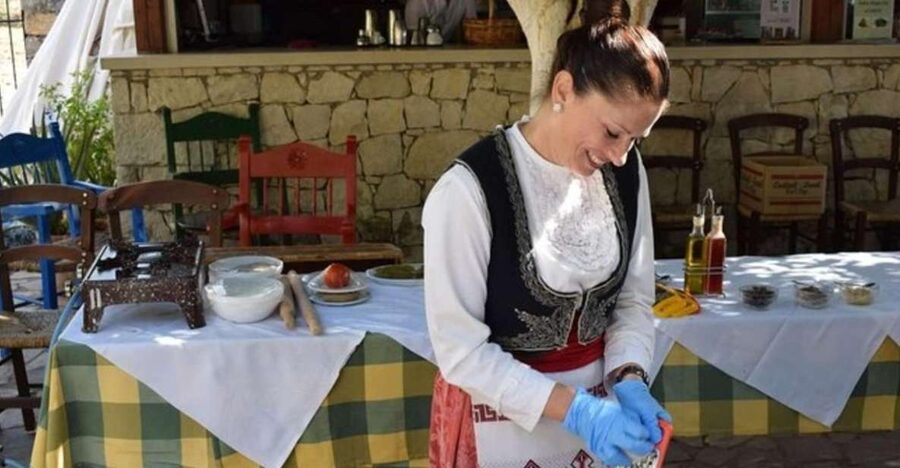
At the end, the dishes you helped create are served as lunch or dinner. Wine and mineral water are included, and the meal is served in the taverna, often on a terrace with views over the valley and Heraklion.
The meal can be very generous. You may taste the appetizers during preparation, then receive many of the same dishes again as part of the final spread. One useful tip is to arrive hungry. Another is to pace yourself, since there may be far more food at the end than you can finish.
The cooking is based on Cretan home food, so the flavors depend on good ingredients more than complicated methods. Several dishes use only a few ingredients. That simplicity is one of the strongest reasons to take the class: you can realistically make the recipes after returning home.
The table may include meat, cheese, yogurt, vegetables, herbs, bread, pastries, and wine. Vegetarian options are available, but you need to request them at booking. You should also report allergies or other dietary needs in advance so the menu can be adjusted.
This is not a wine class, and the included wine tasting is modest. Think of it as part of the meal and social setting rather than a structured lesson about Cretan vineyards. The same applies to Greek coffee. You may receive a demonstration or a chance to try it, but coffee is not the main point of the outing.
More Workshops in Crete
- Heraklion: Beginner Scuba Diving Lesson with PADI Instructor
★ 4.9 · 355 reviews - Full-Day Jeep Safari Tour with Cooking Lesson
★ 5.0 · 284 reviews - Cretan Cooking Class and Olive Oil Tasting
★ 5.0 · 178 reviews - Moires: Cooking Class and Olive Oil Tasting at a Family Farm
★ 5.0 · 93 reviews
The terrace is part of the experience
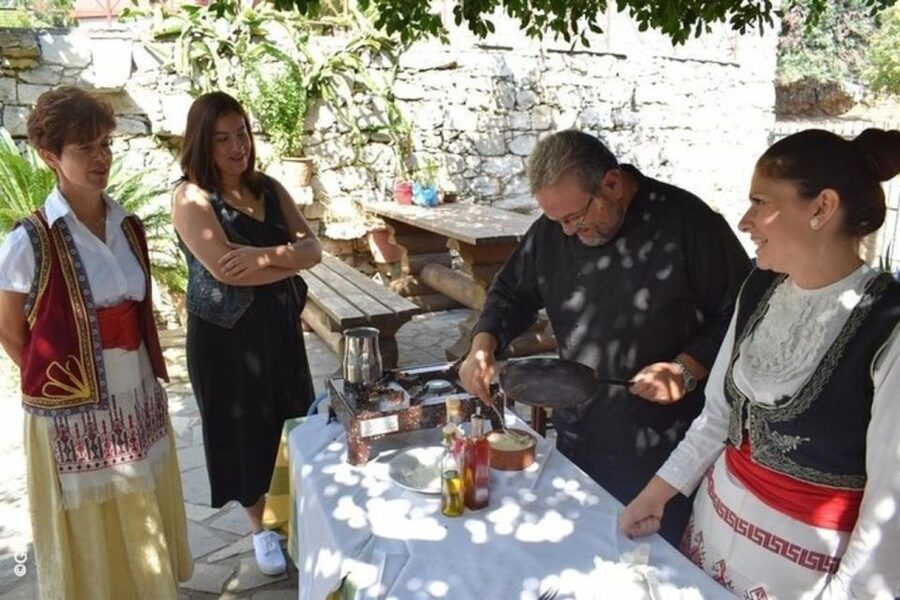
The food would still be worthwhile indoors, but the setting gives the visit much of its charm. From the taverna, you can look toward Heraklion City, vineyards, olive trees, and the holy mountain of Giouchtas.
The information specifically notes the sounds of animal bells in the surrounding area. That detail captures the mood better than any claim of luxury. You are eating rural Cretan food in a place designed to recall village life, with the city visible in the distance.
You also have free time to relax in the village after the meal. A swimming pool is available at Arolithos, though the activity information does not say that swimming is part of the cooking lesson or that pool access is included as a separate feature. Treat it as an amenity you might use during free time, not the reason to book.
The terrace can also make this outing appealing for a cruise stop or a day when you want a break from museums and busy streets. You get culture, food, and scenery without packing in another long excursion.
The guides make the difference
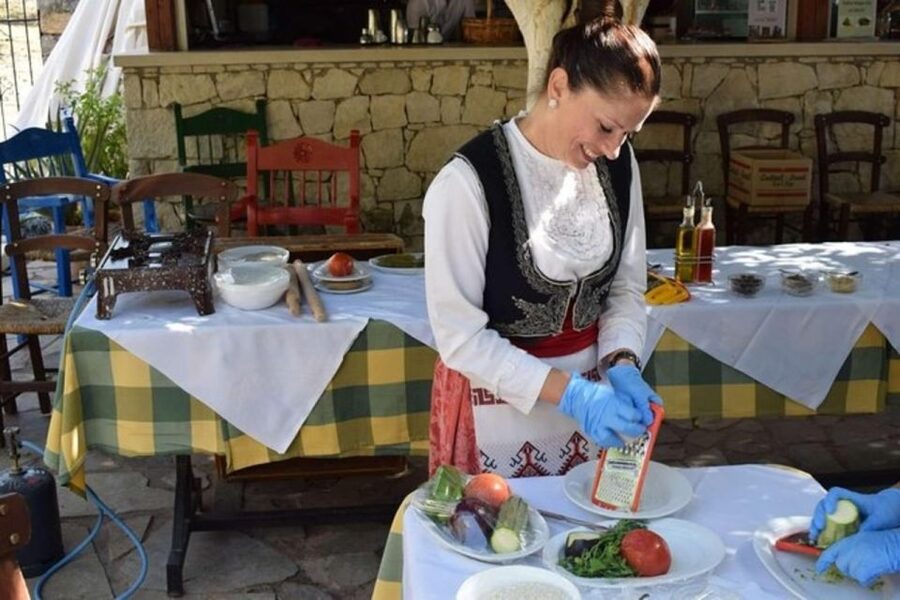
The strongest part of this experience is the human side. Evi, Mary, Christina, Avie, Alexandra, and other members of the Arolithos team are repeatedly praised for being warm, patient, and helpful.
The private-group format is important here. Your booking is listed as a private group, and several sessions have ended up being just one couple or a very small number of people. That can turn a standard class into a more personal lesson, with extra time for questions and adjustments.
A private format does not guarantee that every date will feel identical, so you should still ask about the group arrangement if that matters to you. But the structure is well suited to people who want conversation rather than a large demonstration with dozens of participants.
The guides also help bridge the gap between food and culture. You are not simply handed ingredients and told what to do. The village walk and museum explain why Cretan cooking uses the products and methods you see at the table.
Is $129 good value?
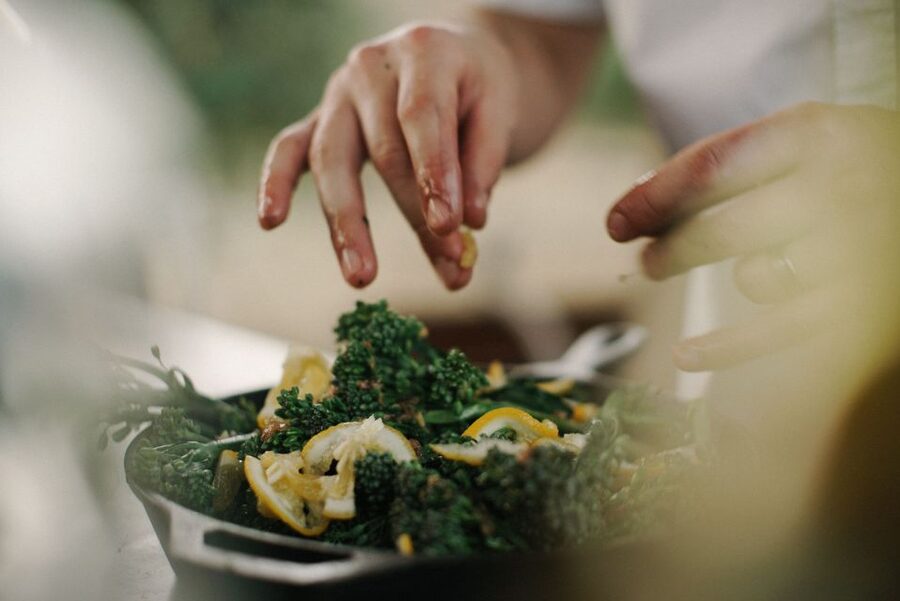
At $129 per person, this is not the cheapest meal or cooking class near Heraklion. You are paying for more than lunch, though. The price includes the museum entrance, village tour, English-speaking guide, cooking instruction, food tasting, wine tasting, recipes, and the meal made during the class.
I see the value in the combination. A normal taverna lunch gives you food and a view. A museum visit gives you objects and stories. This outing joins both with an activity you can carry home.
The value is best if you want a half-day experience with a private or small-group feel. It is less compelling if you only want to eat Cretan food, or if you expect advanced instruction with every dish cooked from start to finish by you.
The recipe packet is a small but useful extra. Several people have found the dishes easy to repeat at home, and one home cook reported making them several times after returning. That gives the experience a longer life than a meal you simply remember.
Timing, comfort, and access
The full visit takes about four hours. The cooking portion runs roughly 2.5 hours, with the rest used for the museum, village tour, eating, drinking, and relaxing. The schedule includes breaks, which is helpful because the cooking produces a substantial meal.
Wear comfortable shoes for the village walk. The activity takes place among old-style streets and buildings, and the entire tour is not wheelchair accessible. The cooking class itself is wheelchair accessible, but the museum and wider village are not. The activity is not suitable for people with mobility impairments or visually impaired people according to the stated restrictions.
Children must stay with an adult. Weapons, outside food and drinks, alcohol and drugs, explosive substances, and making fire are not allowed. These rules are ordinary site restrictions, but the important practical point is that this is a guided food and culture visit, not an open kitchen where you bring your own supplies.
The class is offered in English. Vegetarian food can be arranged, and specific allergies or dietary needs should be reported when booking. Do not wait until you arrive, since the menu may need preparation in advance.
Who will enjoy this most?
I would recommend Arolithos to you if you want a gentle cultural outing with real food at the center. It suits couples, families with older children, cruise passengers, and anyone staying in Heraklion who wants to see a quieter side of the area.
It is also a smart pick if you like recipes you can repeat. Dakos, tzatziki, stuffed vegetables, grape leaves, and cheese pies are approachable dishes, and the lesson focuses on practical preparation rather than restaurant tricks.
You may want another activity if you dislike group instruction, cannot manage a village walk, or want a high-level chef-led class. The cooking is friendly and useful, but not technically demanding. You should also skip it if your main interest is an extensive museum collection or a long, formal tour of Cretan history.
Should you book the Arolithos cooking class?
Book it if you want food, scenery, and a taste of local life in one well-paced half-day. The best parts are the warm guides, the small-group feel, the generous lunch, the simple recipes, and the terrace above the valley.
Before booking, solve your transportation to Arolithos, report dietary needs, and confirm that the walking and access arrangements suit your group. Come hungry, but pace yourself. At $129, this is good value for a personal cultural experience, not for a basic cooking lesson alone.
FAQ
How long does the Arolithos cooking experience last?
The total visit takes about four hours. The cooking activity lasts about 2.5 hours, followed by lunch and time to eat, drink, and relax.
Is hotel pickup included?
No. Hotel pickup and drop-off are not included. Transfer service and car hire can be organized for an additional charge.
What food will I prepare?
The menu can include dakos, tzatziki, stuffed vine leaves, stuffed tomatoes and peppers, cheese pies, pork with wine sauce, lamb with green beans, and other Cretan dishes. The exact selection may vary.
Are vegetarian options available?
Yes. Vegetarian options are available, but you should request them when booking. Specific allergies and dietary requirements should also be reported in advance.
Is the whole tour wheelchair accessible?
No. Only the cooking class is wheelchair accessible. The complete village and museum tour are not accessible, and the activity is not suitable for people with mobility impairments.
Is wine included?
Yes. Local wine and mineral water are included, along with food tasting and the lunch or dinner made during the class.
More Lunch Experiences in Crete
- Full-Day Land Rover Safari from Heraklion with Lunch
★ 5.0 · 1,351 reviews - Heraklion: Sailboat Cruise to Dia Island with Drinks & Lunch
★ 4.9 · 1,287 reviews - Heraklion: Finikia Horse Riding Tour with Lunch or Dinner
★ 4.9 · 1,231 reviews - 5Hour Safari Tour in Crete(Heraklion)with Quad,Jeep,Buggy & Lunch
★ 5.0 · 941 reviews
Just added around Crete
- Lasithi –Plateau Traditional Vilages★ 5.0 · 40 reviews
- The Palace of Knossos with Skip-the-Line Ticket★ 5.0 · 40 reviews
- Chania Morning Catamaran Cruise with Premium Lunch & Drinks★ 5.0 · 40 reviews
- From Chania: Preveli Palm Beach Day Tour★ 4.3 · 40 reviews
- Private South Crete Full-Day Tour-Spili, Kourtaliotiko & Preveli★ 5.0 · 40 reviews
- Stand-up Paddleboard Lazareta Experience Chania Crete (tour)★ 5.0 · 41 reviews
- Kissamos: Balos and Gramvousa Private Sailing Trip with Meal★ 4.8 · 41 reviews
- Knossos & Archaeological Museum Shared Guided Tour from Chania★ 5.0 · 41 reviews
Cooking Classes, compared.
Classic Cooking Class with Market Visit and Wine
Read our review →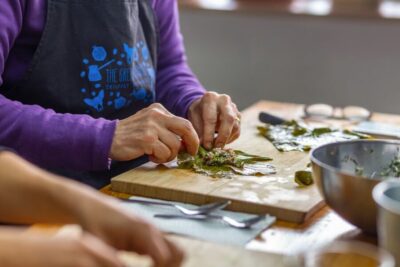
Food Market Visit and Cooking Class with Wine
Read our review →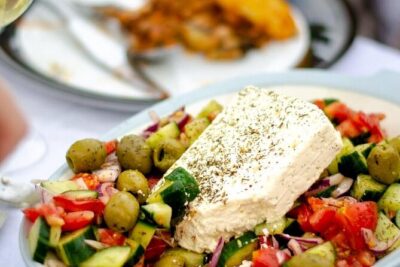
Greek Cuisine Cooking Class in Santorini with Recipes and Wine
Read our review →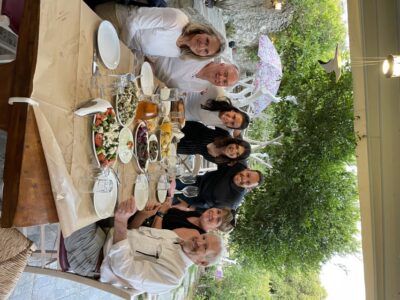
Half-Day Cooking Class at Basiliko Family Tavern
Read our review →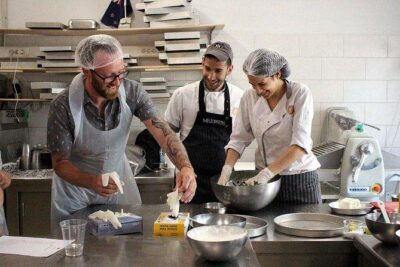
Greek Cooking Class in Athens Including Rooftop Dinner with Acropolis View
Read our review →
Greek Small-Group Athens Cooking Class & Dinner
Read our review →
Exclusive Cooking Experience in our Cave Home by Petra Kouzina
Read our review →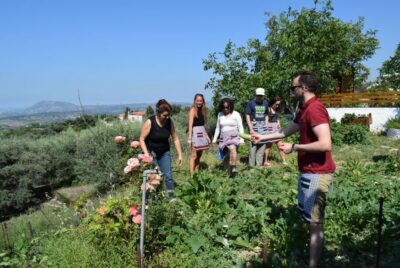
Authentic Cooking Class in the White Mountains
Read our review →Browse the lists this tour appears in