
Reviewed · METEORA MONASTERY TOURS
From Athens: Delphi and Meteora 2-Day Tour with Hotel
Ancient prophecy meets cliff-top monasteries. This two-day trip from Athens links Delphi’s Temple of Apollo with the extraordinary monasteries of Meteora, while taking care of the long-distance transport, hotel, breakfast, dinner, and entrance fees. I like the way it brings together two very different sides of Greece, one rooted in classical religion and the other in Eastern Orthodox faith. I also like the overnight stop in Kalabaka, which gives you at least a little time beneath the Meteora rocks instead of making this an exhausting day trip.
The tradeoff is time. You cover a lot of ground by coach, and the visit to Delphi can feel rushed, often around an hour and a quarter to an hour and a half. Lunch stops can also be expensive and geared toward large tour groups. If you want a slow archaeological visit or a quiet Meteora experience, travel independently or choose a smaller tour. If you want the major sights handled in two days, this is a practical and well-liked option.
In This Review
- Key details to know before booking
- Leaving Athens for the mountains
- Delphi and the sanctuary of Apollo
- Dinner and an evening in Kalabaka
- Meteora, where monasteries cling to stone
- Thermopylae and the monument to Leonidas
- How the $259 price compares with the effort
- Guides, group size, and the pace of the day
- What to bring and how to prepare
- Who should book this two-day route?
- Should you book it?
- FAQ
- How long is the tour?
- What languages are available?
- Is hotel accommodation included?
- Are meals included?
- Is the Delphi Archaeological Museum ticket included?
- What should I wear to the Meteora monasteries?
Key details to know before booking
- Two world-famous sites in two days: See Delphi, Meteora, Thermopylae, and several towns in Central Greece without arranging separate transport.
- The guides make a real difference: Guides including Anthony, George, Demi, Sofia, Militsa, Thomas, and Joy have been praised for clear explanations, warmth, humor, and strong knowledge of Greek history and culture.
- Kalabaka is more than a sleep stop: The overnight town offers a charming break, and some hotel rooms have striking views toward the Meteora rocks.
- Expect long coach journeys: The air-conditioned bus has Wi-Fi and regular toilet stops, but there is no onboard toilet and legroom may feel tight on a full coach.
- Dress correctly for the monasteries: Women need a long skirt and men need long trousers. Comfortable shoes are essential, especially for the more demanding monastery visit.
- The $259 price can be good value: Hotel accommodation, four meals, transport, a guide, and site entry are included, but lunch, drinks, the Delphi museum, and the overnight tax cost extra.
Leaving Athens for the mountains
You meet the guide at the G.O. Tours terminal at the corner of Leoforos Vasilis Amalias and Souri Street. From there, the air-conditioned coach leaves Athens and heads north through Central Greece.
The drive introduces you to places that are easy to miss when you stay in the capital. The route passes Thebes, Levadia, and Arachova, a mountain town on the slopes of Mount Parnassus. Arachova is known for local handicrafts, and the stop can be a pleasant chance to stretch your legs and see a different side of mainland Greece.
This is also where you should set your expectations. The route is scenic, but you spend several hours on the bus over the two days. The coach has free Wi-Fi, and guides often share information during the drive. George, one of the guides praised for keeping passengers interested on long stretches, is a good example of how much the journey depends on the person holding the microphone.
The buses are generally comfortable and clean, though taller passengers may find the legroom limited. Some seats lean back quite far, which leaves less room behind them. If you get motion sick, bring suitable medication, since parts of the route are winding. Toilet breaks are provided, but the bus itself does not have a toilet.
More days out to Delphi:
- Athens: Mythology of Delphi, Museum and Arachova Guided Tour
★ 4.6 · 4,008 reviews - From Athens: Delphi Full Day V.R. Audio Guided Tour
★ 4.6 · 3,028 reviews - From Athens: Small-Group Delphi, Museum & Arachova Day Trip
★ 4.8 · 2,476 reviews
Delphi and the sanctuary of Apollo
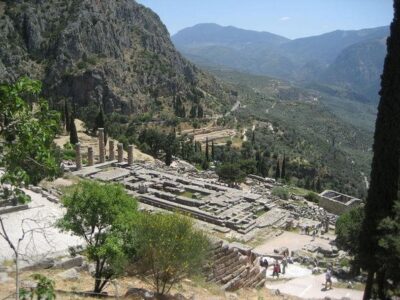
Delphi is the first major stop, and it earns its place on almost every mainland Greece itinerary. In ancient times, people came here to consult Pythia, the high priestess associated with Apollo. Her pronouncements were treated as divine guidance, and the sanctuary became one of the most important religious centers in the Greek world.
The archaeological site is set high on the slopes of Mount Parnassus. Even before you examine the ruins, the location explains much of Delphi’s power. The mountains give the site a dramatic sense of separation from ordinary life, and the setting helps you understand why ancient visitors regarded this as a special place.
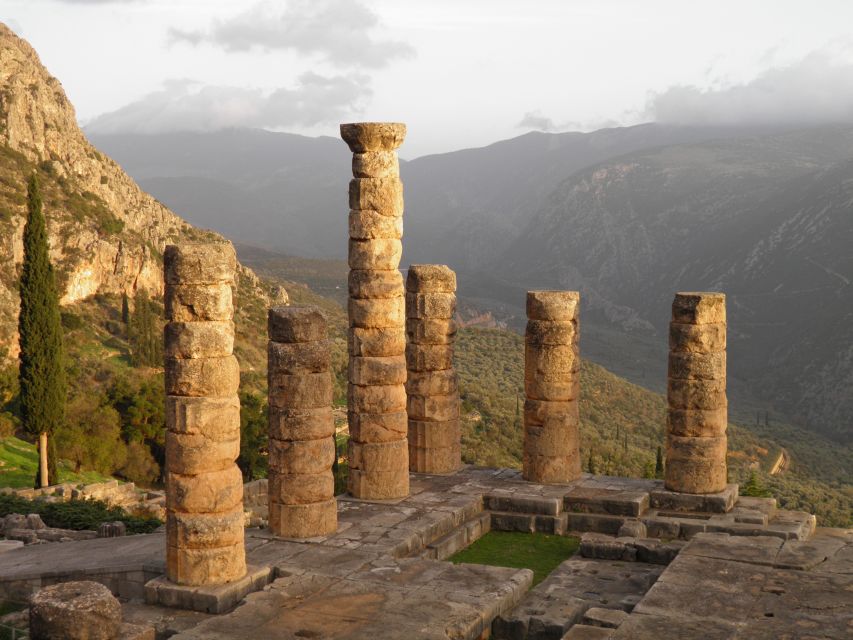
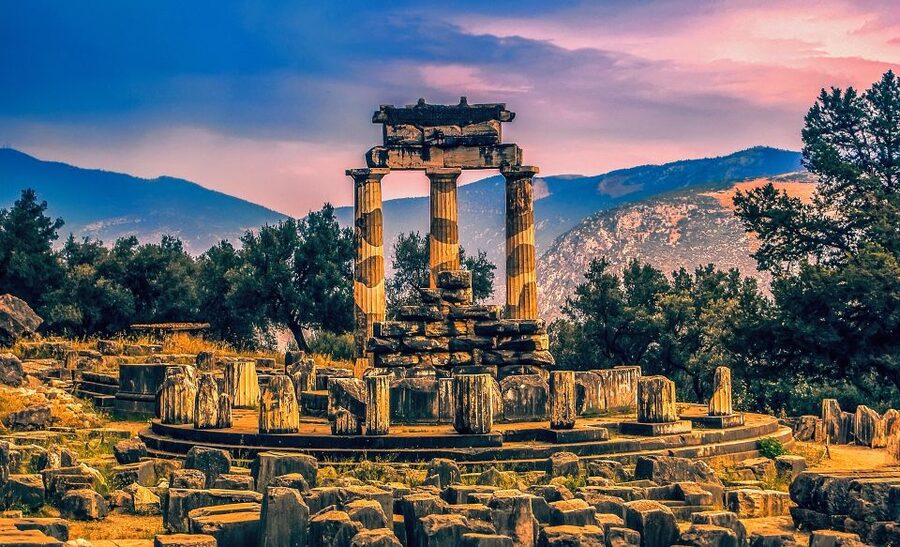
The Temple of Apollo is the central sight. Much of the structure is ruined, but the remaining columns and foundations give you enough to picture the sanctuary’s former scale. Your guide explains the religious role of the temple and the place of Pythia, helping the stones connect to the beliefs and political life of ancient Greece.
You can also see other remains around the sanctuary, including the theater and the route leading farther uphill toward the stadium. This is where the limited schedule becomes noticeable. Several people have found that there was not enough time to reach every upper section, particularly when rain slowed the visit. I would treat this as an introduction rather than a full study of Delphi.
The Delphi Archaeological Museum is not included in the package. That matters because the museum contains important sculptures and finds that make the open-air ruins easier to understand. You can purchase a separate ticket, but the available time may not allow a relaxed museum visit. If Delphi is your main interest, a dedicated day trip would give you more room for the site, museum, and mountain setting.
Bring solid walking shoes. The ancient paths can be uneven, and wet weather makes the stone surfaces more difficult. Long trousers are also a safe choice for the full tour, especially because you will need them later at Meteora.
Dinner and an evening in Kalabaka
After Delphi, the coach continues north toward Kalabaka, the town below Meteora. You spend the night in a hotel and receive dinner and breakfast as part of the package.
The hotel category can vary, so read the available options carefully before paying more. Some people have had spacious rooms with excellent views toward the monasteries, while other rooms have been basic, with tight bathrooms, hard beds, thin blankets, or awkward showers. One hotel option has also received criticism for tired furnishings and poor maintenance.
At the same time, the overnight stay is a useful part of the design. Kalabaka is a pretty town, and some departures allow roughly an hour and a half to walk around before dinner or bedtime. Staying here gives you a sense of place that you would miss on a single-day excursion from Athens.
Dinner and breakfast are usually buffet-style, with a reasonable range of choices. The quality has been described as good at some hotels and average at others, so I would see the meals as convenient rather than a reason to book the trip on their own. Drinks are not included.
There is also an accommodation tax of between €1.50 and €10 per night per room, payable at check-in. It is a small but easy-to-miss extra, especially if you are traveling on a carefully planned budget. Solo visitors should also check the single supplement if they want a private room.
Meteora, where monasteries cling to stone
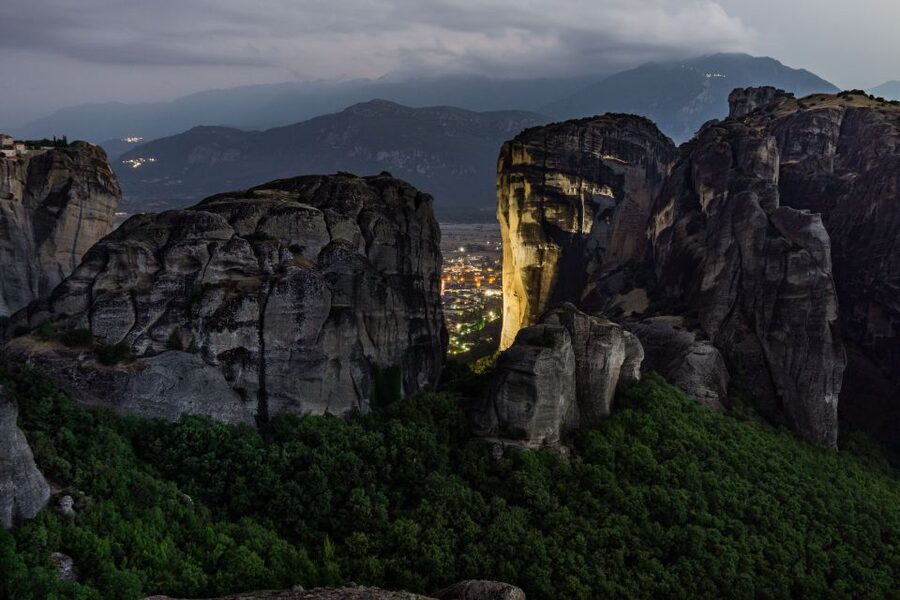
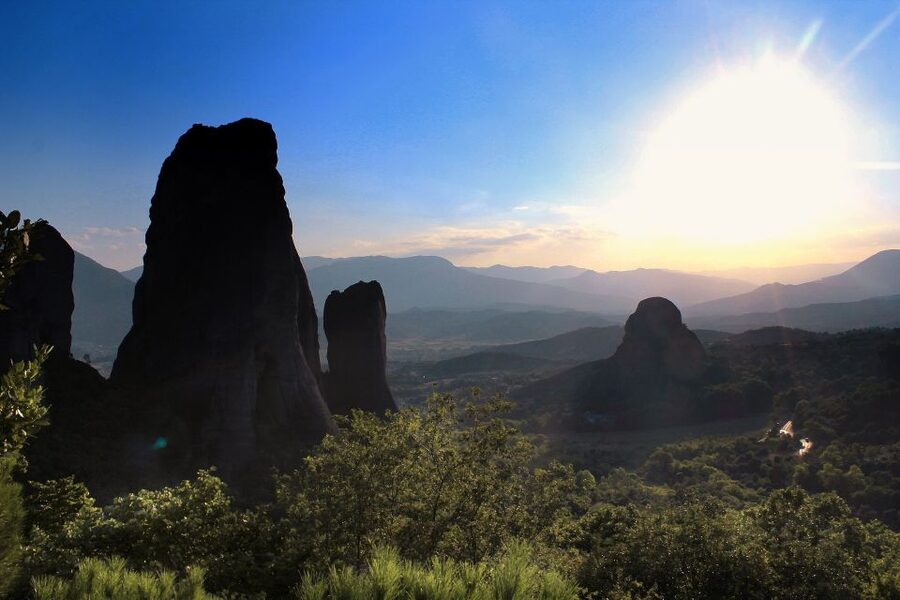
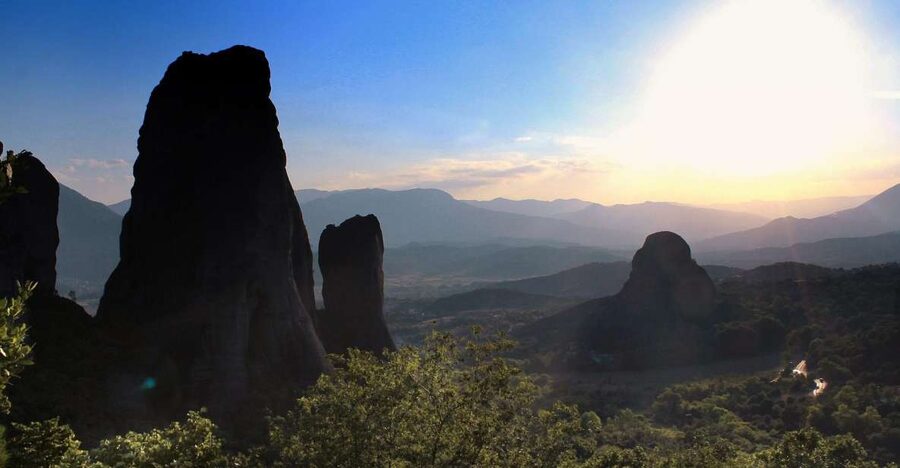
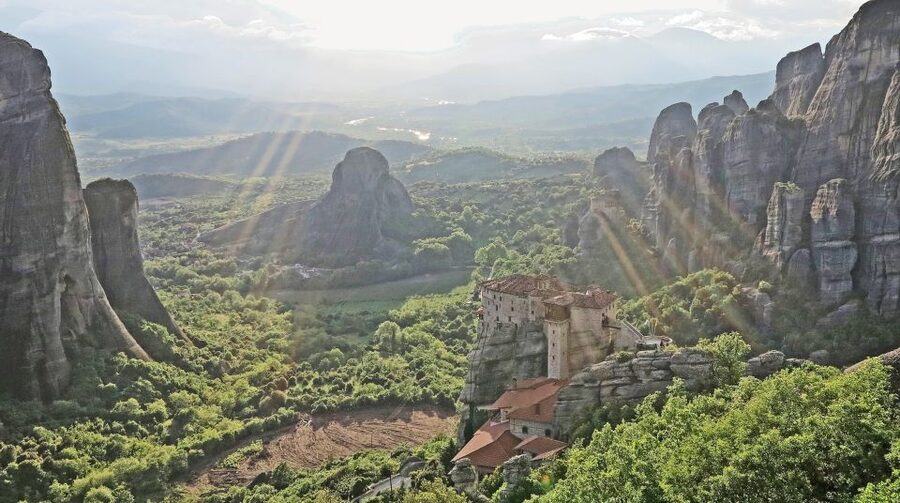
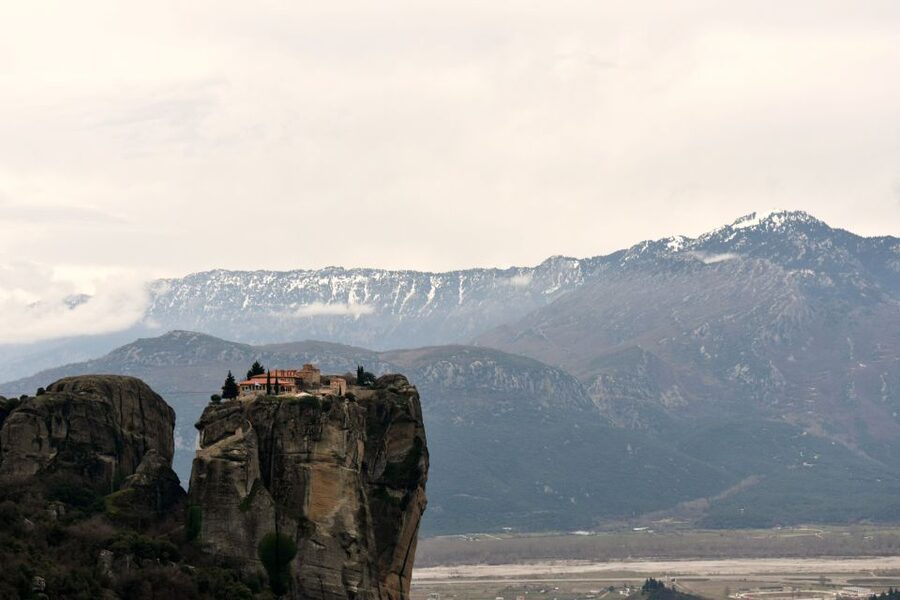
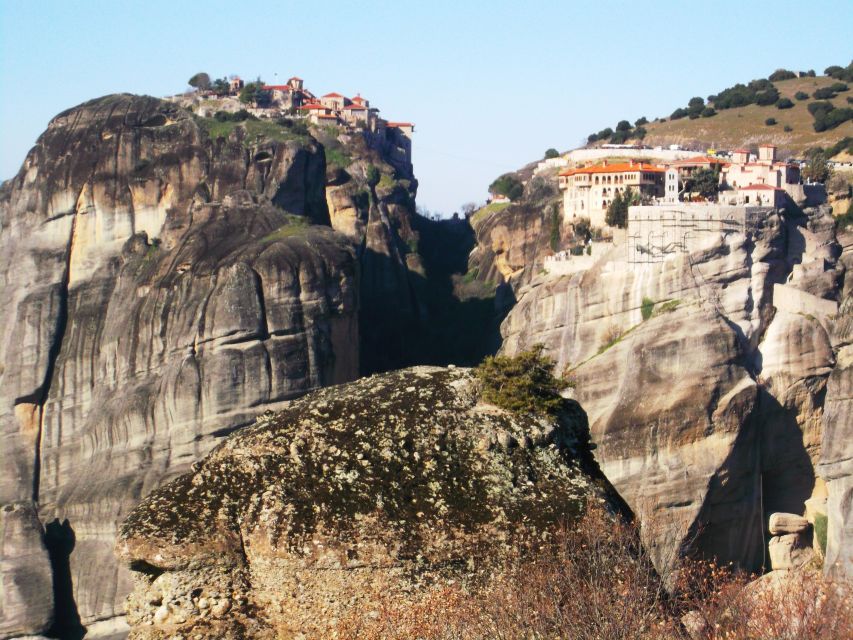
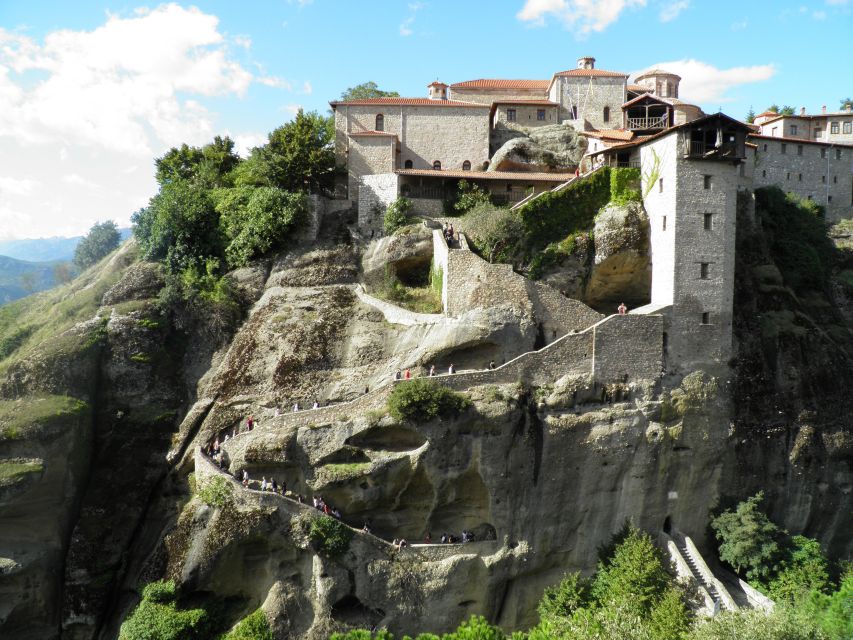
Meteora is the emotional high point of the trip. Huge rock pillars rise above the plain, topped by Orthodox monasteries that seem to grow directly from the stone. The effect is startling even in photographs, and the real setting is far more powerful.
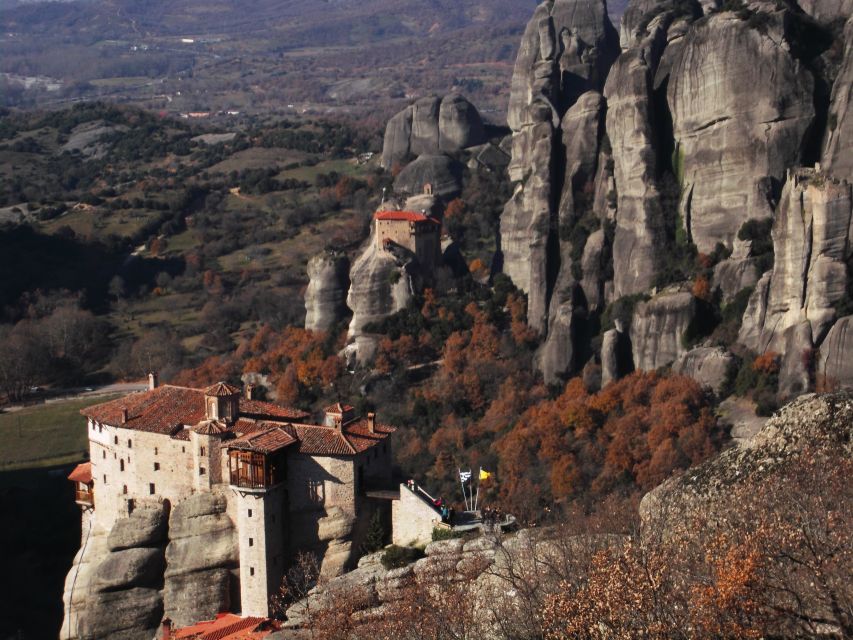
The monasteries were built by Eastern Orthodox monks and nuns seeking remote places for prayer. Their position helped protect the communities and gave them a secluded setting. Today, you visit some of these religious houses with a guide, learning about their history, faith, and unusual construction.
You should expect steps and uphill walking. St. Stephen’s Monastery is easier to reach than some of the others, while another monastery may require a more demanding climb. Comfortable shoes are not optional here. The site is not a quick photo stop, even though the schedule can make it feel that way.
Dress is strictly important. Women must wear a long skirt and men must wear long trousers to enter the monasteries. Carry a long skirt or wrap if needed, and do not rely on shorts being accepted. Sleeveless or casual clothing may also be unsuitable for a religious site, so modest dress is the sensible choice throughout the day.
Your guide’s role is especially important at Meteora. Guides such as George, Christina, Dominique, and Joy have been praised for explaining the monasteries with warmth and care. Dominique was even able to help with a special request to honor a recently deceased friend, a small example of the personal attention a good guide can bring to a group visit.
The main limitation is crowding. Several large coaches can arrive at the same time, creating lines at the entrances and reducing quiet time for photographs. Some people have wished for a smaller group, a later schedule, or a sunset stop. The scenery is still extraordinary, but you should not expect a private or meditative visit at peak times.
More Meteora monastery days:
- Athens: Meteora Monasteries Day Trip with Caves and Lunch
★ 4.7 · 2,964 reviews - Athens: Meteora Monasteries Day Tour with Lunch
★ 4.8 · 2,196 reviews - Athens: Meteora Tour with Local Guide and Greek Lunch
★ 4.8 · 1,561 reviews - Athens: Meteora Monasteries, Caves & Coastal Stopovers with Lunch
★ 4.5 · 1,432 reviews
Thermopylae and the monument to Leonidas
On the return to Athens, the route passes through Trikala and Lamia before stopping at Thermopylae. Here you see the monument to Leonidas I, the warrior king associated with the famous battle at the narrow pass.
The stop is brief, but it adds useful historical context to the return journey. Delphi represents ancient religious life, Meteora represents Orthodox spiritual life, and Thermopylae connects the trip to the military ideals of classical Greece.
Do not expect a long archaeological visit at Thermopylae. The value is in seeing the monument and hearing the story from the guide, not in spending hours at a large ruin complex. It is also a welcome break after the long drive from Meteora.
The ride back to Athens can take much of the day. In normal conditions it is already a substantial journey, and afternoon traffic can make it longer. One reported return took close to six hours rather than the expected four, while hotel drop-offs in Athens can extend the final part even further. If you have a flight, ferry, or timed reservation that evening, leave a generous margin.
How the $259 price compares with the effort
At $259 per person, the tour is not the cheapest way to see Delphi and Meteora, but the price covers several costly and inconvenient elements. You receive round-trip coach transport, a guide, hotel accommodation, breakfast, dinner, entrance fees for Delphi and Meteora, air conditioning, and Wi-Fi.
The strongest value comes from the distance covered. Reaching both sites independently requires careful planning, especially because they are in different parts of Central Greece and public transport connections may not fit neatly into a two-day plan. The overnight in Kalabaka also saves you from returning to Athens between visits.
The value is weaker if you want control over meals and time. Lunch is not included, and the designated restaurants have been a recurring source of frustration. Some stops offer limited menus at high prices, and the food may not justify the cost. You may prefer to carry snacks and keep your lunch spending modest.
The hotel upgrade needs a close look. A three-star room can be perfectly adequate, and some people have received a comfortable property in central Kalabaka with a fine view. Others have found the basic hotel disappointing. A higher category may improve the room, but it is not always located in the town center, so paying more does not guarantee the best overall setting.
The $259 price makes the most sense if you value simple logistics over complete freedom. It is less attractive if you are happy to drive, arrange accommodation, and select your own restaurants.
Guides, group size, and the pace of the day
The guides are among the tour’s strongest features. Several have been praised for explaining Greek history in a clear and lively way, while also sharing details about culture and religion. Anthony, George, Demi, Sofia, Militsa, Thomas, and Joy are names associated with especially strong experiences, though your guide will depend on the departure.
A good guide also keeps a large group moving. Groups can approach 40 people, and punctual passengers make the schedule work. You will receive meeting instructions at each stop, so keep track of the return time and do not wander beyond the agreed area.
The downside of a large group is sound and space. Some people have found the bus speakers or mobile audio devices hard to hear. If you are at the back, sit where you can hear clearly, and ask the guide to repeat important instructions if needed.
The schedule is active but not punishing for anyone comfortable with long rides and stairs. You get regular breaks, but the sightseeing windows are fixed. Delphi is the stop most likely to feel short, while Meteora usually receives more of the emotional attention because the views are so dramatic.
What to bring and how to prepare
Pack light for the overnight, since you will only need one night’s clothing and your monastery outfit. Keep your main luggage easy to identify and carry a small day bag with water, snacks, medication, a phone charger, and a light layer.
Your best preparation is practical:
- Wear comfortable walking shoes with good grip.
- Bring long trousers for the monasteries.
- Pack a long skirt or wrap if needed for monastery entry.
- Carry snacks, since lunch stops may be costly or limited.
- Bring motion sickness medication if winding roads affect you.
- Keep some cash available for drinks, lunch, and the hotel tax.
- Allow extra time after the scheduled return to Athens.
The weather can change in the mountains, and rain can limit how much of Delphi you see. A small waterproof layer is useful, especially outside the warmer summer months.
Who should book this two-day route?
I would recommend it to first-time visitors who want to see Delphi and Meteora without renting a car. It suits solo visitors, couples, and families who prefer a guide and organized transport. The overnight gives you a brief taste of Kalabaka, and the combination of ancient ruins, mountain scenery, monasteries, and Thermopylae provides a strong overview of mainland Greece.
It is also a good fit if you enjoy history explained on the move. Guides often fill the bus rides with stories, and the best ones make the long stretches feel purposeful rather than wasted.
I would hesitate if you need lots of personal space, dislike coach travel, or want to linger at archaeological sites. You should also consider a smaller private tour if photography, quiet, or sunset at Meteora matters more to you than price.
Should you book it?
Book this tour if you want maximum sightseeing with minimum planning. Delphi and Meteora are genuinely memorable, and the coach, hotel, meals, guiding, and entry fees make the package reasonably convenient for $259.
Go in knowing the compromises: long drives, a large group, limited time at Delphi, variable hotel quality, and lunch stops that may feel overpriced. Pack the right clothing, bring snacks, choose your hotel category carefully, and avoid scheduling anything important immediately after the return to Athens. With those expectations, this is a strong two-day introduction to two of Greece’s most remarkable places.
FAQ
How long is the tour?
The tour lasts two days, including the journey from Athens to Delphi, the overnight stay in Kalabaka, the visit to Meteora, and the return to Athens.
What languages are available?
Live guiding is available in English, Italian, and French.
Is hotel accommodation included?
Yes. One night of hotel accommodation in Kalabaka is included. A single supplement may apply if you want your own room.
Are meals included?
Breakfast and dinner are included. Lunch, drinks, and food purchased at stops are not included.
Is the Delphi Archaeological Museum ticket included?
No. Entry to the Delphi Archaeological Museum is not included in the tour price.
What should I wear to the Meteora monasteries?
Women must wear a long skirt and men must wear long trousers. Comfortable shoes are also important because some monastery visits involve steps and uphill walking.
More 2-Day Experiences in Athens
- From Athens: Delphi and Meteora 2-Day Guided Tour
★ 4.5 · 825 reviews - 2-Day Tour to Delphi & Meteora with Guide and Tickets From Athens
★ 4.0 · 692 reviews - Athens: 2 Days in Meteora with 2 Guided Tours and Hotel Stay
★ 4.7 · 376 reviews - 2-Day Delphi and Meteora Tour from Athens
★ 4.5 · 262 reviews
Just added around Athens
- Athens Hotels to Athens Airport Private Departure Transfer★ 5.0 · 40 reviews
- Private One-way Transfer between Athens International Airport and Athens Hotels★ 4.5 · 40 reviews
- Athens: Acropolis Museum Ticket with Self-Guided Audio tour App★ 3.5 · 40 reviews
- From Athens: Meteora Train Trip with Overnight Stay★ 4.8 · 40 reviews
- Athens Photography Tour★ 5.0 · 40 reviews
- Athens: Acropolis Visit and City Night Tour★ 4.7 · 40 reviews
- Delphi Full Day Private Trip From Athens With Lunch Overlooking the Sea★ 5.0 · 40 reviews
- Acropolis & Plaka Neighbourhood Private Tour with Licensed Expert★ 5.0 · 40 reviews
Meteora Monastery Tours, compared.
Meteora Monasteries Day Trip with Caves and Lunch
Read our review →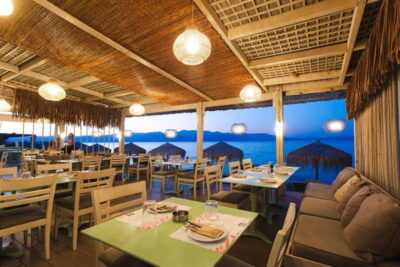

Meteora Tour with Local Guide and Greek Lunch
Read our review →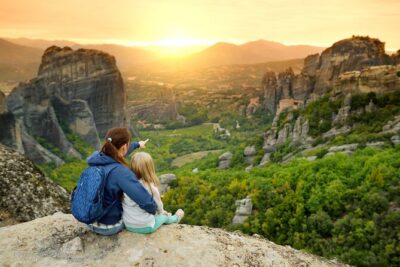
Meteora Monasteries, Caves & Coastal Stopovers with Lunch
Read our review →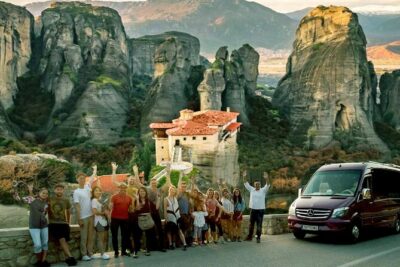
Meteora Monasteries & Caves DayTrip from Athens with Greek Lunch
Read our review →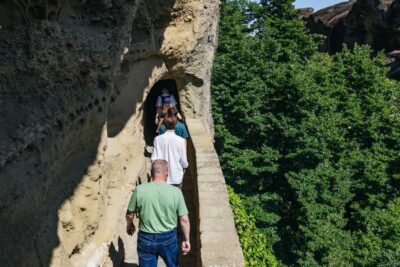
4-Day Classical Greece Tour: Epidaurus, Mycenae, Olympia, Delphi, Meteora
Read our review →Browse the lists this tour appears in