
Reviewed · OLIVE OIL TASTINGS
Corfu: Olive Oil Experience – The Governor’s Olive Mill
Olive oil tells Corfu’s story. This three-hour outing links the island’s old farming methods with modern production, then lets you taste the result at the family-run Governor’s Olive Mill. I like the careful look at both the old and new mills, and I like that the tasting teaches you how to judge oil instead of simply handing you a sample. The main drawback is timing: although the experience is sold as three hours, several departures have taken five to six hours once transport, the groves, and extra stops are included.
I also like the personal feel of the driving and guiding. Guides such as Maria, Eleni, Sotiris, George, and Spiros have helped turn the road journey into a small introduction to Corfu, with local food suggestions and bits of island history along the way. Still, the van can feel crowded, and the grove portion brings ordinary country annoyances such as mosquitoes.
In This Review
- Key points to know before booking
- Why this olive mill matters in Corfu
- The drive from Corfu to the mill
- The old museum and the Dafnis family mill
- The modern production area and award-winning oil
- The tasting lesson with bread, cheese, and dessert
- Shopping for Corfiot olive oil products
- The ancient olive groves and Mitera tree
- Gardiki Byzantine Castle and the extra history stop
- Timing, group size, and cruise-port planning
- Is $80 a fair price?
- Who should book this Corfu experience?
- Booking advice and final verdict
- FAQ
- How long does the Corfu olive oil experience last?
- Where can pickup and drop-off take place?
- What food is included in the tasting?
- Is the tour private?
- Is the activity wheelchair accessible?
- Can children join the tour?
Key points to know before booking
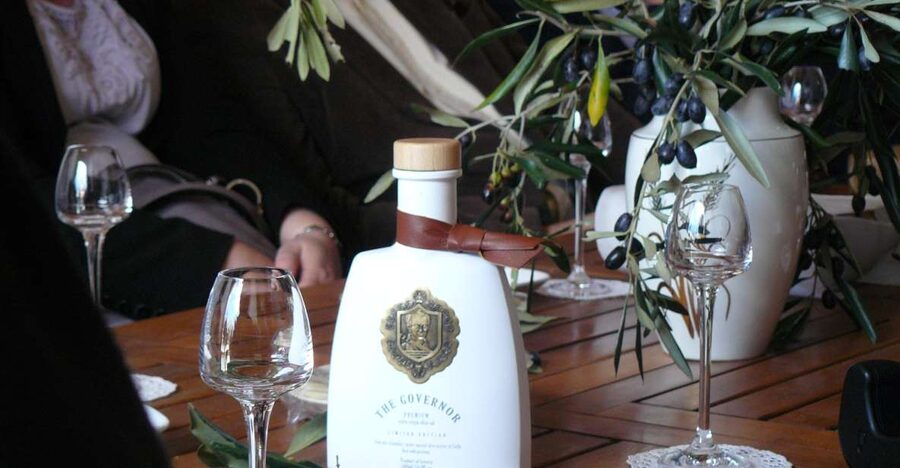
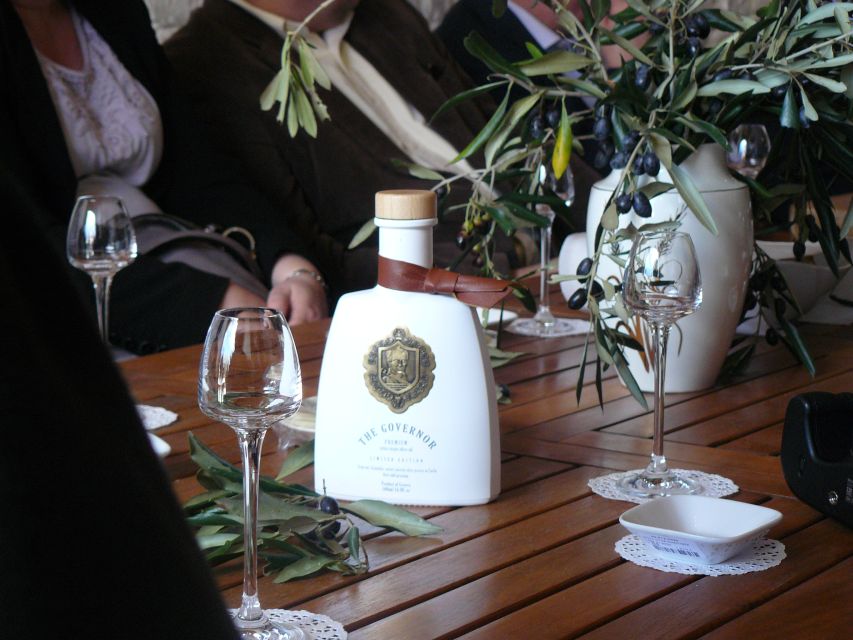
- The tasting is the heart of the visit: You sample the oil with bread, cheese, tomatoes, capers, and a small dessert, while learning how to identify quality.
- You see two production worlds: The old family loutrouvio shows the laborious traditional process, while the modern mill explains current extraction methods.
- The 1,500-year-old Mitera tree is a special stop: This ancient olive tree gives the tour a strong connection to Corfu’s farming past.
- Transport adds real value: Pickup and drop-off are offered from Corfu hotels, the port, and the airport within the stated service radius.
- The schedule needs clarification: The advertised duration is three hours, but the full outing can last five to six hours, especially with the olive groves and Gardiki Castle.
- The group information is inconsistent: The experience is described as a small group limited to 10, while another note says total attendance can reach 20 to 30 and the van holds up to eight people.
Why this olive mill matters in Corfu
Corfu is often sold through beaches, old-town lanes, and Venetian buildings. This tour shows another side of the island: the olive trees that shaped rural life, family work, food, and trade for centuries.
The Dafnis family’s mill is tied to The Governor Extra Virgin Olive Oil, made from Corfu’s Lianolia olive variety. The family presents the oil as the first monovarietal EVOO from this single Corfiot variety and the first olive oil in the world to receive a health claim. It has also received major international awards, including recognition as the Best Greek Olive Oil Brand of 2016 according to Gastronomos.
You do not need to be an oil expert to enjoy this. In fact, the tour works best if your knowledge begins and ends with choosing a bottle that says extra virgin. The presentation explains what to look for in quality oil, how to taste it, and how storage affects the product.
The health claims are part of the mill’s story, but the practical benefit for you is simpler. You leave with a better sense of what fresh, high-quality oil should smell and taste like, and you can use that knowledge at home.
More Olive Oil Tastings in Corfu
- The Governor’s Olive Mill Tour with Olive Oil Tasting
★ 5.0 · 502 reviews - Corfu: Greek Cooking Class & Olive Oil Tasting
★ 4.9 · 137 reviews - North Corfu Olive Tour With Olive oil Tasting & Meze
★ 5.0 · 89 reviews
The drive from Corfu to the mill
Pickup is usually around 9:00 to 9:30 in the morning, with the main tour beginning at about 10:30. Collection is available from selected hotels, Corfu airport, and the port, subject to the stated radius from the mill. The information gives both 25 and 30 kilometers as the pickup limit, so confirm your address before booking.
The drive from Corfu Town takes roughly 45 minutes to an hour. This is not just dead time in a vehicle. Drivers such as George, Spiros, and Sotiris have been praised for explaining parts of the island, local customs, and places to eat. One driver even stopped at a bakery so a visitor could buy baklava.
That personal road commentary can make the transfer feel like a short island orientation. It also means the quality of the day depends partly on who is driving. The repeated praise for the drivers suggests that this is one of the outing’s strongest features, but the small van format is not suited to people who dislike close quarters.
The vehicle can hold up to eight people, while the overall group information is less clear. Some details describe a maximum of 10 participants, but another note says the total group may reach 20 to 30. Ask the operator how your departure will be organized, especially if you value a genuinely small group.
The old museum and the Dafnis family mill

The first stop at the mill begins with an exhibition of old tools and machinery. You learn how olive harvesting and oil production once worked, before modern equipment changed the process.
The old loutrouvio is the most useful part for understanding the physical effort involved. The tour explains how the Dafnis family produced oil in earlier generations and how those methods were used for centuries. This is not a quick photo stop. The guide connects the machinery to daily life, showing why olive oil was central to food, work, and the local economy.
I like this historical beginning because it gives the modern machinery some meaning. Without it, a row of stainless-steel equipment can seem technical and forgettable. After seeing the old system, you understand what modern extraction is trying to improve: speed, cleanliness, control, and the protection of the oil’s character.
The old mill area is also a good fit for anyone interested in family traditions and working culture. It is less exciting for children who need constant action, though the tasting and outdoor stops may hold their attention better later.
The modern production area and award-winning oil
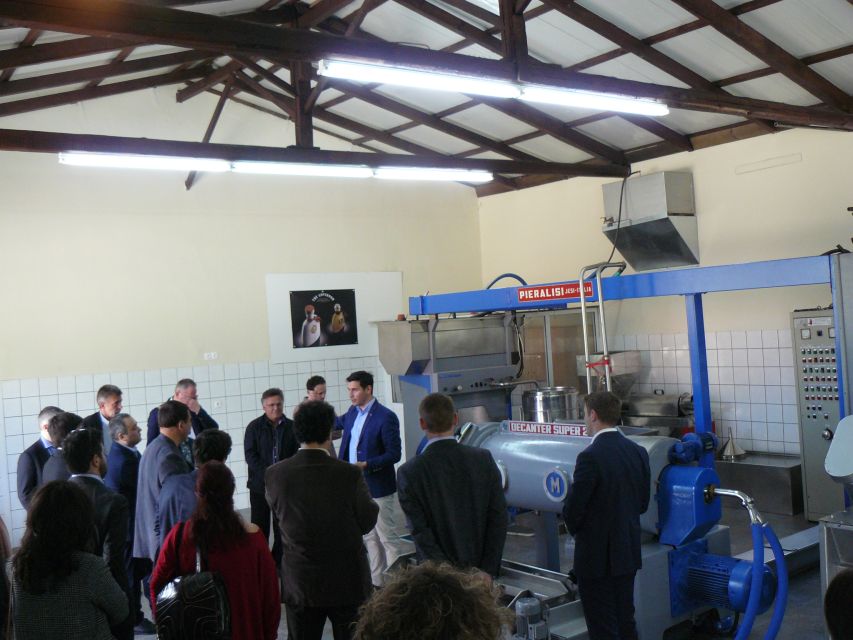
The tour then moves into the modern olive mill. Here, the guide explains the stages of processing and extraction, showing how olives become oil.
This section gives you a useful comparison between past and present. You are not simply told that the oil is award-winning. You see how the mill presents its methods and why careful production matters to the final taste.
The Governor oil is made from Lianolia, Corfu’s own olive variety. The focus on a single variety is important because it allows the mill to highlight a distinct local profile rather than blending different olives from several regions.
The mill also presents its international prizes and scientific recognition. The Governor has been described in international scientific literature as a Medical Food, with research published in The Journal of Nutritional Biochemistry. Treat these claims as part of the producer’s history and marketing, while remembering that a tour presentation is not a substitute for medical advice.
The best reason to pay attention here is practical. You learn why bottle labels, harvest information, storage conditions, and the percentage or category of oil matter. One useful lesson noted by a visitor was learning what percentage to look for in the best oil and how to store it correctly.
A completely different sort of day out in Corfu:
- From Corfu Island: Antipaxos & Paxos Blue Caves Boat Cruise
★ 4.6 · 2,963 reviews - From Corfu: Day Cruise to Paxos, Antipaxos, and Blue Caves
★ 4.6 · 2,851 reviews - Full-Day Boat Tour of Paxos Antipaxos Blue Caves from Corfu
★ 4.5 · 1,567 reviews - Corfu: City Sightseeing Hop-On Hop-Off Bus Tour
★ 4.1 · 937 reviews
The tasting lesson with bread, cheese, and dessert
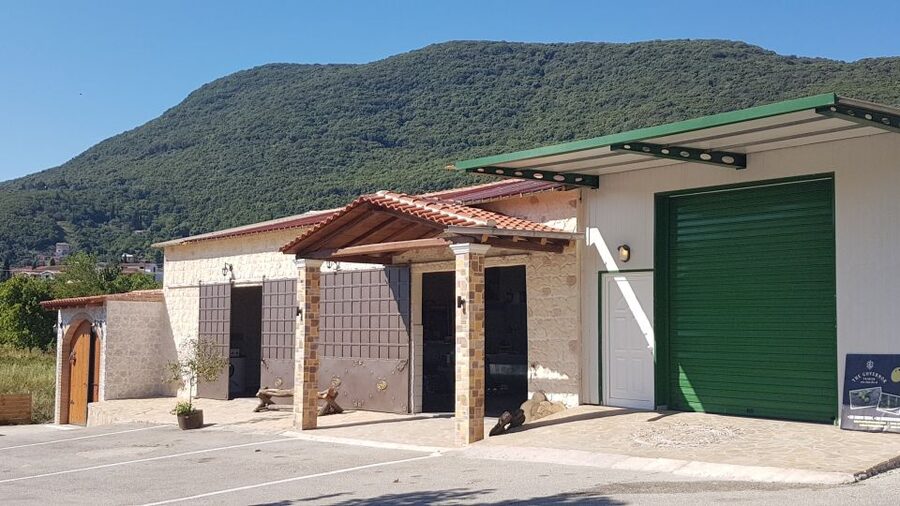
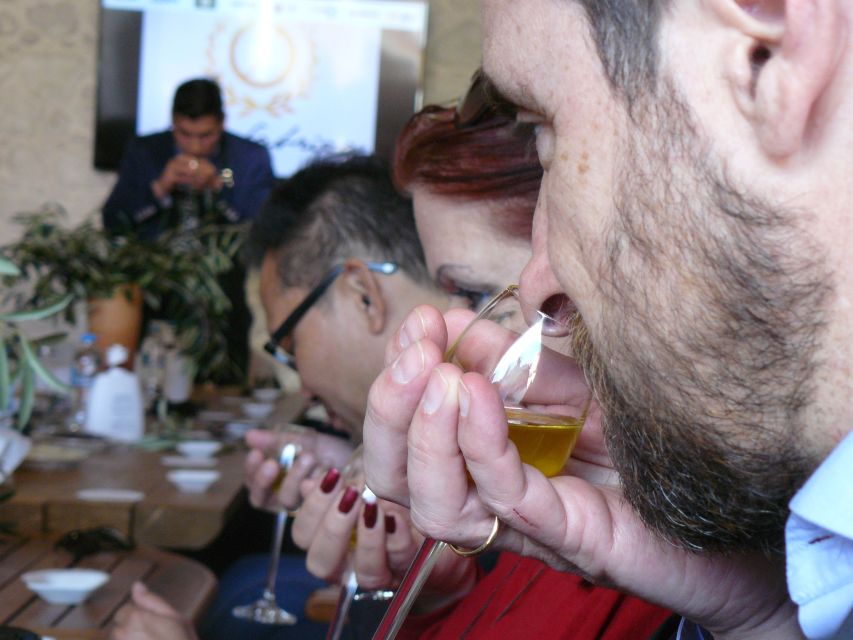
The tasting is where the tour becomes hands-on. Instead of treating olive oil as a background ingredient, the guide teaches you how to smell and taste it properly.
You sample the oil with village bread and simple local foods. The listed finger food includes cheese, cherry tomatoes and capers, a dessert such as yogurt, ice cream, or chocolate, and natural mineral water. Some tastings have included feta, yogurt, marmalade, and other rustic snacks.
The food portions are snacks, not lunch. Eat breakfast first, especially if your pickup is early. The samples are enough to make the tasting pleasant, but not enough to replace a meal.
A good tasting should help you notice fruitiness, bitterness, and the peppery sensation that can appear in fresh extra virgin olive oil. The point is not to swallow oil like a shot or pick the mildest sample. It is to compare aroma and flavor, and to understand that bitterness and a throat tingle can be signs of a fresh product rather than defects.
The guide also explains how to recognize lower-quality oil. That lesson has lasting value because you can use it when shopping at home. You may forget some of the machinery names, but you are likely to remember the difference between oil that smells fresh and oil that seems flat or stale.
The tasting is a particularly good reason to choose this tour over a simple mill visit. You do not just look around and buy a bottle. You gain a basic method for judging what you are buying.
Shopping for Corfiot olive oil products
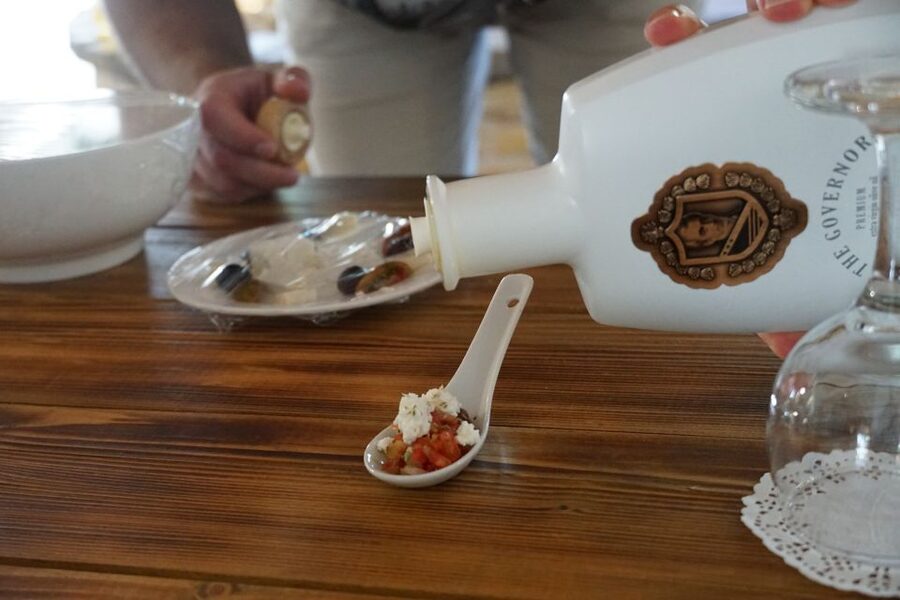
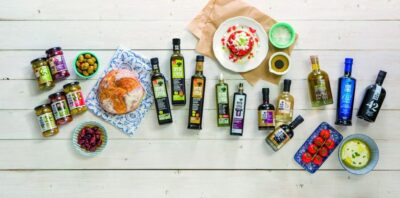
After the tasting, you can visit the mill’s exhibition shop and buy oil products. The range includes The Governor oils, with limited and premium series mentioned during the tour.
Shopping at the source can be convenient, but do not feel pressured to buy. Taste first, compare the products, and consider how you will carry bottles for the rest of your trip. Olive oil is a sensible souvenir for a food lover, though glass containers require care in luggage.
The direct purchase also helps you connect the bottle to the place where it was produced. That is more meaningful than picking up an anonymous souvenir bottle at an airport shop.
Prices for individual products are not provided, so the $80 tour price should be judged mainly on the transport, guided instruction, tasting, and countryside stops rather than on any included bottle.
The ancient olive groves and Mitera tree
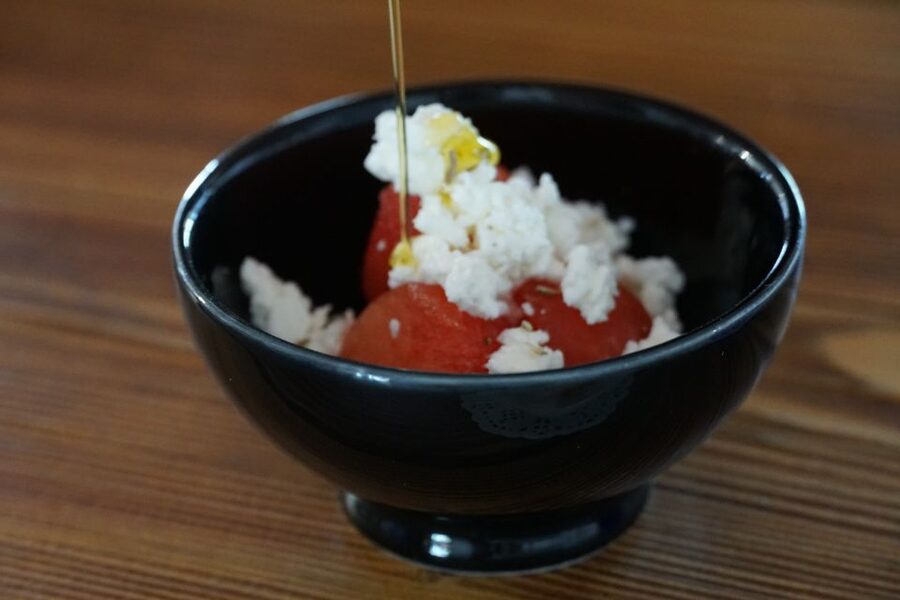
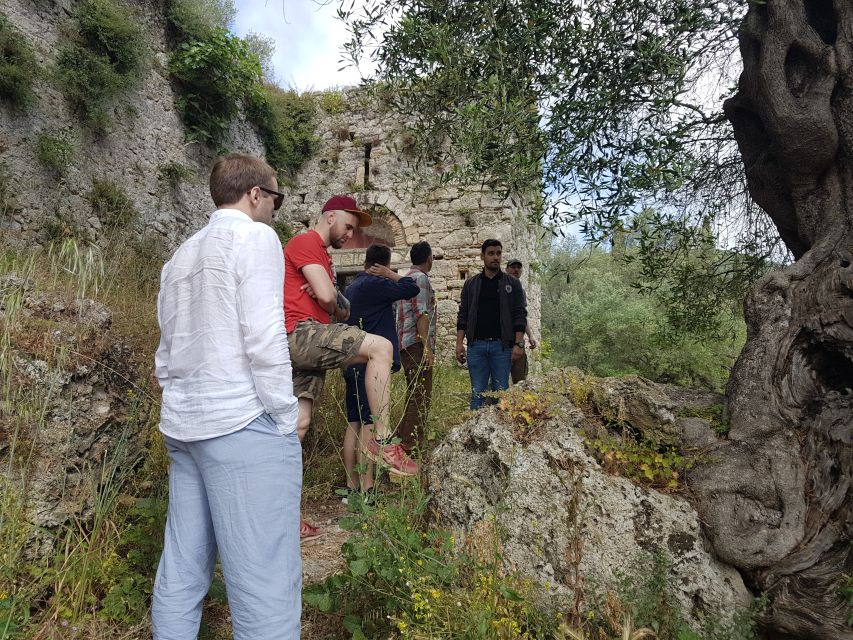
After the mill, the drive continues to the Dafnis family’s old olive groves. This is the outdoor portion of the tour, and it gives you a better feel for the scale and age of Corfu’s olive-growing tradition.
The main highlight is Mitera, or Mother, an olive tree estimated at about 1,500 years old. Some older descriptions refer to a tree of around 900 years, so the exact estimate may vary, but the point remains: this is an exceptionally old tree with a long connection to the island.
The tree is more than a large plant for a photograph. It helps explain how olive cultivation became part of Corfu’s identity across generations. You can look at the twisted trunk and think about the work required to maintain groves over centuries.
The grove stop involves walking outdoors. Wear comfortable shoes, bring water, and use insect repellent in warmer months. Mosquitoes have been a minor nuisance, though the staff has provided bite cream. This is a countryside visit, not a polished garden, so expect uneven ground and natural insects.
The grove is especially worthwhile for photographers, food lovers, and anyone interested in rural traditions. If you are visiting from a cruise ship with a tight return time, tell the driver immediately. One visitor had to skip the grove portion to make it back to the ship safely, and the driver adjusted the plan.
Gardiki Byzantine Castle and the extra history stop
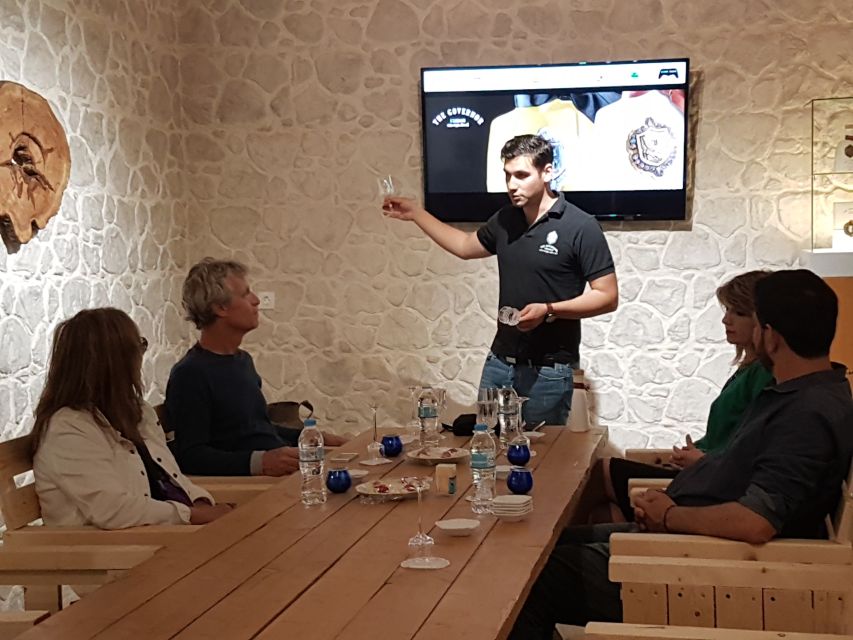
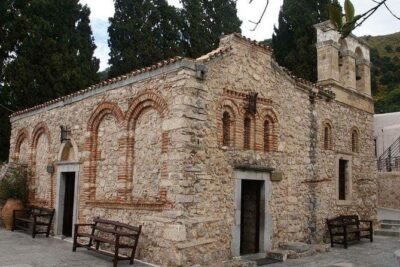
The final listed stop is Gardiki Byzantine Castle. The visit adds historical context to the olive groves and gives you another way to understand the area beyond food production.
The castle stop is described as a chance to learn more about the local past, with a short visit and walk. It is not presented as a long archaeological tour, so keep your expectations modest. Its value lies in the contrast: one moment you are thinking about trees and harvests, and the next you are looking at a defensive site connected to Corfu’s earlier eras.
Drivers have sometimes gone beyond the formal schedule to show nearby ruins or a very old church. These extra touches depend on timing and the driver, so do not count on them as guaranteed stops.
Timing, group size, and cruise-port planning
The published schedule suggests pickup around 9:00 to 9:30, arrival at the mill, a 10:30 tour, about 1.5 hours at the mill, a 20-minute drive, and a 20-minute outdoor stop. Yet several accounts describe the complete day as five to six hours.
That difference matters. If you are staying in Corfu for a full day, the longer timing may be welcome. You get transport, commentary, the mill, the tasting, the old groves, and the castle without arranging several separate journeys.
If you are visiting from a cruise ship, be more cautious. Give the operator your ship schedule and ask for a realistic return time. The port is listed as a pickup and drop-off point, but the drive can be lengthy and road conditions can affect the schedule.
The experience is not private. The van limit is eight, but total group information is inconsistent. Confirm the number of people in your departure, pickup time, and whether the grove and castle stops are included in your exact plan.
Is $80 a fair price?
At $80 per person, this is not the cheapest way to sample Greek olive oil. The value comes from the combination of services rather than the food alone.
You are paying for pickup and return transport, a guided visit to a family mill, historical interpretation, a modern production explanation, a tasting seminar, access to the old groves, and a stop at Gardiki Castle. Hiring a taxi to the mill and arranging your own return could quickly become inconvenient, especially if you do not want to drive unfamiliar rural roads.
The strongest value is for visitors who want context. A bottle of oil by itself is easy to buy. Understanding how Corfu’s olive trees, family history, machinery, and food traditions connect is harder to arrange independently.
The price is less attractive if you only want a quick tasting or if you expect a full meal. The snacks are modest, and the exact schedule may run well beyond three hours. Think of it as a half-day cultural outing with food, not as a short commercial tasting.
Who should book this Corfu experience?
I would recommend it to you if you enjoy local food, family businesses, rural history, and guided tastings. It also suits first-time visitors who want a change from Corfu Town and the coast.
It is a good pick for couples, small families with older children, cruise passengers with a generous port schedule, and anyone who wants to buy olive oil with a better understanding of quality.
I would be more careful if you have limited mobility, even though the activity is listed as wheelchair accessible. The old mill, groves, and castle may involve different surfaces and walking conditions, so confirm the practical details before paying.
Children under eight enter free, but the educational presentation may be more rewarding for older children. If your children are not interested in food or history, the three-hour advertised duration, and possibly longer actual day, could feel slow.
The tour is offered in English and Greek, with English listed as the available tour language in the practical notes. If you need another language, confirm before booking.
Booking advice and final verdict
Send the operator your number of people and exact pickup point at least 24 hours ahead. Confirm the pickup radius, because the information gives both 25 and 30 kilometers. Also ask how long your departure normally lasts and how many people will share the vehicle.
Free cancellation is available up to 24 hours before the experience, and you can reserve now and pay later. The rating is 4.9 from 138 reviews, with especially strong praise for the guides, drivers, tasting, and clear explanation of olive oil production.
Book this tour if you want to understand Corfu through one of its most important foods. The guides’ warmth, the old mill, the tasting lesson, and Mitera tree give the outing real substance. Skip it if your schedule is tight, you dislike group transport, or you want a full meal rather than a snack tasting.
For most food-minded visitors, $80 is fair value, provided you confirm the timing and group size first. You will leave with more than a bottle: you will know why that bottle tastes different and how to choose the next one.
FAQ
How long does the Corfu olive oil experience last?
The advertised duration is three hours, but the full outing can take five to six hours when pickup, the olive groves, and the Gardiki Castle stop are included. Confirm the expected return time before booking.
Where can pickup and drop-off take place?
Pickup and drop-off are available from selected Corfu hotels, the airport, and the port. The stated pickup radius varies between 25 and 30 kilometers from the mill, so provide your location in advance and confirm eligibility.
What food is included in the tasting?
The tasting includes village bread, cheese, cherry tomatoes and capers, mineral water, and a small dessert such as yogurt, ice cream, or chocolate. The food is snack-sized, so eat breakfast beforehand.
Is the tour private?
No. It is a shared experience. The information describes a small group limited to 10 participants, but another note says the total number may range from 20 to 30. The van can hold up to eight people, so confirm the group arrangement.
Is the activity wheelchair accessible?
The activity is listed as wheelchair accessible. Because the tour includes an old mill, olive groves, and a castle walk, confirm the conditions of each stop before booking.
Can children join the tour?
Yes. Entry is free for children below eight years old. The tour is conducted in English and Greek, with English listed as the available language in the practical information.
Just added around Corfu
- Corfu: Ghost Stories and Legends Tour★ 4.8 · 40 reviews
- Corfu: Aqualand Water Park Entry Ticket & Optional Transfer★ 4.7 · 41 reviews
- Corfu Parasailing – Fly High in the Sky★ 5.0 · 43 reviews
- The Amazing Glyfada Beach★ 4.0 · 43 reviews
- Corfu: Northwest Coast and Village Charms 4×4 Tour★ 4.7 · 44 reviews
- Corfu: Shore & Shared Tour – Achilleion, Mon Repos, Old Town★ 5.0 · 45 reviews
- Corfu: Customized Private Tour★ 4.5 · 47 reviews
- Rock Climbing Experience in Corfu for Beginners★ 5.0 · 47 reviews
Olive Oil Tastings, compared.
Knossos-Zeus Cave -Old Traditional Villages-Olive Oil Factory
Read our review →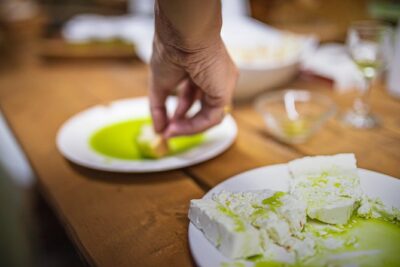
The Governor’s Olive Mill Tour with Olive Oil Tasting
Read our review →

Zeus Cave, Lassithi Plateau, Olive Oil Factory, Kritza, Pottery
Read our review →
Knossos & Lasithi Plateau: Zeus Cave,Villages, Olive Oil Tour
Read our review →
Browse the lists this tour appears in