
Reviewed · LUNCH EXPERIENCES
Chania: 7 Villages of Apokoronas Tour with Lunch
Crete tastes better beyond Chania. This eight-hour trip takes you through the Apokoronas villages, where quiet roads, family-run food shops, village cafés, and mountain views reveal a side of the island that is easy to miss from the coast. I especially like the generous food stops and the chance to meet local people in ordinary village settings. The air-conditioned vehicle, careful drivers, and guides such as Yiannis, Nikos, Alex, and Christos also make a long day comfortable.
The main thing to consider is the title. You may not make a full sightseeing visit to seven separate villages. Some stops focus on food tasting, a bakery, coffee, or lunch, so the day can feel as much like a Cretan food tour as a village tour. That is a strength if you want local flavors, but a drawback if you expect seven extended village walks.
In This Review
- Key things to know before booking
- Why Apokoronas makes a better day trip than another beach stop
- The opening drive through seven village country
- A gentle walk among springs, plants, and farms
- Greek coffee at a village kafeneio
- Vrises, the Mikis Theodorakis Theatre, and St. Antony’s Church
- The bakery stop, where Cretan food gets practical
- Cheese, honey, and the value of generous tastings
- A traditional lunch at a village kafeneio
- The guides make or break the eight-hour day
- Group size, pace, and comfort
- Who should book this Apokoronas tour?
- Should you book it?
- FAQ
- How long is the Apokoronas villages tour?
- What is included in the price?
- Is lunch included?
- What language is the tour conducted in?
- Where does pickup take place?
- What should I bring?
- Are pets or unaccompanied minors allowed?
- Can I cancel the booking?
Key things to know before booking
- Greek coffee is part of the experience: You see how traditional coffee is prepared, then enjoy it at a local kafeneio, the village coffeehouse.
- Food is not an afterthought: Bread, cheese, honey, olive-oil treats, Cretan biscuits, cheese pies, yogurt, and raki may appear during the day, with lunch included.
- The route favors small roads: You travel through countryside and hill villages rather than spending the day on major roads.
- The history reaches beyond monuments: Guides discuss Minoan and Mycenaean culture, modern Crete, plants, farming, and the Battle of Crete.
- The group atmosphere is usually personal: The tour uses a personal driver-guide and luxury air-conditioned transfers. Some departures have been very small.
- Wear sensible shoes and bring a hat: You take a gentle nature walk, and parts of the day are outdoors in strong Cretan sun.
Why Apokoronas makes a better day trip than another beach stop
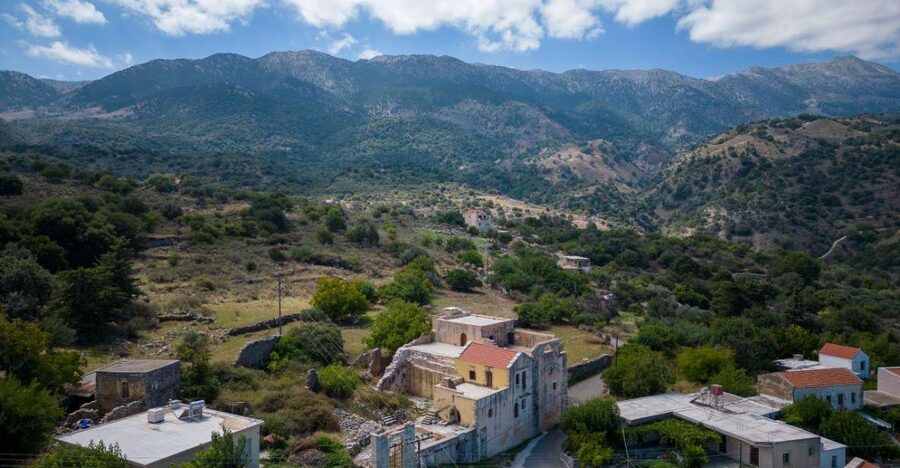
Chania is easy to love, but its old harbor can keep you in a narrow tourist orbit. Apokoronas gives you a broader view of western Crete. The area east of Chania combines olive groves, fruit trees, springs, mountain roads, working villages, and old religious sites.
I like this trip because it does not treat the countryside as scenery viewed through a bus window. You stop to smell herbs, taste local products, walk beside water, and sit in places used by local residents. That makes the region easier to understand.
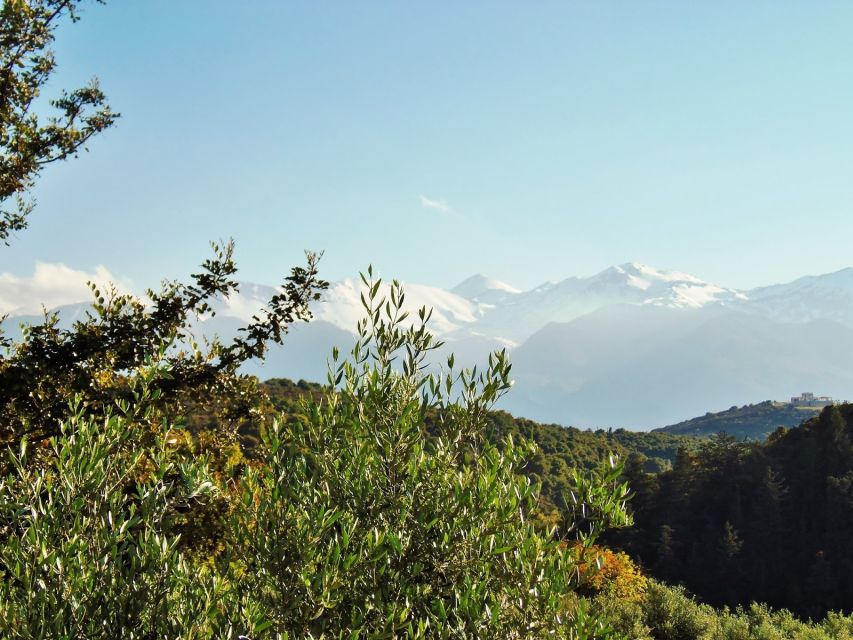
The White Mountains can appear in the distance, sometimes with snow on their upper slopes in cooler months. In warmer seasons, the route passes vegetation including oranges, lemons, avocados, olives, and wild herbs. Guides have pointed out how these plants fit into everyday Cretan food and village life.
The setting changes with the season. Spring can bring flowers and cooler walking conditions. Summer offers long, bright days but more heat. Autumn is pleasant for food and countryside visits, while winter departures can feel especially calm. The tour operates across much of the year, and weather can shape how much time you want to spend outside.
More things to do in Crete:
- From Kissamos Port: Boat Cruise to Balos Lagoon & Gramvousa
★ 4.2 · 6,755 reviews - Crete: Day Trip to Agios Nikolaos and Spinalonga Island
★ 4.6 · 4,416 reviews - From Chania: Full-Day Samaria Gorge Trek Excursion & Guide
★ 4.6 · 3,191 reviews
The opening drive through seven village country
Pickup is available from specified places in the Chania region. You need to provide exact hotel details, since the operator uses designated pickup points rather than an open-ended pickup service everywhere.
Once on board, the drive becomes part of the tour. The vehicle is air-conditioned, which matters in June, July, and August, especially after walking or eating outdoors. Several people have also praised the driving on narrow, twisting roads. That is worth noting in Crete, where village lanes can be tight and sharp bends are common.
The route is not designed as a rapid checklist. Your guide explains what you pass and stops at selected points. Past tours have included views of farming areas, springs, fruit trees, olive production, and archaeological sites seen along the way.
The exact seven villages are not fully spelled out in the available tour details, and the pace varies with the group and the day. You should think of the experience as a broad Apokoronas circuit, with several village visits and food-focused stops, rather than seven long walking tours.
That distinction helps set the right expectation. You will see more of the countryside than you could easily manage from Chania alone, but you will not spend an hour exploring every village square.
A gentle walk among springs, plants, and farms
The nature walk is one of the quietest parts of the day. It gives you time away from the vehicle and lets you notice the sounds and textures of the countryside. The walk is described as gentle, but comfortable shoes are still a good idea.
Guides have used this part of the route to explain local herbs and plants, including their practical uses. You might learn how vegetation connects to cooking, farming, and household traditions rather than hearing only a list of botanical names.
Springs are also part of the route. In hot weather, they offer welcome shade and a cooler feel, though you should not assume that you can sit in or bathe in the water. Some springs feed local water systems, and the tour does not promise a swimming or foot-soaking stop.
This is a good example of the day’s style: small observations rather than major attractions. If you want dramatic ruins or a long hike, this will feel modest. If you enjoy understanding how people use the land, it adds real value.
Greek coffee at a village kafeneio
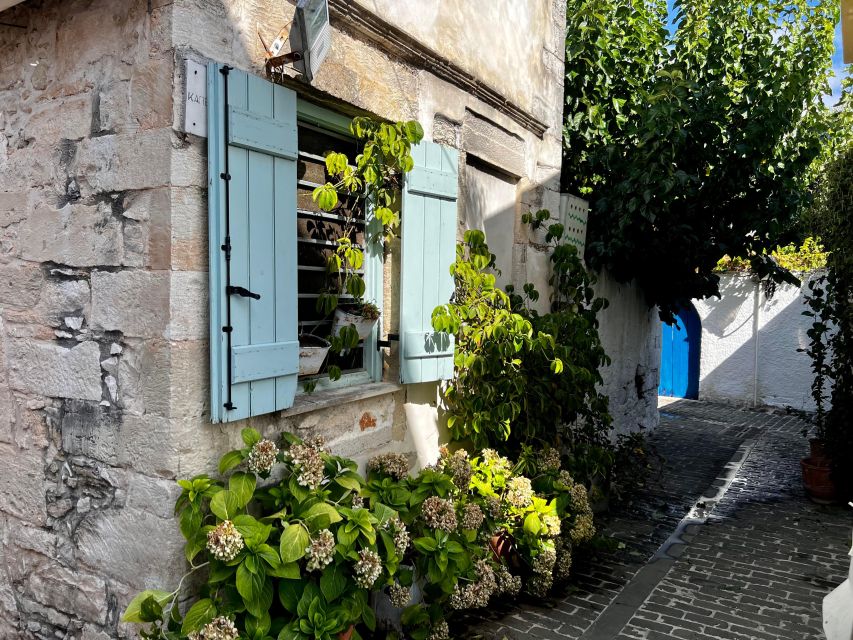
A stop at a traditional kafeneio gives the tour a human center. These cafés are social places where people meet, talk, and pass time, not simply restaurants built for sightseeing.
You get to taste Greek coffee and learn how it is made. It is a small ritual, but it helps explain the rhythm of village life. The coffee is traditionally prepared in a small pot, and the grounds remain in the cup. If you are not used to it, sip carefully and stop before reaching the thick sediment at the bottom.
The coffee stop may also include a cheese pie or another local bite. Some departures have included raki, the strong Cretan spirit often offered as a sign of hospitality. You can decline alcohol if you prefer, and you should not feel obliged to drink every tasting.
I like this stop because it slows the day down. You are not just photographing a village façade. You are sitting in a place where daily life continues around you.
A few more Crete trips worth weighing up
- Full-Day Land Rover Safari from Heraklion with Lunch
★ 5.0 · 1,351 reviews - Heraklion: Sailboat Cruise to Dia Island with Drinks & Lunch
★ 4.9 · 1,287 reviews - Heraklion: Finikia Horse Riding Tour with Lunch or Dinner
★ 4.9 · 1,231 reviews - 5Hour Safari Tour in Crete(Heraklion)with Quad,Jeep,Buggy & Lunch
★ 5.0 · 941 reviews
Vrises, the Mikis Theodorakis Theatre, and St. Antony’s Church
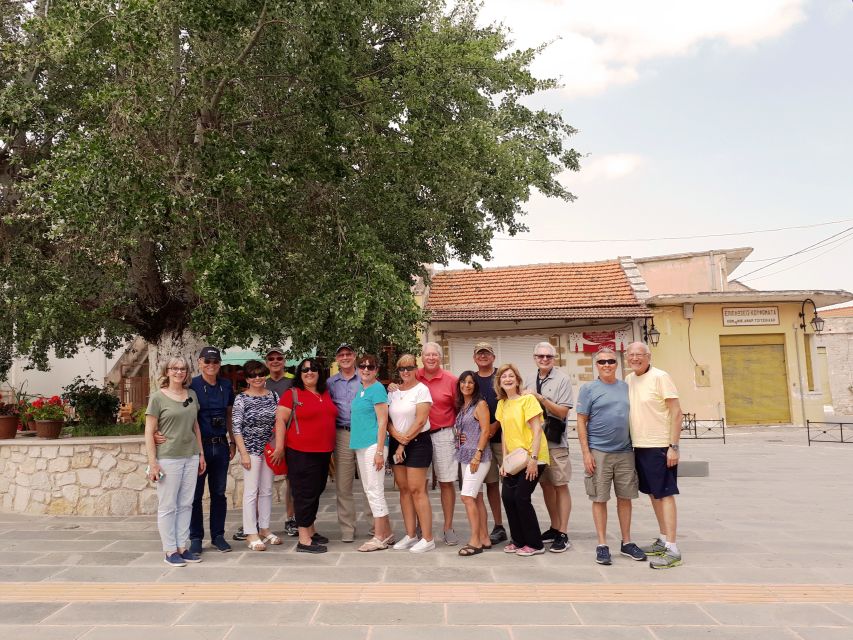
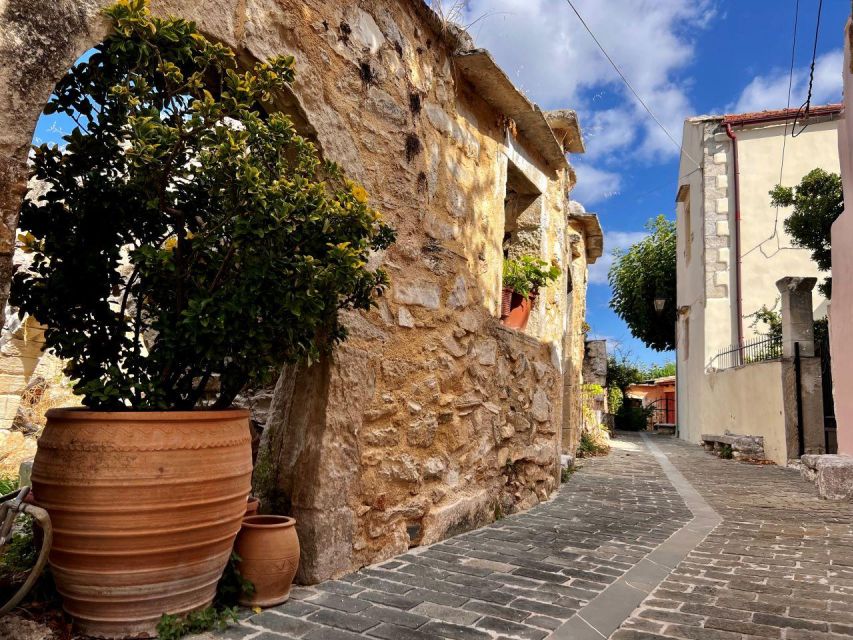
Vrises is presented as one of the notable village stops. It is associated with running water, greenery, and a relaxed village character. The name is often linked with springs, which fits the watery feel of the area.
The Mikis Theodorakis Theatre adds a cultural note. Theodorakis was one of Greece’s best-known composers and public figures, so the theatre connects a small Cretan village with modern Greek culture.
Another stop is the Church of St. Antony, located within rock. This is the sort of compact site that benefits from a guide. Without context, it may seem like a small religious space. With an explanation of its setting and purpose, it becomes a more memorable sign of how worship and local geology can meet.
The tour includes entrance fees, so you do not need to budget separately for the stated sites. Still, do not expect a major museum visit. The appeal lies in the unusual setting and the way the stops fit into the wider route.
The bakery stop, where Cretan food gets practical
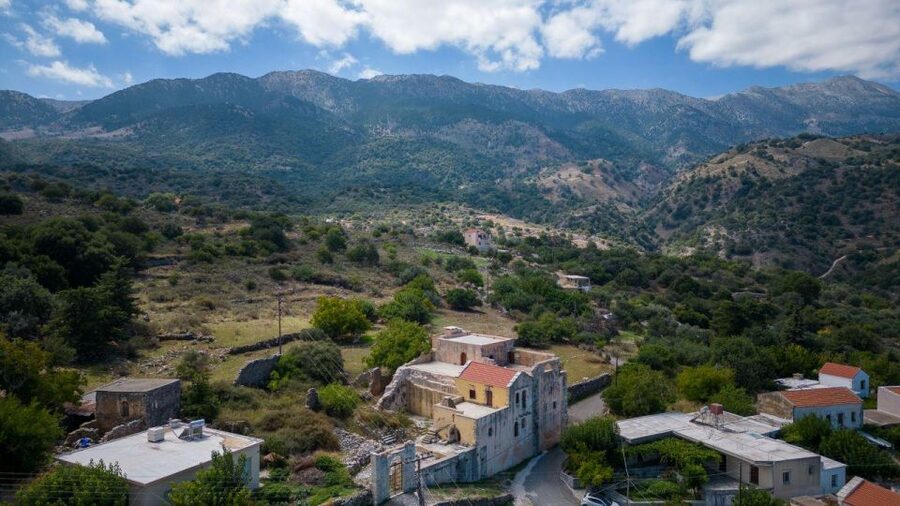
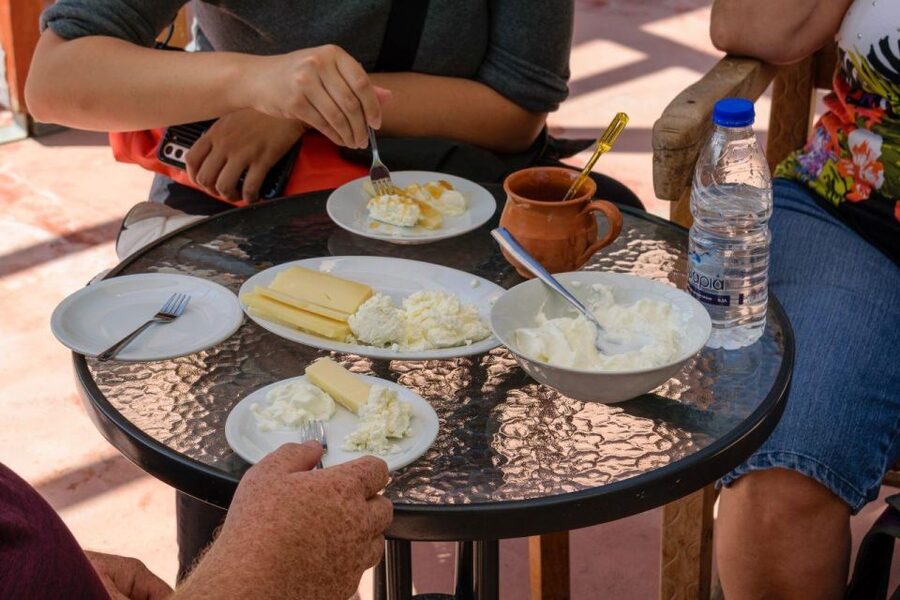
The bakery is one of the strongest parts of the day for anyone interested in food. You may taste fresh bread, olive-oil-based treats, Cretan biscuits, and other baked goods. Some visits have also included raki and time with the bakery owner.
This stop shows how ordinary staples carry local identity. Bread is not presented as a fancy souvenir. It is part of the meal, the table, and the hospitality that runs through the tour.
You may also encounter products such as yogurt, honey, cheese pies, and olive oil. The exact selection can vary, but the pattern is clear: the tour favors small food businesses and direct tasting over a polished commercial attraction.
Bring room in your bag if you want to buy something, but purchases are not stated as part of the included package. Tastings are included, along with lunch and the other listed food experiences.
Cheese, honey, and the value of generous tastings
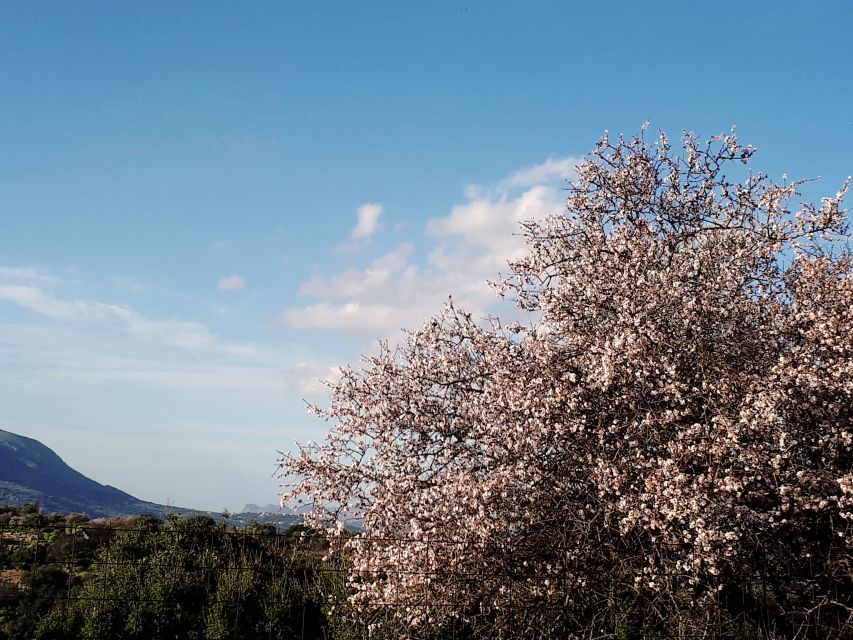
Food is where the $135 price begins to make sense. The tour includes lunch, all tastings, transportation, a driver-guide, and entrance fees. You are not paying only for a ride through the countryside.
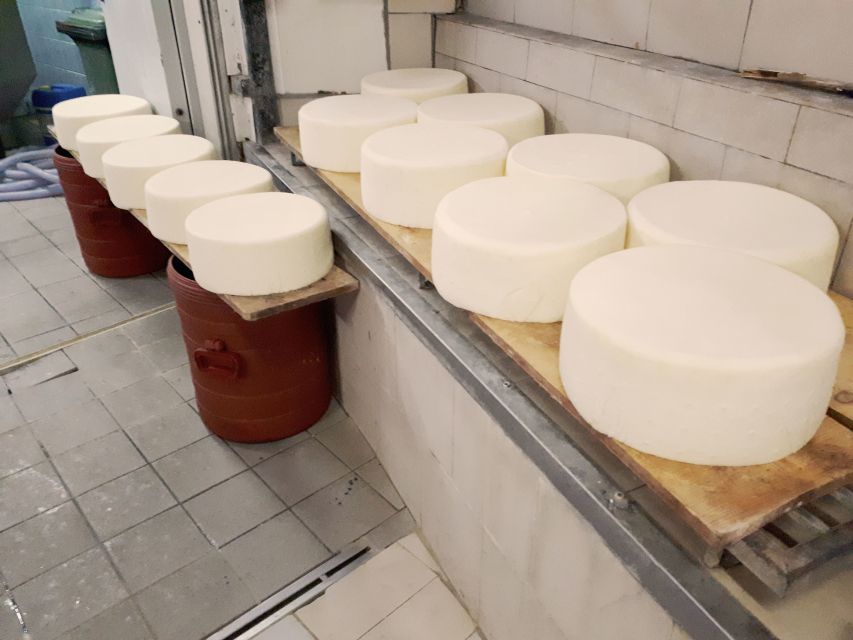
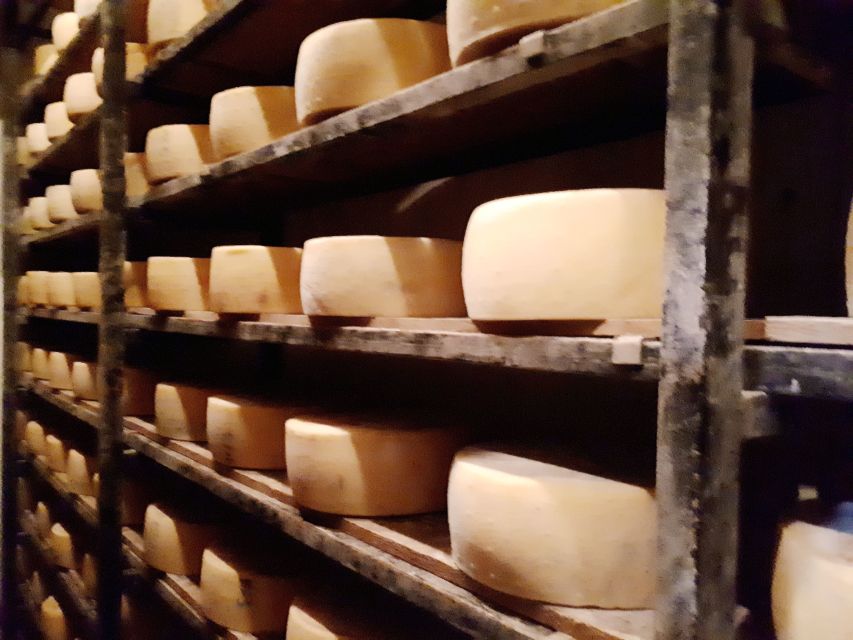
A cheese stop can include samples of locally made cheeses, sometimes paired with honey or other products. Several food experiences have been especially praised for their generous portions. One visitor singled out yogurt, cheese, and honey, while another described the local cheese shop as a favorite.
The value depends on how you normally travel. If you rent a car and visit villages independently, you may spend less on transport, but you would need to find the small businesses, arrange tastings, navigate narrow roads, and choose a restaurant. The tour bundles those pieces with interpretation.
If you are not especially interested in food, the price may feel high. A large part of the day is built around eating and tasting. For a food-loving visitor, however, the included meals and samples make the cost easier to justify.
A traditional lunch at a village kafeneio
Lunch is the final major stop and usually the biggest meal of the day. It takes place at a village kafeneio or small family restaurant, with food prepared in a traditional style.
Dishes reported during past departures have included stuffed eggplant, tzatziki, Greek salad, baked chicken, bread, and other Cretan specialties. The meal is intended to be shared and substantial, not a quick sandwich between sightseeing stops.
You should arrive hungry, although that may be difficult after the bakery and cheese tastings. The food portions can be generous, and the day has a habit of quietly piling one good bite on top of another.
The lunch is valuable because it turns food into a social experience. You sit down, talk with the group, and interact with local hosts instead of simply collecting samples. It also gives you a proper taste of rural hospitality, where the meal is part of the welcome.
The guides make or break the eight-hour day
The tour’s strongest feature is the guide. Names associated with different departures include Yiannis or Giannis, Nikos or Nikolaos, Alex, Christos, Andreas, Dimitris, Costa, and Ian. The guide assigned to your date may be different, but the role is the same: drive, explain, organize, translate the place, and keep the group comfortable.
The best guides on this route do more than recite dates. They connect ancient stories, Minoan and Mycenaean culture, recent Greek history, the Battle of Crete in 1941, farming, herbs, food production, and present-day village life.
The driving skill matters too. Apokoronas includes narrow and winding roads, and a calm driver lets you enjoy the view instead of worrying about every bend. Small touches such as cold water, photographs, and turning on the air conditioning before each drive have also made a difference on hot days.
English is the stated tour language. If you want a quiet ride with little explanation, this may feel talkative. I see that as a benefit here, since the countryside needs context to become more than a series of attractive views.
Group size, pace, and comfort
The tour lasts eight hours, so pace matters. It is not a nonstop march. You alternate between drives, short walks, tastings, coffee, village stops, and lunch.
Some departures have been small enough to feel almost private, including one with only two people. Other days have a larger small-group atmosphere. The personal driver-guide setup gives the day a more flexible feel than a large coach excursion, though you should not assume every departure will be private.
The air-conditioned luxury transfer is especially useful in summer. You still need sun protection, and a hat is specifically recommended. Comfortable shoes are sensible for the nature walk, village surfaces, and visits to older sites.
Unaccompanied minors are not allowed, and pets are not allowed. Families have taken part successfully with children when accompanied by adults, but the food-heavy, eight-hour format is best for children who can manage a full day of stops and driving.
Who should book this Apokoronas tour?
I would choose this tour if you want to:
- See rural Crete without renting a car
- Eat local food in several settings
- Learn about plants, farming, history, and village customs
- Meet local hosts in small businesses and cafés
- Get beyond Chania’s harbor and beach circuit
- Have transport, lunch, tastings, and guiding handled in one day
I would think twice if your priority is a strict seven-village walking itinerary. You may visit around four villages in a more direct sense, while other parts of the route focus on food producers, the bakery, coffee, and lunch.
The tour also suits solo visitors well. The friendly group setup and guide-led meals make it easier to feel included. Couples and families can enjoy it too, especially if everyone likes local food and a full day on the road.
The overall score is 4.7 out of 5 from 289 ratings, and the most consistent praise goes to the guides, scenery, local food, and smooth organization. That matches the tour’s real appeal: it is less about ticking off famous sights and more about giving you a well-fed, well-explained day in the Cretan countryside.
Should you book it?
Book this tour if you want an authentic food-and-countryside day with a strong local guide. The included lunch and tastings are substantial, the route reaches places you may not find on your own, and the vehicle removes the stress of narrow mountain roads.
Skip it if you want long visits at seven distinct villages, major archaeological sites, or a physically demanding hike. The title promises a village circuit, but the actual strength is the blend of villages, food producers, coffee, nature, and conversation.
For most visitors staying in Chania, I think it is a worthwhile choice. Go hungry, wear good shoes, bring a hat, and leave space for one more piece of bread.
FAQ
How long is the Apokoronas villages tour?
The tour lasts eight hours.
What is included in the price?
The $135 per person price includes pickup and drop-off from specific locations in the Chania region, an English-speaking driver-guide, air-conditioned luxury transfers, entrance fees, lunch, and all stated tastings.
Is lunch included?
Yes. Lunch is served at a village kafeneio or small local restaurant and is included in the tour price.
What language is the tour conducted in?
The tour is conducted in English with a live guide.
Where does pickup take place?
Pickup is available from specific listed locations in the Chania region. You need to provide detailed information about your hotel location.
What should I bring?
Bring comfortable shoes and a sun hat. Comfortable footwear is useful for the gentle nature walk and village stops.
Are pets or unaccompanied minors allowed?
No. Pets and unaccompanied minors are not allowed on the tour.
Can I cancel the booking?
You can cancel up to 24 hours in advance for a full refund. Reserve-now, pay-later booking is also available.
Just added around Crete
- Lasithi –Plateau Traditional Vilages★ 5.0 · 40 reviews
- The Palace of Knossos with Skip-the-Line Ticket★ 5.0 · 40 reviews
- From Chania: Preveli Palm Beach Day Tour★ 4.3 · 40 reviews
- Chania Morning Catamaran Cruise with Premium Lunch & Drinks★ 5.0 · 40 reviews
- Private South Crete Full-Day Tour-Spili, Kourtaliotiko & Preveli★ 5.0 · 40 reviews
- Stand-up Paddleboard Lazareta Experience Chania Crete (tour)★ 5.0 · 41 reviews
- Kissamos: Balos and Gramvousa Private Sailing Trip with Meal★ 4.8 · 41 reviews
- Knossos & Archaeological Museum Shared Guided Tour from Chania★ 5.0 · 41 reviews
Lunch Experiences, compared.

All Day Cruise -3 Islands to Agistri,Moni, Aegina with lunch and drinks included
Read our review →
Hydra, Poros, and Aegina Day Cruise with Lunch
Read our review →
Meteora Monasteries Day Trip with Caves and Lunch
Read our review →
3-Island Pirate Cruise with Lunch and Waterslide
Read our review →

All-Inclusive Catamaran Cruise with Lunch and Drinks
Read our review →
Athens cruise: Agistri, Moni/Metopi, Aegina with lunch & drinks
Read our review →
Meteora Tour with Local Guide and Greek Lunch
Read our review →Browse the lists this tour appears in