Reviewed · FOOD
Athens: Greek Foodie Tour with Tastings
Come hungry, Athens serves the day in courses. This four-hour walk links Varvakios Agora with bakeries, specialty shops, coffee stops, tavernas, and street-food counters. I like the wide range, from sesame bread rings and loukoumades to wine, cheese, mezze, and gyros. I also like that the food comes with local stories rather than a string of anonymous samples. The main drawback is simple: there is a lot of food, and the walking is on city streets, so this is not a good fit if you need a light snack or use a wheelchair.
The meeting point is the little church in Monastiraki Square, a handy place to begin exploring central Athens. Guides such as Maro, Maria, Tonya, Dimitra, Kathryn, Nikki, Nicolette, and Alexandra have earned especially warm praise for their friendliness and local knowledge. Bring comfortable shoes, tell your guide about allergies at the start, and expect the tour to continue in rain or sunshine.
In This Review
- Key points at a glance
- Starting at Monastiraki Square
- Koulouri and the sweet opening
- Inside Varvakios Agora’s meat and fish market
- Coffee, deli counters, and Greek pantry staples
- Evripidou Street and the smell of herbs
- Tavernas, mezze, and a full Greek meal
- Finishing with souvlaki and gyros
- Why the guides matter
- Is $62 a fair price?
- Who should book this food walk?
- Practical advice before you go
- Should you book it?
- FAQ
- How long does the Athens Greek Foodie Tour last?
- Where does the tour begin?
- Where does the tour end?
- What language is the tour conducted in?
- What food and drinks are included?
- Does the tour include hotel pickup?
- What should I bring?
- Is the tour suitable for wheelchair users?
- Can I cancel for a full refund?
Key points at a glance
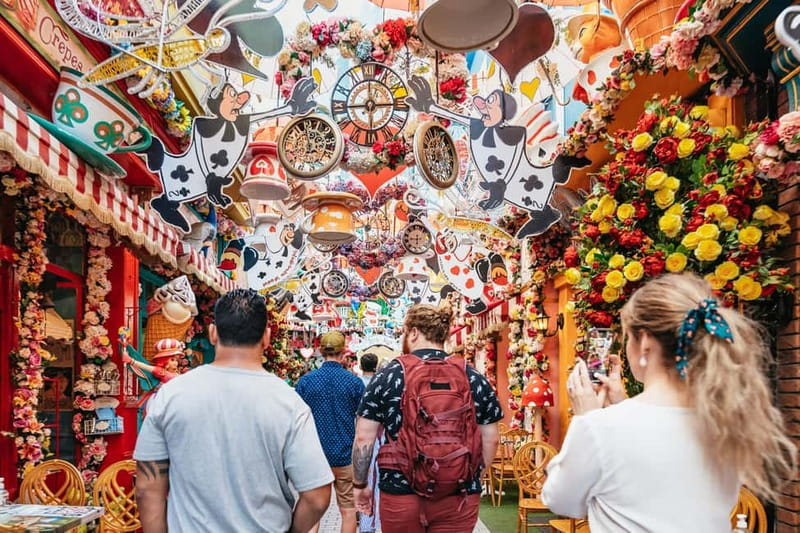
- Varvakios Agora provides the tour’s best sense of place: Walk through Athens’ central meat and fish market while your guide explains how food fits into everyday city life.
- The tastings cover a full Greek day of eating: Start with koulouri and pastries, then move through coffee, cheese, wine, olive oil, honey, mezze, and souvlaki.
- Evripidou Street adds the aromas: Specialty shops offer herbs, salamis, olives, dairy products, vinegar, and other Greek staples.
- The portions add up quickly: Several people found the final gyro difficult to finish, so follow the advice to arrive hungry.
- Guides make the difference: Maro, Tonya, Maria, Dimitra, Kathryn, and others are praised for warmth, useful food advice, and stories about Athens.
- The $62 price is strong value for a full meal: You get a guide, drinks, coffee, and all food tastings, with no hotel transfer included.
Starting at Monastiraki Square
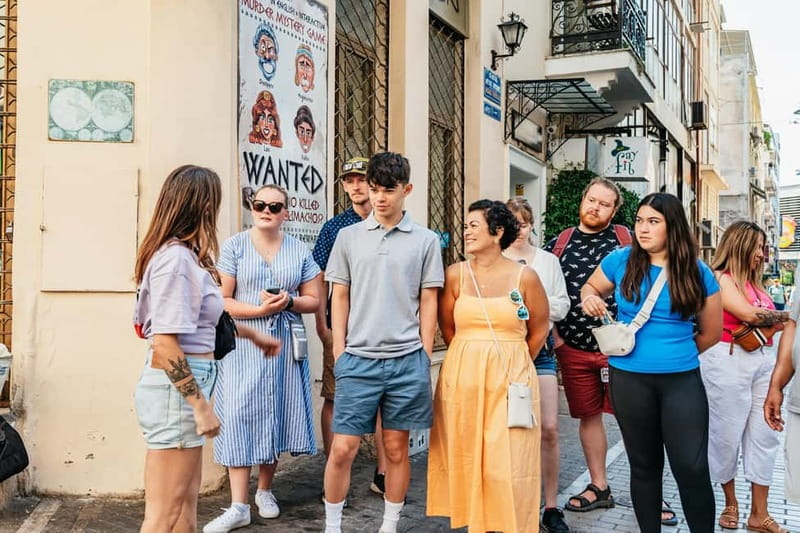
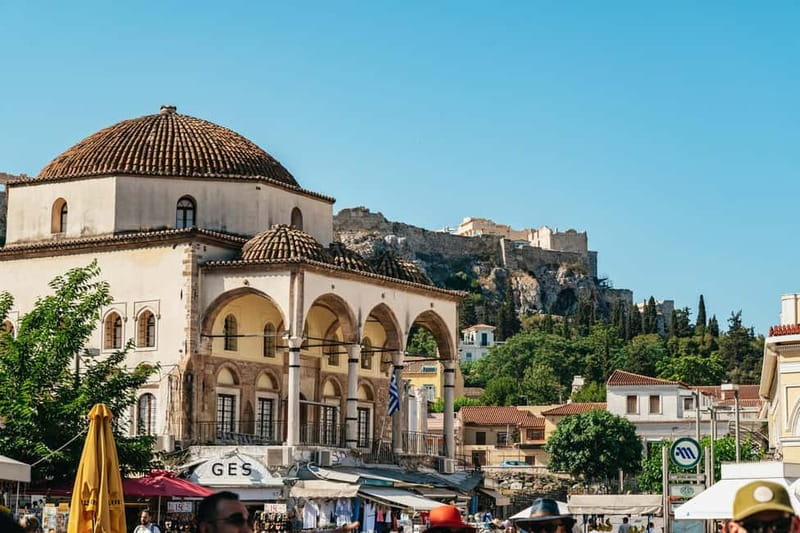
Your guide meets you in front of the small church at the center of Monastiraki Square. This is a central, recognizable meeting point, but it can feel busy, so give yourself enough time to locate the church rather than arriving at the last second.
From here, the tour makes Athens easier to read. You are not simply moving from one restaurant to another. You are walking through the food quarter around Varvakios Agora, where markets and small shops reveal what people buy, cook, and share.
The activity lasts four hours and ends back at the same meeting point. That return is useful if you have evening plans, want to visit the Acropolis Museum afterward, or prefer not to arrange a taxi from an unfamiliar neighborhood.
This is a walking tour, not a bus outing. Wear shoes that can handle pavement and several hours on your feet. The route is not suitable for wheelchair users. The tour runs rain or shine, so a light rain layer can be sensible when the forecast looks uncertain.
More things to do in Athens:
- Athens: Acropolis & up to 5 Archaeological Sites Combo Pass
★ 4.4 · 12,619 reviews - Athens: Acropolis Ticket with Optional Audio or Live Guide
★ 4.2 · 11,055 reviews - Athens: Acropolis, Parthenon & Acropolis Museum Guided Tour
★ 4.8 · 9,316 reviews
Koulouri and the sweet opening
The first bite is koulouri, the familiar Greek sesame bread ring. It is a modest food, but it gives you a useful introduction to Greek street eating: portable, inexpensive, and commonly enjoyed as part of the morning.
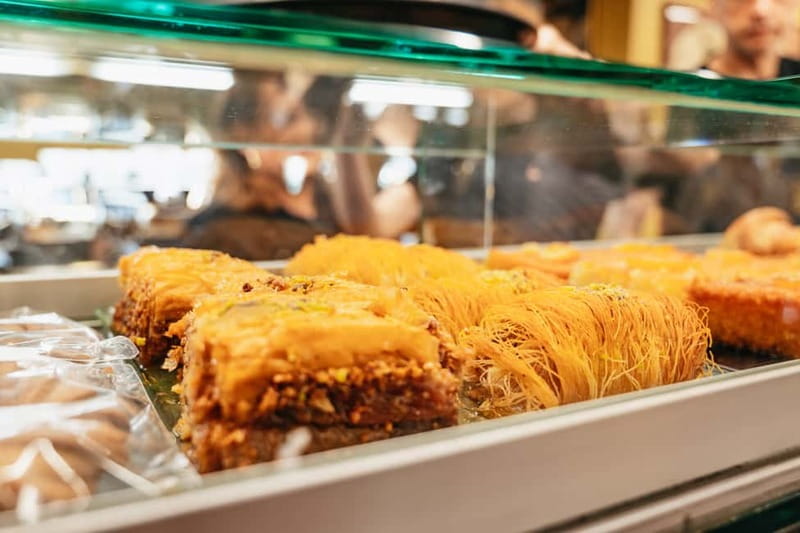
The sweet stops follow. You may taste loukoumades, small Greek doughnuts associated with an old Greek tradition, along with custard-filled filo squares. These are the kind of foods that can disappear quickly, especially when you have just started eating.
A local phyllo pastry shop adds another layer to the lesson. Filo is easy to treat as a generic pastry until you see the care behind its thin layers and fillings. The tour also includes savory pies and cheeses at a Greek bakery, so this part is not only about sugar.
I like this opening because it gives you both everyday bakery food and more celebratory sweets. It also warns you about the pace of the day. The portions may seem small at first, but the tour keeps adding them.
Inside Varvakios Agora’s meat and fish market
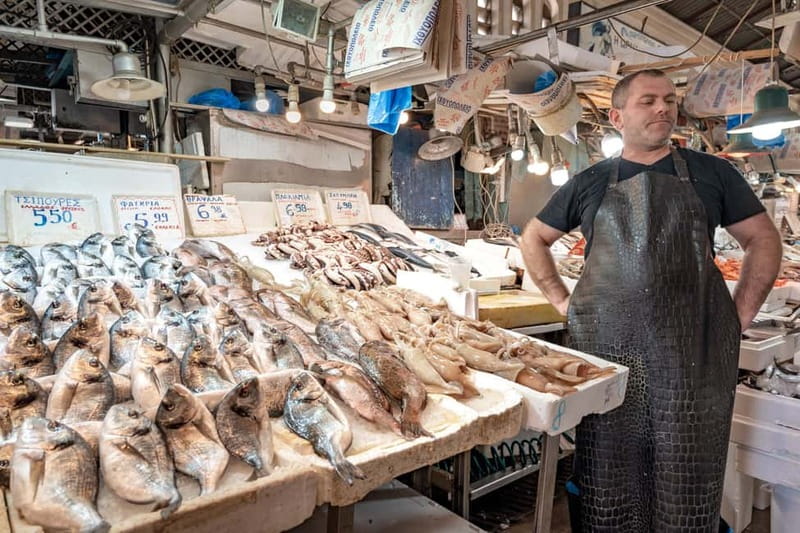
The walk through Varvakios Agora is the tour’s most atmospheric section. You pass through Athens’ well-known meat and fish market while your guide explains what you are seeing and how these ingredients connect with Greek cooking.
The market is not staged for sightseeing. You should expect working stalls, strong smells, and a more direct view of food than you get in a polished food hall. For some people, that is the point. If you are sensitive to market odors or dislike seeing meat and fish on display, this may be the least comfortable part of the walk.
The market visit also gives the meal ahead some context. Greek food is not just feta, olives, and grilled meat on a restaurant plate. Seeing the raw ingredients, the sellers, and the surrounding food businesses helps you understand the supply side of Athenian cooking.
This is also where a good guide matters. Maro, Maria, Tonya, and the other guides praised for their warmth appear to do more than announce the next tasting. They explain what you are looking at, answer questions, and keep the group connected as the route moves through busy streets.
Coffee, deli counters, and Greek pantry staples
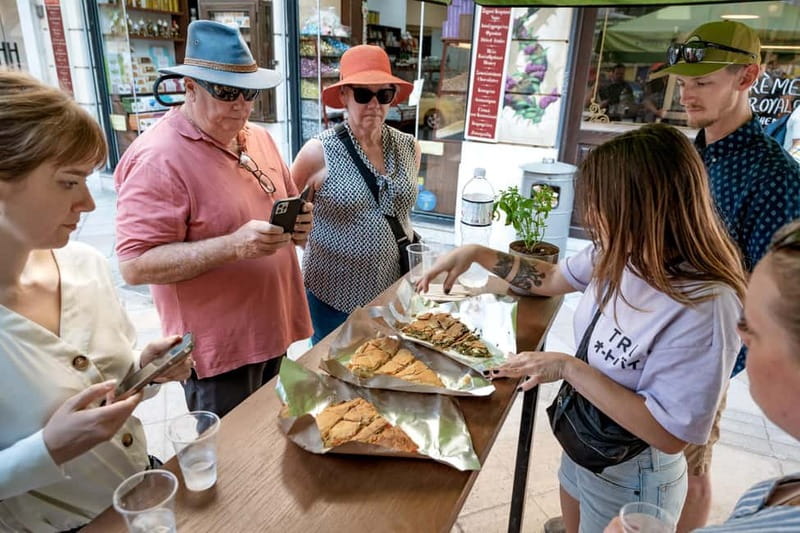
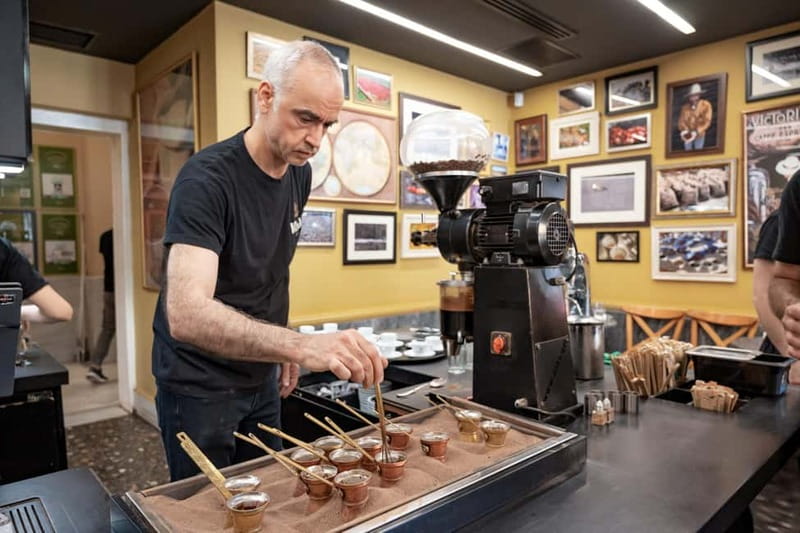
After the market, the food trail turns to specialty shops. One stop includes roasted coffee, followed by opportunities to taste or examine fresh fruit, olives, cheese, ham, and other deli products.
The coffee matters because it breaks up the rich food. It also gives you a look at the social side of eating in Greece, where a drink can be as much a pause and conversation as a caffeine fix.
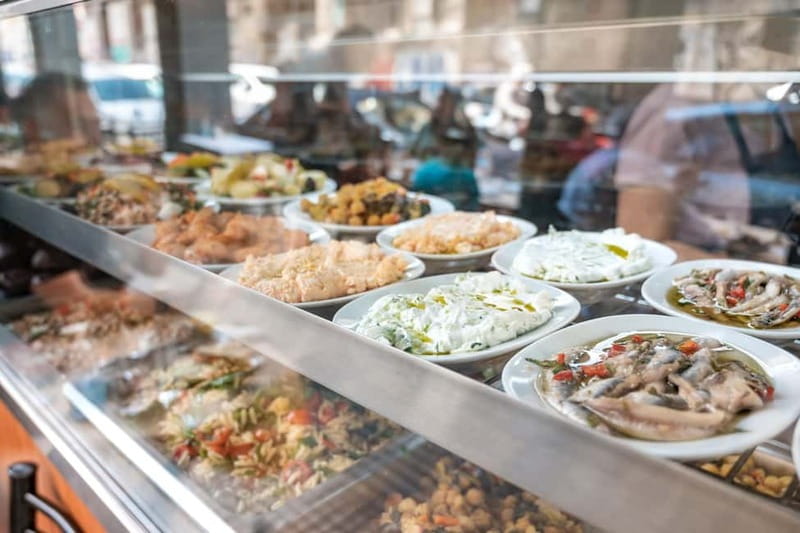
The specialty food stops are particularly useful if you want to bring Greek flavors home. You encounter olive oil, wine, mushrooms, herbs, and traditional salamis, along with other products sold by local food shops. The focus is on typical Greek goods rather than souvenir-store merchandise.
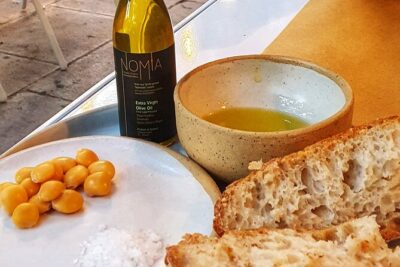
One guide, Tonya, was singled out for her enthusiasm about olive oil. That detail is worth noting because olive oil tasting can be easy to rush through. If you have never compared the flavor and quality of different oils, listen closely here. The tour gives you a chance to taste the product as food, not just as a cooking ingredient.
More food tours in Athens:
- Greek Food Walking Tour in Athens
★ 5.0 · 4,740 reviews - Athens: Street Food Tasting Tour
★ 4.9 · 2,557 reviews - Small Group Greek Traditional Food Tour in Athens 20+ Tastings
★ 5.0 · 1,759 reviews - Athens: Food Market Visit and Cooking Class with Wine
★ 4.9 · 1,087 reviews
Evripidou Street and the smell of herbs
Evripidou Street brings a strong sensory change. Aromatic herbs fill the air, and the shops carry products tied to Greek kitchens and traditional foodways.
This is one of the places where a walking tour earns its fee. You could pass through the street alone, but you might not know which smells matter, what the products are used for, or why the area is important to the city’s food trade. Your guide supplies that missing layer.
You also taste organically produced olive oil and honey, aged flavored vinegar, local wine, and Greek yogurt topped with thyme honey. The yogurt and honey combination is a fine example of Greek restraint: a plain base, a fragrant sweetener, and no need for a complicated recipe.
Local aperitifs such as ouzo and tsipouro are included too. These drinks have strong flavors, so take small tastes and keep in mind that the tour continues with more food. Wine and coffee are also included, which helps make the $62 cost easier to assess.
Tavernas, mezze, and a full Greek meal
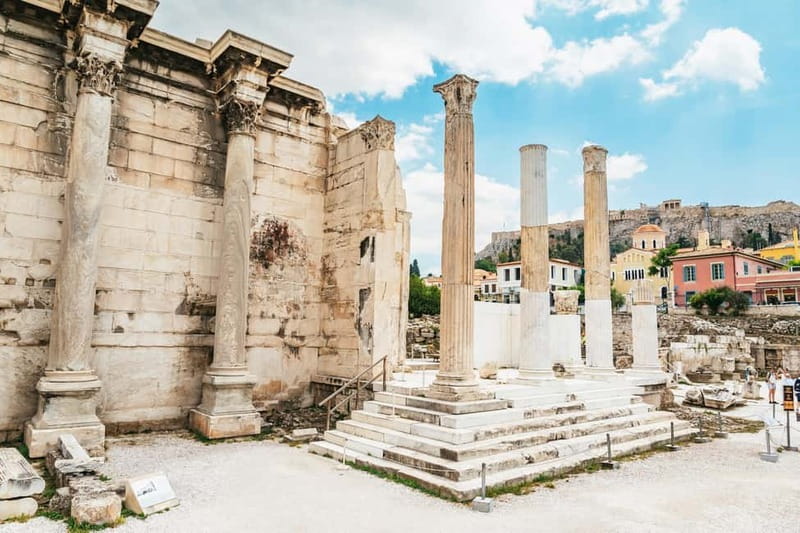
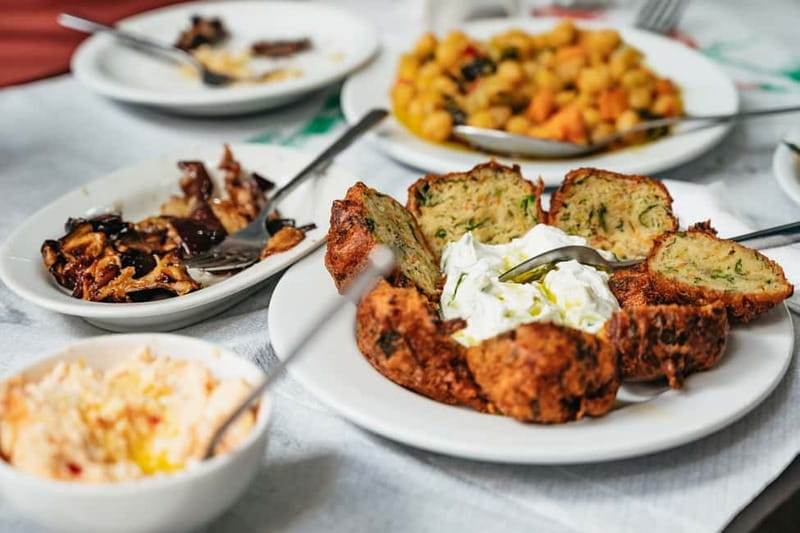
The second half of the tour moves into downtown tavernas serving Greek versions of tapas. These mezze-style dishes are designed for sharing, and they show you how a Greek meal can stretch across several plates rather than arrive as one main course.
This is a good point to slow down. The tour is not a race to collect samples. The strongest guide comments describe an easy pace, with time to hear about food customs and Athens as you move between stops.
You may taste several savory dishes here, along with wine or aperitifs. The exact balance of items can depend on the stops used that day, but the stated experience includes a proper Greek meal, not only tiny bites.
One practical note comes from the different guide experiences: the order of the heavier food may not feel identical every time. One group began with a filling taverna stop, while other descriptions place the denser meal later. The safe advice is the same either way: do not eat much before the tour, and pace yourself once it begins.
Vegetarians are not automatically left out. One vegetarian participant found enough food to eat and still enjoyed the coffee, yogurt, sweets, market, and other tastings. Still, if you have a strict dietary restriction, tell the tour leader about your allergies or needs on the day. The supplied details do not promise a fully customized vegetarian or allergy-free menu.
Finishing with souvlaki and gyros
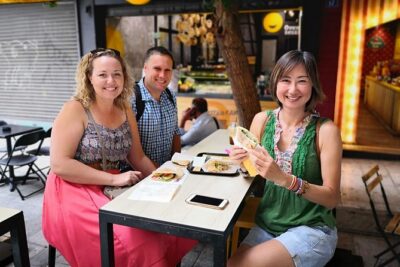
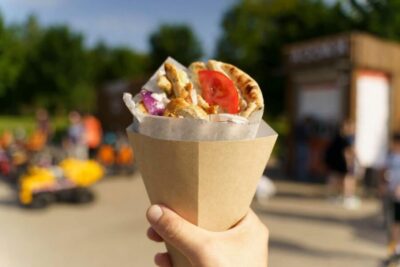
The final savory stop is a Greek souvlaki pita with pork or chicken gyros. It is a fitting finish because it brings the tour back to one of Athens’ most recognizable quick meals.
You get the contrast between the market, the bakery, the deli counter, the taverna, and the street-food stand. Greek food culture is not one single style. It includes humble bread rings, carefully made pastries, pantry goods, shared plates, grilled meat, and yogurt with honey.
The gyro can be more filling than the earlier tastes suggest. Several people were so full by the end that they saved the last portion for later or took it to go. If you are someone who likes to try everything, arrive with plenty of room.
This is also a good place to ask your guide what to order during the rest of your stay. Alexandra was praised for taking people to places she personally enjoys and shops at, while Kathryn was appreciated for helping people who did not know where to begin with Greek food. That kind of practical advice can be worth as much as the final pita.
Why the guides matter
The experience depends heavily on the person leading it. The strongest guide comments describe an informal, welcoming style rather than a formal lecture.
Maro is praised for a well-paced route and clear stories. Errol is remembered as friendly and informative. Kathryn receives credit for her passion for Greek food and culture, while Maria is praised for mixing food information with Athens history.
Tonya comes up repeatedly for her energy and warmth. Dimitra was appreciated not only for the food but also for sending Chania suggestions to a group heading there next. Nicolette was described as relatable and well connected with the local businesses along the route.
You should not book this expecting one specific guide, since guide assignments can change. But the pattern is encouraging: the tour company, Athens Walks Tour Company, appears to put real weight on the human side of the experience. A good guide turns a list of tastings into a conversation about daily life.
Is $62 a fair price?
At $62 per person, this is not the cheapest way to eat in Athens. You could buy a koulouri, coffee, pie, yogurt, and gyros for less if you choose carefully and know where to go.
The value comes from the range and organization. Your fee includes a four-hour English-language guide, all food tastings, coffee, local wine, and Greek aperitifs such as ouzo and tsipouro. It also takes you into markets and specialist stores where a first-time visitor may not know what to ask for.
The food adds up to something close to a full day of eating. That makes the price easier to justify, especially if you use the guide’s recommendations during the rest of your stay. You also avoid spending time guessing at menus or ordering a large portion of something you do not enjoy.
There is no hotel pickup or drop-off. That is normal for a central walking tour, but you should include your own transport time when planning the day. Since the tour begins and ends at Monastiraki Square, it works best when you are already staying or sightseeing in central Athens.
The activity has a 4.9 rating from 2,177 reviews, which supports the strong impression created by the repeated praise for food quality, guide personality, pace, and quantity. The main value question is not Will I get enough food? You almost certainly will. It is Will I enjoy spending four hours walking, tasting, and listening?
Who should book this food walk?
I would recommend it to first-time Athens visitors who want a quick grounding in Greek food. It is also useful for people who like markets but prefer having someone explain what they are seeing.
This suits curious eaters who want more than a restaurant meal. You taste products from several parts of the Greek food world, then see how they connect inside bakeries, shops, tavernas, and street-food counters.
It is less suitable if you want a short activity, have a small appetite, avoid alcohol, or find meat and fish markets uncomfortable. It may also be difficult for anyone who cannot walk comfortably for four hours or who needs wheelchair access.
Families and mixed groups may like the variety because sweet, savory, meat, dairy, bread, coffee, and drinks all appear during the route. Still, parents should know that the day is food-heavy, not a light sightseeing walk with one snack.
Practical advice before you go
Eat lightly before the meeting time, or follow the tour company’s advice not to eat for roughly three hours beforehand. The heavy food often comes later, and you will want room for the pastries, mezze, yogurt, and gyro.
Wear comfortable shoes and bring water. The tour includes drinks, but a long walk through central Athens can still be tiring, particularly in warm weather.
Tell your guide about food allergies at the beginning. Do not wait until a tasting is placed in front of you. The tour runs in wet weather as well as dry, so check the forecast and dress for the conditions.
If you want to take notes, write down the names of foods and shops as you go. The tour covers enough products that it is easy to forget which olive oil, herb, pastry, or cheese caught your attention.
Should you book it?
Book this tour if you want an organized introduction to Athens through food, and if you are willing to make lunch a four-hour event. The combination of Varvakios Agora, Evripidou Street, local bakeries, specialty shops, tavernas, and souvlaki gives you a broad look at the city’s eating habits.
I especially like it for the first or second day of an Athens stay. You get a meal, a market orientation, and useful advice for later dining. The price is reasonable for the amount of food and drink included, though the experience is too substantial for anyone seeking a quick bite.
Arrive hungry, wear good shoes, mention allergies, and let the guide set the pace. If those basics suit you, this is one of the more useful ways to get acquainted with Greek food in central Athens.
FAQ
How long does the Athens Greek Foodie Tour last?
The tour lasts four hours.
Where does the tour begin?
Meet your guide in front of the small church at the center of Monastiraki Square.
Where does the tour end?
The activity ends back at the meeting point in Monastiraki Square.
What language is the tour conducted in?
The live tour guide speaks English.
What food and drinks are included?
All food tastings are included, along with local wine, aperitifs such as ouzo and tsipouro, and coffee.
Does the tour include hotel pickup?
No. Hotel pickup and drop-off are not included.
What should I bring?
Bring comfortable shoes. You should also advise your tour leader about any food allergies on the day.
Is the tour suitable for wheelchair users?
No. The tour is not suitable for wheelchair users.
Can I cancel for a full refund?
Yes. You can cancel up to 24 hours in advance for a full refund. You can also reserve your place and pay later.
Just added around Athens
- Athens Hotels to Athens Airport Private Departure Transfer★ 5.0 · 40 reviews
- Private One-way Transfer between Athens International Airport and Athens Hotels★ 4.5 · 40 reviews
- Athens: Acropolis Museum Ticket with Self-Guided Audio tour App★ 3.5 · 40 reviews
- From Athens: Meteora Train Trip with Overnight Stay★ 4.8 · 40 reviews
- Athens Photography Tour★ 5.0 · 40 reviews
- Athens: Acropolis Visit and City Night Tour★ 4.7 · 40 reviews
- Delphi Full Day Private Trip From Athens With Lunch Overlooking the Sea★ 5.0 · 40 reviews
- Acropolis & Plaka Neighbourhood Private Tour with Licensed Expert★ 5.0 · 40 reviews
Food, compared.
Small Group Greek Traditional Food Tour in Athens 20+ Tastings
Read our review →
Food Market Visit and Cooking Class with Wine
Read our review →
Athens Authentic Greek Food Walking Tour (Small Group)
Read our review →