
Reviewed · 3-DAY EXPERIENCES
3-Day Ancient Greek Archaeological Sites Tour from Athens
Ancient Greece is bigger than Athens. This three-day route links Mycenae, Olympia, Delphi, Epidaurus, and the Corinth Canal without asking you to wrestle with buses, winding roads, or hotel bookings. I especially like the mix of major ruins and useful road stops, and the guides bring Greek myths to life with clear storytelling. The main tradeoff is time: the distances are long, and the archaeological visits can feel hurried in hot weather.
The $506 price includes transport, two nights in a three-star or four-star hotel, breakfast, dinner, entrance fees, and an English-speaking guide. I also like that the tour is presented as carbon-neutral, though you should budget separately for lunches, drinks, personal spending, and hotel tax. This suits you best if you want a well-organized introduction rather than several slow days at one site.
In This Review
- Key points at a glance
- Why this three-day route works
- Day one: Corinth Canal, Epidaurus, Nafplio, and Mycenae
- Day two: Olympia and the road to Delphi
- Day three: Delphi, Apollo, and the Oracle
- Guides, drivers, and the pace
- Hotels, meals, and extra costs
- Who should book this tour?
- Should you book it?
- FAQ
- How long is the Ancient Greek Archaeological Sites Tour from Athens?
- Which archaeological sites are included?
- Is the Corinth Canal included?
- Is the tour led in English?
- Are hotel stays included?
- Are meals included?
- Is the hotel tax included?
- Is Athens hotel pickup available?
- Can I book a single room?
- Is the tour suitable for wheelchair users?
- Can I cancel the tour for a refund?
Key points at a glance
- Five major ancient sites in three days: See Epidaurus, Mycenae, Olympia, Delphi, and the Corinth Canal from an Athens starting point.
- Mythology gives the ruins a human story: Guides such as Anna, Marianna, Evan, and Dimitris have been praised for connecting temples and legends.
- Olympia and Delphi require stamina: Each guided visit can last about three hours, with limited shade in summer.
- Small groups may be available: One group of nine used a comfortable minibus with air conditioning and charging ports, while other departures have used larger coaches.
- Dinner and hotels are included: Accommodation quality can vary, with especially good reports from Olympia and less consistent experiences in Delphi.
- The route is efficient, not leisurely: You cover a great deal of ground, making this valuable when independent transport would take longer.
Why this three-day route works
Ancient Greek sites are scattered across the mainland. Mycenae and Epidaurus lie in the Peloponnese, Olympia is farther west, and Delphi sits north of the Gulf of Corinth. Seeing all of them independently in three days means coordinating buses, taxis, hotels, entrance tickets, and connections that do not always line up neatly.
This tour solves that problem with a luxury air-conditioned bus or minibus, a guide, entrance fees, breakfast, and dinner. You can look out the window instead of studying road maps. The drive is still part of the experience, with olive groves, vineyards, mountain roads, coastal views, and small-town stops along the way.
The cost of $506 per person is not bargain-basement, but it covers the expensive parts of this route. Two nights of accommodation, dinners, admission to the archaeological sites and museums, and long-distance transport add up quickly. The price makes better sense if you value convenience and guiding.
You should not expect a private tour. Group size varies, and some site visits may involve a larger group or a transfer between groups. That arrangement can be confusing at times, so pay close attention when the guide gives meeting points and return times.
More things to do in Athens:
- Athens: Acropolis & up to 5 Archaeological Sites Combo Pass
★ 4.4 · 12,619 reviews - Athens: Acropolis Ticket with Optional Audio or Live Guide
★ 4.2 · 11,055 reviews - Athens: Acropolis, Parthenon & Acropolis Museum Guided Tour
★ 4.8 · 9,316 reviews
Day one: Corinth Canal, Epidaurus, Nafplio, and Mycenae
The first stop is the Corinth Canal, where the mainland narrows between the Saronic Gulf and the Gulf of Corinth. The canal is a striking piece of nineteenth-century engineering. Your stop is brief, but it breaks up the ride and gives you a chance to see the steep cut through the land.
From there, the route heads to Epidaurus. The ancient theater is the star here, famous for acoustics so precise that a voice from the stage can carry far into the upper seating. The visit is not only about stones and measurements. It shows how drama, music, ceremony, and public life were tied together in the ancient world.
You will have a guided visit, followed by time to look around on your own. Bring a hat and water, since open archaeological sites offer little protection from the sun. Comfortable shoes matter too, even though Epidaurus is one of the easier stops on the route.
The coach then continues to Nafplio, written as Nayplia in some tour material. This harbor town was the first capital of the modern Greek republic. The stop adds a welcome modern contrast to the ruins, though the schedule allows only limited time rather than a full town visit.
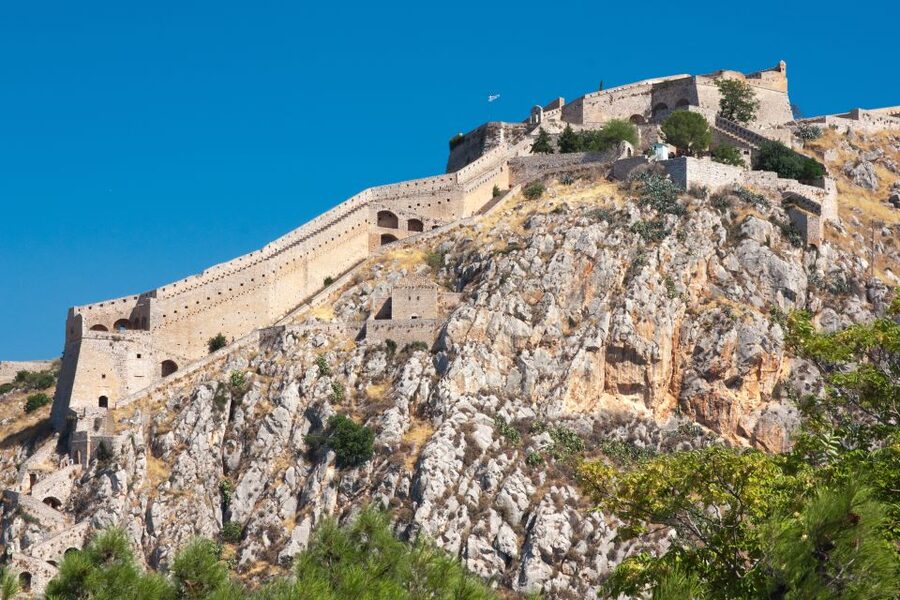
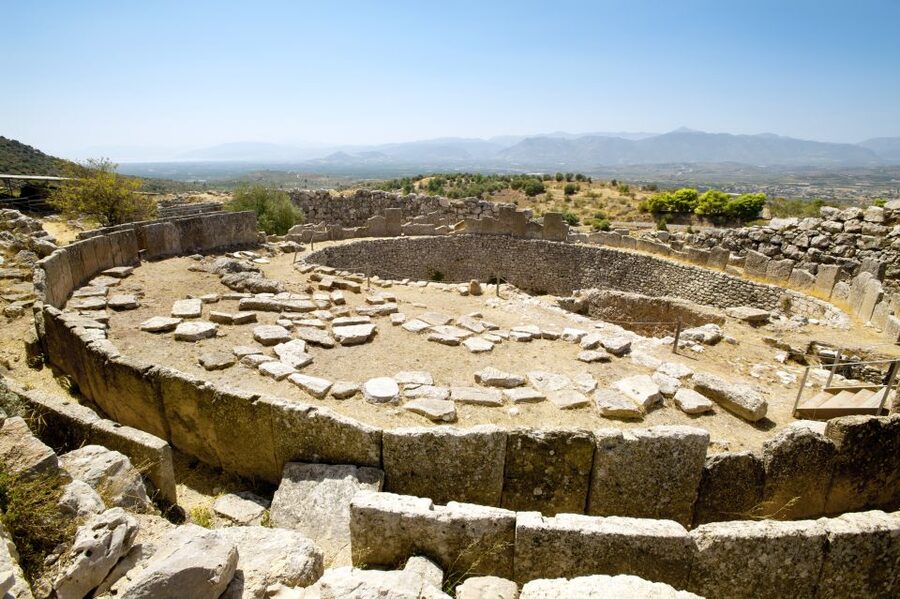
The route passes through the plain of Argos before reaching Mycenae. Here, the setting becomes more dramatic, with the citadel on high ground and views across the surrounding countryside. Mycenae belongs to the Bronze Age world of Homeric legend, and the name of Agamemnon gives the site its strong mythic pull.
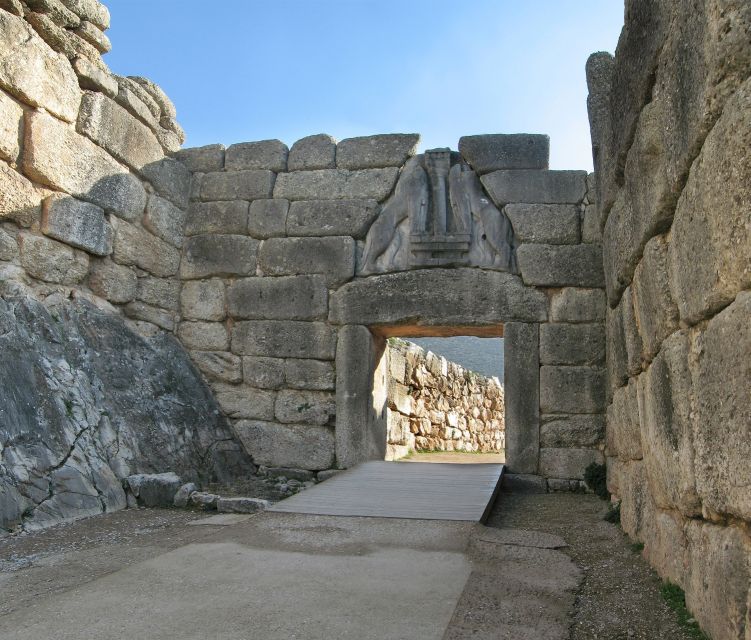
You will see the famous Lion Gate, the remains of the citadel, and the Tomb of Agamemnon, also called the Treasury of Atreus. The tomb is especially memorable for its beehive-shaped interior and carefully fitted stonework. The tomb’s traditional name links it to the legendary king, although archaeology and mythology do not always line up so neatly.
A good guide helps here. Anna, Marianna Tsigaridou, Evan, and Dimitris have each been praised for explaining the myths without losing the historical setting. Some guides also use photographs or drawings showing how the ruins may once have looked. That extra visual help matters because Mycenae is now largely a site of walls, foundations, and open stonework.
After Mycenae, the bus continues toward Olympia. Short breaks in Tripolis and Megalopolis give you time to stretch or buy a snack and souvenir. These are practical pauses, not major sightseeing stops, so do not count on extended visits.
The first night is in Olympia. Hotel quality depends on the selected category and availability, but the Olympia accommodation has received particularly strong praise, including good dinners and convenient locations. The included dinner is useful after a full day, though you will pay separately for drinks.
Day two: Olympia and the road to Delphi
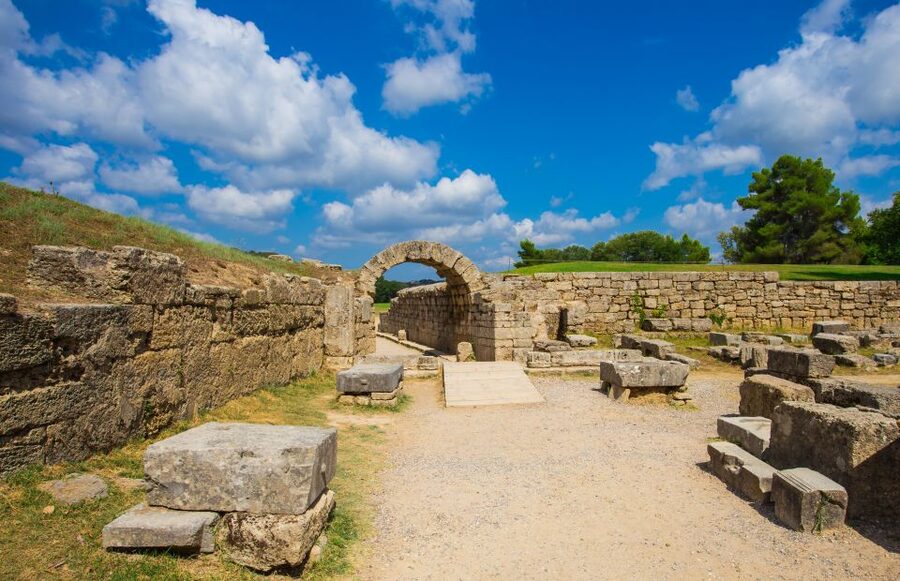
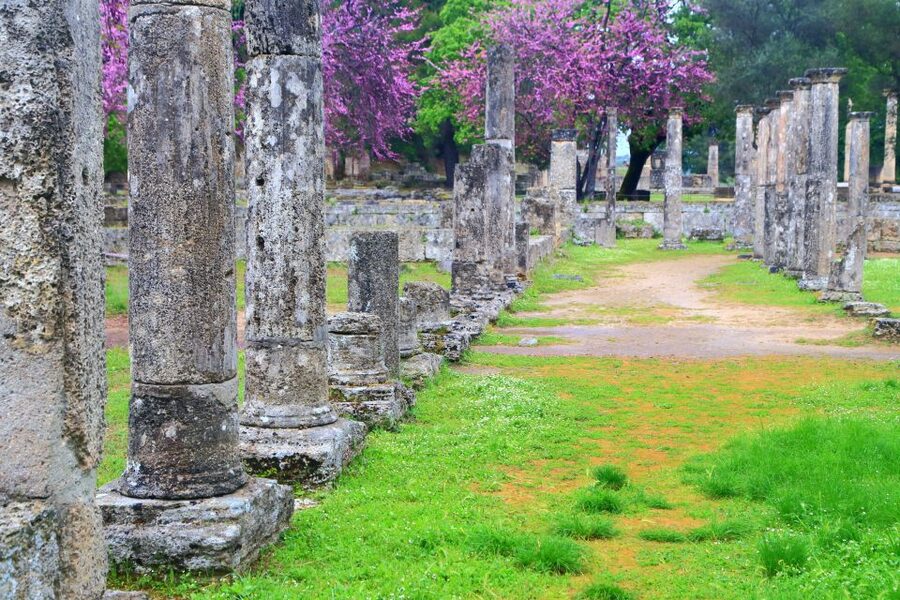
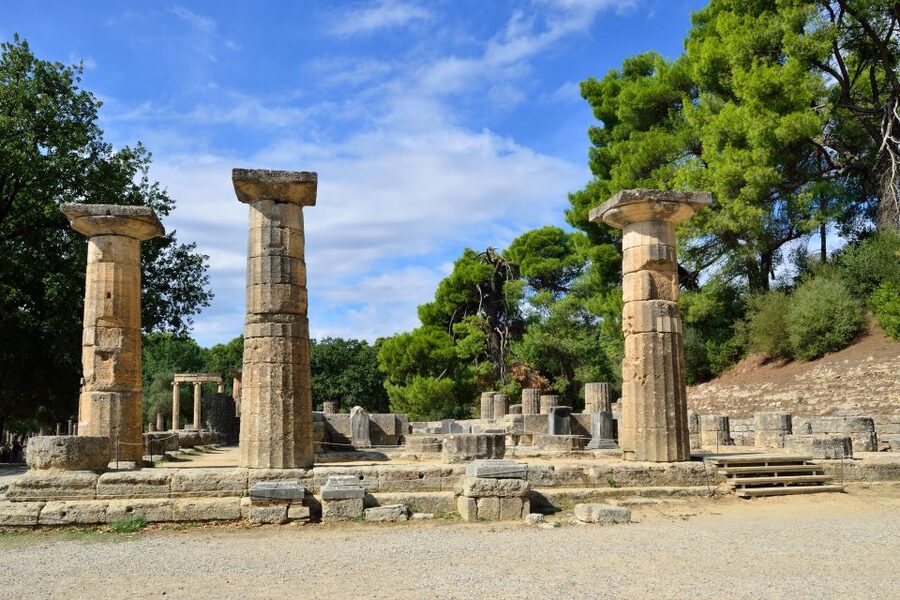
Olympia was sacred ground to the ancient Greeks and the home of the Olympic Games in classical times. The site is broad and open, so the sense of scale grows as you walk between the remains of temples, athletic facilities, and civic buildings.
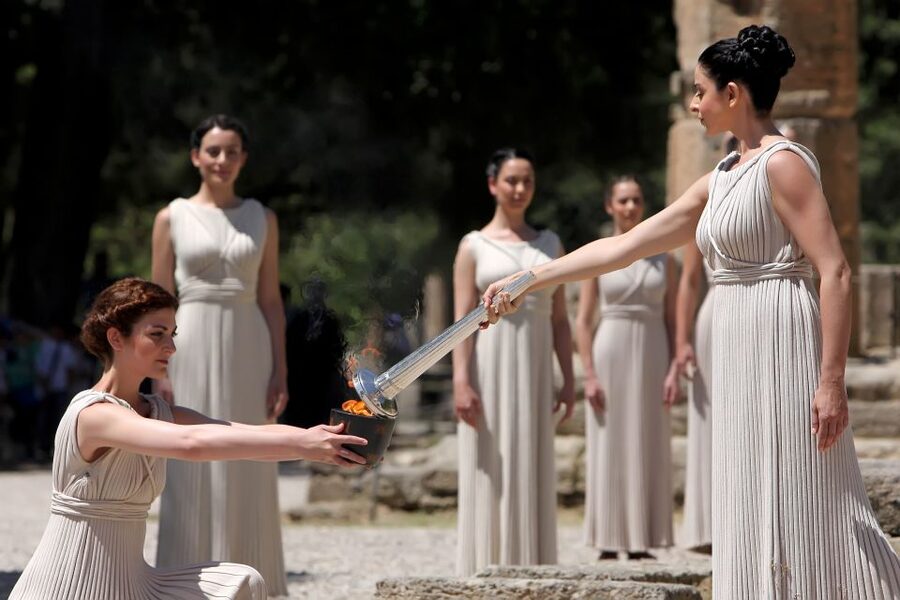
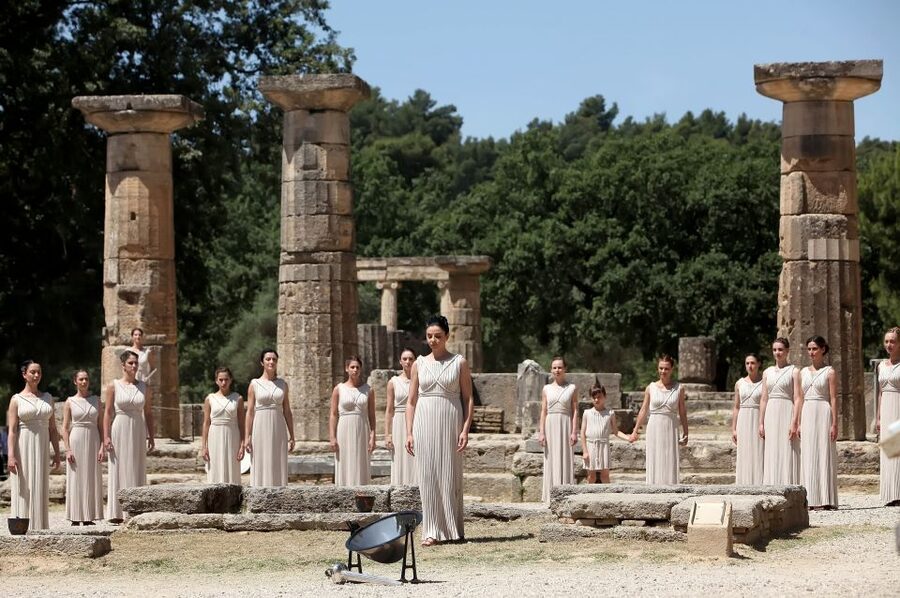
The Temple of Zeus and Temple of Hera are central highlights. You can see Doric columns and fallen architectural pieces, then continue to the ancient Stadium. The Olympic flame altar is another key stop, linking the ancient festival to the modern Olympic tradition.
The Archaeological Museum of Olympia sits directly opposite the ruins. Do not skip it. The museum gives shape to the fragments outside, with statues, architectural pieces, and excavated objects that help you understand what the sanctuary looked like when it was active.
The Olympia visit can take around three hours. In summer, that is a serious heat issue. There may be long stretches in full sun, and one person described moving from shade to shade during a visit at 35 degrees Celsius. Pack water, a broad hat, sunglasses, and sunscreen. Spring and autumn should be more comfortable than the hottest part of summer, though the tour operates year-round according to availability.
After Olympia, the route heads toward Rion and crosses the Corinthian Gulf on the modern bridge to Antirion. The bridge is a useful landmark and an impressive part of the journey, but the real pleasure is the coastal drive that follows.
You pass Nafpaktos, a small harbor city with a more relaxed feel than Athens. The stop or drive-by gives you another glimpse of modern Greece between the ancient sites. The route then climbs toward Delphi, with mountain roads and changing views.
The afternoon visit to Arachova is a pleasant change of pace. This mountain village lies on the slopes of Mount Parnassus and is known for its picturesque setting. The stop is short, but it helps break up the journey before the second night in Delphi.
Your Delphi hotel may be more basic than the Olympia property. One stay included worn carpets and a malfunctioning toilet, while other accommodation reports describe the hotels as quite good. Since the exact hotel may not be confirmed until close to departure, keep expectations practical. The four-star option costs more but may provide a better room standard, though hotel selection can vary.
Day three: Delphi, Apollo, and the Oracle
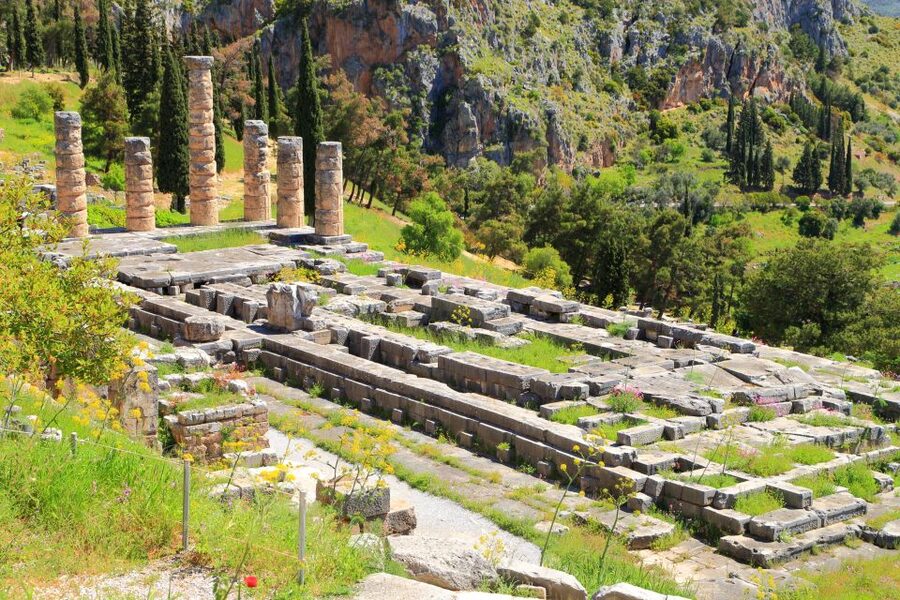
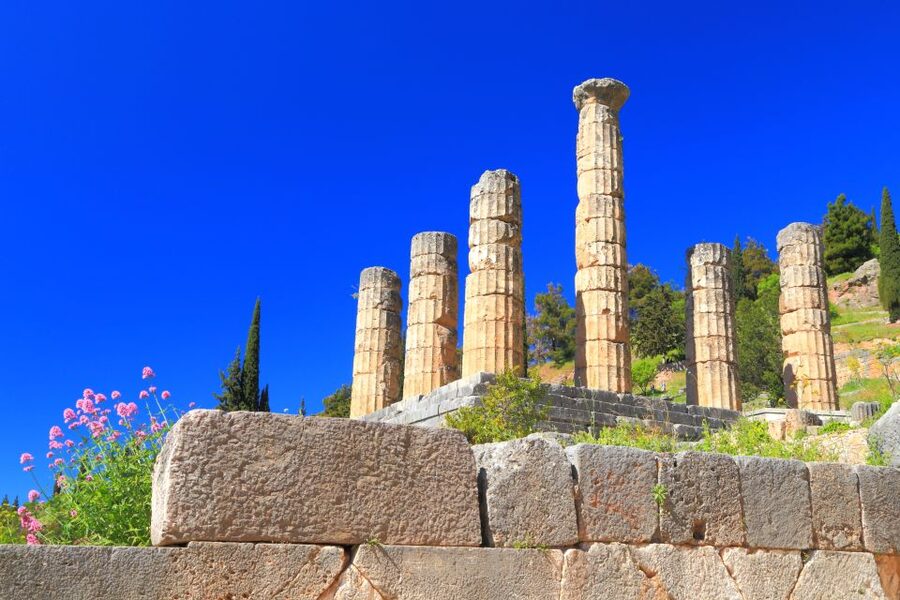
Delphi is the emotional high point of the tour for many people. Ancient Greeks considered it the center of the world, and the sanctuary’s position high on Mount Parnassus gives the place a powerful setting. You look across the Valley of Phocis while walking through the remains of a religious center that drew visitors from across the Greek world.
The Temple of Apollo is the heart of the site. This was the home of the famous Oracle, whose pronouncements influenced kings, generals, and ordinary people seeking advice. The stories can sound strange when read in isolation, but a good guide connects the Oracle to ancient religion, politics, and the belief that the gods could shape human decisions.
The route continues to the theater, which could hold up to 5,000 spectators. From the upper part of the site, you get wide views over the valley and mountains. The climb is manageable for many people, but the ground is uneven and the route includes uphill walking. This is not suitable for wheelchair users.
The Archaeological Museum of Delphi completes the visit. It contains important objects from the sanctuary, including sculptures and architectural remains. Seeing the museum after walking through the site is useful because you can connect the displayed pieces with the buildings and ceremonies they once belonged to.
Again, allow for heat. A guided visit can last about three hours, and the site has exposed sections. The guides have earned strong praise for finding shade where possible, explaining artifacts clearly, and keeping the group informed about meeting times. Marianna has been singled out for lively mythological storytelling, while Anna and Evan have been praised for calm organization and helpful information during the drives.
In the afternoon, the bus returns to Athens through the hills of Parnassus and the Valley of Phocis. Vineyards and olive trees line parts of the route. The final ride is long, but you have seen the major sites and can leave the navigation to the driver.
A few more Athens trips worth weighing up
- 3-Day Classical Greece Tour: Epidaurus, Mycenae, Nafplion, Olympia, Delphi
★ 4.5 · 342 reviews - From Athens: 3 Days in Meteora & Delphi with Tours & Hotel
★ 4.6 · 97 reviews - Meteora & Delphi 3 Days Semi Private Tour
★ 4.5 · 80 reviews - Athens: 3 days 2 nights Meteora with small size tours & hotel
★ 5.0 · 63 reviews
Guides, drivers, and the pace
The guide can make or break a classical Greece tour. Here, the strongest praise goes to guides who combine archaeology, mythology, modern Greek culture, and clear instructions. Anna was described as especially organized, while Marianna’s storytelling helped make the myths easier to remember. Evan and Dimitris also received praise for answering questions and handling small problems.
The best pattern is simple: the guide takes you to the main points, explains the setting, then gives you free time. That balance lets you learn without being talked at every minute. At times, there is a lot of information, so take notes or photographs as you go. You may not have time to retrace your steps later.
The drivers matter just as much. The route includes narrow town streets, winding mountain roads, and busy transfers. Drivers named Spiros, Thomas, Giannis, and Georgios have been praised for handling the roads well. The bus is generally air-conditioned, and at least one smaller vehicle had charging ports.
The pace is busy. You spend substantial time on the road, but regular stops help. This is an efficient introduction to the ancient sites, not a slow study tour. If you prefer to sit for an hour at each ruin and sketch every column, you may find the schedule too tight.
Hotels, meals, and extra costs
The tour includes two hotel nights, breakfast, and dinner. You select a three-star or four-star accommodation option, and the exact properties can vary. The Olympia hotel has received especially warm comments, while the Delphi hotel experience can be less consistent.
The included dinners are convenient and generally considered good. Lunch is not included, so you will buy it during stops or at meal breaks. Drinks are also extra. This gives you some control over spending, but remember to carry enough money for three days of lunches, beverages, snacks, and personal purchases.
Hotel tax is paid directly to the hotel. The stated rate is €10 per room per night for four-star accommodation and €5 per room per night for three-star accommodation. A booking normally covers a double or triple room. A single room requires a separate booking for one person.
The tour is described as carbon-neutral, which is a meaningful feature for a route involving long road journeys. You still travel by bus, but shared transport can reduce the impact per person compared with several separate cars.
Who should book this tour?
I would choose this tour if you want to see the major classical sites but have only three days beyond Athens. It is especially useful for first-time visitors, families with older children, and anyone who prefers a guide to explain the myths, temples, and ruins in context.
History fans will appreciate the amount of information. The guides do more than point at stones, and some use visual reconstructions to show what you are seeing. The mix of archaeology and Greek mythology is a major strength.
You should think twice if you need wheelchair access, dislike long bus rides, or want complete freedom at every stop. The tour is not suitable for wheelchair users, and summer heat can make Olympia and Delphi tiring. A larger group may also mean less personal attention and occasional confusion during group transfers.
Free cancellation up to 24 hours before departure and reserve-now, pay-later booking add flexibility. Pickup is available from most centrally located Athens hotels, usually about an hour before departure, but you need to confirm the exact point and time with Key Tours. You can also meet at the supplier’s office 15 minutes before departure.
Should you book it?
Book this tour if your priority is coverage, context, and ease. For $506, you receive transport across a difficult route, accommodation, dinners, entrance fees, and three days of guidance at the places most closely tied to classical Greece.
Go in prepared for long drives, open-air ruins, and a brisk schedule. Choose the four-star option if room quality matters to you, carry water and sun protection, and photograph the sites as you go. If you follow that advice, this is a strong way to connect Mycenae, Olympia, and Delphi in one practical trip from Athens.
FAQ
How long is the Ancient Greek Archaeological Sites Tour from Athens?
The tour lasts three days and includes two overnight stays.
Which archaeological sites are included?
The route includes Epidaurus, Mycenae, Olympia, and Delphi. It also includes the Corinth Canal, the Tomb of Agamemnon, the Olympic flame altar, and the ancient theater at Epidaurus.
Is the Corinth Canal included?
Yes. The first day includes a stop to view the Corinth Canal, a nineteenth-century engineering project.
Is the tour led in English?
Yes. The tour includes a live English-speaking guide.
Are hotel stays included?
Yes. Accommodation in a three-star or four-star hotel is included, depending on the option selected.
Are meals included?
Breakfast and dinner are included. Lunch, drinks, and personal expenses are not included.
Is the hotel tax included?
No. The hotel tax is paid directly to the hotel. The stated rate is €10 per room per night for four-star hotels and €5 per room per night for three-star hotels.
Is Athens hotel pickup available?
Yes. Free pickup is available from most centrally located Athens hotels upon request. Pickup usually takes place about one hour before departure, and you should confirm the exact location and time with Key Tours.
Can I book a single room?
The standard booking is for a double or triple room. A single room requires a separate booking for one person.
Is the tour suitable for wheelchair users?
No. The tour is not suitable for wheelchair users.
Can I cancel the tour for a refund?
You can cancel up to 24 hours in advance for a full refund. Reserve-now, pay-later booking is also available.
Just added around Athens
- Athens Hotels to Athens Airport Private Departure Transfer★ 5.0 · 40 reviews
- Private One-way Transfer between Athens International Airport and Athens Hotels★ 4.5 · 40 reviews
- Athens: Acropolis Museum Ticket with Self-Guided Audio tour App★ 3.5 · 40 reviews
- From Athens: Meteora Train Trip with Overnight Stay★ 4.8 · 40 reviews
- Athens Photography Tour★ 5.0 · 40 reviews
- Athens: Acropolis Visit and City Night Tour★ 4.7 · 40 reviews
- Delphi Full Day Private Trip From Athens With Lunch Overlooking the Sea★ 5.0 · 40 reviews
- Acropolis & Plaka Neighbourhood Private Tour with Licensed Expert★ 5.0 · 40 reviews
3-Day Experiences, compared.
3-Day Classical Greece Tour: Epidaurus, Mycenae, Nafplion, Olympia, Delphi
Read our review →


3 days 2 nights Meteora with small size tours & hotel
Read our review →
Browse the lists this tour appears in