Reviewed · CRETE TOURS
The 7 Villages of Apokoronas Tour – Explore East Chania Mainland
Come hungry, leave well-fed. The 7 Villages of Apokoronas Tour takes you from Chania into the island’s rural east, where a coffee at a kafenio, village walks, local cheese, bakery treats, and a traditional lunch reveal a side of Crete you will not see in the city. I especially like the small-group feel and the chance to visit working local businesses rather than simply taking photographs from a bus.
I also like having a local driver-guide handle the winding roads while explaining Cretan agriculture, customs, plants, churches, and village life. Guides such as Yannis, Nikos, Janis, Alex, and Andres have been praised for their humor and personal stories. The main caution is practical: a full minivan can feel cramped, and one account found the back seat uncomfortable and several stops below expectations.
In This Review
- Quick points before you book
- Why Apokoronas makes a fine half-day escape
- Stilos: coffee and a gentle start
- Vryses: water, greenery, and village character
- The cheese factory: the tour’s tastiest lesson
- Emprosneros: bread, olive oil, and Cretan baking
- Fres: lunch in a traditional kafeneio
- The guides make or break the day
- Transport, group size, and comfort
- Is $139.13 a fair price?
- Who should book this Apokoronas tour?
- Booking details worth knowing
- Should you book it?
- FAQ
- How long does the 7 Villages of Apokoronas Tour last?
- Is hotel pickup included?
- What food and tastings are included?
- Can I request a vegetarian meal?
- How many people can join the tour?
- What happens if bad weather cancels the tour?
Quick points before you book
- Coffee beside village life: Start with a traditional kafenio in Stilos, a simple way to watch local routines unfold.
- Cheese tasting in Vryses: Try Cretan graviera, mizithra, and anthotyros at a local cheese factory.
- Bakery and olive oil stop: In Emprosneros, warm bread, olive oil, cookies, and Cretan biscuits turn a short visit into a generous snack.
- A real countryside meal: Lunch in Fres is included, so you get more than a drive-by look at Apokoronas.
- Local guiding matters: Guides often point out crops, wild herbs, old churches, and unusual sights along the route.
- Chania pickup only: Hotel collection and return apply to the Chania region, not Rethymnon, Heraklion, or Lasithi.
Why Apokoronas makes a fine half-day escape
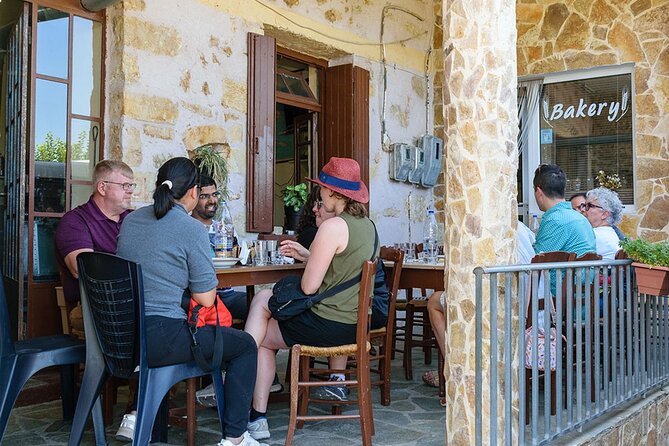
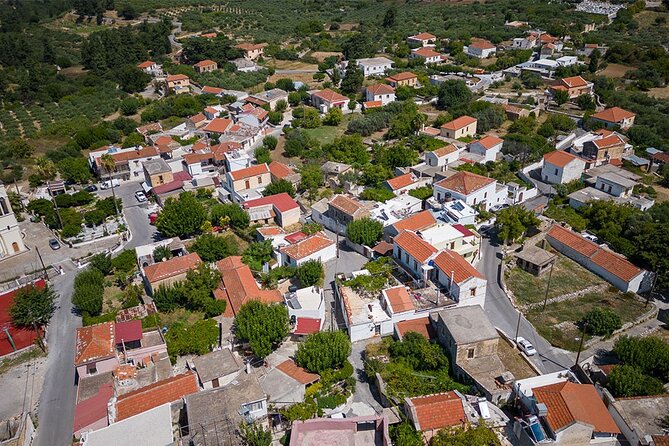
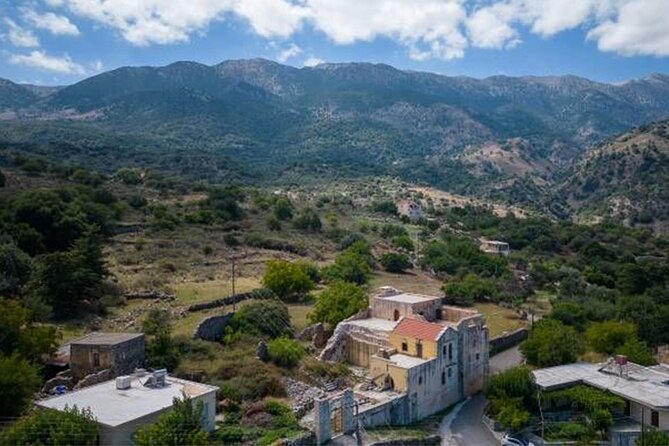
Apokoronas lies east of Chania, where the city gives way to villages, orchards, olive groves, water, and small food producers. The tour is less about ticking off famous monuments and more about seeing how food and daily life fit together in rural Crete.
That difference matters. You are not simply taken to a viewpoint, handed a few facts, and returned to town. The day connects coffee, cheese, bread, olive oil, local stories, and lunch. I find that approach useful because Cretan culture makes the most sense at a table or in a small shop, not only in a museum.
The advertised experience is called the 7 Villages of Apokoronas, but the published route gives detailed stops in Stilos, Vryses, Emprosneros, and Fres, with Vryses appearing twice because the village visit and cheese factory are separate parts of the day. Exact village routing can vary, so I would treat the title as a regional description rather than a promise of seven long village visits.
The tour lasts about six hours and begins at 8:00 a.m. That early start works well in the Cretan heat and leaves part of your afternoon free. It also means you should eat lightly before pickup. The food comes steadily once the tour begins.
More things to do in Crete:
- From Kissamos Port: Boat Cruise to Balos Lagoon & Gramvousa
★ 4.2 · 6,755 reviews - From Chania: Full-Day Samaria Gorge Trek Excursion & Guide
★ 4.6 · 3,191 reviews - Cretan Safari – 4×4 Adventure to Preveli Beach with Lunch
★ 5.0 · 780 reviews
Stilos: coffee and a gentle start
The first stop is Stilos, where you spend about an hour at a traditional kafenio. The setting is deliberately ordinary in the best sense. A kafenio is a village coffeehouse, and sitting there gives you a chance to see a social space used by local people rather than a café designed mainly for sightseeing.
I like this opening because it slows the morning down. You can settle into the minivan, meet the other people in the group, and begin hearing about Cretan customs before the tastings start. Several accounts describe guides making the day fun through humor and easy conversation, and this kind of stop gives them room to interact with everyone.
Do not expect a major attraction at Stilos. The value is in the setting and the introduction to village life. If you want a packed schedule of ruins, monuments, and dramatic photo stops, this may feel too quiet. If you enjoy seeing where people gather for coffee and conversation, it is a strong beginning.
Vryses: water, greenery, and village character
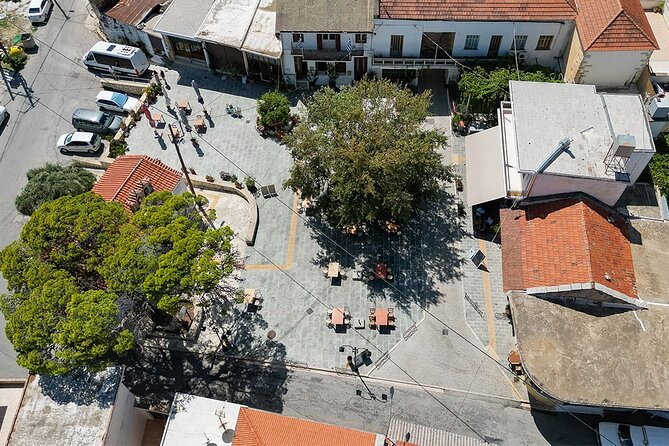
Next comes Vryses, described as a picturesque village with a green, water-filled square. That combination gives the stop a different feel from the dry, sun-baked images many people associate with Crete. You get about an hour to look around and take in the setting.
The tour’s strength here is contrast. You move from a coffeehouse to a village center shaped by water and plant life, then later connect the area to local food production. Guides have pointed out wild plants and herbs used in Cretan cooking, so pay attention during the drive and short walks. These small details help explain why the food later tastes connected to the countryside rather than separated from it.
The route may include brief walks, and that has been a pleasant surprise for some people. Still, the schedule is fairly full, so this is not a long independent exploration. You will see the village as part of a guided food and culture route.
The cheese factory: the tour’s tastiest lesson
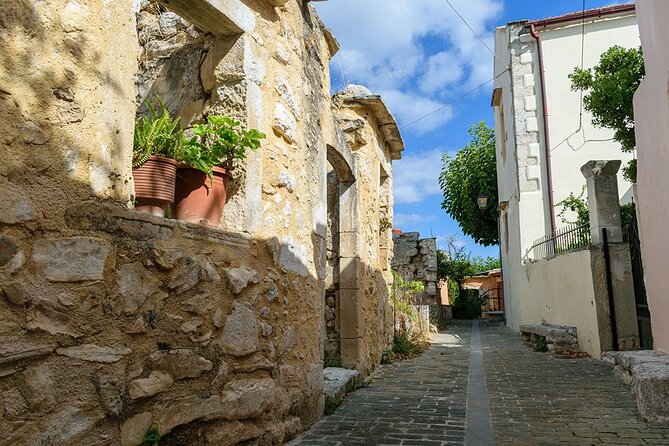
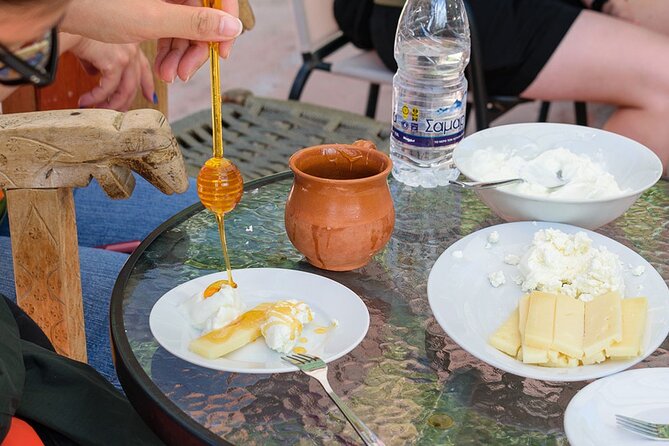
The second Vryses stop lasts around an hour and a half and centers on a cheese factory. You can taste three well-known Cretan varieties: graviera, mizithra, and anthotyros.
This is one of the most useful stops for understanding the island’s food traditions. Graviera is firm and usually more pronounced, while mizithra and anthotyros are softer cheeses with a milder character. The point is not a formal cheese class. It is a chance to taste several styles where they are made and to ask questions through your guide.
I would plan to buy something only if the stop offers it and you have room in your luggage, since the supplied information does not promise a shop or take-home purchase. What is certain is that the tasting is included, along with the other food samples.
Most accounts praise the cheese visit, but one less favorable experience found the factory disappointing. That is worth keeping in mind. The appeal depends partly on the day’s host, the exact production setting, and your expectations. Think of it as a local food stop, not a polished visitor center.
A completely different sort of day out in Chania:
- Elafonissi Beach Day Trip from Chania -Stop in Elos Village
★ 4.5 · 744 reviews - From Chania: Samaria Gorge with Professional Hiking Guide
★ 4.6 · 720 reviews - Chania/Almyrida: Balos Gramvousa Day Trip with Boat Ticket
★ 4.4 · 590 reviews - Stand -Up Paddleboard and Multi-Surprise Elements Tour in Crete
★ 5.0 · 554 reviews
Emprosneros: bread, olive oil, and Cretan baking
Emprosneros brings another food lesson. At a local bakery, you taste olive oil on warm bread, cookies, and Cretan biscuits. This may sound modest, but bread and olive oil are central to the way many Cretan meals begin, and the stop gives you a simple, direct taste of that habit.
The warm bread is also a welcome change from restaurant sampling. You are tasting everyday food rather than a special dish made only for a tour. The biscuits and cookies add sweetness, and the stop has enough time, about an hour and a half, to feel like more than a quick handout from a counter.
I would pay attention to how the guide explains local crops and plants here. One particularly useful detail from the experience is that guides may identify wild herbs along the road and connect them with the dishes you eat later. That link between countryside and kitchen is one of the tour’s best features.
As with the cheese factory, the quality can depend on the particular visit. One account praised the bakery and its snacks, while the same account found other parts of the meal less successful. The tour offers variety, but not every stop will appeal equally to every palate.
Fres: lunch in a traditional kafeneio
The day ends with lunch in a traditional kafeneio in Fres, with about an hour set aside for the meal. Lunch is included, as are the tastings, so you do not need to keep calculating small food costs throughout the morning.
The meal is a social part of the experience. You sit with the group, try Cretan dishes, and have time to compare notes about the villages. Several accounts praise the food and the warm welcome at the restaurant, with one person especially remembering Maria at the restaurant. Other feedback was less positive, describing a chicken dish with little meat and fruit that seemed out of season.
That mixed point is important. The tour is excellent value for people who enjoy plentiful, informal food, but it is not a restaurant-focused culinary event where you choose every dish from a menu. Portions and quality may vary. A vegetarian option is available, but you must request it when booking.
The advice to come hungry is not just a joke. You may have coffee, cheese, bread, oil, cookies, biscuits, and lunch across the route. You will also need to tell the operator about dietary needs before the day begins.
The guides make or break the day
The tour’s most praised feature is its guiding. Names appearing in the experience include Yannis, Nikos, Janis, Alex, Andres, Thanasis, Tania, and Giannis. You cannot choose a particular guide from the supplied details, but the repeated praise gives you a clear idea of what good guiding adds here.
A strong guide does more than name villages. You may hear about Cretan history, agriculture, local crops, plants, old churches, village businesses, and the people who live in the area. Guides have also been praised for making personal contact with everyone, which matters in a small group.
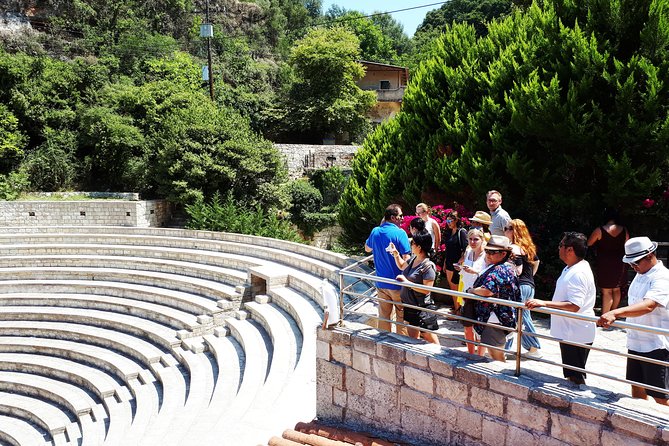
I especially like the reports of guides pointing out herbs growing beside the road. That turns a scenic drive into a lesson about food and place. One account also described seeing fossil remains of a manatee found in the mountains, as well as walking beside a river through fruit orchards. Those details may not appear on every departure, so I would regard them as possible additions rather than guaranteed stops.
The tone seems informal and friendly. If you want a lecture-heavy historical tour, you may find the approach relaxed. If you want stories, conversation, and practical local knowledge, the guides are a major reason to book.
Transport, group size, and comfort
Hotel pickup and drop-off are included for selected hotels and meeting points in the Chania region. The tour does not collect in Rethymnon, Heraklion, or Lasithi. If you are staying in one of those areas, you must make your own way to Chania city center and meet the group there.
Transport is by air-conditioned minivan. One account praised the Mercedes vehicle and safe driving, while another warned that a crowded minivan can make the ride uncomfortable, especially from the back seat. The stated maximum is 20 people, though one particularly well-liked departure had only nine.
That difference affects the whole day. With nine people, the guide can speak with everyone and adjust the pace more easily. With a full vehicle, personal attention and window space may be reduced. If seating comfort matters greatly to you, ask about the expected group size and pickup arrangements before booking.
The roads into rural Crete can be winding, though the supplied details do not specify how much driving occurs between each stop. An air-conditioned vehicle is helpful, especially in warm weather. Bring water and comfortable shoes, since some departures include short walks.
Is $139.13 a fair price?
At $139.13 per person, the price is not bargain-basement, but it covers a lot: transportation, driver-guide service, lunch, all tastings, taxes, fees, and handling charges. You are also paying for access to places that can be awkward to reach without a car and for someone else to manage the route.
The value is strongest if you would otherwise rent a vehicle or pay separately for food, drinks, and local visits. Driving yourself may cost less for a couple, but you would need to plan the route, find the businesses, deal with parking, and miss the stories that connect the stops. The tour also lets you taste local products without worrying about who will drive afterward.
For a solo visitor or anyone without a car, the value improves. You get a full half-day outside Chania and a built-in social setting. For a family or larger private group, the per-person price may need closer comparison with a private vehicle, but the tour’s maximum group size keeps it more personal than a large coach excursion.
The price is less compelling if you dislike group meals, repeated tastings, or informal food stops. You may also feel disappointed if your main goal is seven substantial village walks. This is a food and culture outing through Apokoronas, not a checklist of seven major sights.
Who should book this Apokoronas tour?
I would recommend it to you if you want to see rural Chania without renting a car. It suits people who enjoy local food, short walks, small businesses, village squares, and conversation with a guide.
It is particularly good for:
- First-time visitors who want an introduction to the countryside
- Cruise passengers who can arrange a Chania pickup point
- Couples and solo visitors who value included meals and transport
- People curious about cheese, bread, olive oil, and Cretan cooking
- Anyone who prefers village life to a day of ruins and museums
I would hesitate if you need guaranteed premium dining, plenty of personal space, or a strictly fixed sightseeing route. The published itinerary gives only a handful of named stops, and one account raised concerns about vehicle crowding, the cheese factory, lunch, and whether every advertised area was visited.
The tour is also not the best fit for visitors staying far from Chania who do not want to arrange their own transport to the city. Check your pickup area before paying.
Booking details worth knowing
The experience starts at 8:00 a.m. and ends back at the meeting point after about six hours. Confirmation is normally sent at booking, although reservations made within one day of departure are confirmed as soon as possible, depending on availability.
Most people can participate, but you should be comfortable getting in and out of a minivan and taking short walks. The minimum drinking age is 18. Free cancellation is available up to 24 hours before the start time, based on local time. Late cancellations and changes are not accepted for a refund.
The tour requires good weather and a minimum number of participants. If the operator cancels for either reason, you are offered another date or experience, or a full refund.
Should you book it?
Book this tour if you want food, stories, and rural Crete in one easy half-day. Its strongest points are the friendly guides, included tastings, local businesses, and the chance to see how village life works beyond Chania.
I would book it with realistic expectations. Confirm that your hotel is within the Chania pickup area, ask about the likely group size, request a vegetarian meal in advance if needed, and leave room for a generous amount of food. If you want a polished gourmet tour or seven lengthy village visits, choose something more specialized. If you want an accessible route into the countryside with a good chance of laughs, local flavor, and useful context, this is a worthwhile choice.
FAQ
How long does the 7 Villages of Apokoronas Tour last?
The tour lasts approximately six hours and begins at 8:00 a.m. It ends back at the meeting point.
Is hotel pickup included?
Pickup and drop-off are included from selected hotels and meeting points in the Chania region. Pickup is not provided in Rethymnon, Heraklion, or Lasithi.
What food and tastings are included?
The experience includes coffee at a traditional kafenio, cheese tasting in Vryses, olive oil on warm bread, cookies, Cretan biscuits, and lunch. All tastings and lunch are included in the price.
Can I request a vegetarian meal?
Yes. A vegetarian option is available, but you should advise the operator when booking.
How many people can join the tour?
The maximum group size is 20 people. Actual group sizes can be smaller.
What happens if bad weather cancels the tour?
If poor weather causes cancellation, you are offered a different date or experience, or a full refund. The same options apply if the minimum number of participants is not reached.
Just added around Chania
- From Chania: Day Trip to Preveli Beach & Damnoni Beach★ 4.1 · 44 reviews
- Chania: Elafonisi & Falasarna Private Tour w/olive oil tasting★ 5.0 · 46 reviews
- Samaria Gorge Trek: Full-Day Excursion from Rethymno with Guide★ 4.5 · 46 reviews
- Chania Alternative Sunset Bike Tour★ 4.9 · 48 reviews
- Crete White Mountains Safari Including Lunch★ 4.5 · 48 reviews
- Polaris Buggy 4-Hour Safari from Rethymno Town★ 4.5 · 48 reviews
- From Chania Private half day Winery-Olive factory-Kournas lake★ 5.0 · 50 reviews
- Samaria Gorge Trek: Full-Day Excursion from Chania with Guide★ 4.5 · 51 reviews
Crete Tours, compared.
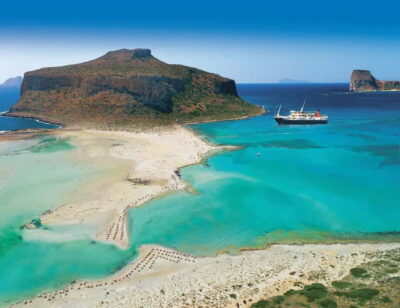
From Kissamos Port: Boat Cruise to Balos Lagoon & Gramvousa
Read our review →
Day Trip to Agios Nikolaos and Spinalonga Island
Read our review →
Full-Day Samaria Gorge Trek Excursion & Guide
Read our review →
Dia Island Sailboat Cruise with Swimming and Meal
Read our review →
Knossos Palace Entry Ticket with Optional Audio Guide
Read our review →