
Reviewed · COOKING CLASSES
Half-Day Greek Cooking Class of Zakynthian Culture with Lunch
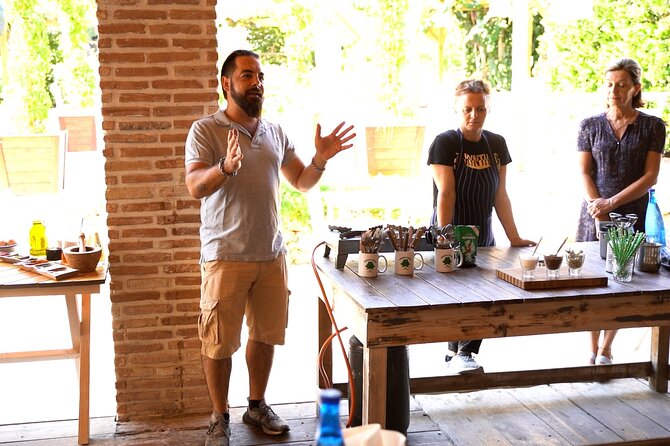
Come hungry, leave with recipes. This four-hour class at The Green Frog in Argassi gives you a hands-on way to understand Zakynthos through its food, from filo pastry and slow-cooked beef to local olive oil, cheese, and island stories. I especially like the small-group format, capped at 12 people, and the chance to eat what you help prepare in a shady garden.
I also like the balance between cooking, tastings, wine, and conversation. Alex, Mandy, and the wider family team keep the morning social rather than overly formal. The main consideration is the fixed schedule: classes run only on Tuesday, Friday, and Saturday at 10:30 a.m., and the menu changes by day, so you need to choose carefully.
In This Review
- Key points at a glance
- Why a cooking class works so well in Zakynthos
- Arriving at The Green Frog in Argassi
- Friday class: stiffado, filo pastry, and orange cake
- Tuesday class: the familiar Greek favorites
- Saturday class: vegetarian Zakynthian comfort food
- Cooking, tasting, and learning without a lecture
- Lunch in the shady garden
- What makes the family hosting special
- Is $108.89 a fair price?
- Who should book this class?
- Practical points before you reserve
- Should you book the Greek cooking class?
- FAQ
- Where does the Greek cooking class take place?
- What time does the class begin?
- How long does the experience last?
- On which days is the class offered?
- What is included in the Friday menu?
- What dishes are made on Tuesday?
- Is there a vegetarian class?
- How large is the group?
- What is the cancellation policy?
- What happens if weather or low enrollment cancels the class?
Key points at a glance
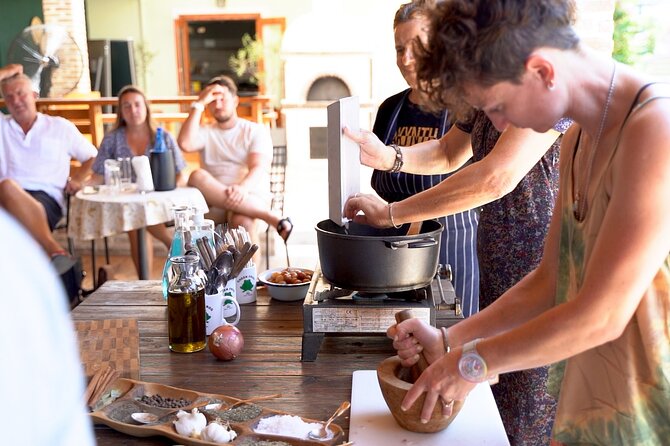
- Friday means Zakynthian comfort food: Make stiffado, spinach and feta pie, dolmades, Greek salad, a spicy cheese dip, and orange cake.
- Tuesday focuses on Greek classics: Moussaka, baklava rolls, saganaki, Greek salad, and tzatziki make up the main menu.
- Saturday is vegetarian: Stuffed tomatoes, courgette fritters, spicy baked cheese, and kataifi are featured.
- The cooking is tied to island culture: Alex adds stories about Zakynthos, Greek food traditions, and the Mediterranean diet.
- Lunch is included: You sit down in a shady garden to eat the food prepared during the class, with local products and wine tastings along the way.
- It is intimate and social: The group limit is 12, and recipe ideas are sent afterward so you can cook the dishes at home.
Why a cooking class works so well in Zakynthos
Zakynthos is easy to enjoy from the beach, a boat, or a scenic road. Food gives you a different entry point. Instead of simply ordering Greek dishes at a taverna, you learn what goes into them and why they matter.
This class uses cooking as a way to explain the island. The talks cover local ingredients, olive oil, cheeses, Greek food customs, and the way the Mediterranean diet developed. The format is useful because the cultural information is connected to something in front of you. When you prepare a pie, dip, or casserole, the story has a practical purpose.
The class takes place at The Green Frog, a family-owned restaurant and store on the main road in Argassi. It ends at the same location. You are not being rushed from one kitchen station to another or sent off to a separate restaurant for lunch. The cooking, eating, and conversation happen in one setting.
The experience is also highly rated, with a 5 out of 5 score and a 100 percent recommendation rate from 215 ratings. That does not mean every cooking class suits every person, but it does point to a clear pattern: the warm hosting, food, and cultural storytelling are the strongest parts of the morning.
More things to do in Zakynthos:
- Zakinthos: Shipwreck Beach and Blue Caves Land and Sea Tour
★ 4.6 · 3,359 reviews - Zakynthos: Turtle Spotting Cruise with Glass-Bottom Boat
★ 4.3 · 1,445 reviews - Zakynthos: Turtles, Marathonisi & Keri Caves Speedboat Tour
★ 4.5 · 1,443 reviews
Arriving at The Green Frog in Argassi
The meeting point is Green Frog, Main Road, Argassi, Zakynthos 291 00. The class begins at 10:30 a.m., and the activity returns to this meeting point at the end.
The location is near public transportation, and ample parking is available behind the building. That is useful if you are staying elsewhere on the island and have your own vehicle. The class does not include a stated hotel pickup, so plan to reach Argassi independently.
The setting matters. This is a family operation, not a large culinary school with a polished, commercial feel. Alex and Mandy are central to the experience, with other family members and staff helping with the meal. Taro is also mentioned as part of the friendly hosting team.
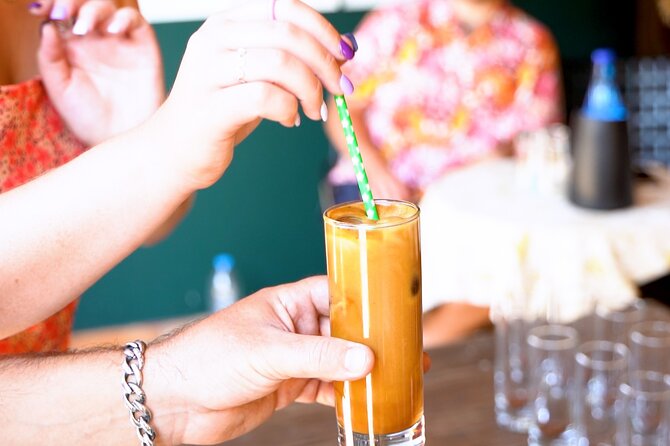
You begin in a relaxed way. On Friday, the morning starts with iced coffee or mountain tea, which you prepare yourself. It is a small touch, but it gets everyone talking before the cooking starts. You can expect introductions, tastings, and a few drinks during the session, so this is not a silent, technique-heavy workshop.
Friday class: stiffado, filo pastry, and orange cake
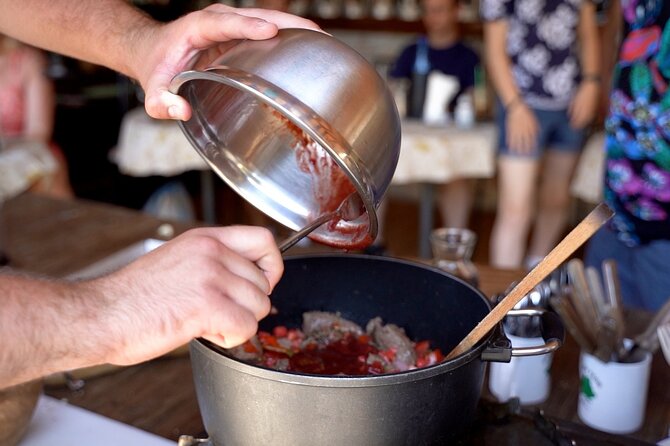
The Friday menu is the most clearly focused on a broad taste of Zakynthian and Greek home cooking. The anchor dish is stiffado, a slow-cooked beef and tomato casserole with baby onions, herbs, and spices.
Stiffado is a good choice for a class because it shows how Greek cooking can turn simple ingredients into a satisfying main course. It is also described as a practical dish for a relaxed dinner party. You learn a recipe that can be prepared ahead, rather than something that only works when eaten straight from the pan.
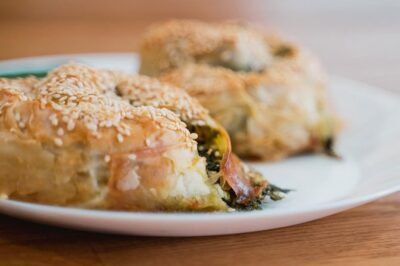
The class then moves through several smaller dishes. Spinach and feta pie is a lesson in filo pastry, one of the skills many people want to take home. Filo can seem fussy, but learning how to handle it in a group setting makes the process less intimidating. The pie also works in several ways: as a picnic food, appetizer, snack, or main course.
Dolmades add another familiar Greek staple to the table. You also prepare a spicy cheese dip and a simple Greek salad. The salad may be familiar, but it helps show how much of Greek cooking depends on good produce and sensible seasoning rather than complicated methods.
Dessert is orange cake, a traditional Zakynthian syrup cake. It is served as a sweet finish and can be paired with ice cream. The menu is generous, so pace yourself during tastings. You will have a full meal ahead.
Tuesday class: the familiar Greek favorites
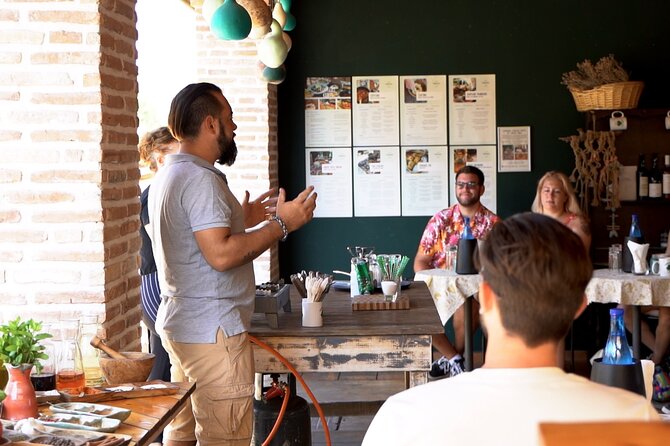
Tuesday uses the same general format but changes the dishes. The menu includes moussaka, baklava rolls, saganaki, Greek salad, and tzatziki.
Moussaka gives you the most substantial lesson of the Tuesday class. It is a layered, baked dish with a place on nearly every Greek menu, but preparing it yourself helps you understand the work behind the finished plate.
Baklava rolls focus on filo again, this time in a sweet form. Saganaki brings a different cooking task, while tzatziki and Greek salad keep the menu fresh and simple.
This day may suit you best if you want the Greek dishes you already recognize from restaurants. It is also a good choice for families and mixed-skill groups. One attendee specifically noted that a partner who does not cook still enjoyed the class, which fits the easygoing structure. You do not need to arrive as an experienced cook.
More Cooking Classes in Zakynthos:
- Athens: Classic Cooking Class with Market Visit and Wine
★ 5.0 · 1,101 reviews - Athens: Food Market Visit and Cooking Class with Wine
★ 4.9 · 1,087 reviews - Greek Cuisine Cooking Class in Santorini with Recipes and Wine
★ 5.0 · 969 reviews - Naxos: Half-Day Cooking Class at Basiliko Family Tavern
★ 5.0 · 887 reviews
Saturday class: vegetarian Zakynthian comfort food
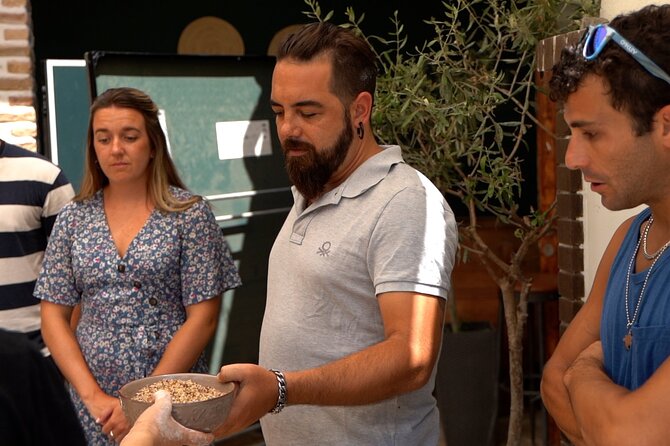
Saturday offers a vegetarian menu with stuffed tomatoes, courgette fritters, spicy baked cheese, and kataifi.
This is the clearest choice if you want to avoid meat or simply prefer vegetable-based Greek food. Stuffed tomatoes show how vegetables can carry a full dish, while courgette fritters offer a hands-on preparation with a different texture and cooking method.
Spicy baked cheese provides a rich centerpiece, and kataifi brings a shredded filo pastry dessert to the table. Since the menu is different from Tuesday and Friday, check the class day before booking. The price is the same, but the food experience changes in a meaningful way.
The Saturday menu is not presented as a lesser alternative. It is a separate look at Greek comfort food, and it may be the best fit for anyone seeking a meat-free half-day.
Cooking, tasting, and learning without a lecture
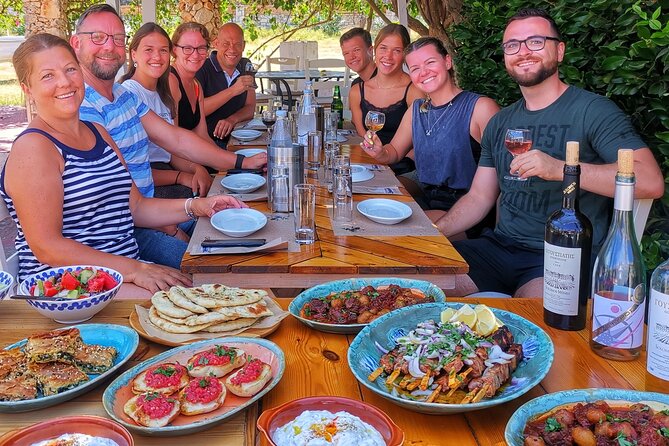
The strongest feature here is the rhythm. You cook for a while, pause for a taste or drink, listen to a story about Zakynthos or Greek food, and then return to the kitchen.
That pacing helps keep the four hours from feeling like a long demonstration. You are given hands-on opportunities, but the class also includes demonstrations and tastings. This is important for beginners, who may want help before taking over a step, and for confident cooks, who may appreciate learning local habits and ingredients.
Alex is often praised for connecting food with island history and Greek culture. The talks are described as engaging, humorous, and easy to follow. They are not separate lectures inserted into the morning. They are tied to the dishes being made, which makes the information easier to remember.
You also taste products such as local olive oils, cheeses, and olives. One useful tip from the class is to pay attention to olive oil packaging, including the advice to buy oil in a tin. That sort of practical shopping guidance can be more useful than a long list of facts.
Wine is sampled during the morning. If you do not drink alcohol, the stated menu also includes iced coffee and mountain tea, but the experience details do not specify a separate nonalcoholic wine substitute.
Lunch in the shady garden
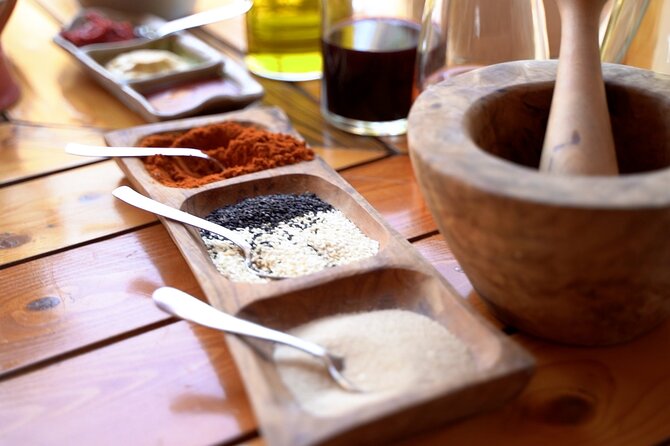
At the end, you sit down to eat the food prepared during the class. The meal takes place in a shady garden, which is especially welcome during a warm Zakynthos morning.
This shared lunch is more than a convenient finish. It gives you time to compare notes with the other people in the group and enjoy the dishes at the table rather than standing over a work surface. Several ratings praise the chance to meet people from different countries, including visitors from New Zealand, the United States, the United Kingdom, and elsewhere.
You should not expect a small tasting plate. The class is built around a substantial meal, and the repeated feedback is that nobody leaves hungry. One participant even received food to take along after having to leave early, and another mentioned doggie bags.
The meal also lets you judge the recipes properly. A spinach pie eaten hot from the kitchen is different from one sampled as a quick demonstration. The same goes for stiffado, moussaka, or baked cheese. You get to see how the separate preparations work together as a Greek meal.
What makes the family hosting special
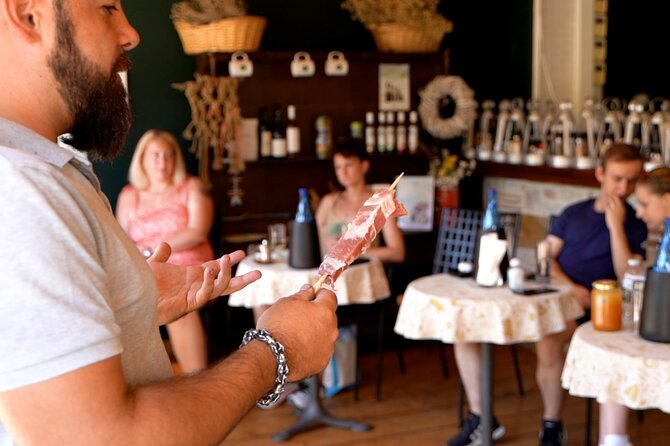
Alex and Mandy receive the most praise, and the reason is clear from the structure of the class. They do not simply explain recipes. They answer questions, offer cooking hints, talk about family and island traditions, and make space for conversation.
The family-owned setting gives the morning a personal feel. You are welcomed into a restaurant and store where cooking is part of a wider family business. That warmth is likely to appeal to you if you prefer local contact over a polished but impersonal demonstration.
The hosting also seems flexible. A participant with allergies was given separate portions so they could taste the dishes. That is encouraging, but you should still communicate any allergy or dietary need at booking or before the class. The available information confirms accommodation for at least one allergy, not every possible dietary request.
The tone is friendly and informal. Jokes, drinks, stories, and shared cooking keep the class social. If you want strict culinary instruction with exact professional measurements and little conversation, this may not be your ideal format. If you want food, culture, and people together, it is a strong match.
Is $108.89 a fair price?
At $108.89 per person, this is not a cheap breakfast activity. The value comes from the amount included in the four hours: instruction, hands-on preparation, tastings of local products, wine, a full lunch, cultural context, and recipes to use at home.
A normal restaurant meal would not give you the cooking instruction or the background on Zakynthian food. A short demonstration class might cost less, but it may not include several dishes or a proper sit-down meal. Here, the class functions as a half-day activity and a meal, which makes the price easier to justify.
The group limit of 12 also matters. You are paying for a small-group format rather than a large event. With a family team involved, you can ask questions and take part in several steps instead of watching from the back.
I would consider it good value for food lovers, couples, families, and anyone who wants an activity away from the beach. It is less compelling if you are mainly looking for the cheapest way to eat lunch or if you dislike structured group activities.
Who should book this class?
You should consider booking it early if the dates fit your plans. It is booked, on average, 36 days in advance, and there are only three class days each week.
It suits:
- First-time cooks who want guidance without pressure
- Confident home cooks seeking Greek recipes
- Families with teenagers
- Couples looking for a shared morning activity
- Vegetarians who can attend the Saturday class
- Food lovers interested in olive oil, cheese, herbs, and local traditions
- Anyone wanting cultural context before exploring Zakynthos further
Several people recommend taking the class near the beginning of a holiday. That is sensible. You leave with recipes, ingredient advice, and a better sense of the island’s food culture, which can shape the rest of your meals in Zakynthos.
The class is offered in English. Service animals are allowed. The maximum group size is 12 people, and confirmation is received at booking.
Practical points before you reserve
Check the menu day first. Tuesday is Greek classics, Friday is the stiffado and filo pastry menu, and Saturday is vegetarian comfort food.
Allow the full four hours. The start is 10:30 a.m., and the class includes cooking, pauses, tasting, stories, and lunch. Leaving early may mean missing part of the meal or the final recipes, even though the host team has shown kindness when schedules go wrong.
The experience requires good weather and a minimum number of people. If poor weather or low enrollment cancels the class, you are offered another date or a full refund.
You can cancel for a full refund up to 24 hours before the start time. Changes or cancellations made less than 24 hours before the class are not accepted for a refund, and the cut-off follows local time.
Should you book the Greek cooking class?
Yes, if you want more than a meal. This class gives you a practical way to learn Greek food while hearing about Zakynthos from a family team that clearly enjoys sharing its home and cooking traditions.
Book Friday for stiffado, spinach and feta pie, dolmades, and orange cake. Pick Tuesday for moussaka and baklava rolls. Choose Saturday for the vegetarian menu. If you can fit the class near the start of your holiday, even better. You will leave with a full stomach, recipes, and a more useful understanding of what you are eating around the island.
FAQ
Where does the Greek cooking class take place?
The class takes place at Green Frog on Main Road in Argassi, Zakynthos, Greece. The activity ends back at the same meeting point.
What time does the class begin?
The class starts at 10:30 a.m.
How long does the experience last?
The cooking class lasts approximately four hours, including cooking, tastings, cultural talks, and lunch.
On which days is the class offered?
Classes are offered on Tuesday, Friday, and Saturday.
What is included in the Friday menu?
The Friday class includes stiffado, spinach and feta pie, dolmades, a spicy cheese dip, Greek salad, and orange cake. Iced coffee or mountain tea, tastings, wine, and lunch are also part of the experience.
What dishes are made on Tuesday?
The Tuesday class focuses on moussaka, baklava rolls, saganaki, Greek salad, and tzatziki.
Is there a vegetarian class?
Yes. The Saturday class is vegetarian and includes stuffed tomatoes, courgette fritters, spicy baked cheese, and kataifi.
How large is the group?
The class has a maximum of 12 participants.
What is the cancellation policy?
You can cancel at least 24 hours before the start time for a full refund. Cancellations or changes made less than 24 hours before the experience are not accepted for a refund.
What happens if weather or low enrollment cancels the class?
You are offered a different date or experience, or a full refund.
More Workshops in Zakynthos
- Greek Cooking Class in Athens Including Rooftop Dinner with Acropolis View
★ 5.0 · 826 reviews - Greek Small-Group Athens Cooking Class & Dinner
★ 5.0 · 574 reviews - Chania: Authentic Cooking Class in the White Mountains
★ 4.9 · 529 reviews - Naxos:Half-day cooking class at Basiliko
★ 5.0 · 457 reviews
More Lunch Experiences in Zakynthos
- Laganas: Off-Road Buggy Adventure in Zakynthos with Lunch
★ 5.0 · 261 reviews - All Day Cruise -3 Islands to Agistri,Moni, Aegina with lunch and drinks included
★ 5.0 · 4,958 reviews - From Athens: Hydra, Poros, and Aegina Day Cruise with Lunch
★ 4.1 · 4,305 reviews - Athens: Meteora Monasteries Day Trip with Caves and Lunch
★ 4.7 · 2,964 reviews
Just added around Zakynthos
- Zakynthos Half Day swimming tour to Turtle island and keri caves★ 4.5 · 41 reviews
- Zakynthos: Boat Rental★ 4.7 · 41 reviews
- Shipwreck and Blue Caves Yacht Tour★ 5.0 · 41 reviews
- Zakynthos Smugglers Cove Full-Day Cruise★ 4.5 · 44 reviews
- 3 Hours Marathonissi Island Tour, Keri Caves and Turtles Spotting★ 4.0 · 46 reviews
- Private Sunset Cruise at Mizithres★ 4.7 · 47 reviews
- Laganas:Turtles, Marathonisi, Keri caves with speedboat★ 3.2 · 48 reviews
- Zakynthos: Cruise to Navagio Shipwreck with swimming stops★ 3.5 · 49 reviews
Cooking Classes, compared.
Classic Cooking Class with Market Visit and Wine
Read our review →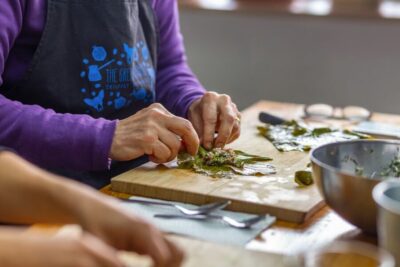
Food Market Visit and Cooking Class with Wine
Read our review →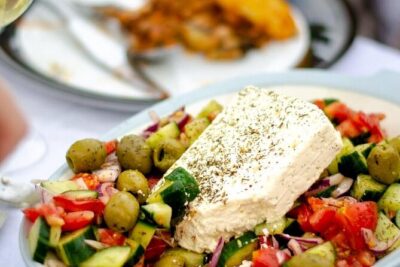
Greek Cuisine Cooking Class in Santorini with Recipes and Wine
Read our review →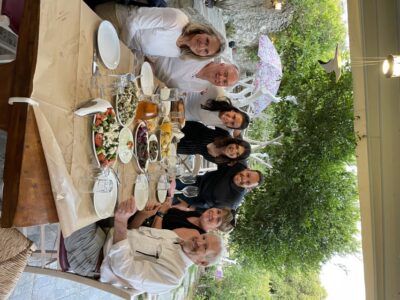
Half-Day Cooking Class at Basiliko Family Tavern
Read our review →
Greek Cooking Class in Athens Including Rooftop Dinner with Acropolis View
Read our review →
Greek Small-Group Athens Cooking Class & Dinner
Read our review →
Exclusive Cooking Experience in our Cave Home by Petra Kouzina
Read our review →
Authentic Cooking Class in the White Mountains
Read our review →Browse the lists this tour appears in